
It was 2:00 PM on a quiet Tuesday, and I was finally sitting down with a cup of coffee while my three-year-old napped. Just as I took my first sip, a sound cut through the baby monitor that made my hair stand on end. It sounded like two rocks being violently ground together, or perhaps a tiny, rusty saw blade chewing through wood. I rushed into the nursery, expecting the worst, only to find my sweet boy fast asleep, his jaw working back and forth in a frantic, rhythmic motion. He was grinding his teeth so loudly that it practically echoed in his quiet room. I panicked. Was he destroying his brand-new baby teeth? Was he in pain? My mind immediately raced to thoughts of expensive future visits to the dentist or some kind of pediatric dental crisis.
The Terrible Sound That Keeps Parents Awake
If you are currently sitting outside your toddler's bedroom door listening to that same nail-biting sound, take a deep, slow breath. You are not alone, and your child is not broken. In my early days as a parent, I made the classic mistake of immediately trying to wake my son up or physically hold his jaw still during his naps. This was a useless effort that only resulted in a cranky, sleep-deprived toddler and a highly stressed-out mom. After consulting with pediatric specialists, I learned that this nocturnal and daytime grinding—clinically known as bruxism—is incredibly common in young children. Today, we are going to unpack exactly why this terrifying noise happens during naptime, how to tell if it is actually harming their developing mouth, and what you can do to help them slide into a quieter, gentler slumber.
Is this grinding actually going to ruin their teeth?
This is the exact question that kept me up at night. Fortunately, clinical data offers some major reassurance for anxious parents. According to the American Academy of Pediatric Dentistry, nearly 30% of children grind their teeth during sleep, and the vast majority of them outgrow the habit by the time their permanent molars emerge without causing any permanent damage to their tooth enamel. While we adults might require custom night guards or even invisalign therapy to correct alignment issues stemming from adult grinding, children's mouths are highly adaptable. If you are still feeling skeptical, you can learn more about how to identify these habits early by reading our guide on how to tell if your child is grinding their teeth during their nap. Most of the time, the sound is far worse than the actual wear on their pearly whites.
Why Naptime Triggers the Grind
So, why is this happening specifically during those afternoon rest sessions? Unlike deep nighttime sleep, daytime naps often involve different transition phases of sleep where minor airway obstructions, mild teething discomfort, or even developmental growth spurts can trigger involuntary jaw movements. When my son was cutting his back molars, his naptime grinding reached an absolute peak. It was his body's natural, albeit noisy, way of trying to massage his sore gums. Have you ever walked into your child's room during a nap and found yourself completely shocked by how loud their jaw clenching sounds in the quiet house? Let me know in the comments below, because sharing these crazy parenting moments is how we all stay sane. Before we look at the simple steps to soothe their jaw and quiet down those naps, it helps to understand the physical triggers behind this phase so you can address the root cause rather than just worrying about the noise.
Practical Tactics to Quiet the Grind Today
Addressing toddler bruxism during naps requires a shift from worry to targeted, calming habits. Just like we prepare our own bodies for a peaceful night by dimming the lights, a toddler needs a specific physiological ramp-down to release the tension in their tiny jaws. Think of their jaw muscles like a wound-up rubber band; if they go to sleep tense, that tension releases as involuntary grinding. By focusing on physical relaxation and environmental cues, you can significantly reduce the intensity of those midday grinding sessions.
Create a transition routine that relaxes the jaw
To ease the physical tension, I started implementing a gentle jaw-relaxation massage right before naptime. During one particularly loud week of grinding, I sat my son on my lap and used my warm fingertips to make tiny, circular motions on his cheeks, just below his cheekbones. He giggled at first, but within two minutes, his entire face relaxed. This simple physical release acts as a reset button for tight muscles. Coupling this with a warm bath or a warm washcloth pressed gently to their cheeks for a few minutes before they lie down can work wonders to prevent the involuntary clenching that starts the moment they drift off.

Incorporate teething-specific counter-pressure
If teething is the primary trigger, your toddler is grinding because the sensory input of rubbing their teeth together temporarily numbs the throbbing in their gums. To break this cycle, you must provide a safe alternative for counter-pressure before they sleep. I found success by offering a cold, damp clean washcloth or a solid silicone teething toy kept in the freezer for ten minutes right before naptime. Letting them chew on this while reading a pre-nap book satisfies that deep sensory need for pressure, meaning they are much less likely to seek that sensation by grinding their teeth once they fall asleep.
Assess the sleep environment for hidden stressors
Sometimes the trigger isn’t physical pain, but a subtle disruption in their breathing or sleep quality. Pediatric sleep studies show a strong link between airway resistance and bruxism; when a child’s airway is slightly restricted due to allergies or dry air, the body naturally moves the jaw forward to open the airway, resulting in grinding. Running a cool-mist humidifier in their room during naps can keep their nasal passages clear. Additionally, it is always wise to keep an eye on their overall oral development. If you notice persistent issues, consulting with a professional is key. For tips on navigating these early visits, check out our advice on choosing the right dentist for your best smile journey. Addressing simple environmental factors like room humidity and air quality can instantly quiet their sleep.
Track the noise to find the root cause
Before you panic and assume they need a pediatric version of invisalign, start keeping a simple “grind log” on your phone. Note the days they grind, the duration of their nap, whether they are currently cutting teeth, and if they have any cold symptoms. When I did this, I realized my son only ground his teeth on days when his seasonal allergies flared up. This realization saved me hours of unnecessary worry and allowed me to focus on clearing his nose before putting him down, rather than stressing over his dental health.
When we hear our toddlers grinding their teeth, our parental protective instincts kick into overdrive, and we immediately start searching for quick fixes. But as someone who has spent hours discussing dental development with pediatric specialists, I have realized that the mainstream advice circulating on parenting forums is often riddled with myths. We tend to view this habit through the lens of adult dental care, assuming that what is bad for a mature mouth must be catastrophic for a toddler. In reality, pediatric oral development operates under an entirely different set of biological rules.
The Aggressive Brushing Trap That Actually Accelerates Wear
Everyone tells you to keep their teeth meticulously clean to prevent decay, but in my experience, over-cleaning during a high-grinding phase works much worse than a gentle, strategic approach. When a child is actively grinding during naps, their tooth enamel is already experiencing microscopic physical stress. If you rush in immediately after they wake up with a stiff toothbrush, you are actually scrubbing away at vulnerable, friction-heated enamel. Instead of protecting their smile, aggressive scrubbing can cause microscopic abrasions that make the teeth look worn and dull over time. If your child has sensitive teeth from this constant friction, it is crucial to understand that teeth cleaning for sensitive teeth requires a much softer touch, utilizing ultra-soft bristles and non-abrasive gels rather than standard toddler pastes.
Are custom night guards or early orthodontic aligners safe for toddlers?
This is the most common advanced question I get from worried parents who are ready to spend thousands on orthodontic interventions. The short answer is an absolute, clinical no. According to clinical guidelines from the American Academy of Pediatric Dentistry, placing a rigid night guard or attempting early alignment therapies like invisalign in a growing child is highly counterproductive. Because a toddler’s jaw is rapidly expanding and primary teeth are constantly shifting to make room for permanent ones, restricting that natural bone growth with a plastic appliance can lead to severe developmental issues, including permanent bite misalignment. In short, trying to fix a temporary naptime grinding habit with adult orthodontic tools creates far bigger problems than it solves.
Another dangerous trap is assuming that all cosmetic changes in toddler teeth require immediate restoration. Many parents panic when they notice slight flattening on the tips of the canine teeth, immediately seeking out cosmetic dental treatments to rebuild the tooth structure. However, as highlighted in current discussions on cosmetic dentistry myths debunked, baby teeth are designed to shed, and minor wear on primary teeth has absolutely zero impact on the shape, alignment, or health of their future permanent teeth. Have you ever fallen into this trap of over-analyzing every tiny chip or flat edge in your child’s mouth? Let me know in the comments below! If you want to keep their smile healthy without over-treating, focus on maintaining a consistent, gentle cleaning routine. If you are unsure where to start, reading about teeth cleaning secrets can help you protect their enamel naturally without unnecessary stress or costly dental procedures.
When my son finally transitioned out of his high-intensity naptime grinding phase, I realized that keeping his smile healthy wasn’t about luck. It was about implementing a structured, long-term approach to oral maintenance that focused on preservation rather than constant intervention. If you want to protect those vulnerable baby teeth, you need to transition from short-term soothing tactics to a sustainable home care regimen. Over-reacting to the daily noise won’t help, but setting up a smart, automated care routine will keep their mouth healthy until those permanent molars finally make their appearance.
How do I maintain my child’s dental health over time during active grinding?
To keep their teeth pristine without causing wear, I swear by a specific, high-tech toolkit. First, throw away any manual brush with stiff bristles and invest in a sonic toothbrush designed for toddlers. Personally, I use the ISSA Baby by Foreo because its medical-grade silicone bristles are incredibly soft, preventing the friction damage that happens when you scrub stressed enamel. Pair this with a non-foaming, hydroxyapatite-based toothpaste instead of standard fluoride. Hydroxyapatite naturally remineralizes microscopic enamel lesions caused by nighttime clenching, essentially repairing the tooth surface while they sleep. Keeping up with these tools is just as critical as maintaining your teeth cleaning routine for long-term health on an individual level.
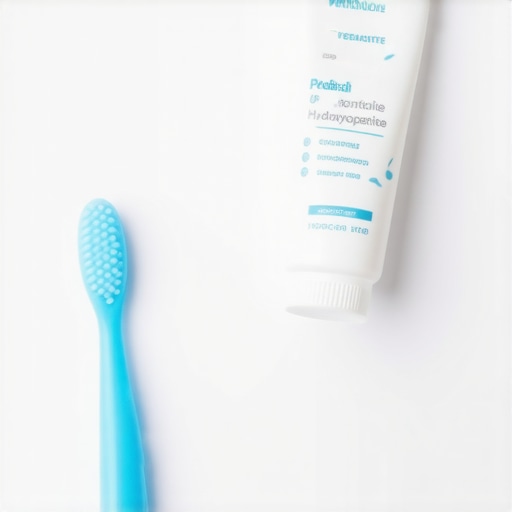
Looking ahead, pediatric dentistry is shifting rapidly toward non-invasive preventative care. According to Dr. Jade Miller, a past president of the American Academy of Pediatric Dentistry, the future of managing childhood bruxism lies in early myofunctional therapy—simple exercises that train the tongue and jaw muscles to rest in the correct position naturally. Instead of relying on future structural alignment tools like invisalign, we will soon see parents using interactive smart-phone apps that guide toddlers through fun tongue-positioning games to eliminate grinding before it even starts.
My biggest recommendation for you today is to stop worrying about the noise and focus on one actionable step: swap out your child’s standard toothbrush for an ultra-soft silicone model tonight. Giving their enamel a break from harsh friction is the easiest way to preserve their bright smile during this temporary phase. If you want to make sure their overall oral hygiene is on point as they grow, check out these professional teeth cleaning tips for a brighter smile this spring to keep their pearly whites sparkling naturally.
When my son finally transitioned out of his high-intensity naptime grinding phase, I realized that keeping his smile healthy wasn’t about luck. It was about implementing a structured, long-term approach to oral maintenance that focused on preservation rather than constant intervention. If you want to protect those vulnerable baby teeth, you need to transition from short-term soothing tactics to a sustainable home care regimen. Over-reacting to the daily noise won’t help, but setting up a smart, automated care routine will keep their mouth healthy until those permanent molars finally make their appearance.
How do I maintain my child’s dental health over time during active grinding?
To keep their teeth pristine without causing wear, I swear by a specific, high-tech toolkit. First, throw away any manual brush with stiff bristles and invest in a sonic toothbrush designed for toddlers. Personally, I use the ISSA Baby by Foreo because its medical-grade silicone bristles are incredibly soft, preventing the friction damage that happens when you scrub stressed enamel. Pair this with a non-foaming, hydroxyapatite-based toothpaste instead of standard fluoride. Hydroxyapatite naturally remineralizes microscopic enamel lesions caused by nighttime clenching, essentially repairing the tooth surface while they sleep. Keeping up with these tools is just as critical as maintaining your teeth cleaning routine for long-term health on an individual level.
Looking ahead, pediatric dentistry is shifting rapidly toward non-invasive preventative care. According to Dr. Jade Miller, a past president of the American Academy of Pediatric Dentistry, the future of managing childhood bruxism lies in early myofunctional therapy—simple exercises that train the tongue and jaw muscles to rest in the correct position naturally. Instead of relying on future structural alignment tools like invisalign, we will soon see parents using interactive smart-phone apps that guide toddlers through fun tongue-positioning games to eliminate grinding before it even starts.
My biggest recommendation for you today is to stop worrying about the noise and focus on one actionable step: swap out your child’s standard toothbrush for an ultra-soft silicone model tonight. Giving their enamel a break from harsh friction is the easiest way to preserve their bright smile during this temporary phase. If you want to make sure their overall oral hygiene is on point as they grow, check out these professional teeth cleaning tips for a brighter smile this spring to keep their pearly whites sparkling naturally.
The Realizations That Changed My Entire Approach to Toddler Teeth
Going through the stressful cycle of listening to that grinding sound day after day taught me three critical lessons that you won’t always hear in a standard waiting room. First, I realized that the noise of grinding sounds ten times worse than the physical reality inside their mouth. The acoustic resonance of a toddler’s small skull acts like a speaker, amplifying what is actually a very minor physical rub into a bone-chilling crunch. Second, trying to physically wake them or slide a pacifier in during active grinding only disrupts their sleep cycles, leading to overtiredness, which actually increases cortisol and triggers even more grinding during their next nap. Finally, I discovered that their airway health is directly linked to jaw movement. When my son had slight congestion, his body naturally shifted his jaw forward to breathe easier, causing the teeth to rub. Focus on their breathing, and you will often solve the grinding without ever touching their teeth.
My Recommended Pediatric Dental Toolkit
If you want to move away from constant worry and take proactive, gentle steps, here are the exact resources and tools that saved my sanity:
- Myofunctional Therapy Videos: Simple, free online tongue posture exercises designed for toddlers that turn jaw relaxation into a game of mimicking animal sounds.
- Cool-Mist Humidifiers: Elevating the humidity in the nursery by just 10% keeps nasal passages clear, naturally reducing the need for jaw-shifting breathing adjustments during naps.
- The American Academy of Pediatric Dentistry Parent Portal: This is my ultimate source for peer-reviewed pediatric clinical guidelines, helping me bypass scary and inaccurate parenting forum myths.
- A Trusted Local Caregiver: Nothing replaces the peace of mind of having an expert look in. If you are still searching for the right professional to partner with, read our guide on finding a dentist who gets your smile tips from top cosmetic pros to locate a compassionate expert who respects natural development.
The Future of Your Child’s Beautiful Smile
It is incredibly easy to look at your sleeping child and project all of your adult dental fears onto their tiny, growing mouths. But baby teeth are resilient, temporary, and incredibly adaptable. By stepping back, focusing on gentle relaxation techniques, keeping their nasal airways clear, and trusting the natural growth process, you are doing exactly what they need. This noisy phase is just a brief detour on their path to a strong, healthy permanent smile. Take a deep breath, trust the science, and know that you are doing an amazing job. Finding a pediatric expert who validates your concerns without rushing into aggressive treatments is key; you can learn more about making this choice by reading about how to choose the right dentist for your best smile journey today.
Have you ever noticed your child grinding their teeth only when they have a stuffy nose or a cold? Let me know your experiences in the comments below!