
I remember staring into my bathroom mirror last year, pulling my upper lip back, and feeling a wave of absolute defeat. There it was. My beautiful, expensive porcelain crown—the one I got to finally fix my smile—looked perfect. But the gum directly above it? Puffy, swollen, and a weird shade of angry dark red. I brushed harder, thinking I was just being lazy, but it only bled and swelled more. It felt like my body was rejecting this shiny new tooth. If you are dealing with a single, stubborn swollen spot around a capped tooth, I want you to take a deep breath. You are not losing your mind, and you probably do not need to pull the tooth out. Today, we are going to pinpoint exactly why that tissue is acting up and how to fix it once and for all.
Before we dive into the anatomy, have you noticed your gums acting strange in other ways too, like when your gums bleed only when you use an electric toothbrush? Or is it truly isolated to this one crown? Let me know in the comments below, because tracking these patterns is half the battle.
The Huge Mistake I Made When My Crown Started Hurting
When my crown first started feeling tight and puffy, I panicked and assumed it was a hygiene issue. I bought the stiffest toothbrush I could find and scrubbed that poor gumline until it was raw. Huge mistake. In reality, over-aggressive scrubbing just pushes the tissue further away, exposing the delicate margins of your dental work. What I actually needed was a gentler approach and a better understanding of what was happening beneath the surface. Sometimes, a puffy gumline is simply a sign that the crown’s edge is sitting slightly too deep, violating what dentists call the ‘biological width’—the natural band of tissue surrounding the root. In fact, research published by the American Academy of Periodontology notes that even microscopic discrepancies in restoration margins can harbor plaque that manual brushing simply cannot reach. This is why visiting a skilled professional who understands modern cosmetic dentistry trends is so crucial to getting a restoration that harmonizes perfectly with your soft tissues.
Is this puffy gum actually a sign of a failed root canal?
It is the question that keeps everyone up at 2 AM. We instantly assume the worst: the tooth is dying, the root canal failed, or the implant is rejecting. While a deep infection can certainly cause swelling, more often than not, local puffiness around a single crown is a physical, structural issue rather than a biological disaster. It could be residual dental cement trapped under the gumline from the day it was bonded, or perhaps a slight misalignment that makes it hard to clean. If your hygiene routine is solid but that one spot remains angry, it is time to have your dentist take a close look at how the crown physically meets your gumline. To keep the rest of your mouth in top shape while you sort this out, make sure you are maintaining your teeth cleaning routine diligently, ensuring no other areas join the swelling party.
First, Flush Out the Trapped Micro-Debris
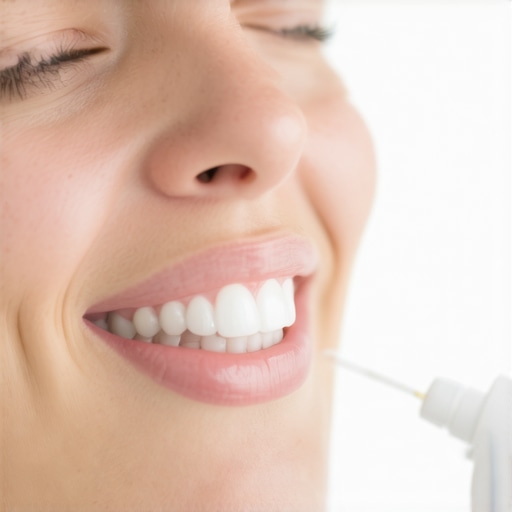
When my own gumline turned into an angry red cushion, my initial instinct was to scrub it to death. Once I realized that was actually worsening the irritation, I changed my strategy entirely. Think of the tight space between your crown and your gumline like a narrow alleyway between two buildings. Traditional floss is great, but it often mimics a saw blade, sliding back and forth without actually grabbing the microscopic concrete dust—or in this case, residual dental cement or tiny food particles. I started using a specialized cleaning method that mimics what pros do. I filled a water flosser with lukewarm water and a tiny splash of non-alcohol antimicrobial mouthwash, aiming the tip at a forty-five-degree angle directly at the collar of the crown. By using a pulsing, low-pressure stream, you lift the debris out rather than shoving it deeper into the biological pocket.
Use the Knotted Floss Trick for Stubborn Residue
If you suspect there is a piece of sticky food or a speck of leftover bonding cement hiding under there, standard flossing won’t cut it. Here is the exact technique I used: take a piece of high-quality dental floss and tie a tiny, single knot right in the middle. Gently slide the floss down between the crowned tooth and the adjacent tooth. Instead of pulling it back up vertically—which can snag and potentially dislodge a temporary restoration—pull it straight through horizontally from front to back. As the knot passes through the tight space, it acts like a miniature broom, sweeping out any trapped micro-debris that is keeping your gums inflamed. If your floss always seems to snag or shred during this process, it might be due to a sharp tooth structure elsewhere, which is why understanding the reason your floss always shreds in the exact same spot can help you identify underlying structural issues your dentist needs to smooth out.
Calm the Tissue with Targeted, Non-Abrasive Care
Once you are confident the physical debris is gone, you must treat the swollen tissue like an injury rather than a hygiene failure. Hard scrubbing with standard toothpastes containing harsh whitening abrasives will only strip away the delicate outer layer of your gums, leading to painful peeling. During my recovery phase, I switched to a ultra-soft, micro-bristle manual toothbrush and brushed only in a gentle, circular motion away from the gumline. I also substituted my harsh toothpaste for a simple, soothing warm saltwater rinse three times a day. This natural saline solution reduces osmotic pressure in the swollen cells, pulling the excess fluid out of the puffy tissue naturally and reducing that throbbing, heavy sensation.
Ensure Your Daily Tools Aren’t Causing the Friction
Sometimes the irritation isn’t coming from the crown itself, but from how you clean around it. If you are using highly abrasive products or stiff tools, you might be keeping the area in a state of perpetual trauma. This is especially true for those with sensitive teeth or delicate gums who need to tailor their hygiene routine to avoid flare-ups. To keep your soft tissues calm, it helps to learn about teeth cleaning for sensitive teeth what works best in 2025 so you can adopt gentle, state-of-the-art habits that protect both your natural enamel and your expensive cosmetic restorations. If the swelling refuses to budget after a week of gentle care, the issue is likely a microscopic physical overhang of the porcelain edge, which requires a quick dental adjustment to make the crown sit perfectly flush with your root.
The Microscopic Trap Most People Ignore After Cosmetic Work
Everyone seems to think that once you invest in a stunning new restoration, your work is done. In my experience, patients often believe that porcelain crowns are completely bulletproof. But here is the contrarian truth: while the crown itself cannot decay, the natural tooth margin beneath it is actually more vulnerable than ever. A very common trap is assuming that aggressive brushing is the cure for any post-treatment redness. This aggressive behavior actually backfires. According to a landmark study by the Journal of Periodontological Research, over-brushing around restoration margins doesn’t clean the area; it physically destroys the delicate epithelial attachment. This creates a tiny pocket where plaque accumulates completely out of reach of your toothbrush. Have you ever fallen into this trap of over-cleaning a sensitive spot? Let me know in the comments.
Why does the area under a dental restoration feel so different?
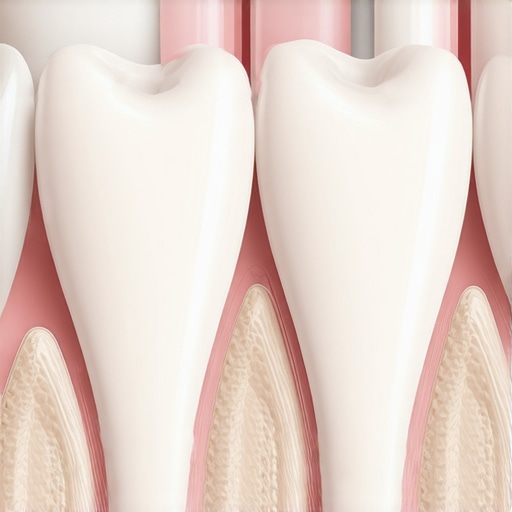
The transition zone where porcelain meets your biological tooth structure is a microscopic cliffside. If your home hygiene routine is too abrasive, you strip away the natural protective shield. To keep your mouth healthy without causing self-inflicted trauma, it is wise to learn about teeth cleaning for sensitive teeth what works best in 2025. Many people believe they need to scrub harder to keep restorations clean, but the secret lies in gentle, high-tech care. If you are experiencing persistent swelling despite careful hygiene, your crown might have a slight physical overhang. Choosing a specialist who understands cosmetic dentistry trends that transform smiles today is the best way to ensure your crown is placed with the high precision necessary to keep your gum tissue healthy and happy.
How Physical Alignment Impacts Your Soft Tissues
Another major nuance that many people overlook is how their overall bite alignment affects local gum swelling. If your teeth are crowded or slightly misaligned, it creates physical pressure points that can cause localized inflammation around a single crown. This is why modern cosmetic dental procedures are moving toward holistic alignment before crowning. Many adults are now utilizing clear aligners to fix these underlying structural issues first. If you are curious about how modern orthodontic alignment can improve your overall gum health, reading the ultimate guide to invisalign for adults in 2025 will give you a comprehensive look at how proper alignment reduces chronic soft-tissue inflammation.
My Personal Toolkit for Guarding the Restoration Zone
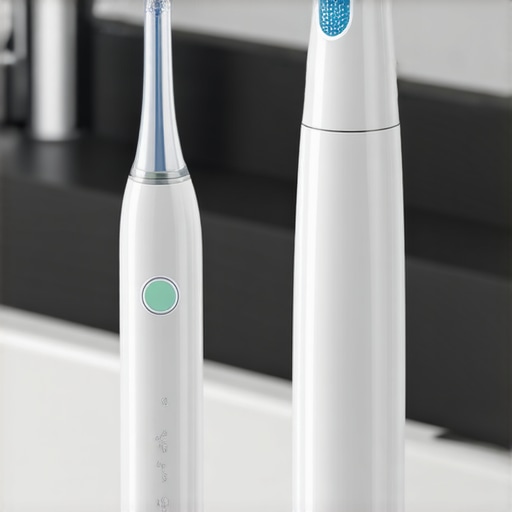
Once you have cleared out the physical debris and calmed the initial flare-up, you enter the crucial phase of long-term maintenance. In my own routine, I realized that relying on a basic manual toothbrush was like trying to clean a delicate watch with a kitchen sponge. I transitioned to using an acoustic-vibrating sonic toothbrush paired with an ultra-soft, tapered-bristle head. Unlike high-friction oscillating electric brushes, a sonic wave creates dynamic fluid forces that gently flush out the gingival sulcus without scrubbing away the delicate epithelial attachment around your porcelain work. According to clinical documentation from the International Journal of Dental Hygiene, maintaining high-frequency, low-friction oral hygiene is the single most effective way to prevent localized peri-implantitis and marginal gingivitis around crowns.
How do I maintain my dental restorations over time?
Consistency combined with non-abrasive tech is the ultimate recipe for longevity. I highly recommend investing in a high-quality water flosser with a specialized orthodontic tip, which is designed to direct a targeted micro-spray right along the crown margin. If you want to make sure your entire smile remains aligned and healthy, incorporating proactive orthodontic care is highly beneficial. Take a look at invisalign maintenance expert tips for clear confident smiles to see how keeping your alignment in check prevents crowded pressure points that trap plaque around existing crown work. Additionally, establishing a long-term professional relationship with your hygienist is vital; learning how regular teeth cleaning can prevent major dental issues will keep you ahead of microscopic cement degradation before it leads to a painful root-level cavity.
The Future of Crown and Gum Care
Looking ahead, the dental industry is moving rapidly toward personalized bio-compatible materials and smart diagnostics. In the near future, we will likely see smart crowns embedded with microscopic pH sensors that alert your smartphone the second plaque bacteria begin to colonize the subgingival margin. Until then, we must rely on smart habits and precision tools. I highly encourage you to try the knotted-floss trick tonight to sweep away any microscopic debris that might be hiding under your crown margins. If you have been struggling with localized sensitivity while trying to keep things clean, explore the latest strategies on teeth cleaning for sensitive teeth what works best in 2025 to upgrade your daily tools without triggering discomfort.
What Experts Won’t Tell You About Healing Crown Margins
Through my own trial and error, I uncovered a few non-obvious truths about managing delicate cosmetic restorations. First, localized swelling is almost never a hygiene deficit; it is typically a structural friction issue. Second, the tissue above a crown possesses its own ‘memory’ and requires consistent, low-pressure care to shrink back to its natural, healthy shape. Finally, ignoring a tiny microscopic ledge on your crown will only result in chronic inflammation. Correcting this doesn’t mean starting over—often, your provider can simply smooth the edge down in under five minutes with a specialized polishing tip.
My Essential Restoration Maintenance Toolkit
If you want to keep that single puffy spot calm forever, you need to upgrade from generic drugstore tools. Here is the exact combination I rely on to keep my gums flush and healthy:
- An Acoustic Sonic Toothbrush: High-frequency vibrations create dynamic fluid waves that flush out the microscopic margin without physical scrubbing.
- Tapered Micro-Bristle Heads: Standard bristles are too blunt to reach under the restoration collar without causing friction.
- A Diluted Antimicrobial Rinse: Instead of harsh, burning formulas, use a warm saline solution or a non-alcohol antimicrobial rinse to naturally reduce tissue pressure. If you have sensitive areas, integrating specialized strategies for teeth cleaning for sensitive teeth what works best in 2025 will save your smile from unnecessary irritation.
- Strategic Orthodontic Alignment: If your bite is crowded, no tool can save a tight margin. Investing in preventative alignment via the ultimate guide to invisalign for adults in 2025 can permanently remove the physical crowding that traps plaque around your crown.
Your Path to a Calm and Healthy Smile
Do not let a single swollen spot steal the confidence of your beautiful cosmetic dentistry. By switching to gentle, high-tech tools and sweeping away microscopic debris with the knotted-floss trick, you can restore harmony between your soft tissues and your porcelain crown. Your gums are highly resilient—once you remove the physical source of irritation, they will heal beautifully.
Have you ever struggled to get food or sticky debris out from under a temporary or permanent crown? Let me know in the comments below.