
I still remember sitting in my car after a routine scaling session, gripping the steering wheel, and trying desperately not to scratch the inside of my mouth with my fingernails. It was an agonizing, deep-seated itch right along my lower gum line. Have you ever felt that bizarre, frustrating sensation where you just want to take a toothpick to your own gums after leaving the dental chair? I certainly have, and during that first intense episode, I made the frantic mistake of aggressively scrubbing my raw mouth with a stiff-bristled toothbrush. It was a painful error that only made the inflammation worse. Professional scaling is absolutely vital for your oral health, but nobody warns you about the strange phantom itch that can follow when years of stubborn tartar are suddenly swept away. Today, we are going to unpack exactly why this tickling discomfort happens and how you can soothe it safely without sabotaging your fresh smile.
The Mystery of the Post-Scaling Tickle
My first major mistake during my own smile journey was assuming that clean teeth should immediately feel perfect. When I first started exploring ways to improve my oral health, I even looked into cosmetic upgrades like cosmetic dentistry trends that transform smiles today, but I quickly realized you cannot build a beautiful house on a shaky foundation. If your gums are inflamed, even basic hygiene can feel intense. When a hygienist performs a deep scaling, they are removing calculus that has essentially been acting as a tight, irritating splint against your teeth. Once that debris is cleared, your newly exposed gum tissue finally has room to breathe, heal, and contract. This healing process releases histamines—the very same chemical compounds your body uses to repair a scraped knee—which triggers that signature, driving itch. According to clinical studies published by the National Institutes of Health, histamine release is a standard physiological response during active tissue healing and acute inflammatory resolution. Knowing this science would have saved me from a lot of panic during my early visits!
Is this itchy feeling actually normal or did my hygienist mess up?
It is incredibly common to feel skeptical or even slightly terrified when your mouth reacts weirdly to a professional treatment. You might wonder if your tissues were permanently damaged or if the instruments were too harsh. Rest assured, this itching is actually a positive sign that your immune system is actively shrinking those swollen pockets back down to a tight, healthy fit around your teeth. Just as you might experience why your gums feel sore after a cleaning when they usually dont, an itch is simply your nerve endings waking up as the pressure from tartar buildup is lifted. Instead of aggressively brushing, try sticking to a gentle routine. I highly recommend reading up on teeth cleaning for sensitive teeth what works best in 2025 to discover modern, soothing techniques that keep your recovery completely comfortable. Have you ever experienced this annoying itch after leaving the dentist, and how did you handle it?
Practical Tactics to Quiet the Itch Without Causing Damage
When my gums were itching like crazy after my first major scaling, I made the terrible mistake of rubbing them hard with a rough washcloth. My mouth was sore for a week. To save you from that pain, I have put together the exact steps that actually work to calm your nerves while your gums heal. Think of your recovering gums like a healing scraped elbow; you want to soothe the sensation without picking at the scab.
Use a Specialized Saltwater Rinse Technique
The absolute fastest way to get relief is a precise warm saltwater rinse. This isn’t just about throwing salt in a cup. Dissolve half a teaspoon of high-quality sea salt in eight ounces of lukewarm water. Take a sip and tilt your head so the liquid pools over the itchy area. Do not swish aggressively; instead, let the warm saline bathe the tissue for a full thirty seconds. This natural solution acts as a gentle astringent, drawing out excess fluid from swollen tissues and immediately calming the histamine response. To learn more about how saline accelerates healing in your mouth, you can read about the salt water rinse secret for healing a bitten cheek faster.
Apply Cold Compresses Internally and Externally
When histamines make your mouth feel like it is on fire, cold is your best friend because it temporarily numbs the overactive nerve endings. I used to wrap a single ice cube in a clean, damp piece of sterile gauze and hold it gently against my lower gum line for a minute at a time. If you do not have gauze, sipping on ice-cold water works wonderfully. Avoid chewing the ice, as this can damage teeth that are temporarily sensitive. For those who struggle with sensitive teeth during temperature changes, look into teeth cleaning for sensitive teeth what works best in 2025 to find protective measures.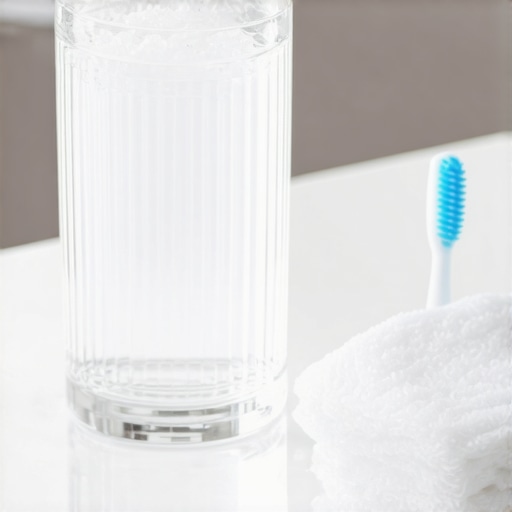
Switch to an Ultra-Soft Toothbrush and Gentle Strokes
Do not stop cleaning your teeth just because your gums feel weird. If you let plaque build up on freshly scaled tooth roots, the itching and inflammation will only last longer. However, you must throw away any medium or hard-bristled brushes. Your hygienist likely told you this already, but it is worth repeating: only use an ultra-soft manual brush during recovery. Tilt the bristles at a 45-degree angle toward the gum line and use tiny, circular vibrations rather than a scrubbing motion. If you want to understand why your current brushing habits might be working against you, check out why your dental hygienist told you to stop using hard-bristled toothbrushes. This simple switch saved my raw gums from further recession.
Clean Between Your Teeth with Extreme Care
Flossing is critical after scaling because it keeps the healing pockets free of microscopic debris. However, snapping the floss down hard into your sensitive gums will slice the delicate tissue and trigger a fresh wave of itching. Instead, gently zig-zag the floss between your teeth. If your floss tends to tear or get stuck, you might need to change your technique. Discover how to keep things smooth by reading about the secret to floss that doesnt snap between tight teeth. Keeping those tight spaces clean ensures your gums shrink back down quickly and comfortably.
The Deeper Healing Nuance Most People Get Wrong
Many patient guides stop at explaining histamines, but the real nuance lies in how long-term calculus buildup alters your local microcirculation. For years, heavy tartar restricts micro-vascular blood flow within the gingival margins. When your hygienist removes this barrier, a sudden surge of blood flow returns to these starved tissues. This rapid reperfusion can trigger a localized, intense tickle that feels almost identical to allergic itching. Everyone says to aggressively scrub your teeth when your mouth feels dirty or irritated, but in my experience, leaving the tissue alone and focusing on mild, temperature-regulated care works infinitely better. If you start scrubbing with force, you risk shearing the delicate hemidesmosomes—the tiny cellular anchors trying to reattach your gums to the tooth roots.
Could a hidden plaque trap be prolonging your recovery?
A major mistake I see people make after a deep scaling is overusing harsh, alcohol-based mouthwashes to sterilize their mouths. This is a massive trap. High-alcohol rinses severely dehydrate recovering tissues, which delays cellular regeneration and keeps your nerve endings firing. Instead of healing, you end up with a dry, stinging, and chronically itchy mouth. According to clinical guidelines published by the American Academy of Periodontology, maintaining a clean, chemical-free environment is the gold standard for post-scaling tissue reattachment. Rather than relying on aggressive chemicals, focus on a sustainable, non-irritating routine by learning about maintaining your teeth cleaning routine for long term health. If you are also considering structural alignment down the road, it is wise to consult a professional who understands tissue health first. Take time to research how to choose a dentist for your invisalign transformation to ensure your gums are fully prepped for any orthodontic pressure. Have you ever fallen into this trap of over-sterilizing your mouth? Let me know in the comments below!
The Tools and Daily Habits That Keep My Gums in Peak Condition
Once you survive that initial post-scaling itch, your primary focus must shift to maintaining those pristine periodontal pockets. I used to think any drugstore toothbrush and minty floss would do the trick, but upgrading my daily toolkit made a massive difference in how quickly my tissues stabilized. The right tools prevent rapid plaque recolonization, which is the primary reason that frustrating itch or soreness returns. By investing in the right home care gear, you ensure that your next routine visit is a breeze rather than a stressful ordeal.
How do I maintain my healthy gum line over time?
To keep your gums tight and pink, you need a daily routine that balances effective plaque removal with tissue safety. My absolute favorite tool is a dedicated water flosser paired with a high-quality electric toothbrush that features a built-in pressure sensor. This sensor is crucial; if you press too hard, the brush slows down automatically, protecting your healing gingival margins. I highly recommend reading about maintaining your teeth cleaning routine for long term health to build a sustainable daily habit. Additionally, if you are planning future alignment corrections, you should understand how clean gums set the stage for success. Take a look at choosing the best invisalign options for your lifestyle to see how a healthy foundation supports your cosmetic goals.
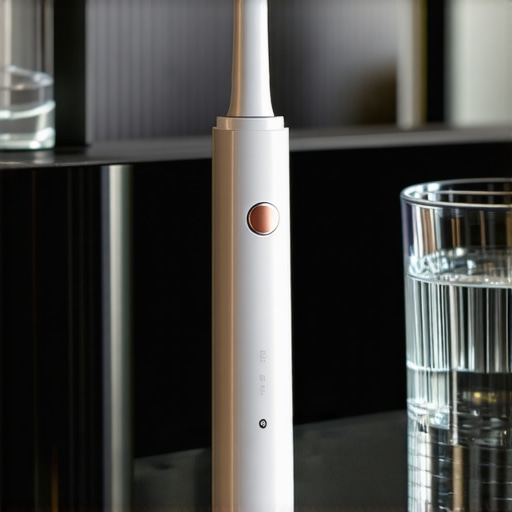
In terms of future trends, periodontal care is moving rapidly toward personalized diagnostics. According to a recent technical brief by the American Dental Association (ADA) on emerging dental technologies, we will soon see smart toothbrushes capable of analyzing the biochemical markers in your saliva to detect early-stage inflammation before you ever feel an itch. For now, the best strategy is to stick to proven, high-quality physical tools. If you want to elevate your routine right now, I highly recommend trying one advanced tip: swap your standard mouthwash for a alcohol-free formulation infused with essential oils like tea tree or chamomile. These natural anti-inflammatories soothe the tissue while keeping your oral microbiome balanced. If you are also considering structural cosmetic upgrades, ensure you are working with an expert by learning choosing the right dentist expert tips for your best smile journey.
What My Worst Post-Scaling Mistakes Taught Me About Gum Healing
When I look back at my early dental experiences, I realize my biggest error was treating my mouth like a dirty kitchen counter that needed a harsh scrub. That intense, ticklish sensation after a deep scaling session is actually a sign of life returning to your tissues, but it is incredibly easy to misinterpret. Here are the three most critical lessons I learned the hard way:
- Your gums are not leather: Aggressive scrubbing to satisfy an itch only shears the delicate cellular anchors trying to reattach your gums to your tooth roots. If you struggle with irritation, it is vital to learn why your gums itch after a professional deep scaling session rather than attacking them with a brush.
- Sterilization is not healing: Flooding your healing mouth with harsh, alcohol-based mouthwash does not speed up recovery; it actually dehydrates the tissues and prolongs the itching. Discover more about this dynamic by reading about why your mouth feels like it is on fire after using high-alcohol mouthwash.
- Patience prevents recession: The tickle is temporary, but the damage from fingernails or toothpicks can be permanent. Let the natural histamine response run its course.
The Gentle Care Kit to Accelerate Your Recovery
You do not need an array of expensive medical supplies to calm down overactive nerve endings after your appointment. Over years of trial and error, I have narrowed down my personal recovery toolkit to these highly reliable, accessible essentials:
- High-Quality Pure Sea Salt: Skip the table salt and opt for fine-ground sea salt. A gentle, non-swishing warm saline bath draw out excess fluids from swollen tissues, which is why I swear by the salt water rinse secret for healing a bitten cheek faster to quiet tissue inflammation.
- Sterile Gauze and Ice: Wrapping a clean piece of damp gauze around a single ice cube allows you to target the itchy gum line directly and safely without exposing your sensitive teeth to freezing liquids.
- Ultra-Soft Manual Brushes: Ditch the medium bristles immediately. Transitioning to a specialized micro-bristle brush protects your healing gingival margins while removing the plaque that triggers the itch.
Step Safely into Your Healthiest Smile Ever
Experiencing a post-cleaning tickle can feel incredibly frustrating, but it is ultimately a beautiful sign of renewal. It means your body is successfully cleaning out the old debris and laying down a tight, healthy foundation. Don’t let a temporary histamine response derail your progress or discourage you from maintaining your schedule. By leaning into gentle, temperature-regulated care and giving your body the time it needs to repair, you are setting yourself up for long-term oral health and a lifetime of confident smiles.
Have you ever felt that bizarre, driving itch in your gums after a professional dental cleaning, and what did you do to soothe it? Let me know in the comments below!