
I still remember the shock of that sudden, intense zing shooting through my teeth after my last cleaning. It was like biting into a popsicle and getting a lightning bolt instead. No matter how refreshing that cold water seemed, the pain would cut right through me, making each sip a dreaded ordeal. I felt frustrated, embarrassed, and a little hopeless—like I was missing some crucial piece of the puzzle.
Confronting That Unexpected Tooth Pain After Your Dentist Visits
If you’ve experienced something similar, you’re not alone. Many people find themselves battling that sharp, stabbing sensation when they drink cold water right after a dental cleaning. It’s a confusing and seemingly random problem, especially when you’ve just had your smile professionally polished. You wonder why your teeth would suddenly become so sensitive, turning a simple pleasure into a painful experience.
The good news? This common issue can be understood—and most importantly, fixed. In this post, I’ll share the insights I’ve gathered from my own journey and professional advice, guiding you through the causes and proven strategies to put an end to that painful zing.
Is Sensitivity From Dental Work Actually Worth the Hype?
Early on, I made the mistake of ignoring my discomfort, thinking it was just part of the healing process. Turns out, I was missing vital steps to protect my teeth. According to dental experts, untreated sensitivity can lead to further damage and discomfort down the line. As noted by the American Dental Association, proper post-cleaning care is essential to prevent lasting damage and maintain oral health.
So, have you faced this sudden, sharp pain after your dental visit? If so, rest assured that you’re not alone—and there’s a lot you can do. The key lies in understanding the root cause of your tooth’s sudden sensitivity and adopting simple habits to shield your teeth during the vulnerable healing phase.
Now, let’s explore what’s really happening inside those pearly whites and how you can regain comfort and confidence in your smile.
Protect Your Teeth Immediately After Dental Visits
Right after your dental cleaning, avoid extremely hot or cold foods and beverages. Think of your teeth as a freshly waxed car—any sudden temperature change can cause abrasions or sensitivity. During my last cleaning, I made the mistake of drinking ice-cold water immediately, which led to sharp pain. To prevent this, I started by sipping lukewarm water and gradually reintroduced colder drinks over a few days.
Use Gentle Oral Care Products
Switch to a toothpaste formulated for sensitive teeth, such as those containing potassium nitrate. These products act like a calming balm for nerves in your teeth. When I bought my first sensitive toothpaste, I noticed a reduction in discomfort within a week. Applying gentle brushing techniques with a soft-bristled brush also minimizes abrasion, much like patting a bruise to avoid aggravation.
Apply Desensitizing Gel or Fluoride Treatments
Ask your dentist about professional fluoride application or over-the-counter desensitizing gels. Think of fluoride as a reinforcement layer, akin to adding a protective shield on a vulnerable wall. During my visit, I received fluoride varnish, which strengthened my enamel and reduced sensitivity. Regular use can help rebuild mineral content, turning your teeth into resilient armor against stimuli.
Adopt Smart Lifestyle Habits
Limit acidic foods and drinks that erode enamel, such as citrus or sodas. Picture your enamel as a delicate shell—exposure to acids is like weakening the shell’s structure. I limited my citrus intake and switched to water infused with herbs, which kept my palate fresh without risking sensitivity. Chewing sugar-free gum stimulates saliva production, which acts like a natural buffer, similar to rainwater protecting a garden, helping to neutralize acids and remineralize enamel.
Manage Stress and Bruxism
Stress can lead to teeth grinding, worsening sensitivity. Wearing a night guard provided by your dentist can act like a bumper, absorbing the impact like shock absorbers in a car. I started using a custom-fit guard, which greatly reduced nightly jaw clenching. This simple tool prevents damage to enamel and reduces nerve exposure, easing sensitivity over time.
Schedule Follow-Up with Your Dentist
Timely check-ins allow your dentist to monitor healing progress and adjust treatments accordingly. Think of it as tuning a musical instrument to keep it sounding perfect. During my follow-up, my dentist recommended a subtle enamel sealant—like a clear coat—that shielded my teeth from temperature swings. Regular evaluations also help catch potential issues early, preventing discomfort from becoming a chronic problem.
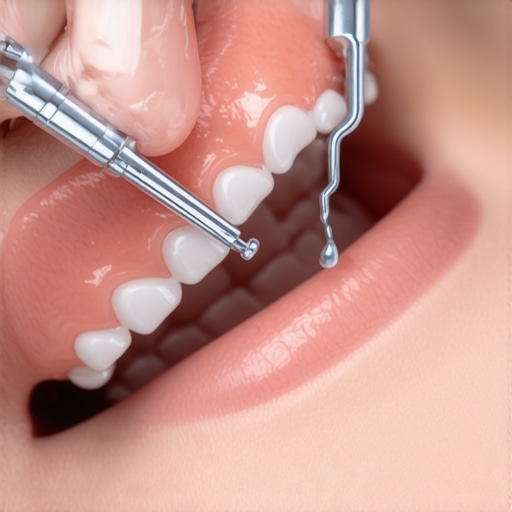
Visual guide showing the application of a fluoride varnish on molars for sensitivity prevention.
When it comes to cosmetic dentistry, many believe that the latest procedures and gadgets automatically guarantee perfect results. However, as an expert who has delved into dental innovations, I can tell you that there’s a significant misconception lingering in the public perception. A common myth is that all treatments like Invisalign or teeth whitening work equally well for everyone. In reality, personalized assessment is crucial; what suits one person may not be ideal for another. For instance, some patients might opt for quick fixes like veneers without considering underlying issues, leading to long-term problems. The trap here is thinking that cosmetic solutions are one-size-fits-all, which can cause unnecessary expenses or damage. Another nuance often missed is the importance of maintaining hygiene routines post-treatment. Regular teeth cleaning, for example, isn’t just about aesthetics but also about preserving your investment in a radiant smile. Overlooking this can result in stained or unhealthy teeth despite having undergone cosmetic procedures. Advanced practitioners emphasize that procedural success depends not only on the technique but also on patient behavior and understanding the biological nuances involved. Moreover, there’s a tendency to focus solely on visual outcomes, neglecting the functional aspects—like bite alignment—that contribute to overall oral health. Ignoring these can lead to issues like jaw pain or uneven wear over time.
What Are the Risks of Ignoring the Biological Nuances in Cosmetic Dentistry?
Experts warn that neglecting the biological and structural details can compromise the longevity of treatment results. For example, using aggressive abrasive materials during polishing may harm enamel, increasing sensitivity and catch erosion issues early. A 2022 study published in the Journal of Dental Research indicates that minimally invasive techniques outperform traditional methods in preserving tooth integrity. Therefore, consulting with a practitioner who understands these details can make the difference between a fleeting sparkle and a durable, healthy smile. Remember, cosmetic dentistry is an art rooted in science, and appreciating the nuances ensures you make informed decisions. Want to explore the latest innovations? Check how [cosmetic dentistry trends are transforming smiles today](https://smilezdentist.com/cosmetic-dentistry-trends-that-transform-smiles-today). And don’t forget, consistent post-treatment care is key to lasting results—like regular teeth cleaning tips that keep your smile bright for years. Have you ever fallen into this trap? Let me know in the comments.Maintaining a healthy, beautiful smile requires more than just regular visits to your dentist; it calls for the right tools and techniques to keep your teeth in top shape over the long term. One of my personal favorites is the Sonicare ProtectiveClean electric toothbrush. I prefer this model because its sonic technology provides more effective plaque removal compared to manual brushing, and the built-in timer ensures I brush for the recommended two minutes each session.
Additionally, I swear by the Waterpik Aquarius Water Flosser. Regular flossing can sometimes be tedious, especially around braces or dental implants, but this device delivers a gentle, pulsating stream that dislodges food particles and plaque in hard-to-reach areas, enhancing my overall oral hygiene. Its adjustable pressure settings allow customization based on sensitivity, making it suitable for daily use without discomfort.
Adopting Advanced Monitoring Tools
Beyond daily hygiene devices, leveraging technology can significantly boost your dental maintenance. I recommend using apps like Dental Monitoring, which allows remote check-ins with your dentist. This system uses a smartphone camera combined with AI to analyze your oral health and flag potential issues early. It’s a game-changer in catching problems before they escalate, saving you time and money. Moving into the future, I predict that AI-driven diagnostic tools will become standard in personal dental care, enabling real-time monitoring and personalized treatment plans at home.
How do I maintain my teeth cleaning techniques over time?
Consistency is key. Regularly updating your tools ensures they perform optimally. I replace my electric toothbrush heads every three months, as recommended by dental professionals, to prevent bacteria buildup and maintain cleaning efficiency. Also, I schedule professional cleanings every six months and discuss tools like fluoride varnish or desensitizing gels with my dentist, which help maintain long-term results from cosmetic treatments such as Invisalign or whitening. For the latest in preventive strategies, check out these teeth cleaning tips.
If you’re serious about keeping your smile in excellent condition, consider investing in high-quality tools and exploring innovative monitoring options. For example, I recently integrated an ultrasonic plaque remover, which uses sound waves to break down tartar without damaging enamel, into my routine. Inspired by recent advancements like the use of oxygenated micro-bubbles in 2026, this non-invasive technology enhances the cleaning process while being gentle on sensitive gums. Trying out such cutting-edge tools can make a noticeable difference in your oral health journey.
What I Wish I Had Known Earlier About Maintaining My Radiant Smile
One of the most eye-opening lessons I learned is that not all cosmetic procedures are one-size-fits-all; personalized assessments and understanding the biological nuances can make or break long-term results. I once thought a quick teeth whitening would be enough, but neglecting daily care and post-treatment habits led to dulling and sensitivity. Now, I realize that embracing a tailored approach—considering my enamel’s health and lifestyle—has preserved my smile far better.
Top Tools That Keep My Smile Bright and Healthy
The secret to sustained oral health for me? High-quality tools like the Sonicare ProtectiveClean electric toothbrush and the Waterpik Aquarius Water Flosser. These devices, trusted by professionals, ensure effective plaque removal and gentle gum cleaning. Incorporating [advanced monitoring apps](https://smilezdentist.com/dental-monitoring) has also empowered me to catch issues early, saving time and preventing discomfort. For anyone serious about long-lasting results, investing in these tools is a game changer.
Your Next Step Toward Confidence and Comfort
Taking care of your smile isn’t just about looks; it’s about health and happiness. Every small habit, from choosing sensitive toothpaste to scheduling regular check-ins, contributes to the resilient smile you deserve. Remember, your journey is unique—so stay curious, consult your dentist, and don’t shy away from trying innovative solutions. A brighter, healthier smile is worth it. Have you ever experienced a surprising sensitivity after a dental visit? Share your story below!
Comments are closed.