
Have you ever flashed a big smile at yourself in the mirror, only to realize your speech sounds a little off—like you’ve got a speech impediment you didn’t have before? That unexpected lisp can feel like a cringe-worthy surprise, especially when you’re eager to show off your new, straight teeth. I remember the moment I first noticed mine; it was during a video call, and suddenly, my words felt strange, embarrassing even. It was a lightbulb moment that made me wonder: why is this happening, and more importantly, how can I fix it?
The Surprise of a Lisp Following Aligners
Thousands of people embark on their Invisalign journeys with excitement, hoping for that perfect smile. But some, like myself, encounter an unexpected hurdle—developing a lisp or speech changes. It might seem frustrating, even disheartening, but don’t worry—you’re not alone. This temporary speech adjustment often occurs because the aligners subtly influence tongue positioning and how your teeth meet during speech. Interestingly, according to a study on orthodontic treatments, speech changes during teeth realignment are quite common and usually resolve within a few weeks as your muscles adapt (source).
But here’s the thing: many early missteps can make things worse. I made the mistake of ignoring it at first, thinking it was just a phase. I didn’t realize that my aligners might need a bit of tweaking, or that certain habits could help. Now, I want to share what I learned from my experience—so you don’t have to suffer in silence or feel self-conscious for long. We’re going to dive into practical steps you can take immediately to smooth out your speech and regain your confidence.
Practice Speech Exercises to Rewire Tongue Placement
During my first week wearing aligners, I duplicated the common mistake of not consciously practicing speech. To fix this, I started with simple exercises—repeating tongue twisters slowly, focusing on correct positioning. An example: saying “red leather, yellow leather” several times daily helped my tongue adapt. I noticed better pronunciation after just a few days of consistent practice, which made me more comfortable speaking confidently.
Adjust Your Aligner Wear and Fit
If your aligners feel tight or cause speech issues, it might be time for a professional tweak. Schedule an appointment with your dentist or orthodontist (Expert tips) to evaluate the fit. Sometimes, slight modifications make a significant difference. I once had my aligners adjusted after a week, and my speech improved notably. Avoid attempting to reshape or alter aligners yourself, as improper changes can prolong issues or damage the device.
Focus on Correct Tongue and Lip Position
Immersing in mindful speech can train muscles. When I caught myself lisping, I paused and consciously positioned my tongue behind my front teeth, engaging different muscles. Using a mirror helped me observe my lip movements, ensuring I wasn’t biting or pressing too hard. Consistency made these movements natural over time, reducing speech impediments.
Limit Speaking During Aligner Removal Periods
When removing aligners for eating or cleaning, speech tends to slip. To minimize this, practice speaking briefly during these periods—say, a few words or phrases when aligners are off. This trains your mouth muscles to maintain proper positioning, even when the aligners are temporarily out. I started doing this between meals, and over days, my clarity naturally improved.
Maintain Oral Hygiene for Comfort
Sometimes, speech issues stem from gum soreness or aligner irritation. Prioritize thorough cleaning using techniques from teeth cleaning tips. Ensuring your mouth is comfortable reduces involuntary tongue or lip movements that can cause a lisp, especially during the initial adjustment phase. I used an soft-bristled brush and rinsed with fluoride mouthwash for added comfort.
Stay Patient and Consistent
A temporary lisp isn’t a sign of failure; it’s part of adapting to new teeth positioning. Keep practicing these techniques daily. Over a few weeks, my speech returned to normal without additional effort. Remember, similar adaptations happen during other cosmetic procedures, so patience and persistence are key.

Many people hold misconceptions about teeth cleaning and cosmetic dentistry that can hinder their oral health journey. For instance, a widespread myth is that frequent bleaching damages enamel permanently. In reality, most modern whitening procedures are safe when performed under professional supervision; excessive or improper use of over-the-counter products can, however, cause sensitivity (source). Recognizing this nuance helps you make informed decisions rather than falling for oversimplified claims.
Another misconception is that all dentists can perform cosmetic procedures like veneers or Invisalign equally well. The truth is, specialized training makes a significant difference. Choosing a dentist experienced in cosmetic transformations ensures predictable results and fewer post-procedure surprises (expert tips). This nuance is especially critical if you’re aiming for a Hollywood smile or a subtle enhancement. Beware of low-cost options that promise miracle results without proper credentials.
Many assume that Invisalign treatment takes longer than traditional braces or that it isn’t suitable for complex cases. While it’s true that severe misalignments might require more traditional approaches, advancements in clear aligner technology now allow for a broader range of corrections (modern innovations). For the right candidates, Invisalign offers a discreet and efficient path to perfect teeth. Overlooking these nuances might lead you to prematurely dismiss an effective solution.
How do we distinguish between cosmetic illusions and real dental improvements?
This is an advanced question that often trips up even savvy patients. For example, certain lighting or photoshopping can make teeth appear whiter or straighter than they truly are. So, verifying results through in-person consultation and understanding the limitations of photos is vital. Consulting with a dentist who is transparent about realistic outcomes helps set proper expectations and ensures that your investment yields genuine enhancement rather than temporary illusions (insights).
Another advanced pitfall is the misconception that more whitening or veneers always equals better results. Overdoing cosmetic procedures, without regard for how they balance with your natural features, can lead to unnatural-looking teeth or even long-term damage. Expert cosmetic dentists customize treatments based on facial proportions and smile dynamics, emphasizing harmony over perfection. It’s a subtle art that can be overlooked by those only chasing a bright smile at any cost.
In terms of oral health maintenance, many neglect the importance of routine professional cleanings and believe brushing and flossing alone suffice. In fact, deep cleaning procedures like scaling and polishing remove plaque and tartar that brushing can’t reach, preventing gum disease and ensuring cosmetic treatments last longer (secret tips). Recognizing the hidden importance of professional care can save you from costly repairs and uncomfortable procedures down the line.
Have you ever fallen into this trap of misconceptions? Let me know in the comments. Clearing up these myths helps you navigate your dental options with confidence, ensuring that your smile remains healthy and beautiful for years to come.
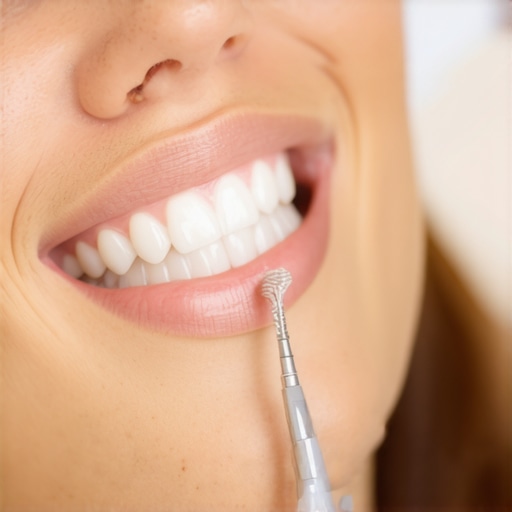
The Secret to Sustaining Your Smile
While achieving a beautiful smile with cosmetic dentistry or Invisalign is a significant milestone, maintaining those results over time requires the right tools and routines. Personally, I rely on high-quality equipment and software to stay on top of my oral health, ensuring my investments continue to pay off.
Invest in a Professional-Grade Water Flosser
One device I swear by is the Waterpik Ultra Water Flosser. Unlike traditional floss, it effectively removes plaque and debris from hard-to-reach areas, especially around brackets or veneers. I use it daily, particularly after meals, to prevent tartar buildup and gum irritation, which are common culprits that undermine cosmetic work. Its adjustable water pressure and targeted tips make it versatile for different needs, making it indispensable for long-term maintenance.
Utilize Dental Monitoring Apps
Another technology game-changer is Invisalign-specific apps that allow me to track progress and receive remote guidance from my orthodontist. These platforms enable quick check-ins, decreasing the need for frequent office visits and ensuring that my aligners stay effective longer. As telehealth advances, I foresee more patients adopting such tools to enhance their care and prevent issues before they escalate.
The Power of Routine Professional Cleanings
Beyond gadgets, nothing replaces regular visits to a skilled dentist. I schedule professional cleanings at least twice a year, which include deep cleaning procedures like scaling that remove tartar and plaque from below the gumline. This step is critical because it preserves both the health of my gums and the longevity of my cosmetic enhancements. Modern cleaning techniques have made this process more comfortable and effective, even for sensitive teeth.
Future Directions: Smart Dental Devices
Looking ahead, the trend points toward AI-powered oral health monitoring tools that can evaluate your brushing and flossing in real-time, providing instant feedback. Imagine a toothbrush that detects plaque buildup or gum inflammation and suggests adjustments—this technology is on the horizon. Incorporating such advances into our routine will make long-term results more achievable and less effortful.
How do I maintain my dental work without hassle?
To keep your smile in top shape, combine effective tools like water flossers, smart monitoring apps, and regular professional care. I encourage you to start with a high-quality water flosser tailored to your needs. Experiment, and see how it integrates into your routine. Over time, these small but consistent efforts significantly reduce the risk of common issues like staining, plaque accumulation, or misalignments, ensuring your investment remains worthwhile.
Remember, the key is consistency. Research suggests that routine maintenance can extend the lifespan of cosmetic treatments and prevent costly repairs (source). So, try implementing one advanced tip today—perhaps investing in a quality water flosser—and enjoy your bright, healthy smile for years to come.
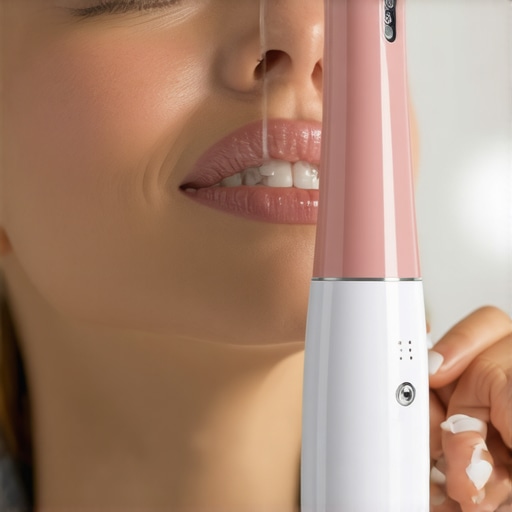
For a visual on effective tools, see how modern dental devices blend technology and convenience, making long-term care manageable and even enjoyable.
What I Wish I Knew About Speech Changes During Invisalign
One of the most unexpected lessons I learned was that developing a temporary lisp can be a sign of progress rather than a failure. Embracing this phase and practicing targeted speech exercises truly made a difference. I also realized that minor aligner adjustments and mindful tongue placement speed up recovery, saving me frustration. Lastly, being patient and consistent is key—my speech normalized faster than I anticipated, reminding me that patience often unlocks the best results in cosmetic dentistry.
Tools and Tips That Made a Difference for My Smile
My personal toolkit includes a high-quality water flosser, which keeps my gums healthy and my aligners comfortable, and dental monitoring apps that provide remote support from my dentist. Regular professional cleanings, coupled with advanced cleaning techniques, prevent issues before they arise. I trust these resources because they integrate seamlessly into my routine, offering both convenience and peace of mind in maintaining my cosmetic investments.
Your Smile’s Future Starts with Confidence and Care
Achieving a confident smile through cosmetic dentistry or Invisalign is just the beginning. The real magic happens when you commit to long-term maintenance with effective tools and consistent habits. Remember, your dedication today ensures your radiant smile stays healthy and beautiful for years to come. So, start embracing these habits now, and enjoy the journey to a lifetime of confidence.
What’s the biggest lesson you’ve learned from your dental or Invisalign experience? Share below—I’d love to hear your story!