
Have you ever sat in the dentist’s chair, only to realize that the new crown or bridge looks a tad off—like it doesn’t quite blend in with your natural teeth? That uncomfortable feeling of mismatched shading can be surprisingly common and often catches people off guard. I remember my first experience with a dental bridge; I was thrilled about finally replacing a broken tooth, but when I saw the color match, I felt a pang of disappointment. It made me wonder—how exactly do dentists ensure that artificial teeth match your real smile?
Why Color Matching Is More Than Just Picking a Shade
Most folks assume that matching a bridge to their teeth is a straightforward process—pick a color, and you’re done. But in reality, it involves a nuanced understanding of how natural teeth reflect light, age-related color changes, and subtle translucency. The goal isn’t just to pick the right shade but to envision how your new tooth will look over time, blending seamlessly with your existing smile.
Early on, I made the mistake of trusting the shade guide without considering how lighting conditions could affect my perception. I didn’t realize that natural sunlight reveals a different aspect of tooth color compared to artificial lighting in a clinic. This oversight can lead to mismatched results, which is why it’s essential to work with a dentist who understands these nuances. For more insights, I recommend reading about the latest advancements in cosmetic dentistry at cosmetic dentistry innovations.
Have you faced the frustration of a mismatched dental prosthetic?
If so, you’re not alone. Many people are unaware of how complex color matching truly is and how much it affects your confidence. Next, we’ll explore practical steps to ensure your bridge or crown matches your teeth perfectly, so you can smile without hesitation.
,
Start with a Clear Shade Selection Process
Begin by working in a neutral lighting environment—preferably natural sunlight—to evaluate your teeth color accurately, as artificial lights can distort perception. During my own experience, I once compared shades in a fluorescent-lit room and noticed a mismatch later under sunlight, emphasizing the importance of lighting conditions. Use a calibrated shade guide held at your cheek or lips to match your teeth, and ask your dentist to compare multiple shades to find the closest match.
Utilize Digital Shade-Matching Technology
Ask your dentist about advanced tools like spectrophotometers or digital shade-matching devices. These instruments analyze the color scientifically, eliminating subjective biases. I once accompanied a friend for her crown fitting and watched the technician scan her teeth, which resulted in a precise match that looked natural even under various lighting. Such technology enhances accuracy, ensuring your artificial tooth blends seamlessly.
Consider Translucency and Age-Related Changes
Natural teeth aren’t just about color; translucency plays a key role. Porcelain and composite materials can mimic this by varying their translucency levels. Additionally, teeth darken or yellow with age, so ask your dentist to consider your age and existing shade when selecting a match. Remember, a youthful white might not suit an older individual’s natural appearance, so a personalized approach yields better results.
Communicate Openly with Your Dentist
Bring photos of your smile in different lighting conditions and ask for their expert opinion. If you’re unsure, request a custom shade trial, where a temporary prosthetic or wax-up can be placed for you to evaluate in real-world lighting. I learned this firsthand when my dentist created a temporary crown, allowing me to assess its look in daylight, leading to final adjustments for a perfect match.
Request Patient-Visible Demonstrations
Ask your dentist to show you samples or photographs of previous cases similar to yours. Seeing their work builds confidence and helps you understand how the final result will appear. For example, reviewing images of crowns matched under different lights clarifies what to expect and minimizes surprises—especially important for visible front teeth.
Schedule Follow-Up and Adjustments
After the initial placement, assess the match in various settings. Don’t hesitate to return for minor adjustments if the shade appears off in certain lights. In my case, a quick follow-up corrected a slight yellow tint, resulting in a natural-looking smile. Remember, color matching is an iterative process, and patience ensures optimal results.
For additional insights into the misconceptions surrounding cosmetic treatments, visit cosmetic dentistry myths. Understanding the core steps today empowers you to communicate effectively with your dentist and achieve a smile that truly matches your personality and lifestyle.
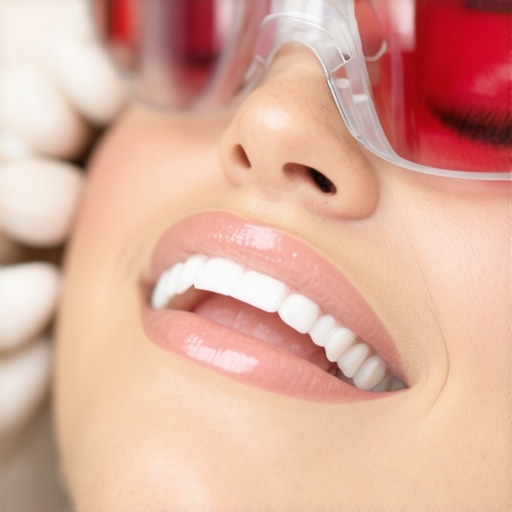 Many people believe that seeing a dentist is just about routine check-ups and quick cleaning sessions, but there’s much more nuance often overlooked. A common misconception is that all teeth cleaning methods are equally effective and gentle, yet traditional ultrasonic scalers can sometimes cause unnecessary sensitivity if not used properly. Modern technologies, such as air-powder polishing, can offer gentler, more effective cleanings, especially for sensitive patients. Dentists who understand these nuances can tailor treatments to individual needs, ensuring better long-term oral health.
Another widespread myth is that Invisalign aligners are just a cosmetic convenience. In reality, proper planning and understanding of bite dynamics are crucial for successful results. Misusing or neglecting certain aspects—like not wearing the aligners as prescribed—can lead to prolonged treatment time or orthodontic relapse. For instance, the misconception that you can skip wearing aligners occasionally is a trap that can undo months of progress. Advances in digital scanning and simulation have significantly improved Invisalign’s predictability, but only when patients follow through diligently.
Are there advanced mistakes even experienced patients make that could compromise their results?
Absolutely. One often-overlooked error is neglecting the importance of ancillary treatments, such as retention. After Invisalign or any cosmetic procedure, failure to wear retainers properly can result in teeth reverting to their original positions, undoing all that effort. According to dental research published in the Journal of Orthodontics, retention is where many patients falter, either by skipping wear or delaying its use. Additionally, many assume that whitening procedures are one-time fixes—forgetting that ongoing oral hygiene and avoiding stain-causing habits are essential to maintaining a luminous smile. Regular check-ups and proper home care are vital, and misunderstanding these aspects is a significant pitfall.
Furthermore, some patients have a mistaken belief that cosmetic dentistry is purely aesthetic, ignoring its functional benefits. For example, restoring chipped teeth with veneers not only enhances appearance but also protects against further damage and improves bite function. This dual benefit underscores that meticulous planning and understanding of the nuanced effects of cosmetic interventions are critical for truly satisfying results. For insights into common myths and how to avoid them, check out this comprehensive guide to cosmetic dentistry myths. If you’re considering treatments like veneers or whitening, it’s crucial to work with a dentist who appreciates the detailed nuances of these procedures for optimal outcomes.
Keep Your Smile Healthy with the Right Equipment
Maintaining the results of your cosmetic and restorative dental treatments requires more than just good habits; it demands the use of specialized tools and methods that ensure longevity and optimal health. As someone passionate about long-term oral wellness, I recommend investing in high-quality equipment that caters to your specific dental needs. For example, a -sonic toothbrush equipped with oscillation technology is far superior in plaque removal compared to traditional brushes. I personally use the Sonicare DiamondClean because it reaches deep between teeth and along the gumline, reducing the risk of gum disease and cavities over time.
Why a Water Flosser is Non-Negotiable
Traditional flossing can be tedious and difficult, especially for those with sensitive gums or braces. That’s why I advocate for the water flosser. My preferred model is the Waterpik Sonic-Fusion, which combines flossing and brushing in a single device, making daily routines more efficient. Scientific studies, like one published in the Journal of Clinical Dentistry, confirm that water flossers significantly reduce bleeding and inflammation in gums, making them ideal for long-term maintenance.
How Digital Tools Enhance Results
Beyond physical tools, digital software plays a pivotal role. I rely heavily on teeth alignment planning software when monitoring Invisalign progress. These programs allow precise tracking of movement and facilitate adjustments, ensuring your treatment stays on course. Future advancements suggest that AI-driven diagnostics could further personalize maintenance routines, predicting potential issues before they arise.
What About Routine Monitoring?
Smart sensors embedded in toothbrushes or flossers can now provide data to your dentist remotely, allowing proactive care. For instance, the SmartBrush 3000 sends usage analytics, helping your dentist tailor future cleanings or suggest specific at-home practices. Incorporating these tools ensures your maintenance isn’t just reactive but proactive, extending the lifespan of your dental work and natural teeth.
Preparing for the Future of Dental Care
As technology advances, I predict a shift towards fully integrated oral health systems that combine AI diagnostics, personalized treatment plans, and at-home monitoring devices. Staying updated with the latest innovations—like Invisalign advancements—will empower you to maintain your smile with greater confidence and less effort. My advice? Embrace these tools now, starting with a high-quality sonic toothbrush and intelligent flossers, to safeguard your investment for decades to come.
How do I maintain my dental equipment over time?
Proper cleaning and replacement are crucial to keep tools like sonic toothbrush heads and water flosser tips effective. Follow manufacturer instructions, replacing attachments every three to six months, and regularly disinfect devices to prevent bacterial buildup. This routine not only preserves the performance of your tools but also protects your oral health, making your maintenance regimen truly sustainable. Remember, technology is only as good as how well you care for it — so make these practices part of your daily routine, and you’ll enjoy enduring results.
Lessons that Changed My Approach to Cosmetic Dentistry
One of the most surprising lessons I learned is that color matching is as much an art as it is science. Relying solely on shade guides without considering lighting conditions and translucency led to mismatched restorations early in my career. Now, I always calibrate lights and consult digital tools—small changes that make a big difference.
I’ve also discovered that transparent communication with patients about realistic expectations reduces post-procedure surprises. Sharing before-and-after photos of similar cases helps set the stage for satisfaction and trust, fostering a collaborative treatment journey.
My Tried-and-True Resources for Dental Excellence
For staying on top of the latest cosmetic dentistry innovations, I trust the guidelines available in this comprehensive resource on cosmetic dentistry myths. It helps differentiate fact from fiction—a vital step for delivering genuine results.
When evaluating new materials or techniques, I often turn to the detailed reviews in this guide on Invisalign advancements. Staying informed ensures my patients get the most durable and natural-looking restorations possible.
To support long-term dental health, I recommend these maintenance strategies. They help preserve the beauty and function of cosmetic work, preventing premature wear or discoloration.
Embracing the Future for a Radiant Smile
Achieving seamless dental harmony isn’t static; it evolves with technology. I encourage fellow dentists and patients alike to adopt emerging tools—like AI-powered shade matching and smart hygiene devices—that enhance precision and convenience. The journey toward a perfect smile is ongoing, and staying proactive makes all the difference.
Share Your Experience
Have you encountered challenges in matching dental restorations with natural teeth? Or perhaps you’ve discovered a resource that transformed your approach? I’d love to hear your insights—leave a comment below and let’s inspire each other to elevate our smiles!