
I sat at my kitchen table at 2:00 AM, staring at a bottle of water and wondering if I was losing my mind. My back molar was throbbing with a persistent, dull ache that wouldn’t quit. The catch? That tooth was removed nearly a month ago. I even checked the gap with my tongue—yep, still empty. It turns out, I was experiencing the ‘phantom pain’ of dental work, and let me tell you, it is one of the most frustrating things you can deal with when you’re just trying to get your life back to normal. Today, we are going to dive into why this happens and how you can actually get some relief without feeling like you’re chasing ghosts.
Your Nerves Are Still Sending Messages to an Empty House
When you finally decide to have a tooth pulled, you expect the pain to leave the building with the tooth. But your nervous system is a bit like an old radio that stays tuned to a dead station. I made the massive mistake of thinking that if I just ignored it, the ‘ghost’ would go away. Instead, I spent weeks in a state of high-alert, which only made the sensitivity worse. If you have ever dealt with how to handle a sudden sharp pain when you bite down, you know that dental discomfort can consume your entire day. Phantom pain is no different, except the source is invisible. [IMAGE_PLACEHOLDER]
Is this actually a real thing or am I just losing it?
It is absolutely not ‘just in your head.’ While it feels like the tooth is the problem, the issue is actually residing in the nerve pathways of your jaw and brain. Interestingly, research published by the American Association of Endodontists suggests that persistent post-operative pain occurs in about 3% to 5% of patients. It is a neurological misfire. This is why choosing the right dentist is so vital; you need someone who understands that healing doesn’t always end when the stitches come out. We need to focus on calming the system down. Even simple things like understanding how regular teeth cleaning can prevent major dental issues in the surrounding area can help reduce the overall inflammation that feeds this ghost pain. Have you ever felt a throb in a tooth that was long gone? You aren’t alone, and you aren’t crazy. Let’s look at what we can do to stop the cycle.
Retrain Your Brain to Ignore the Empty Space
Dealing with phantom pain is less about fixing a hole and more about calming a neurological storm. I started by using gentle pressure on the gums where the tooth used to be. It sounds counterintuitive—why touch the part that hurts? But by providing a different, controlled sensation, you are basically telling your brain, ‘Hey, look over here, the threat is gone.’ I used a very soft, clean finger to massage the area twice a day. At first, it sent a weird zap through my jaw, but after three days, that dull throb finally started to recede. This is exactly why modern teeth cleaning innovations that reduce sensitivity and boost results are so game-changing; they focus on the nerve response as much as the plaque.
Clean Your Mouth Without Lighting a Fire
When the site is sensitive, you might be tempted to skip brushing nearby. Do not make that mistake. Bacteria buildup causes localized inflammation, and inflammation is like pouring gasoline on phantom pain. I made the mistake of avoiding the entire left side of my mouth for a week after my extraction. When I finally went back in, the gums were puffy and the ‘ghost’ ache had doubled in intensity. You must stay consistent with maintaining your teeth cleaning routine for long term health even when it feels a bit tender. I switched to lukewarm water because cold was an absolute trigger for those misfiring nerves. If you are struggling with this, looking into teeth cleaning for sensitive teeth what works best in 2025 can give you specific tools like high-nitrate toothpastes that act as a shield for those firing nerves. 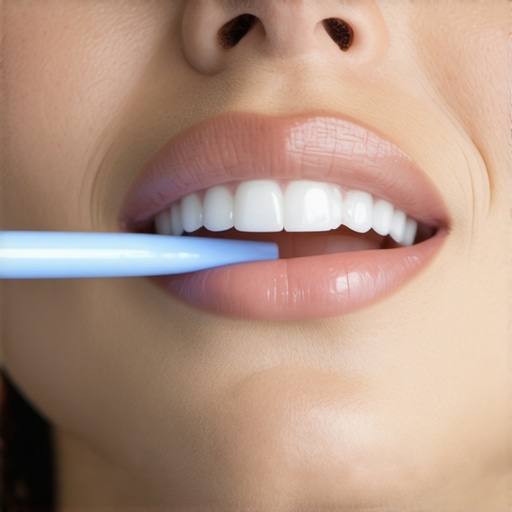
Desensitize the Area One Step at a Time
If the pain persists, it might be because your jaw is physically stressed from the procedure. Sometimes why your jaw feels tired after a long dental cleaning or extraction is due to the muscles clenching in anticipation of pain. I found that applying a warm compress to the outside of my cheek for ten minutes before bed helped relax the masseter muscle. This took the physical ‘squeeze’ off the nerves that were already overreacting. I also had to check if I was grinding my teeth at night, which is a common reaction to dental trauma. If you have ever wondered about cosmetic dentistry myths debunked what you really need to know, one big one is that procedures only affect the surface; the reality is that your whole bite can shift slightly after an extraction, and your brain needs time to recalibrate that new oral map.
Stop the Cycle of Guarding Your Jaw
If the ache turns into a sharp, localized throb, or if you see visible redness, the ‘ghost’ might actually be a very real infection. But for that lingering, annoying phantom sensation, the goal is desensitization. I reached a point where I was so focused on the pain that I stopped talking properly to avoid moving my jaw. This ‘guarding’ behavior actually restricts blood flow. Once I forced myself to speak more and chew carefully on the opposite side, the blood flow improved and the nerves finally settled down. It is about movement and circulation, not just sitting in a dark room waiting for the clock to run out.A common misconception I hear all the time is that cosmetic dentistry is just about the ‘Hollywood’ look. Everyone says it is pure vanity, but in my experience, aligning your teeth is actually a survival tactic for your nervous system. When your teeth are out of alignment, your jaw muscles overwork to compensate, which can lead to chronic fatigue and even mimic that phantom pain I mentioned earlier. This is why the secret to a Hollywood smile cosmetic dentistry insights often includes a deep dive into functional bite mechanics. If you skip the alignment phase, you’re essentially leaving your nerves in a state of permanent confusion. There is a specific ‘oops’ factor to watch out for: the belief that once you have clear aligners or a bridge, the work is over. I’ve seen so many people get frustrated because why your teeth feel loose during the second month of invisalign makes them think something is wrong. In reality, that looseness is necessary for remodeling the bone. According to a study in the Journal of Oral Rehabilitation, the way your teeth meet—your occlusion—is directly linked to how your brain processes pain signals in the face. If you stop the process early because it feels ‘weird,’ you’re likely setting yourself up for long-term TMJ issues. 
Why does your bite feel ‘off’ only at certain times of the day?
You might notice that your jaw feels fine in the morning but begins to throb by 5:00 PM. This isn’t usually the tooth’s fault; it’s often ‘muscle guarding.’ When you are stressed, you clench, and that clenching reignites the ghost of the tooth you lost. This is why cosmetic dentistry myths debunked what you really need to know frequently covers the link between stress and perceived dental pain. If you’ve been wondering why your invisalign aligners feel tight every monday morning, it’s likely because you spent the weekend grinding your teeth without realizing it. I almost quit my treatment halfway through because I was convinced my jaw was permanently damaged. The trap is thinking the dentist can ‘fix’ everything without you changing your habits. You have to be proactive about your recovery and work on maintaining your teeth cleaning routine for long term health even when the bite feels unfamiliar. Have you ever fallen into this trap where you thought a procedure would be a magic bullet, only to find out you had more work to do? Let me know in the comments below.I used to think a standard toothbrush and a bit of floss were enough until I realized I was just moving biofilm around rather than actually removing it. Now, I swear by a high-frequency ultrasonic cleaner for my aligners and night guards. If you have ever noticed your trays getting that weird, opaque fog, you need one of these devices. It uses sound waves to create cavitation bubbles that literally blast bacteria out of the microscopic pores of the plastic. This is an essential part of invisalign maintenance expert tips for clear confident smiles because once those trays get cloudy, they become a magnet for plaque and bad odors. When it comes to my daily scrub, I transitioned to a pressure-sensing electric toothbrush. I used to be a ‘scrubber’—applying way too much force and accidentally receding my gums. Now, the brush lights up red if I press too hard, saving me from future gum grafts. Some people find the sensation jarring, and I’ve even explored why your jaw feels like it is vibrating when you use an electric toothbrush, but the plaque removal efficiency is unmatched. You are not just cleaning teeth; you are preserving the bone and tissue that hold everything together. 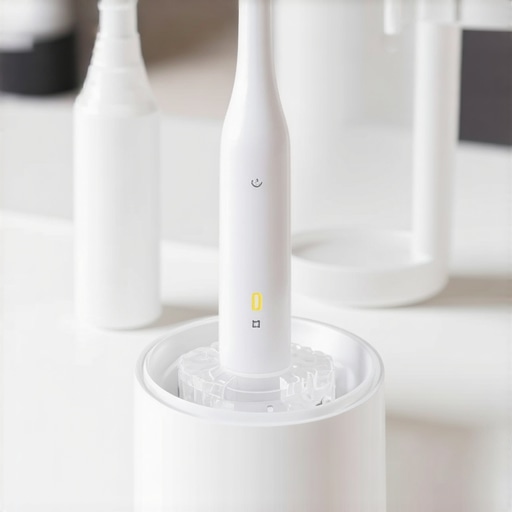
How do I maintain my cosmetic results over time?
Consistency is the only ‘secret’ that actually works. I follow the 2-2-2 rule: brush twice a day, for two minutes, and visit the pro for a deep clean twice a year. Even the best dental work has a shelf life if you ignore the biological foundation. I also use a pH-balancing mouth rinse. Most people don’t realize that the acidity in coffee and sparkling water softens enamel, making it easier to stain or chip. By neutralizing that acid, you protect your investment. This is why modern teeth cleaning innovations that reduce sensitivity and boost results are so vital; they allow you to keep up with maintenance without the dread of pain. If you find your equipment is getting gross, learning how to clean the stubborn cloudiness off your night guard can save you hundreds of dollars in replacement costs. According to Dr. Gordon Christensen, a leading authority in clinical dentistry and founder of the Clinicians Report, the success of any restorative work is 20% the dentist’s skill and 80% the patient’s home care habits. Looking ahead, the future of your mouth is digital. In the next few years, I expect home-based AI diagnostic tools to become the norm. We are already seeing invisalign innovations why 2025 is the year for a perfect smile moving toward apps that scan your teeth via smartphone to tell you exactly when to switch trays based on actual tooth movement rather than a generic schedule. This level of precision ensures that your teeth are never moved too fast, reducing the risk of root resorption. If you want to level up your routine right now, I highly recommend switching to a high-nitrate toothpaste for one week to see how it affects your sensitivity; you might be surprised at how much ‘phantom’ discomfort disappears when the nerves are finally shielded. It’s time to stop guessing and start using the tools that actually protect your smile for the long haul.
The Nerve Realities That Caught Me Off Guard
Moving past dental trauma taught me that the brain is a stubborn archivist; it remembers pain even when the physical source is gone. One major lightbulb moment was realizing that ‘phantom pain’ is actually a communication error between my jaw and my nervous system, not a sign that the surgery failed. I also learned that consistency is more important than intensity; trying to ‘scrub away’ the discomfort only leads to more inflammation. Perhaps the most vital lesson was that my bite alignment played a massive role in how my nerves settled. If you are still debating which path to take for your own alignment, weighing invisalign vs traditional braces which is smarter for your lifestyle is the first step toward a stable, pain-free bite. You have to treat your mouth as a complete system, not just a collection of individual teeth. Always look for a partner in this journey by finding a dentist who gets your smile tips from top cosmetic pros who understand the neurological side of recovery.
My Toolkit for Staying Pain-Free Long After the Chair
To keep my nerves calm and my results pristine, I rely on a few non-negotiable items. First is a high-quality pressure-sensing toothbrush to ensure I never trigger my gums into an inflammatory response. Second, I keep a supply of high-nitrate toothpaste for those days when the ‘ghost’ sensitivity flares up due to weather or stress. If you notice discomfort in weird scenarios, like the reason your teeth hurt when you breathe through your mouth, don’t panic—it is often just localized sensitivity that these specialized pastes can shield. Finally, I am hyper-vigilant about my gum health; when in doubt about a new mark or sensation, knowing how to tell if that white spot on your gum is a canker sore or an infection can save you a lot of middle-of-the-night anxiety. These tools aren’t just about hygiene; they are about maintaining the peace in your mouth.
Step Into Your Most Confident Smile Yet
Healing from a dental procedure is rarely a straight line, but it is a journey worth taking. Whether you are dealing with a lingering ache or just trying to navigate the complexities of modern alignment, remember that you are the primary advocate for your own oral health. By combining the right technology with a little bit of patience, you can finally put the ‘ghost’ of past dental issues to rest for good. Don’t let the fear of a little temporary sensitivity keep you from the health and confidence you deserve. Have you ever experienced a strange sensation in your mouth that turned out to be totally different from what you expected? Let me know in the comments below!