
I remember one specific Monday morning clearly. I’d spent the weekend enjoying a long, lazy series of meals with friends, and when I finally went to snap my trays back in before work, my jaw felt like it was being squeezed by a tiny, invisible vice. It wasn’t just a little snug; it was that ‘did my teeth move overnight?’ kind of tight. If you’ve ever felt like your mouth is revolting against you after a weekend of freedom, trust me, you aren’t alone. It’s a common hurdle when you’re trying to enhance your look through modern aligner technology. Today, we’re going to figure out exactly why this happens and how you can stop the Monday morning struggle once and for all.
That Familiar Monday Morning Squeeze
My biggest mistake early in my journey was thinking ‘close enough’ was good enough. I’d leave my trays out for a three-hour dinner, thinking those extra few hours wouldn’t matter. But here’s the reality: your teeth are surprisingly stubborn. According to the American Association of Orthodontists, teeth begin to shift back toward their original positions almost as soon as pressure is removed. When we slack off on Saturday and Sunday, we’re essentially undoing the hard work we did all week. This is why invisalign maintenance isn’t just about cleaning; it’s about consistency. If you’ve been wondering why your invisalign trays feel tighter on some days than others, the weekend is usually the culprit. [image placeholder]
Is this 22-hour rule actually worth the hype?
You might be skeptical. Can two hours here and there really make a difference? I used to think the ’22-hour rule’ was just a dentist’s way of being bossy. It turns out, those hours are the thin line between a smooth transition and intense pressure during the first day of a new tray. When you compare invisalign vs traditional braces, the freedom to remove them is a double-edged sword. That freedom is great for eating, but it’s also the reason your Monday morning feels like a dental workout. Have you ever felt like your trays were suddenly three sizes too small after a Sunday brunch? Tell me in the comments, because I’ve definitely been there. Learning how to get your clear aligners back in after a long dinner without wincing is a skill every aligner veteran has to master. Let’s look at why this shift happens so fast and how to stay on track.
Reclaim Your Smile Progress After the Weekend Slump
Think of your teeth like a memory foam mattress. If you stay off it for a while, it tries to spring back to its original shape. Your jaw is the same; it wants to go home to its old, crooked neighborhood. To stop this, you need a “reset” protocol that prioritizes consistent pressure over occasional effort.
Stop Treating the 22-Hour Rule Like a Suggestion
When I first started my journey, I used a literal stopwatch on my phone. Every time the trays came out for a snack or a coffee, I hit ‘start.’ Seeing that timer tick toward 120 minutes made me realize how much time I was losing to mindless grazing. This level of discipline is the core of choosing the best invisalign options for your lifestyle—you have to fit your life into the aligners, not the other way around. If you leave them out for four hours during a Sunday football game, you aren’t just losing four hours; you are often losing a full day of movement.
How to Seat Your Trays Properly Every Time
If you find your invisalign trays keep popping off your back teeth, you likely aren’t seating them fully. I remember one Friday night after a massive steak dinner where I tried to shove my trays back in while walking to the car. Big mistake. They weren’t clicked in, and by Saturday morning, the pain was unbearable because the aligner was pushing against the wrong part of the tooth. Now, I use aligner ‘chewies’—small silicone cylinders—to bite down and ensure the trays are fully engaged. This mechanical pressure is what signals your bone to remodel effectively. Without it, the tray is just a piece of plastic sitting loosely in your mouth. 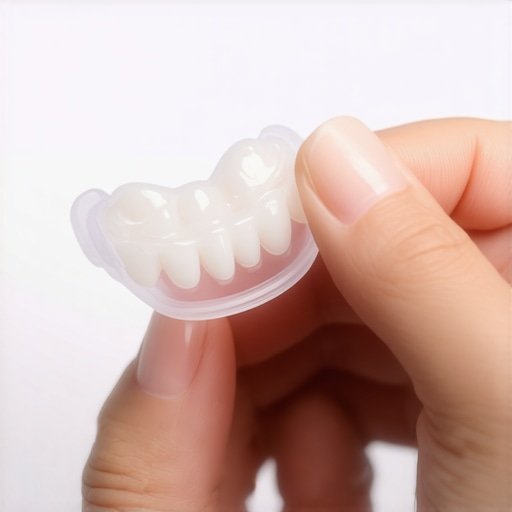
Keep Things Clean to Avoid That Sticky Feeling
Consistency isn’t just about wear time; it’s about the environment in your mouth. I used to wonder why your teeth feel sticky only a few hours after brushing, especially while wearing aligners. Biofilm builds up much faster under plastic. If you aren’t practicing rigorous invisalign maintenance, that film acts like a lubricant, making it easier for teeth to slip back toward their old positions. Always brush before reinserting. If you’re out and can’t brush, at least rinse vigorously with water. It sounds simple, but maintaining a clean surface ensures the aligner ‘grips’ the tooth perfectly, which is one of the most overlooked teeth cleaning secrets that actually impact your orthodontic progress.
The Secret to Surviving New Tray Pressure
When Monday hits and you move to a new set, the shift can be jarring. To manage the intense pressure during the first day, always switch to new trays at night. This gives your teeth eight hours of uninterrupted movement while you sleep, which significantly reduces the daytime ‘ache’ that makes people want to keep their trays out. I once swapped a tray at 10 AM before a client meeting, and I spent the whole hour focused on my throbbing molars instead of the presentation. Switching at bedtime allows your jaw to settle into the new position without the constant interruption of talking or eating.Most patients believe the 22-hour rule is a magic number—hit the time, get the result. But the contrarian reality is that wear time is actually secondary to biological receptivity. You could wear your trays for 23.5 hours a day, but if your periodontal ligaments are stressed or if you have underlying inflammation, your teeth simply won’t budge. This is why cosmetic dentistry myths debunked by specialists often focus on oral health over hardware. A study in the American Journal of Orthodontics and Dentofacial Orthopedics notes that the rate of bone remodeling is finite; pushing beyond your body’s biological speed limit with excessive pressure doesn’t speed up results—it just causes root resorption. If you want to truly enhance your look, you have to respect the biology.
Does Micro-Inflammation Actually Stall Your Aligner Progress?
This is a question I get from those who are meticulous about their routine but still see lagging teeth. The answer lies in the microscopic environment of your mouth. When you skip teeth cleaning secrets like flossing every single time you eat, you allow biofilm to build up. This isn’t just about avoiding cavities. Chronic, low-level gum inflammation creates a chemical environment that can actually interfere with the signaling molecules responsible for bone movement. You’re essentially trying to drive a car with the parking brake on. If your gums are puffy, your teeth won’t move as efficiently, regardless of how many hours the trays are in. 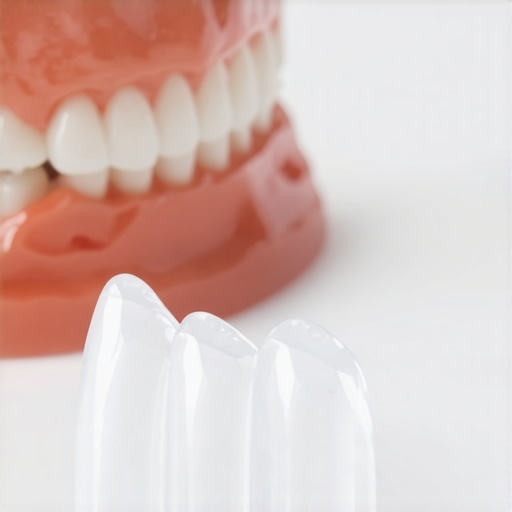 One major oops factor that people rarely see coming is the temptation to DIY their maintenance when things feel slightly off. I’ve heard of people using household tools to fix a fit issue or clear a blockage, but you must understand the hidden danger of using a safety pin to remove food from your gums or trays. Those tiny scratches become breeding grounds for bacteria, which only increases the inflammation that stalls your progress. If you notice black triangles appearing as your teeth move, don’t panic. Many assume this is a failure of the treatment, but it’s often just the natural shape of your teeth being revealed as they straighten. We have modern ways regarding how we fix black triangles between your teeth without bulky crowns, ensuring the final look is seamless. The key is choosing the right dentist who understands these biological nuances before you even start. Have you ever fallen into this trap of focusing strictly on the hours while ignoring the health of your gums? Let me know in the comments.Once you move past the initial shock of wearing plastic in your mouth, you enter what I call the ‘Gear’ phase. This is where you stop just surviving and start optimizing. I spent way too much time early on scrubbing my trays with a toothbrush, only to realize I was creating micro-scratches that actually trapped more bacteria. If you want to keep your smile clear, you need to look into modern teeth cleaning innovations that reduce sensitivity and boost results. Specifically, I recommend an ultrasonic cleaner. I use mine every single morning while I drink my coffee. You just drop the trays in with a cleaning tablet, and high-frequency sound waves shake off the biofilm that your brush can’t reach. It’s the difference between a tray that stays clear and one that looks like a yellowed piece of vintage Tupperware by day seven.
The Gear You Need to Stop Guessing Your Wear Time
I’m a data nerd, so I started using a dedicated tracking app to log every minute my trays were out. According to a technical report by Dr. Sandra Tai in the ‘Clear Aligner Technique’ textbook, consistent seating is more critical for tooth ‘tracking’ than the total number of days worn. If the tray isn’t seated, the tooth isn’t moving. Using a tool like TrayMinder helped me realize that my ‘quick’ lunch breaks were actually 90 minutes long. Seeing the visual data forced me to tighten up my routine. When you’re following the ultimate guide to invisalign for adults in 2025, these small digital habits are what separate the success stories from the people who need six months of refinements. 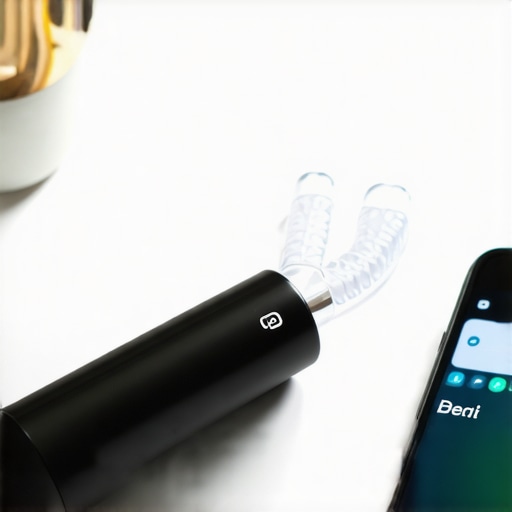
How do I maintain my Invisalign results over time?
Long-term success isn’t just about finishing your last tray; it’s about the transition to retention. I’ve seen so many people go through the effort of choosing the best dentist for their invisalign transformation only to stop wearing their retainers six months later. My secret? Treat your retainer like your favorite skincare routine—it’s non-negotiable. I personally use a Vivera retainer because it’s thicker and more durable. To keep the underlying health of my teeth in check, I focus on maintaining your teeth cleaning routine for long-term health even after the movement stops. Looking ahead, I predict we’ll soon see AI-powered home scanners that plug into your phone, allowing your dentist to check your progress weekly without you ever leaving your couch. This is already starting with invisalign innovations why 2025 is the year for a perfect smile, making professional oversight more accessible than ever. If you’re currently in the thick of it, I challenge you to try using ‘chewies’ for five minutes every night before bed this week. You’ll be amazed at how much better those trays seat by morning.
The Brutal Truth About the Monday Squeeze
I used to think my aligners were faulty because of that Monday morning tightness, but the real wisdom lies in realizing that consistency is a biological requirement, not a lifestyle choice. Here is what I wish someone had told me on day one:
- If your trays feel ‘bouncy’ on your back teeth, don’t just wait for it to fix itself. This is a sign of poor tracking that leads to longer treatment times. Check out the honest reason your invisalign trays keep popping off your back teeth to troubleshoot this immediately.
- Your gum health dictates the speed of your tooth movement. If you’re skipping flossing, you’re literally slowing down your results. Learning teeth cleaning secrets is just as important as wearing the plastic.
- The ‘Sunday lag’ is real. Even if you hit 20 hours, those four hours of freedom can cause a micro-relapse. When you get your clear aligners back in after a long dinner, you are fighting for progress you’ve already earned.
[image placeholder]
The Essentials in My Dental Survival Kit
To stop the guesswork, I relied on a few key resources that transformed my experience from a chore into a routine:
Ultrasonic Cleaners: Manual scrubbing is the old way. To avoid cloudy, smelly trays, I switched to high-frequency cleaning. You can see more on modern teeth cleaning innovations that reduce sensitivity and boost results to keep your gear in top shape.
Professional Guidance: No app can replace a pro. When I had concerns about my tooth shape, I found that choosing the right dentist made all the difference in catching minor issues before they required extra months of refinement.
Treatment Tracking Apps: Use a dedicated app like TrayMinder. It keeps you honest about the 22-hour rule and helps you stay on track for invisalign success stories that actually finish on time.
Trust the Process for Your Best Smile Yet
Your journey to enhance your look is a marathon, not a sprint. Those Monday morning aches are just reminders that your body is changing and your teeth are responding. Stay patient, stay clean, and keep those trays in. You are much closer to that Hollywood smile than you think, especially with invisalign innovations why 2025 is the year for a perfect smile making things easier than ever.
Have you ever found yourself dreading putting your trays back in after a long weekend event? Let me know your best tips for staying disciplined below!