
I remember the exact moment I realized my daughter’s “soothing” habit was turning into a $5,000 problem. She was curled up on the sofa, thumb firmly planted, and as she laughed at a cartoon, I saw it—a distinct, semi-circular gap between her top and bottom teeth. It wasn’t just a cute phase anymore; it was an open bite in the making. I’d spent months telling myself she’d grow out of it, but that afternoon at the dentist, reality hit hard. I felt like I’d failed a basic parenting test. It’s a visceral realization that your child’s comfort is physically reshaping their face.
Your Child’s Thumb Might Be Redesigning Their Jaw Right Now
If you’ve ever watched your little one sleep with their thumb tucked away and felt a mix of “thank god they’re quiet” and “oh no, her teeth,” you are not alone. I’ve been there, and I’ve made every mistake in the book. Early on, I tried the aggressive “just take it out” approach, which only led to more anxiety and more sucking. It turns out, forcing the issue often backfires. My biggest mistake was waiting until I saw physical changes in her jaw before taking it seriously. We often focus on whether a toddler’s tooth gap is normal (see how to tell here), but the pressure from a thumb can actually tilt the bone itself.
Today, we are going to fix this. I’m going to walk you through the strategies that actually worked for us—no shaming, no bitter polishes that don’t work, and no midnight battles. We’re aiming to protect that bite so you don’t end up looking into Invisalign options for the future much sooner than expected. It is about more than just aesthetics; it is about function. Let’s get ahead of the curve.
Does this habit actually require a professional intervention right now?
It’s the question that keeps us up at night: “Is this just a phase?” According to the American Academy of Pediatrics (AAP), while most children naturally stop between ages two and four, prolonged sucking after permanent teeth start arriving can lead to significant dental misalignment. You might be skeptical that a little thumb-sucking can do much damage, but the constant pressure against the roof of the mouth is incredibly powerful. It’s essentially a slow-motion orthodontic treatment in the wrong direction. Have you noticed your child’s front teeth starting to tilt forward, or are you still in the “maybe they’ll stop tomorrow” phase? I’d love to hear if you’re dealing with a stubborn thumb-sucker right now.
Ensuring your child maintains a healthy bite early on is just as crucial as how regular teeth cleaning can prevent major dental issues later in life. If we don’t address the root cause now, we’re just setting them up for complex corrections down the road. Let’s dive into the first step: identifying the “why” behind the habit so we can stop it for good.
Stop the habit before it changes their smile forever
Breaking a thumb-sucking habit isn’t about willpower; it’s about replacement. Think of your child’s jaw like a piece of soft clay. Constant pressure from a thumb is the potter’s hand, slowly but surely molding the palate into a high, narrow arch. If we don’t intervene, we’re essentially allowing a manual ‘orthodontic’ force to push those front teeth outward. I remember sitting in the car during a three-hour road trip to my sister’s house. I looked in the rearview mirror and realized my daughter had her thumb in her mouth for nearly the entire journey. She wasn’t tired; she was just bored. That was my ‘aha’ moment: the thumb wasn’t a sleep aid, it was a boredom buster. Once I identified that, I could swap the thumb for a fidget toy or a coloring book, which was far more effective than just yelling ‘take that out!’
Spot the emotional triggers first
Before you buy any special bitter polishes or thumb guards, you need to become a detective. Watch for the ‘pre-thumb’ signals. Is it only when they are watching television? Or perhaps when they are feeling insecure in a new environment? Much like how we might need special care for sensitive teeth, a child’s mouth needs a specific kind of attention during these transitions. If you notice the habit happens mostly at night, you might be dealing with a subconscious reflex that requires a different strategy than a daytime boredom habit.
#IMAGE_PLACE_HOLDER_B#
Swap the thumb for a healthier comfort tool
Direct redirection is your best friend. In our house, we called it the ‘Keep Hands Busy’ rule. When I saw the thumb drifting toward her mouth, I’d immediately hand her a cold water bottle or a textured toy. This isn’t just about distraction; it’s about changing the sensory input. It’s similar to how we use modern teeth cleaning innovations to make a potentially uncomfortable experience much more manageable. If the mouth is busy or the hands are occupied, the urge to suck diminishes. We even found that teaching her how to stop biting the toothbrush during our morning routine helped her become more aware of what her mouth and teeth were doing throughout the day.
Why your dentist needs to be on the team
You shouldn’t carry this burden alone. A pediatric dentist can explain the physical consequences to your child in a way that doesn’t sound like ‘mom is nagging again.’ They can show them how their teeth are moving, almost like a preview of why someone might need Invisalign in the future. Sometimes, hearing it from a professional in a white coat makes the ‘why’ click. During one visit, our dentist used a digital scan—the same kind used to catch cavities that x-rays might miss—to show her exactly how her palate was narrowing. That visual was a game-changer for her. It turned a nebulous ‘bad habit’ into a concrete dental health goal.
Create a visual progress chart that rewards effort
We started a ‘Big Kid Smile’ chart on the fridge. Every morning she woke up without having sucked her thumb, she got a gold star. Five stars earned a trip to the park. This positive reinforcement shifts the focus from ‘stopping a bad thing’ to ‘achieving a good thing.’ It’s about building long-term habits, much like maintaining a teeth cleaning routine for long-term health. We weren’t just fixing her bite; we were teaching her how to take ownership of her own body and health. When she finally went a whole week without the thumb, the pride on her face was worth more than any dental bill I’ll ever save on.
Many parents are told to ‘just wait until the baby teeth fall out,’ but that is perhaps the most expensive advice you’ll ever follow. The common belief is that baby teeth are just placeholders, but the reality is they act as a guide for the entire skeletal structure of the face. If the ‘clay’ of the jaw is hardened into a narrow V-shape by age six, you aren’t just looking at crooked teeth; you’re looking at a restricted airway and potential speech impediments. According to a study in the Journal of the American Dental Association (JADA), the specific pressure exerted during sucking can trigger cellular remodeling in the alveolar bone, meaning the structural damage is happening at a microscopic level long before you see a visible gap. 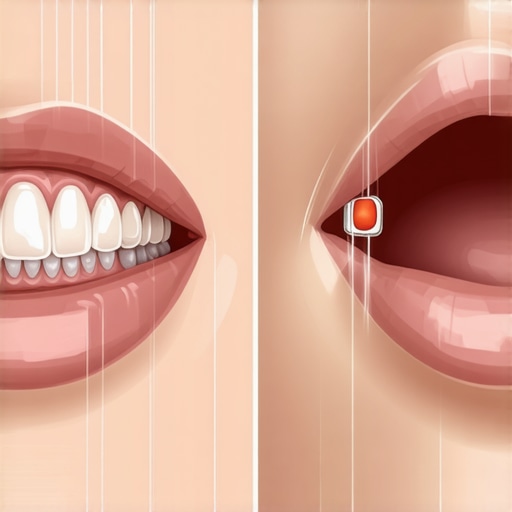
Your childs baby teeth arent just placeholders
The ‘Oops’ factor often comes when parents notice discoloration or plaque buildup around the shifted teeth. In a panic, they might reach for kitchen remedies. I’ve seen parents fall for the truth about using baking soda to scrub away surface stains, which actually strips the thin enamel of a child’s tooth, making the underlying yellow dentin even more visible. It’s one of those teeth cleaning myths debunked by top dentists that actually makes the problem worse. You can’t scrub a bone-alignment issue away with grit. When we look at more advanced corrections, like how we match the texture of a crown to your existing teeth, it’s clear that professional precision beats any DIY hack every time.
Does the intensity of the suck matter more than the duration?
This is the nuance most people miss. A child who passively rests their thumb in their mouth is at much lower risk than the ‘active’ sucker who creates a vacuum. This intense pressure is often the reason your smile looks slanted in selfies later in life, as one side of the jaw may develop differently than the other. If you’ve ever noticed your child’s thumb looks calloused or ‘pruned’ after a session, that’s a sign of high-intensity suction that needs immediate attention. We often assume a quick professional touch-up will fix everything, but cosmetic dentistry myths debunked show us that veneers or bonding are just masks; they don’t fix the underlying bite. While many assume that a routine cleaning is just for aesthetics, it serves as a critical diagnostic session. When you notice that feeling of why your teeth feel like polished glass after a professional prophy cleaning, it’s not just a sign of a job well done. It’s the moment your dentist can accurately map the wear patterns on your enamel. For a child who has sucked their thumb for years, these wear patterns are often asymmetrical. If we don’t identify these early, we’re forced to play catch-up with more invasive procedures. Have you ever fallen into the trap of thinking a habit was ‘harmless’ because the teeth looked straight at first glance? Let me know in the comments.
Once the habit is officially broken, you enter the most critical phase: structural maintenance. I found that a medical-grade plastic guard, specifically the TGuard, was far superior to any fabric sleeve. The reason is technical—fabric can still allow a vacuum to form, whereas the ventilated plastic breaks the suction immediately. If there is no suction, there is no ‘reward’ for the child. This phase is less about discipline and more about physical environment management. It is very similar to how we approach maintaining your teeth cleaning routine for long-term health; you need the right equipment to ensure the work you’ve put in doesn’t vanish overnight. If we don’t solidify the new habit, the tongue naturally seeks that old ‘thumb space,’ which can continue to push teeth outward even after the thumb is gone. I also recommend looking into myofunctional therapy. According to the International Association of Orofacial Myofunctional Therapy (IAOM), retraining the orofacial muscles is often the ‘missing link’ in preventing orthodontic relapse. If the tongue isn’t resting on the palate, the jaw can still narrow over time, potentially leading you back to researching Invisalign options for the future.
How do I maintain my child’s dental alignment over time?
Consistency is your only real defense. We integrated a ‘lip seal’ exercise into our nightly routine, which sounds fancy but really just means making sure she can comfortably keep her mouth closed while breathing through her nose. This keeps the facial muscles toned and the jaw in a neutral position. During this time, you have to be vigilant about hygiene. If the teeth are shifting back into place, they might create temporary tight spots where plaque can hide. You might even find yourself needing teeth cleaning for sensitive teeth what works best in 2025 if the movement causes minor gum irritation. I also suggest parents learn how to tell if your child is actually brushing or just wetting the bristles, because structural health and surface hygiene must go hand-in-hand to avoid permanent staining during this transition. 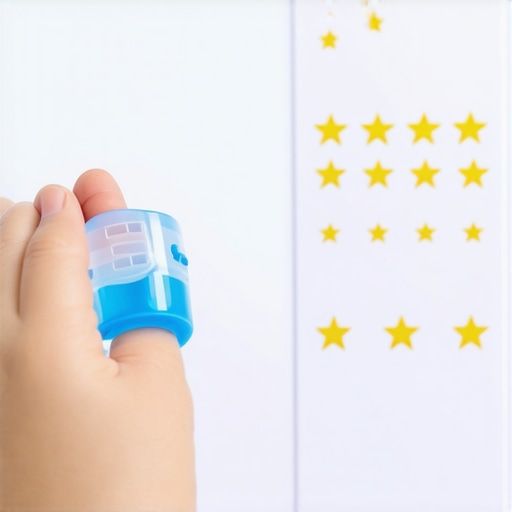 Looking toward the future, I predict we will see a massive shift toward AI-driven remote monitoring for pediatric dental habits. Companies like DentalMonitoring are already pioneering smartphone-based tracking that can alert a parent the moment a bite starts to shift, long before it’s visible to the naked eye. This kind of modern teeth cleaning innovations that reduce sensitivity and boost results will eventually extend into ‘smart’ retainers that track wear time and pressure. Until that technology is in every home, my best advanced tip for you is the ‘Weekly Mirror Metric.’ Every Sunday, have your child bite down and say ‘Cheese.’ Take a photo from the same angle. When you scroll through them at the end of the month, any subtle shift in the bite will be glaringly obvious. Try the Mirror Metric this Sunday—it is the fastest way to catch a relapse before it becomes a bill. We aren’t just saving their smile; we are protecting their confidence for the next twenty years.
The Hard-Won Lessons I Learned While Saving My Daughter’s Bite
Reflecting on our journey, I realized that the thumb wasn’t the enemy; it was just a symptom of a deep-seated need for comfort. One of my biggest lightbulb moments was discovering that nighttime sucking is often a purely mechanical reflex, which is why physical barriers like guards work much more effectively than psychological ones once the lights go out. I also learned that you cannot rush the physiological timeline; pushing too hard can cause enough stress that they seek the thumb even more as a refuge. Lastly, don’t ignore the subtle signs of jaw shifting; whether a toddler’s tooth gap is normal or not depends heavily on the pressure they apply daily. If you wait until the permanent teeth are fully in, you are already behind the curve.
The Only Tools You Actually Need for a Thumb-Free Household
You don’t need a drawer full of gadgets to succeed, but you do need the right ones. First, a ventilated plastic guard is essential because it breaks the suction without causing discomfort. Second, I recommend investigating myofunctional therapy resources to ensure their tongue stays in the correct resting position once the thumb is gone. Third, keep a close eye on their daily hygiene; knowing how to tell if your child is actually brushing or just wetting the bristles is vital when their mouth is going through these structural changes. Finally, stay in constant contact with your pediatric dentist. They can utilize modern teeth cleaning innovations that reduce sensitivity and boost results to keep your child’s mouth healthy and pain-free during the transition.
#IMAGE_PLACEHOLDER_E#
Invest in Your Child’s Future Confidence Today
It might feel like a small battle today, but stopping this habit now is the ultimate gift for your child’s future health. By taking these steps, you are actively preventing the need for complex and costly corrections like Invisalign for adults years down the road. You are giving them a functional bite, clear speech, and the confidence to smile without hesitation. Remember, maintaining your teeth cleaning routine for long-term health starts with these foundational choices you make when they are small. It won’t always be easy, but every thumb-free night is a victory worth celebrating. Have you tried any specific tricks to help your little one give up the thumb? I’d love to hear what worked (or didn’t work) for your family in the comments below!