
I’ll never forget the ‘Atomic Wing’ challenge of 2019. It wasn’t just my tongue that felt like it was being poked with a thousand hot needles; it was my gums. I tried to gulp down a gallon of ice water, thinking it would put out the fire, but that was my first big mistake. Instead of relief, the cold water just spread the burning oil to every corner of my mouth. I ended up frantically brushing my teeth with a hard-bristle brush, which only made my gums bleed and sting even more. If you’ve ever felt that lingering, throbbing heat after a spicy meal, I want you to know I’ve been there, and I’ve finally figured out the right way to handle it. Today, I’m going to show you exactly how to neutralize that heat without making things worse, so you can enjoy your favorite flavors without the lingering misery.
The Truth About That Post-Sriracha Burn
We often focus on the tongue, but our gums are incredibly sensitive tissues that can trap spicy oils long after the plate is cleared. Capsaicin—the active component in chili peppers—is oil-based, which means it doesn’t just ‘wash away’ with a quick swig of soda. In fact, if you’re already looking for teeth cleaning for sensitive teeth, the stinging sensation can be significantly more intense. My old ‘ice water and scrub’ method was actually the worst thing I could have done because it just irritated the tissue further. You need to focus on dissolving the oils, not mechanical scrubbing.
Is this burning sensation actually worth the worry?
You might be skeptical. After all, it’s just food, right? While a spicy meal won’t usually cause permanent harm, the way you react to the stinging can lead to issues. According to the American Chemical Society, capsaicin is a non-polar molecule, which is why it only dissolves in other fats or oils—not water. If you’re constantly irritating your mouth by over-brushing or using harsh mouthwashes to ‘cleanse’ the heat, you could be stripping away your protective enamel. This is why it’s so important to maintain your teeth cleaning routine properly rather than reacting in a panic. Have you ever had a meal so spicy you felt it in your gums for hours afterward? Let me know, because I honestly thought I was the only one for a long time.
Why Your Gums React Like They Are Under Attack
The stinging happens because capsaicin binds to pain receptors called TRPV1. These are the same receptors that tell your brain when something is physically hot. When I first started experimenting with high-heat cooking, I used to think I needed modern teeth cleaning innovations just to survive the aftermath of a habanero salsa. I even once tried using a whitening strip right after a spicy meal—a massive error that felt like my mouth was literally on fire. You can learn more about why your mouth feels like it is burning after using whitening strips, but take it from me: never mix chemicals and capsaicin. It is all about using the right rinse and giving your gums a chance to recover naturally. [image placeholder]Think of capsaicin like engine grease on a driveway. If you spray it with a high-pressure hose, the water just bounces off and spreads the grease further. You need a degreaser. In your mouth, that degreaser is fat.
Neutralize the Heat Using Molecular Science
To stop the sting, you have to break the chemical bond between the capsaicin and your pain receptors.
Reach for Full-Fat Dairy to Break the Bonds
The most effective tool in your kitchen is milk, but specifically the protein called casein. Casein acts like a detergent, surrounding the capsaicin molecules and washing them away from your gum tissue. I learned this the hard way during a trip to a hole-in-the-wall Thai spot. I’d underestimated a ‘jungle curry’ and my mouth felt like it was melting. Instead of water, I asked for a side of coconut milk. Coating my gums in that thick, fatty liquid stopped the throbbing in under a minute. This is also the best way to soothe a burn on the roof of your mouth if you’ve ever bitten into a pizza too quickly. 
Use an Oil Rinse for Stubborn Resin
If dairy isn’t an option, or if the burn is lodged deep between your teeth, try an oil rinse. Since capsaicin is lipophilic (it loves fat), swishing a tablespoon of olive or coconut oil works like a magnet. While some people swear by the truth about oil pulling and its effect on your dental implants for general health, in this specific moment, the oil is purely functional—it dissolves the spicy resin that your saliva can’t touch.
Give Your Enamel a Break Before Brushing
One of the biggest teeth cleaning myths debunked by top dentists is that you should brush immediately after eating something acidic or highly irritating. Your gums are currently inflamed and your enamel might be slightly more vulnerable. If you go in with a toothbrush now, you’re just ‘sandpapering’ the irritation. Instead, focus on gentle rinses. Understanding how regular teeth cleaning can prevent major dental issues is great, but in the heat of the moment, ‘gentle’ is your mantra. Swish with lukewarm water and a pinch of baking soda once the initial burn subsides to neutralize any lingering acidity from the peppers.Most people assume that if their mouth feels ‘dirty’ or ‘on fire,’ they need to get aggressive with a toothbrush. I’ve seen it a thousand times—someone finishes a spicy meal and immediately heads to the bathroom to scrub like they’re cleaning a tile floor. Here is the contrarian truth: that ‘squeaky clean’ feeling you’re chasing is often just the sound of you stripping away your protective mucosal layer. We need to rethink how we approach oral hygiene after irritation. In my experience, waiting at least thirty minutes is the difference between a healthy smile and long-term sensitivity issues.
Why Your Instinct to Scrub is Actually Wrecking Your Enamel
When your gums are already inflamed from capsaicin, they are in a state of vasodilation—the blood vessels are expanded and the tissue is tender. If you hit it with a medium or hard-bristle brush, you aren’t just removing food; you’re causing micro-tears. One of the biggest teeth cleaning myths debunked by top dentists is the idea that harder scrubbing equals better results. In reality, this habit leads to gum recession, which exposes the roots of your teeth. If you’re looking for teeth cleaning for sensitive teeth, the first step is actually doing less, not more. Have you ever fallen into this trap of over-cleaning when your mouth felt irritated? Let me know in the comments.
Does the Heat from Spices Damage Your Expensive Cosmetic Work?
It’s a sophisticated concern: if capsaicin is a powerful oil, can it stain or degrade bonding? While a one-off spicy meal won’t melt your dental work, the chemical environment it creates matters. A study published in the Journal of Dentistry suggests that frequent exposure to acidic and high-heat irritants can slightly increase the surface roughness of composite resins over time. This is why cosmetic dentistry myths debunked often focus on the longevity of the materials—they aren’t invincible. If you have veneers or bonding, your goal shouldn’t be to ‘bleach’ the spice away, but to neutralize the pH as quickly as possible with a gentle rinse.
The Invisible Danger of Cosmetic Fixes After a Burn
The ‘Oops’ factor here is timing. I’ve had friends try to use a whitening kit the day after a spicy food challenge to ‘brighten up’ their smile for a photo. This is a massive mistake. Your gums are already sensitized, and adding carbamide peroxide into that mix is a recipe for a chemical burn. You can read more about why your mouth feels like it is burning after using whitening strips, but the short version is: inflammation + chemicals = disaster. 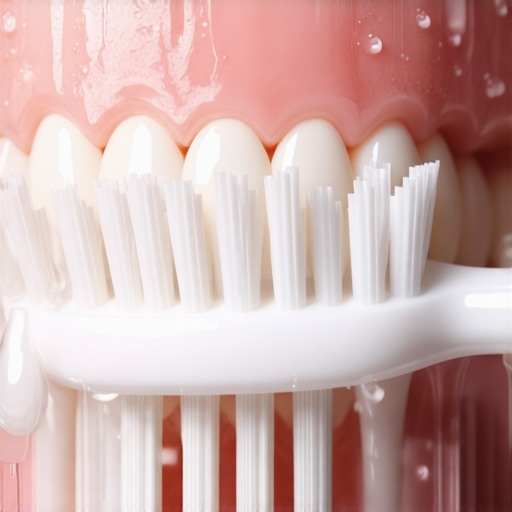 This applies to ortho-patients too. If you’re wearing aligners, the heat can get trapped against the tissue. Understanding Invisalign maintenance expert tips for clear, confident smiles is vital because you must ensure no spicy oils are lingering in the trays, which could lead to prolonged contact burns.
How to Move Forward for Long-Term Health
Instead of reacting in a panic, focus on maintaining your teeth cleaning routine with soft, intentional movements. Use a high-quality fluoride toothpaste that supports enamel remineralization. If you’re currently undergoing a transformation, make sure you’re choosing the best Invisalign options for your lifestyle, which includes knowing when to take them out before that five-alarm chili arrives.
I’ve spent years perfecting a toolkit that allows me to indulge in extreme heat without sacrificing my dental health. It’s not just about what you do in the five minutes after a meal; it’s about the equipment and habits you maintain every single day. If you are serious about your oral hygiene, you need to transition from reactive panic to a structured system of maintenance.
Ditch the Electric Vibrations Until Your Gums Calm Down
I love my sonic toothbrush, but it stays in the drawer for at least twenty-four hours after a significant spicy food event. If you’ve ever wondered why your jaw feels like it is vibrating when you use an electric toothbrush, imagine that sensation magnified by inflamed, capsaicin-soaked gums. It is physically punishing. During this recovery phase, I switch to an ultra-soft manual brush. This allows me to control the pressure with surgical precision, ensuring I’m removing plaque without irritating the vasodilation in my gum tissue. Dr. Gordon Christensen, a world-renowned clinical researcher in dentistry, has often noted that excessive mechanical force on compromised tissue can lead to chronic gingival recession. By switching to a manual touch, you are prioritizing the long-term integrity of your smile over a temporary ‘deep clean’ feeling.
Try My Lukewarm Water Flosser Routine for Deep Relief
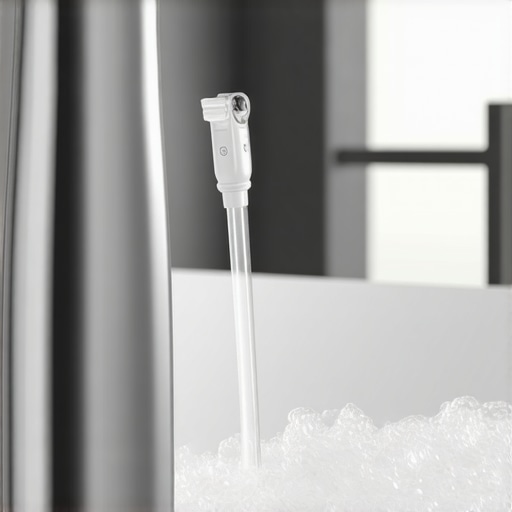
If you aren’t using a water flosser yet, you’re missing the most effective way to flush out capsaicin resins that hide in the sulcus—the tiny pocket between your tooth and gum. I fill my reservoir with lukewarm water—never cold, as that can trigger a sensitivity spike. This is one of those modern teeth cleaning innovations that reduce sensitivity and boost results because it uses hydraulic pressure instead of abrasive friction. I find that a thirty-second sweep on the lowest setting clears away the ‘ghost heat’ that often lingers until the next morning. It is also the reason why your dental hygienist uses a water flosser instead of manual tools for complex cleanings; it reaches where string simply cannot go.
How do I maintain a healthy smile while still enjoying spicy foods?
Consistency is your greatest defense. If you are an Invisalign patient, Invisalign maintenance expert tips for clear, confident smiles suggest that you should never put your trays back in until you have fully neutralized the acidity of your meal. I recommend a quick rinse with a fluoride-rich mouthwash that does not contain alcohol. Alcohol-based rinses will dry out your mucosa and make the burn worse. Furthermore, if you are a fan of turmeric-heavy curries, you must learn how to keep your clear aligners from staining when you drink iced coffee or other pigmented liquids by using a barrier or simply waiting until your saliva pH has returned to neutral. Maintaining your teeth cleaning routine isn’t about being perfect; it’s about being smart with your tools.
Smart Trays and Bio-Coatings are the Future
I predict that in the next five to ten years, we will see the rise of ‘bio-active’ dental coatings that can be applied during a routine visit. These coatings will likely behave like a permanent, invisible shield against chemical irritants like capsaicin. We are already seeing the beginnings of this with advanced remineralization pastes. For now, your best bet is to stay ahead of the curve by being gentle. Try this today: Next time you eat something spicy, skip the aggressive brushing and use a lukewarm water flosser rinse followed by a pea-sized amount of sensitive-formula toothpaste applied with your finger directly to the gums. It provides an immediate physical barrier and helps soothe the nerves much faster than any ‘miracle’ cure. It’s about working with your body’s natural healing process rather than fighting against it.
What No One Tells You About Capsaicin and Your Enamel
Reflecting on that 2019 wing challenge, the biggest ‘lightbulb moment’ wasn’t just finding out that water is useless; it was realizing that my gums are a gateway to my overall health, and I was treating them like a dirty kitchen floor. First, I learned that pain is a signal to stop, not to scrub harder. If you’ve felt that stinging, it’s your body asking for a chemical neutralizer, not a mechanical abrasive. Second, I discovered that teeth cleaning tips for a brighter smile this spring often focus on aesthetics, but the real foundation is always the health of your mucosal barrier. Lastly, I realized that my spice habit and my dental goals can coexist, but only if I treat my mouth with the same respect I give the rest of my body during a workout.
Items I Never Eat Spicy Food Without
Over the years, I’ve curated a specific ‘recovery kit’ that sits in my medicine cabinet. I highly recommend the book The Dental Diet by Dr. Steven Lin; it completely changed how I view the relationship between what I eat and my tooth structure. For tools, I rely heavily on a high-quality water flosser. It’s one of those modern teeth cleaning innovations that reduce sensitivity and boost results by gently flushing out oils without the friction of a brush. I also keep a stash of alcohol-free fluoride rinse nearby to help with remineralization without the drying effect that makes capsaicin burns feel worse. Finally, finding a professional who understands these nuances is key, so I always suggest choosing the right dentist expert tips for your best smile journey to ensure your provider supports your lifestyle.
Why Your Smile Deserves Better Than a Panic Reaction
At the end of the day, your oral health journey is a marathon, not a sprint to the sink. Whether you are dealing with the aftermath of a spicy salsa or just looking for teeth cleaning secrets how regular care boosts oral health at any age, the key is consistency and gentleness. Don’t let a temporary burn lead to a permanent mistake like gum recession or enamel wear. Take a breath, grab the milk, and wait for the fire to subside before you reach for that toothbrush. Your teeth cleaning routine should be an act of self-care, not a punishment for enjoying a flavorful meal. Have you ever tried the ‘dairy rinse’ method, or do you have another secret trick for cooling down a five-alarm burn? Let me know in the comments below!