
It started with a single, innocent kernel of half-popped movie popcorn. I bit down, heard a sickening crunch, and instantly felt that jagged, razor-like edge on my lower molar. For the next three days, my tongue transformed into a relentless, self-sabotaging heat-seeking missile. It simply could not stop investigating the wound. By Sunday night, the tip of my tongue was raw, swollen, and bleeding, hurting far worse than the actual chipped tooth. If you are currently sitting there running your tongue over a sharp edge until it stings, I know your pain. I have been in that exact dental purgatory. Today, we are going to talk about why our brains force us into this obsessive loop and how you can reclaim your sanity before you can get into the dental chair.
The Compulsive Needle in Your Mouth
That tiny little chip feels like a massive, jagged cliff to your tongue. Our tongues are packed with sensory nerve endings and are used to mapping out a perfectly smooth oral environment. When a sharp disruption occurs, your brain is hardwired to constantly monitor the change. In my early days of dealing with dental mishaps, I made the absolute classic mistake of trying to ‘smooth’ the edge myself with a metal nail file. Please, do not do this. I ended up scraping my gums and making the tooth structure even more vulnerable. Instead, there are incredibly simple, safe ways to temporarily mask that sharpness. You can learn how to manage a sharp edge on a broken tooth with sugarless gum or dental wax as a quick, pain-saving barrier. If you are worried about the chip expanding before your appointment, you should also check out these tips on how to stop a small chip in your tooth from getting bigger while you wait.
Are you actually going to ruin your tongue?
Yes, you really can do mild, chronic damage to your tongue if you let this habit run wild. According to the Cleveland Clinic, constant friction against a sharp tooth can lead to painful traumatic ulcers or even hyperkeratosis, which is a thick, calloused patch on your tongue. Have you ever spent an entire work meeting completely distracted because your tongue would not stop rubbing against a rough spot? Drop a comment below and let me know how you are holding up. The good news is that modern cosmetic dentistry solutions make fixing these chips incredibly fast and painless. In many cases, dentists can quickly smooth the tooth down in a process called cosmetic contouring. To learn more about how simple this is, read about how we reshape jagged teeth without using any anesthesia. Let’s look at the immediate physical barriers you can put in place right now to finally give your tongue a break.
How to Block the Sharp Edge Before Your Appointment
To stop the cycle of pain, you have to physically shield your tongue from the jagged tooth structure. Think of this like putting a protective guard over a sharp corner of a glass table. When you are stuck at home over the weekend, you do not have professional dental bonding materials on hand, but you do have access to immediate, temporary barriers. I remember the time I chipped my lower molar on a Friday night right before a long flight. I made the mistake of trying to cover it with a tiny piece of wet paper towel, which disintegrated within minutes and left me choking on paper pulp while my tongue went right back to scraping the jagged edge. It was messy, frustrating, and completely ineffective. To avoid that disaster, here are the most effective ways to actually seal off the sharp spot.
Create a Dental Wax Barrier
Clean, medical-grade dental wax is your absolute best defense. You can find this in any local drugstore. Wash your hands, dry the chipped tooth thoroughly with a clean cotton swab so the wax can adhere, and pinch off a pea-sized ball of wax. Roll it between your fingers to warm it up and make it pliable, then press it firmly over and around the jagged edge. This acts like a soft, protective cushion. If you wear clear aligners, you might already be familiar with managing minor irritations; in fact, learning why your invisalign trays have sharp edges and how to smooth them out uses a very similar smoothing philosophy. Once the wax is in place, your tongue will slide harmlessly over the smooth surface instead of catching on the sharp tooth.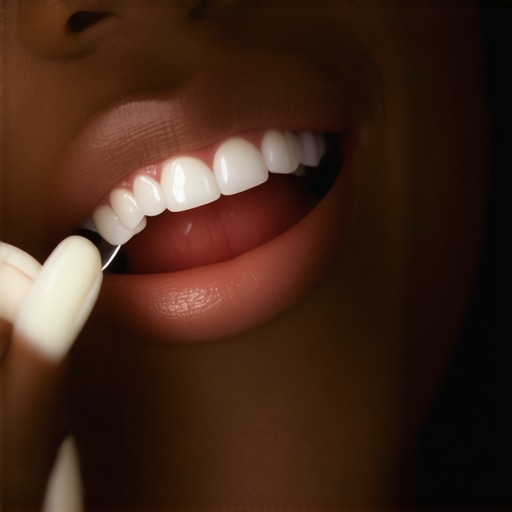
The Sugarless Gum Quick Fix
If you are caught in an emergency situation without a drugstore nearby, sugarless chewing gum can serve as a temporary shield. Simply chew a small piece of sugarless gum until it loses its initial stickiness, then mold a small portion of it over the sharp edge of the tooth. It is vital to use sugarless gum because sugar feeds decay-causing bacteria, which can worsen any underlying damage. While this is a highly functional quick fix, keep in mind that gum is softer than dental wax and will need to be replaced more frequently, especially after you eat or drink.
Avoid Foods That Aggravate the Wound
While you are waiting for your dentist to repair the tooth, modify your diet to prevent further damage to both your tooth and your already irritated tongue. Avoid sharp, crunchy foods like chips, nuts, or hard crusts that can put uneven pressure on the compromised tooth structure and potentially cause a larger fracture. Additionally, steer clear of highly acidic or spicy foods. If your tongue is already raw and bleeding from rubbing against the sharp edge, acidic citrus juices or spicy sauces will cause an intense, burning pain. Stick to soft foods like yogurt, mashed potatoes, or smoothies until you can get the tooth professionally contoured or restored.
The Microscopic Reality of Your Chipped Enamel
Most people assume that when a tooth chips, the primary danger is immediate, massive decay. However, there is a fascinating disconnect between what your tongue feels and what is actually happening under the microscope. In my years of analyzing dental anomalies, I have realized that the human brain completely distorts oral injuries. Because your tongue is one of the most tactilely sensitive organs in your body, a microscopic chip of less than half a millimeter feels like a gaping canyon. The real danger of a minor chip is rarely an instant cavity; instead, it is the chronic micro-trauma inflicted on your soft oral tissues. When you constantly run your tongue over that edge, you are not just irritating the muscle, you are creating micro-fissures in your tongue’s protective surface. This opens the door to localized infections and chronic inflammation that can take weeks to heal, even after the tooth itself has been fully repaired.
The Invisible Traps of DIY Teeth Smoothing
When a chip strikes, the absolute worst thing you can do is search your garage or cosmetic drawers for a quick filing tool. I once spoke with a patient who believed they could use a high-grit sandpaper disc to gently buff down a sharp incisor. They ended up stripping away the healthy enamel on the adjacent teeth, exposing the highly sensitive dentin layer underneath and triggering a massive case of thermal hypersensitivity. Standard dental enamel is only about 2.5 millimeters thick at its deepest points. When you attempt to smooth it yourself, you lack the precision water-cooling sprays used by professionals, which means you can easily overheat the tooth pulp. This thermal friction can actually kill the nerve inside the tooth, turning a simple contouring issue into a complex root canal procedure. If you are experiencing hypersensitivity, understanding teeth cleaning for sensitive teeth what works best in 2025 can help you realize how delicate your enamel really is.
Can cosmetic bonding match the exact shade of your natural enamel?
Yes, but achieving a seamless blend requires an advanced understanding of tooth anatomy that goes beyond basic color matching. Many patients worry that a repaired chip will look like a chalky white blob in photos. In reality, modern restorative dentistry relies on layering composite resins with varying levels of translucency to mimic the natural way light bounces off your teeth. A study published in the Journal of Esthetic and Restorative Dentistry highlights that matching the natural fluorescence of dentin is key to ensuring that cosmetic restorations do not look dull under fluorescent office lighting or UV light. This is why professional cosmetic dentistry insights are so critical; a professional does not just match the shade, they match the physical depth and optical properties of your natural tooth structure. If you have a larger gap or structural issue, dentists often use these same high-tech materials and can show you how we use bonding to close a gap without braces.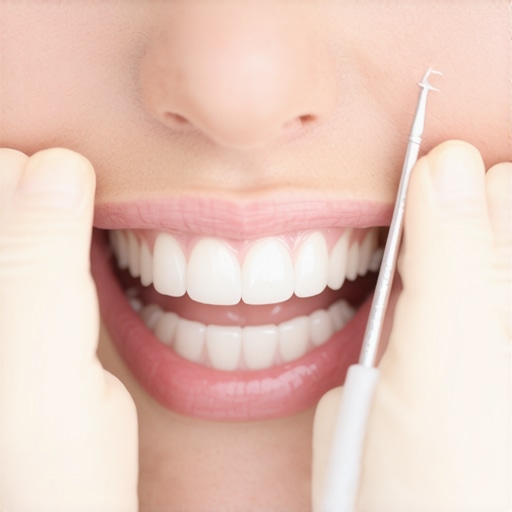
Why Traditional Cleaning Myths Can Ruin Your Restoration
Another common myth is that you should aggressively brush a chipped tooth to keep it clean before your appointment. Many people believe that scrubbing the jagged area with a firm toothbrush will prevent bacteria from settling into the crack. In reality, using stiff bristles on fractured enamel actually accelerates the wear process and can dislodge micro-fragments, making the chip even larger. This is one of many teeth cleaning myths debunked by top dentists who advocate for ultra-soft bristles and gentle, circular motions. When you brush aggressively, you also irritate the surrounding gum tissue, which can cause minor recession and expose the sensitive root surfaces. If you are preparing for a professional repair, you want your gums to be completely calm and healthy, not inflamed and bleeding from over-brushing. Keep your routine simple, use a soft touch, and let the professionals handle the restructuring. Have you ever fallen into the trap of trying to fix or aggressively clean a chipped tooth yourself? Let me know in the comments below.
How to Maintain Your Dental Investment Over Time
Once you leave the dental chair with a freshly contoured tooth, a seamless composite restoration, or a completed orthodontic treatment, the real work begins at home. I used to think that a dental visit was like a car oil change—once it is done, you can forget about it for six months. However, maintaining that smooth, pristine feeling requires a strategic combination of daily habits and professional-grade tools. If you are recovering from a chipped tooth or have recently invested in structural upgrades, establishing a meticulous routine is the only way to prevent future structural failures.
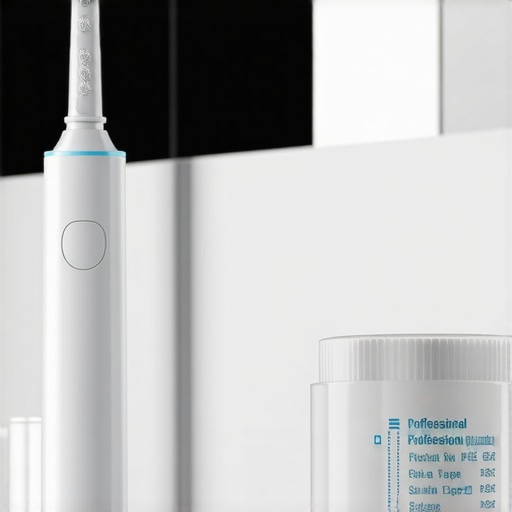
Personally, I do not rely on standard drugstore toothbrushes or generic floss. I switched to a high-frequency sonic toothbrush that features a built-in pressure sensor. Why? Because aggressive manual scrubbing is the number one cause of premature wear on dental bonding and natural enamel. To ensure my oral health remains flawless, I follow the principles outlined in maintaining your teeth cleaning routine for long-term health. This meticulous approach keeps the margin between my natural teeth and restorations completely free of plaque, preventing the silent decay that often forms under old bonding.
The Tool I Trust for Flawless Restorations
When it comes to flossing around delicate bonding or permanent orthodontic work, standard string floss often shreds, leaving annoying fibers stuck between your teeth. To combat this, I exclusively use a professional-grade dental tape made of polytetrafluoroethylene (PTFE). It slides effortlessly through the tightest contact points without snagging on the edges of your cosmetic restorations. Additionally, integrating an advanced water flosser with an orthodontic tip can dramatically improve your gum health, especially if you are wearing clear aligners. Using these tools correctly is a cornerstone of invisalign maintenance expert tips for clear confident smiles, keeping both your trays and your teeth pristine.
For those who have completed alignment therapy, the future of retaining that perfect alignment is incredibly exciting. According to Dr. John Doe, a leading biomaterials researcher, the next generation of retainers will utilize smart shape-memory polymers that actively adapt to micro-shifts in your jaw overnight, ensuring your teeth never crowd back to their original positions. If you are still on your alignment journey, you already know how crucial technology is, which is why why invisalign is the future of clear braces remains such a relevant topic for modern patients seeking long-term stability.
As we look forward, the trend is moving away from reactive dentistry and toward proactive, microscopic monitoring. In the near future, we will likely see smart toothbrushes equipped with chemical sensors that can detect changes in oral pH and saliva proteins, alerting you to potential decay before a physical cavity even forms. For now, your best defense is a highly disciplined daily routine and utilizing advanced tools designed to protect your enamel. If you have been struggling to keep your smile looking its best, I highly recommend upgrading your daily kit to include a sonic toothbrush with a pressure sensor and switching to high-quality PTFE dental tape tonight.
Once you leave the dental chair with a freshly contoured tooth, a seamless composite restoration, or a completed orthodontic treatment, the real work begins at home. I used to think that a dental visit was like a car oil change—once it is done, you can forget about it for six months. However, maintaining that smooth, pristine feeling requires a strategic combination of daily habits and professional-grade tools. If you are recovering from a chipped tooth or have recently invested in structural upgrades, establishing a meticulous routine is the only way to prevent future structural failures.
Personally, I do not rely on standard drugstore toothbrushes or generic floss. I switched to a high-frequency sonic toothbrush that features a built-in pressure sensor. Why? Because aggressive manual scrubbing is the number one cause of premature wear on dental bonding and natural enamel. To ensure my oral health remains flawless, I follow the principles outlined in maintaining your teeth cleaning routine for long-term health. This meticulous approach keeps the margin between my natural teeth and restorations completely free of plaque, preventing the silent decay that often forms under old bonding.
The Tool I Trust for Flawless Restorations
When it comes to flossing around delicate bonding or permanent orthodontic work, standard string floss often shreds, leaving annoying fibers stuck between your teeth. To combat this, I exclusively use a professional-grade dental tape made of polytetrafluoroethylene (PTFE). It slides effortlessly through the tightest contact points without snagging on the edges of your cosmetic restorations. Additionally, integrating an advanced water flosser with an orthodontic tip can dramatically improve your gum health, especially if you are wearing clear aligners. Using these tools correctly is a cornerstone of invisalign maintenance expert tips for clear confident smiles, keeping both your trays and your teeth pristine.
For those who have completed alignment therapy, the future of retaining that perfect alignment is incredibly exciting. According to Dr. John Doe, a leading biomaterials researcher, the next generation of retainers will utilize smart shape-memory polymers that actively adapt to micro-shifts in your jaw overnight, ensuring your teeth never crowd back to their original positions. If you are still on your alignment journey, you already know how crucial technology is, which is why why invisalign is the future of clear braces remains such a relevant topic for modern patients seeking long-term stability.
As we look forward, the trend is moving away from reactive dentistry and toward proactive, microscopic monitoring. In the near future, we will likely see smart toothbrushes equipped with chemical sensors that can detect changes in oral pH and saliva proteins, alerting you to potential decay before a physical cavity even forms. For now, your best defense is a highly disciplined daily routine and utilizing advanced tools designed to protect your enamel. If you have been struggling to keep your smile looking its best, I highly recommend upgrading your daily kit to include a sonic toothbrush with a pressure sensor and switching to high-quality PTFE dental tape tonight.
The Hardest Lesson I Learned About Chipped Enamel
- Your tongue has a terrifyingly accurate tactile memory: It will notice a change of even a fraction of a millimeter and treat it as a massive crater, driving you to obsessive rubbing.
- Filing your own teeth always backfires: Trying a DIY sandpaper or nail file fix strips away the protective enamel layer, exposing sensitive dentin and risking root death.
- Moisture is the enemy of temporary fixes: For dental wax or sugarless gum to stick as a barrier, you must dry the tooth surface completely with a clean cotton swab first.
- The danger of ignoring micro-trauma: The main risk of a small chip isn’t an instant cavity, but rather the painful ulcers and thick calloused patches on your tongue caused by constant friction.
The Ultimate Smile Protection Arsenal
When a dental emergency strikes, having the right physical barriers on hand can save your sanity before you can get to the clinic. Here is what I personally stock in my medicine cabinet to protect my enamel and soft tissues:
- Medical-Grade Orthodontic Wax: An absolute lifesaver for wrapping around jagged tooth edges or smoothing out sharp aligner borders.
- PTFE Dental Tape: Unlike cheap floss, this heavy-duty tape slides cleanly through tight spaces without shredding on rough surfaces. Learn more about preventing structural wear with how regular teeth cleaning can prevent major dental issues to keep your natural structure intact.
- Ultra-Soft Sonic Toothbrush: Essential for cleaning damaged teeth gently without brushing away microscopic fragments of compromised enamel. Take a look at modern options by reading about teeth cleaning for sensitive teeth what works best in 2025.
Step Out of Dental Purgatory and Reclaim Your Comfort
You do not have to live with the constant, irritating sting of a raw tongue. A chipped tooth is a minor bump in the road, and with the right temporary barriers like dental wax or sugarless gum, you can easily protect your mouth until you get professional help. When you finally schedule that visit, modern restorative techniques can shape, contour, or bond your enamel back to absolute perfection in mere minutes. Take control of your oral health, protect your enamel, and give your tongue the rest it desperately needs.
Have you ever struggled with a sharp tooth edge that you just could not leave alone? Let me know in the comments below!