
Picture this: It is 8:15 PM. You are exhausted. All you want is to tuck your little angel into bed and finally crash on the couch. But instead, you are locked in a physical wrestling match on the bathroom floor. Your toddler’s mouth is clamped shut so tightly their lips have practically disappeared. You try to coax them, you sing the silly brushing song, and you even offer bribes. Nothing. When you finally get the brush near their face, they scream like you are holding a hot coal. I used to think my daughter was just being stubborn, but this nightly battleground is actually a cry for help that most parents completely misread.
The Nightly Stand-Off is Not Just a Behavior Problem
For months, I made the classic mistake of treating my daughter’s clenched jaw as a simple discipline issue. I thought she was just testing my boundaries. I even worried she might need early dental interventions or that I would have to search for a dentist who specialized in pediatric behavioral meltdowns. I was completely wrong. That stubborn refusal is almost always a sensory or physical reaction to something that genuinely feels uncomfortable, scary, or painful to their developing mouths.
Are you secretly making their sensitive gums hurt?
It turns out my biggest mistake was using a brush with bristles that were far too stiff for her delicate tissues. According to a study by the American Academy of Pediatrics, a toddler’s oral mucosa is significantly thinner and more sensitive than an adult’s, meaning even moderate pressure can feel like sandpaper. When I realized that her resistance was actually a self-defense mechanism, my entire approach changed. Once you understand the sensory triggers—like the overwhelming taste of artificial mint or the sharp scraping on those brand-new back teeth—you can stop fighting and start helping. If you are struggling with a similar battle, especially as those hard-to-reach teeth emerge, you might want to look into the real reason your child refuses to let you brush their back molars to see if sensory overload is the true culprit. Have you ever had to physically pry your toddler’s mouth open just to get a smear of toothpaste inside, or are you currently living in dread of the bedtime routine? Let me know in the comments below, because we need to talk about what actually works to end this bathroom standoff.
How I Flipped the Script on Our Bedtime Standoff
The turning point in our household happened when I stopped treating oral care as a chore and started viewing it as a physical challenge. Think of your toddler’s mouth like a tiny, sensitive cave. If you march in with a giant brush and heavy pressure, their natural reflex is to shut the cave door. To bypass this defense system, you have to change your technique, your tools, and your positioning. I had to learn the hard way that brute force only builds resentment, whereas a strategic, gentle approach turns brushing into a routine they can actually tolerate.
Ditch the Power Struggle and Try the Two-Brush Trick
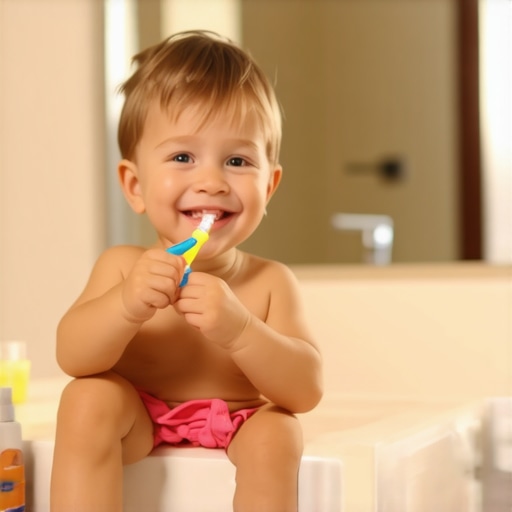
One evening, after my daughter flatly refused to open her mouth, I grabbed a second, identical toddler toothbrush and handed it to her. I told her she was in charge of brushing my teeth, while I brushed hers. It was a chaotic, messy experiment—she ended up poking me in the nose and getting paste on my chin—but it worked. By shifting the power dynamic and giving her control, her jaw relaxed. If your child is constantly biting down or fighting back, giving them a brush to hold occupies their hands and distracts their brain, making it much easier for you to gently clean their teeth. For parents who are dealing with older kids or teens who struggle to maintain their routines with aligners, learning how to stop your child from chewing on their Invisalign case can keep their orthodontic journey on track while minimizing physical damage to their appliances.
The Gentle Swiping Technique That Actually Cleans
Most parents brush a toddler’s teeth the way they brush their own: with rapid, sawing motions. On a child’s sensitive gums, this feels like sandpaper. Instead, use a light, circular swiping motion. Imagine you are trying to brush the dust off a delicate peach skin without bruising it. Focus on the gumline with ultra-soft bristles, and keep the sessions incredibly short. If you find yourself dealing with adult oral health hurdles like sensitive teeth while trying to set a good example, implementing teeth cleaning for sensitive teeth what works best in 2025 can make your own routine painless so you can model healthy habits without wincing. By slowing down your movements and keeping the pressure feather-light, you will slowly teach your child that brushing does not equal pain.
Introduce the Mirror Magic Game
Another tactic that rescued our bedtime routine was moving the entire process out of the dark bathroom corner and right in front of a full-length mirror. Kids hate when they cannot see what is happening to their bodies. By letting my daughter look at her own reflection, she could track exactly where the brush was going, which instantly lowered her anxiety. This visual feedback is crucial. It is the same reason why adults going through orthodontic shifts look for invisalign maintenance expert tips for clear confident smiles; we all want to see and understand the progress our teeth are making. When a toddler can visualize the process, the fear of the unknown disappears, and they are much more likely to open up wide.
When you are in the thick of a bedtime battle, it is incredibly easy to let frustration take over. You might think that if you can only get thirty seconds of contact time with that toothbrush, you need to scrub as hard and as fast as humanly possible to make it count. This is where most parents fall into a dangerous trap. We have been conditioned to believe that clean teeth require elbow grease, but when it comes to developing mouths, that aggressive approach actually does far more harm than good.
The Scrubbing Myth That is Quietly Damaging Baby Enamel
Everyone says you need to scrub thoroughly to get rid of plaque, but in my experience, light and meticulous sweeping works infinitely better. A toddler’s tooth enamel is surprisingly thin. When you apply heavy pressure, you are not just cleaning away leftover dinner; you are actually wearing down their protective enamel layer. I had to learn this the hard way after noticing tiny changes in my daughter’s smile. If you have ever looked closely at your little one’s mouth and noticed unusual coloration, you might be seeing early signs of wear. Knowing why your toddlers teeth have white spots near the gums can help you distinguish between mineral loss, plaque buildup, and actual enamel damage before it develops into a painful cavity.
Why does your dentist always tell you to throw away medium and hard brushes?
It is not just a marketing gimmick to get you to buy more products. According to research published by the American Academy of Pediatric Dentistry, soft and ultra-soft bristles are the only safe option for young children because they effectively disrupt the sticky plaque biofilm without destroying the delicate gum margins. When you use a stiff brush or push down too hard, you risk causing microscopic tears in their gums. This creates a stinging sensation the next time they eat or drink, which directly fuels their refusal to brush. It is a vicious cycle: we scrub harder because they resist, and they resist more because the scrubbing hurts. If you have fallen victim to this cycle, realizing why your dental hygienist told you to stop using hard-bristled toothbrushes is often the exact breakthrough you need to restore peace to your bathroom routine.
The Advanced Mistakes We Make as They Grow Older
As our kids transition from toddlers to school-aged children, the dental hurdles do not disappear; they simply evolve. Many parents assume that once their child can tie their own shoes, they are fully capable of brushing unsupervised. This is a massive oversight. Most children do not develop the manual dexterity required for a thorough clean until they are around seven or eight years old. Furthermore, if your child eventually transitions into orthodontic care, their oral hygiene demands skyrocket. For families navigating early orthodontic corrections, understanding how different appliances impact daily life is crucial. Comparing invisalign vs traditional braces which is smarter for your lifestyle can help you prepare for the unique cleaning challenges each system brings. If they do go the clear aligner route, you will need to watch out for issues like tracking, lost attachments, or even the dreaded tray odor. Knowing how to prevent your invisalign trays from smelling like old socks is just one of those hyper-specific, real-world skills you will need to keep their smile healthy and fresh. Have you ever fallen into the trap of scrubbing too hard or letting your kids brush completely solo too early? Let me know in the comments below!
When you transition from managing the daily chaos of a toddler’s brushing routine to actually sustaining it, you need a long-term strategy. It is not just about surviving tonight’s bathroom battle; it is about building a foundation of oral health that lasts into adolescence and adulthood. As your child grows, the tools and methods you rely on must evolve to prevent burnout—both for them and for you. Establishing a predictable system now ensures they maintain these habits when transitioning to advanced care like cosmetic improvements or orthodontic alignment down the road.
How do I maintain my child’s oral health routine over time?
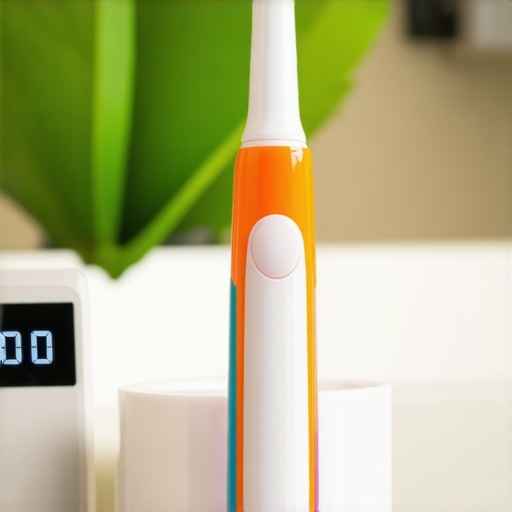
Consistency is built on the right tools, not sheer willpower. In my house, we retired the manual brush struggle by introducing a pediatric sonic toothbrush with an integrated smart timer. According to clinical guidelines from the American Academy of Pediatric Dentistry, sonic vibration at low-intensity settings is highly effective at disrupting plaque biofilm on primary teeth with minimal physical pressure. I personally use a sonic brush with ultra-soft tapered micro-bristles because it does the physical work for my child; she only has to guide it along her teeth. Additionally, we use a pH-balancing xylitol gel instead of highly abrasive commercial pastes. This maintains a healthy oral microbiome and neutralizes acid-producing bacteria without causing the stinging sensation that triggers behavioral resistance. If you are also managing your own adult orthodontic treatment, keeping your tools clean is just as vital. Knowing how to prevent your invisalign trays from smelling like old socks is a prime example of how specific, daily maintenance habits keep a treatment plan from failing.
Looking ahead, the future of pediatric oral care is leaning heavily into smart, bio-compatible technology. I predict we will soon see smart brushes equipped with real-time salivary pH sensors that alert parents to localized enamel demineralization before a cavity even forms. For families planning ahead for aesthetic or functional smile corrections, keeping up with these daily hygiene standards is non-negotiable. Whether you are currently exploring invisalign vs traditional braces which is smarter for your lifestyle or diving deep into invisalign maintenance expert tips for clear confident smiles, the success of any cosmetic or orthodontic treatment relies heavily on the baseline health of the gums and teeth. To make sure you are on the right track for long-term health, establishing a relationship with a skilled provider is the ultimate step. Check out our guide on choosing the right dentist expert tips for your best smile journey to find a partner who understands your family’s unique sensory and clinical needs. Tonight, I encourage you to try the two-brush trick with your child and see firsthand how shifting the power dynamic changes everything.
The Hardest Lesson I Learned About Early Teeth Cleaning
When I first started this journey, I thought the goal of pediatric dental care was simply about scrubbing away plaque to prevent cavities today. But my biggest revelation was realizing that forced brushing sessions only build deep-seated psychological barriers that last a lifetime. If a child associates the toothbrush with pain, loss of control, or parental frustration, they will carry that anxiety straight into adulthood. The real victory isn’t a single spotless brushing session tonight; it is fostering a positive relationship with oral care so they willingly maintain these habits on their own. Investing time in patient, gentle training now saves you from costly dental interventions later, laying a healthy foundation for when they might eventually need more advanced treatments.
My Essential Toolkit for Stress-Free Brush Times
Over the years, I have tested dozens of dental tools and techniques. These are the three resources that absolutely transformed our nightly routine and brought peace back to our bathroom:
- An Ultra-Soft Sonic Toothbrush: Using low-intensity vibrations does the physical scrubbing for you, allowing you to focus entirely on positioning the brush gently. It makes teeth cleaning secrets easy to put into practice without irritating sensitive gums.
- Xylitol-Based Tooth Gel: Ditching heavily spiced mint pastes for a mild, naturally sweet gel prevents the sensory stinging that makes toddlers clamp their mouths shut.
- A Kids’ Handheld Mirror: Giving your child a visual of exactly what is happening in their mouth eliminates the fear of the unknown. Knowing what to expect is just as helpful for kids as it is for adults learning invisalign maintenance expert tips for clear confident smiles.
Take the First Step to Transform Your Bedtime Routine Tonight
You do not have to dread the bedtime countdown anymore. By stepping away from the power struggle and prioritizing comfort, you can turn a nightly chore into a collaborative, stress-free routine. Remember that consistency and patience are your greatest tools for lifelong wellness. If you want to keep building on this positive momentum, establishing a professional support system is the perfect next step. We highly recommend checking out our comprehensive guide on choosing the right dentist expert tips for your best smile journey to find a pediatric or family dentist who respects your child’s sensory boundaries and partners with you for long-term health.
What trick finally ended the toothbrushing war in your house?
Have you ever struggled with getting your toddler to open wide, or did a specific game finally turn the tide? Let me know in the comments below!