
I remember the night I first noticed it like it was yesterday. I was wrestling with my two-year-old, trying to figure out how to stop your toddler from biting the toothbrush every time, when the bathroom light caught his upper teeth just right. There it was: a dull, chalky white band hugging the gum line. I’ll be honest, I brushed it off at first. I thought it was just a bit of leftover Greek yogurt or maybe a smudge of calcium from his milk. I made the classic rookie mistake of thinking if it didn’t look like a black hole, it wasn’t a cavity. But those little white spots are actually the smoke before the fire. They are the first signs of demineralization, and if we don’t act fast, they turn into full-blown dental emergencies. Today, I’m going to show you exactly how to spot these early warnings and what you can do at home to keep those pearly whites actually pearly.
Why That Chalky Line Demands Your Attention Today
When you see white spots near the gums, your child’s enamel is essentially calling for backup. It’s losing minerals faster than it can replace them. According to the American Academy of Pediatric Dentistry, early childhood caries is the most common chronic childhood disease, yet it is almost entirely preventable if we catch it at this “white spot” stage. I spent weeks ignoring it until I realized that regular care boosts oral health at any age, and toddlers are no exception. The culprit is usually a mix of plaque buildup and lingering sugars from juice or nighttime bottles. If you’ve been struggling with how to get your preschooler to stop swallowing their toothpaste, you know the struggle of getting a clean sweep is real. Have you noticed any weird discoloration in your little one’s mouth lately, or are you just starting to look? Let me know in the comments because I’ve been in those shoes, panicking over a flashlight at 9 PM.
Can We Really Reverse a White Spot Without a Drill?
The short answer is yes, but the window of opportunity is smaller than you think. This isn’t just about more brushing; it’s about changing the environment of the mouth. When I finally took my son in, I learned that [image_placeholder] we could actually remineralize that enamel before it broke through the surface. It involves a mix of better technique and sometimes professional help. If you’re worried about the cost or the trauma of a dental visit, remember that how regular teeth cleaning can prevent major dental issues is a much easier pill to swallow than a toddler root canal. We’re going to dive into the specific steps to harden that enamel back up right now.
Stop the Sugar Buffet and Cut the Acid
Bacteria in the mouth are like tiny chemists; they turn every bit of cracker or juice into acid that melts enamel. If your child is a frequent snacker, their teeth are basically sitting in an acid bath all day. I noticed that the reason your gums feel spongy after a weekend of heavy snacking applies to kids too, though their symptoms show up as those chalky spots. You need to transition to ‘structured’ eating times. Water is the only thing that should be in that sippy cup between meals. If they’re still taking a bottle to bed, that milk sits on the upper teeth all night, which is a recipe for disaster.
Master the Lift the Lip Technique
You can’t clean what you can’t see. Most parents brush the biting surfaces but miss the area where the tooth meets the gum. I remember the first time I actually committed to the ‘Lift the Lip’ method. My son was squirming, and I had to place his head in my lap to get a steady view. When I finally pulled that upper lip back, I realized I’d been missing the very spot where the demineralization was happening. Using a soft-bristled brush at a 45-degree angle is crucial because why your dental hygienist told you to stop using hard-bristled toothbrushes is because they can actually irritate those delicate toddler gums and skip over the plaque. #IMAGE_PLACE_HOLDER_B#
The Remineralization Toolkit You Need at Home
Once you’ve cleared the debris, you need to put the minerals back in. This isn’t just about ‘cleaning’; it’s about chemistry. Think of the enamel like a sponge that has been squeezed dry; we need to soak it in calcium and phosphate. This is where teeth cleaning secrets how regular care boosts oral health at any age come into play. For my son, our dentist recommended a smear of fluoride toothpaste twice a day. Fluoride acts like a shield, drawing minerals back into the weak spots. If you’ve been wondering why your child’s breath smells bad even though they brush every night, it’s often because plaque is hiding in those demineralized grooves, feeding on bacteria.
Why Professional Application Beats DIY Every Time
While home care is your first line of defense, sometimes the white spots are too deep for over-the-counter fixes. A pediatric dentist can apply a high-concentration fluoride varnish that sticks to the teeth for hours, providing a massive mineral boost. When we finally booked an appointment, I realized that choosing the right dentist expert tips for your best smile journey made all the difference in how my son viewed the chair. They didn’t even need a drill; they just ‘painted’ the vitamins on. If you’re struggling with the back of the mouth, understanding the real reason your child refuses to let you brush their back molars can help you navigate the sensory issues that often stop us from getting a thorough clean. Consistent, professional check-ups ensure these spots don’t progress into painful cavities that require much more invasive work.
The mistake most parents make is what I call the ‘Scrubbing Fallacy.’ We think that if we just brush harder or longer, those chalky spots will disappear. But the truth is that mechanical force matters far less than the ‘remineralization-to-demineralization’ ratio in the mouth’s micro-environment. In fact, if you use a stiff brush or an aggressive technique, you are likely wearing down the already compromised enamel. This is one of the many teeth cleaning myths debunked by top dentists who see the damage of ‘over-brushing’ every day. You aren’t trying to sand down a floor; you’re trying to encourage a chemical bond between the fluoride and the tooth’s crystalline structure.
The Rinsing Trap That Nullifies Your Hard Work
Here is the hidden nuance almost everyone misses: the ‘Rinse and Run.’ If you or your child rinse with water immediately after brushing with fluoride toothpaste, you are literally washing the medicine down the drain. According to a study published in the Journal of Clinical Pediatric Dentistry, fluoride concentration in the saliva drops significantly when rinsing occurs right after brushing. You need that ‘slurry’ to sit on the teeth for at least 30 minutes to be effective. It’s a hard habit to break, especially if you’re used to that squeaky-clean feeling, but it’s the difference between success and a future filling. Have you ever fallen into this trap of rinsing right after you brush? Let me know in the comments because I did it for years before a hygienist finally corrected me.
Does the pH of a Snack Matter More Than the Sugar?
We focus so much on ‘sugar-free’ that we ignore the ‘acid-heavy.’ Even ‘healthy’ snacks like flavored seltzers or fruit-based pouches can have a pH low enough to melt enamel on contact. When the pH in the mouth drops below 5.5, demineralization begins regardless of how well you brushed that morning. If you notice that why your teeth feel sticky even after you brush is a recurring issue, it’s often because the acid has softened the surface, allowing biofilm to cling more aggressively. For those dealing with sensitivity during this process, teeth cleaning for sensitive teeth what works best in 2025 involves using alkaline rinses to neutralize that acid before you even pick up a toothbrush.
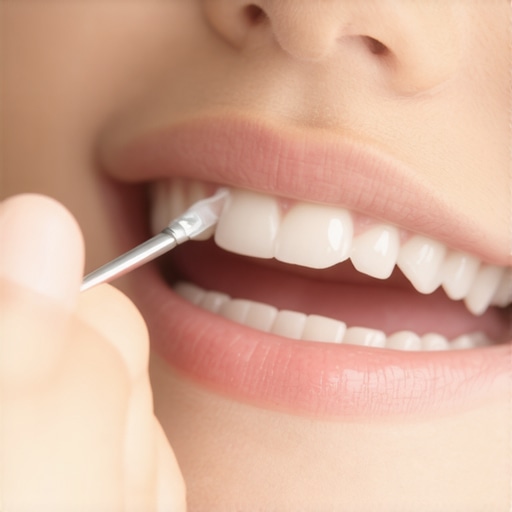
Avoid the Charcoal and ‘Natural’ Whitening Hype
When you’re desperate to get rid of those white spots, it’s tempting to try the latest ‘natural’ remedy. However, the truth about charcoal toothpaste and your tooth enamel is that it is far too abrasive for teeth already showing signs of mineral loss. Using charcoal on a white spot is like using sandpaper on a thinning wall—you’ll just go right through it. Instead, focus on maintaining your teeth cleaning routine for long-term health by using products specifically designed to harden enamel, not scrape it away. Real expertise in dental care isn’t about the flashiest product; it’s about understanding the delicate balance of your mouth’s ecosystem.
Moving from theory to practice, let’s talk about the gear that actually makes this ecosystem thrive. I don’t believe in buying every gadget on the shelf, but there are two non-negotiables in my bathroom cabinet: a high-frequency sonic toothbrush and a professional-grade water flosser. Why the obsession? Because mechanical brushing only goes so far. When I started researching modern teeth cleaning innovations that reduce sensitivity and boost results, I realized that sonic vibrations do something manual scrubbing can’t—they create ‘non-contact’ cleaning. The fluid dynamics created by 30,000+ strokes per minute literally blast plaque out from between the teeth. It is the same reason why your dental hygienist uses a water flosser instead of manual tools for those hard-to-reach pockets; it is about efficiency without trauma.
The High-Tech Kit That Keeps Me Out of the Dental Chair
For those of us who have invested in aligners or veneers, the stakes are higher. I personally use a water flosser with a specialized orthodontic tip because it’s the only way to get around the attachments. If you are currently in treatment, following invisalign maintenance expert tips for clear confident smiles is what separates a successful transformation from a demineralized mess. I’ve found that using an ultrasonic cleaner for my trays while I eat breakfast is a total game-changer for preventing that ‘cloudy’ look. If you’ve ever struggled with how to clean the stubborn cloudiness off your night guard, you know that manual scrubbing just leaves scratches that trap more bacteria. 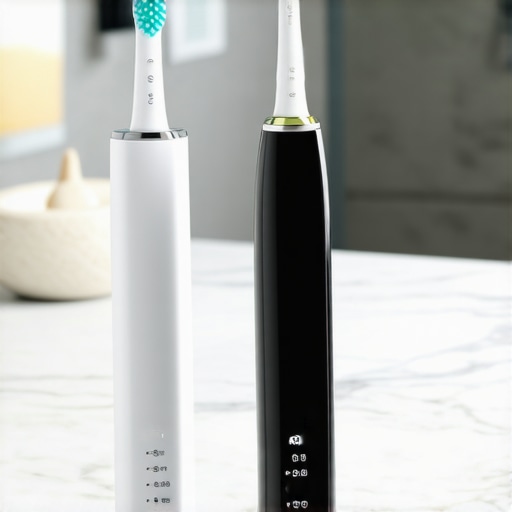
How do I keep my results from fading over the next five years?
Maintenance isn’t a seasonal event; it’s a daily commitment to maintaining your teeth cleaning routine for long-term health. According to a 2023 study published in Clinical Oral Investigations, oscillating-rotating power toothbrushes demonstrated a statistically significant reduction in gingival inflammation compared to manual brushes over a 12-week period, but the key was consistency. I schedule my ‘deep cleans’ every six months like clockwork, but I treat my daily routine as my primary defense. This means using a specialized remineralizing paste that contains hydroxyapatite—the same mineral your teeth are made of—to physically fill in those microscopic scratches before they become white spots.
AI and Smart Sensors are Rebranding the Home Bathroom
I predict that by 2027, the ‘dumb’ toothbrush will be a relic. We are already seeing the trend toward AI-powered dental cameras that sync with your phone to show you exactly where you’re missing plaque in real-time. This isn’t just a gimmick; it’s the scaling of professional-level diagnostics into our daily lives. This kind of tech will make it impossible to ‘cheat’ on your brushing. For anyone who has dealt with sensitivity, the future looks bright with smart sensors that detect when you are applying too much pressure, preventing the gum recession that leads to those sharp pains. If you’re serious about your oral health, I challenge you to try the ‘spit, don’t rinse’ method tonight. Brush your teeth, spit out the excess foam, and leave the rest on your enamel for 30 minutes. It feels weird at first, but your enamel will thank you for the extra mineral bath.
What Nobody Mentions About the White Spot Scare
Looking back at my journey, I realized that white spots are not a permanent scar but a temporary SOS from the tooth. One of the biggest shifts was realizing that saliva is the mouth’s natural repair shop, but it needs time to work. If my child was constantly snacking on crackers, the saliva never got the chance to neutralize the acid. Another breakthrough was the ‘Spit, Don’t Rinse’ rule—it felt weird to leave toothpaste on at first, but it was the missing link for effective remineralization. Also, don’t underestimate the power of a proper ‘Lift the Lip’ check once a week; it catches things your daily brush might glide right over before they become a crisis. Finally, remember that maintaining your teeth cleaning routine for long-term health isn’t about intense scrubbing; it is about the quiet, boring consistency of morning and night care.
Gear That Actually Hardens Enamel
I’ve sifted through the gimmicks to find what actually moves the needle for enamel repair in a home setting. First, look for toothpastes containing hydroxyapatite; it’s literally the building block of teeth and can help fill in those microscopic chalky craters naturally. For older kids or yourself, exploring teeth cleaning for sensitive teeth what works best in 2025 will lead you to alkaline rinses that stop acid in its tracks during high-risk snacking times. I also swear by a toothbrush with a built-in pressure sensor. If you push too hard on demineralized spots, you’re just scraping away the minerals you’re trying to save. Lastly, don’t forget that modern teeth cleaning innovations that reduce sensitivity and boost results like sonic technology can reach the tiny grooves that a manual brush simply cannot touch.
The Future of Your Child’s Brightest Smile Starts Tonight
You now have the tools, the technique, and the insider knowledge to stop demineralization before it ever requires a drill. It might feel like a lot to manage right now, but these small adjustments to your daily routine will save you hours of stress and thousands in dental bills down the road. If you are feeling overwhelmed by the process, start by choosing the right dentist expert tips for your best smile journey to find a partner who supports your preventive goals. You aren’t just cleaning teeth; you are protecting a lifetime of confident, healthy smiles. Have you noticed any chalky spots on your child’s teeth recently, and what was the first thing you tried to do about it? Let me know in the comments!