
I remember standing in the bathroom at 7 AM, bleary-eyed and clutching a lukewarm coffee, watching my three-year-old treat a tube of strawberry-sparkle toothpaste like a gourmet snack. He didn’t just lick it; he swallowed the whole dollop with a look of pure, sugary triumph. My heart sank. I’d spent so much time reading about teeth cleaning secrets for adults that I completely missed the boat on the basic mechanics of a toddler’s mouth. I felt like a failure, worried about fluorosis and stomach aches while my son just wanted more ‘pink candy.’ If you have ever felt that spike of panic when your child gulps down the paste instead of spitting it into the sink, I promise you are not alone. Today, we are going to fix this habit once and for all with a few neighborly tricks that actually work.
Your Sink Doesn’t Have to Be a Sticky Mess
The truth is, preschoolers swallow toothpaste because it tastes amazing and they haven’t quite figured out how to coordinate those tiny cheek muscles. Early on, I made the classic mistake of putting a full ‘ribbon’ of paste on the brush, just like in the commercials. That was a disaster. It was too much to manage and far too tempting to eat. According to the American Academy of Pediatrics (AAP), children under three only need a smear of fluoride toothpaste the size of a grain of rice, specifically because their swallowing reflex is so dominant. By reducing the amount, you lower the stakes. Whether you are worried about why your child’s permanent teeth look yellow later on or just want to get through the morning without a chemical snack, the ‘less is more’ approach is your best friend. While you are observing their mouth, you might also find yourself wondering if your toddler’s tooth gap is normal, but let’s focus on the swallowing first.
Is teaching them to spit actually worth the morning struggle?
You might be tempted to just switch to fluoride-free paste and call it a day, but that’s a temporary band-aid. The real goal is building a routine that lasts. It takes patience, a bit of silliness, and a few ‘training’ techniques that make spitting feel like a game rather than a chore. Have you ever caught your little one looking at the toothpaste tube like it was a juice box? Let me know in the comments, because we have all been there. It is time to turn that bathroom battle into a victory. We are going to dive into the ‘dry brush’ method and the ‘monkey-see-monkey-do’ technique that finally clicked for my family.
Master the Art of the Big Spit
The most effective way to transition away from a toothpaste buffet is to separate the act of brushing from the act of spitting. I used to think they happened together, but for a toddler, that is like trying to pat your head and rub your tummy at the same time. Start with a water-only practice session. Give them a tiny sip of water—just a teaspoon—and tell them to see how far they can launch it into the sink. This turns a medical necessity into a splash zone game. When they focus on the ‘launching’ part, they forget the urge to swallow.
Practice with a Dry Brush first
Before you even crack open the tube, let your child brush with a wet toothbrush. No paste, no flavor, no temptation. This allows them to focus purely on the mechanics of how regular teeth cleaning can prevent major dental issues without the sensory distraction of strawberry sparkles overwhelming their brain. I remember one Tuesday morning when my son was particularly stubborn; I stripped him down to his diaper and we had a water-spitting contest in the bathtub. It was chaotic, and I ended up with a wet shirt, but that was the first time he actually pushed the liquid out instead of gulping it down. It was a messy victory, but a victory nonetheless.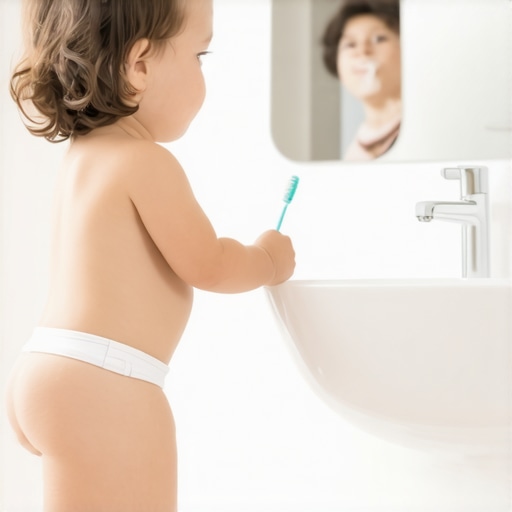
Turn Brushing Into a Mirror Game
Kids are natural mimics. If you stand over them like a drill sergeant, they freeze up or simply open wide for the ‘delivery.’ Instead, brush your own teeth right alongside them. Use a stool so they are at your height and can see exactly how you tilt your head and purse your lips to spit. This is the same principle experts use when teaching how to help your child stop sucking their thumb—you replace a passive, reflexive habit with an active, conscious behavior. Seeing the white foam leave your mouth gives them a visual goal to aim for.
Introduce the Tiny Smear method
Once they have mastered the water spit, reintroduce the paste, but stick to the grain-of-rice rule. If they swallow it, do not panic. The goal is not immediate perfection; it is consistency. When you are looking for expert tips for your best smile journey, you quickly realize that pediatric care is mostly psychology. If they see you taking your routine seriously, they eventually will too. If the flavor is still too enticing, try a milder mint or an unflavored fluoride paste to reduce the ‘candy’ association.
Manage the Texture and Flavor Temptation
Many children are sensory-seekers. The gritty texture and high-fructose flavoring are a recipe for a snack. If you have noticed your child is sensitive to other textures, like tags on clothes or certain foods, the toothpaste issue might be sensory. In those cases, a ‘naked’ brush for the first minute followed by a quick fluoride touch at the end can bridge the gap. While you are managing this transition, keep an eye on their overall development. Sometimes parents get worried about why your child’s baby teeth are not falling out, but usually, a solid brushing foundation makes those future milestones much easier to handle. Focus on the habit now, and the rest will fall into place.But here is the thing that most parents—and even many adults—get fundamentally wrong: they view dental milestones as isolated events. We tend to think that if a baby tooth has a cavity, it doesn’t matter because it’s going to fall out anyway. This is a massive mistake. In reality, baby teeth serve as the ‘GPS’ for permanent teeth. If a primary tooth is lost too early due to decay, the adult tooth underneath can erupt into a crowded mess. This often leads to parents asking how to tell if your toddler’s tooth gap is normal when, in fact, the issue often starts with neglected primary care. One common belief is that professional cleanings are just about making your smile look ‘sparkly’ for a week. I’ve seen countless patients skip their six-month appointments because their teeth ‘feel fine.’ However, teeth cleaning myths debunked by top dentists often reveal that the most critical part of the cleaning happens where you can’t see it—under the gum line. A study published in the Journal of Clinical Periodontology found that regular professional biofilm removal is the only way to prevent chronic inflammation that leads to bone loss. You simply cannot ‘brush away’ the hardened tartar that a hygienist handles.
Why do those brand-new adult teeth look so yellow in the sunlight?
This is the phone call I get most often from panicked parents. They see the first permanent incisor come in and it looks almost tan compared to the surrounding baby teeth. You might even start looking into cosmetic dentistry for discolored teeth before the kid is even in middle school. Here is the hidden nuance: baby teeth are naturally more translucent and have thinner dentin, which makes them look milky white. Adult teeth have much more dentin—the yellow-hued layer under the enamel—which makes them look ‘darker’ by comparison. It is a feature, not a bug. While you are at it, don’t be alarmed by the jagged edges on those new teeth; those are called mamelons, and understanding why your child’s new teeth look jagged on the bottom edge is simply a matter of realizing they haven’t been worn down by years of chewing yet.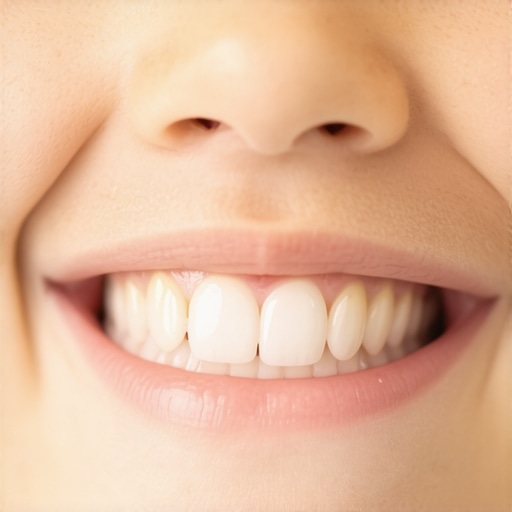 The real trap to avoid is the ‘wait and see’ approach with orthodontics. People often assume you need a full mouth of adult teeth before considering aligners. But why Invisalign is the future of clear braces is because of its application in early interceptive treatment, which can fix jaw alignment before the bones harden. Waiting until age 15 can sometimes turn a simple fix into a multi-year ordeal. Whether you are investigating Invisalign vs traditional braces or just trying to survive the morning brushing routine, the goal is proactive maintenance. Have you ever fallen into the trap of thinking you should wait until a problem ‘hurts’ before seeing a professional? Let me know in the comments.
Ditch the Manual Brush if You Want Real Results
The biggest shift in my family’s dental health didn’t come from a new brand of toothpaste, but from a piece of technology I initially thought was overkill: the oscillating-rotating electric toothbrush. I used to be a manual-brushing purist, convinced that my ‘technique’ was superior. I was wrong. The data is hard to ignore. Dr. Gordon Christensen, a renowned expert from the Clinicians Report, has often highlighted that high-end electric brushes can remove significantly more plaque than manual ones, primarily because they compensate for our human tendency to scrub too hard. I personally switched to a model with a pressure sensor because I realized I was literally sawing away at my gums. If you find your bristles flaring out after only a month, you are pressing too hard. This is where maintaining your teeth cleaning routine for long-term health becomes less about effort and more about using the right mechanics. By letting the motor do the work, you protect your enamel from the micro-abrasions that lead to sensitivity down the road. For anyone dealing with discomfort, checking out teeth cleaning for sensitive teeth what works best in 2025 will give you a head start on the latest desensitizing tools.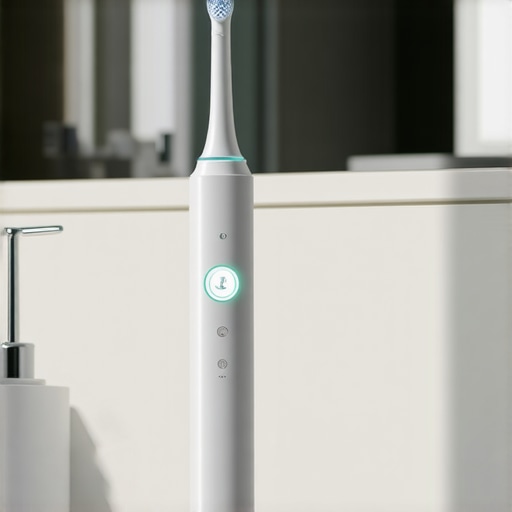
How do I maintain a professional-level clean when life gets chaotic?
Consistency is the enemy of a busy schedule, but I found that ‘stacking’ my habits saved my smile. I keep my floss picks in the shower and my water flosser on the counter where I can’t ignore it. If you are currently choosing the best invisalign options for your lifestyle, maintenance becomes even more critical. You aren’t just cleaning teeth; you are managing a prosthetic environment. I’ve seen so many people invest thousands into clear aligners only to let the trays become cloudy and odorous. I recommend using specialized cleaning crystals or a dedicated ultrasonic cleaner for your trays. It sounds like an extra step, but it prevents that ‘old saliva’ scent that can ruin your confidence. If you’ve struggled with this, you need to read about how to stop your invisalign trays from smelling like old saliva to keep your breath fresh.
The Future of Brushing is Surprisingly Data-Driven
Looking ahead, I predict we are going to see a massive surge in AI-integrated brushes that don’t just tell you *where* you missed, but analyze the *composition* of your plaque via bio-sensors. We are moving toward a world where your toothbrush might alert you to a pH imbalance before a cavity even forms. Until then, we have to rely on the fundamentals of invisalign maintenance expert tips for clear confident smiles and regular professional check-ins. If you want to take your routine to the next level today, I challenge you to try the ‘Two-Minute Dry Brush’ tonight. Brush your teeth for two full minutes with a completely dry brush before adding any paste. It forces you to feel the texture of your teeth—you’ll know exactly when the ‘furry’ feeling is gone. Only then, add a tiny smear of fluoride paste for the finish. Give it a try tonight and tell me if your teeth don’t feel twice as clean.
The Hardest Lesson I Learned While Waiting for the Tooth Fairy
Looking back at those early morning bathroom struggles, the biggest lightbulb moment for me was realizing that dental health isn’t just about the teeth—it is about the psychology of the routine. I spent so much time worrying about the ‘pink candy’ snacks that I ignored the fact that my child was just trying to do what I did. One deep reflection: mimicry is more powerful than any lecture. If they see you enjoying the process, they will too. I also learned that teeth cleaning myths often distract us from the basics; you don’t need fancy gadgets to start, just a tiny smear of paste and a lot of patience. Finally, I realized that choosing the right dentist who understands pediatric anxiety can change the entire trajectory of your child’s relationship with their smile.
A Simple Checklist for a Lifetime of Healthy Smiles
To move beyond the ‘swallow phase,’ I rely on a specific toolkit that makes the transition seamless. First, an oscillating electric toothbrush with a pressure sensor is a game-changer for older kids and adults alike, ensuring you never scrub away your enamel. Second, for anyone dealing with a picky child or personal discomfort, exploring teeth cleaning for sensitive teeth what works best in 2025 will help you find the right non-irritating products. Third, I keep a dedicated mirror stool in the bathroom so my toddler can see my technique clearly. These tools are the foundation for maintaining your teeth cleaning routine without it feeling like a daily battle of wills.
Believe in the Power of a Brighter Future
Whether you are currently dealing with a strawberry-paste-loving toddler or you are investigating why Invisalign is the future of clear braces for your own smile goals, remember that every small effort counts. Dental health is a marathon, not a sprint. The messy sinks and the ‘big spit’ practice sessions today are what prevent major issues tomorrow. By staying consistent and using Invisalign maintenance expert tips or simple brushing hacks, you are investing in a lifetime of confidence. Have you ever found a creative way to get your child to spit instead of swallow? Let me know your best tricks in the comments below!