
I stood there, toothbrush in hand, dripping with sweat while my toddler performed what I can only describe as a tactical retreat under the bathroom sink. It was Tuesday night, and we were thirty minutes into a three-minute job. The front teeth? Easy. A breeze. But the moment the bristles even glanced toward the back of his mouth, his jaw clamped shut like a steel trap. I felt like a total failure as a parent. I’d read all the books, bought the strawberry-flavored paste, and even sang the ‘brushy-brush’ song until my throat was hoarse. Nothing worked. I used to think he was just being a typical, defiant three-year-old, but I was wrong. I made the classic mistake of assuming it was a behavioral problem when it was actually a sensory one. Today, I am going to show you exactly why that ‘no-go zone’ exists and how we can finally get those molars clean without the tears.
Why Those Back Molars are the Final Boss of Bedtime
It isn’t just about being stubborn. When we talk about teeth cleaning secrets, we often focus on the technique, but we forget the anatomy. For a small child, the back of the mouth is a dark, crowded, and incredibly sensitive space. If you have ever noticed why your child’s gums look swollen, it might be those six-year molars making their debut, adding physical pain to the mix.
Is it possible my kid is actually sensitive to the brush?
You might be skeptical. You might think, ‘They eat crunchy crackers just fine, so why can they not handle a brush?’ Here is the kicker: the gag reflex. According to the American Academy of Pediatric Dentistry, a child’s gag reflex is often triggered much further forward on the tongue than an adult’s. When you shove a bulky plastic head into that tiny space, their body literally screams ‘danger!’ It is a survival instinct, not a tantrum. I spent months fighting this before I realized that choosing the right dentist who specializes in pediatric sensory needs could change the whole game. Does your bedtime routine feel more like a negotiation with a tiny, stubborn lawyer? You aren’t alone, and the fix is simpler than you think.
Stop the Squeeze and Start the Strategy
We need to move past the ‘power struggle’ mindset. If you are struggling with how to stop your toddler from biting the toothbrush, you are likely dealing with that same defensive reflex. We are going to break down the physical reasons for this refusal—from the ‘crowded mouth’ feeling to the actual discomfort of new teeth—and I will share the exact ‘pinky-finger’ trick that changed my life.The trick isn’t magic, it’s desensitization. Before the brush even enters the room, I spend thirty seconds massaging my son’s cheeks from the outside, then slowly moving a clean pinky finger along his gum line. This ‘pre-heating’ of the nerves tells the brain that touch is coming, which lowers the alarm bells. If your child has teeth cleaning for sensitive teeth, this preparation is non-negotiable. It is like stretching before a workout; you wouldn’t just sprint without a warmup, so don’t sprint into their mouth with a bristled plastic stick.
Master the Pinky-Finger Trick to Beat the Gag Reflex
The goal here is physical familiarity. When you use your finger, you have much more control and a softer touch than a plastic brush. I started doing this during ‘cuddle time’ rather than ‘bathroom time’ to break the association with the struggle. Once they are used to your finger near those back molars, you can introduce a brush. But not just any brush. You need to look into modern teeth cleaning innovations because the head of the brush needs to be tiny—half the size you think it should be.
Control the Tongue and You Control the Process
The tongue is a giant muscle that wants to protect the throat. If you cannot get past it, you will never hit the molars. I learned the best way to clean your tongue without triggering your gag reflex from a pediatric specialist: use your non-brushing hand to gently retract the cheek. This creates a ‘corridor’ of light. If you are struggling with how to get your preschooler to stop swallowing their toothpaste during this, use a smear of paste no larger than a grain of rice. That way, even if they swallow while you are focused on the back, it is perfectly safe. #IMAGE_PLACE_HOLDER_B#
Ditch the Stool and Use the Lap Technique
The biggest game-changer for me was changing our physical geometry. Standing at the sink is for adults. For a toddler, it is a position of instability. I remember one specific Tuesday where I finally gave up on the stool. I sat on the rug, had my son lie down with his head in my lap, and looked down into his mouth from above. It was like a lightbulb went off. From this angle, his jaw naturally relaxed more than when he was standing up, trying to look at himself in the mirror.
Why Gravity is Your Best Friend
When they are lying back, the tongue naturally falls away from the roof of the mouth, giving you a clear shot at the biting surfaces of those molars. This position also allows you to stabilize their head with your thighs. It sounds clinical, but it is actually very cozy. We started calling it ‘The Dentist Chair Game.’ If you have concerns about why your child’s new teeth look jagged on the bottom edge, this is the best position to get a clear, close-up look at the anatomy without them wiggling away.
Timing the Brush Strokes Like a Pro
Instead of ‘scrubbing,’ think ‘sweeping.’ You want to use short, circular motions on the molars. I used to think I needed long strokes to be efficient, but that just triggered the ‘bite’ reflex. If you are worried about how to stop your toddler from biting the toothbrush, the key is to keep the brush moving. Static pressure is what makes them want to clamp down. Move fast, stay light, and focus on the junction where the tooth meets the gum.While we are fighting the good fight with our toddlers’ back molars, many adults are making a critical error in their own routines. We often equate ‘clean’ with ‘scrubbed,’ but this is a fundamental misunderstanding of oral biology. The biggest mistake is focusing on friction rather than disruption. We think we are polishing our pearls, but we might be grinding down the very protection they have. According to many common teeth cleaning myths debunked by top dentists, the goal of brushing isn’t to sand-blast your teeth. It is to gently disrupt the soft biofilm of bacteria. If you use too much pressure, you are not getting cleaner; you are just causing permanent damage. I fell into the ‘more is better’ trap myself for years, buying the stiffest bristles I could find. But the ‘Oops’ factor here is real: aggressive brushing is the leading cause of gum recession. If you have been searching for teeth cleaning for sensitive teeth, your proactive scrubbing might actually be the source of your pain. A study published in the Journal of Clinical Periodontology confirms that excessive force does not lead to better plaque removal but instead leads to significant tissue trauma. Switching to modern teeth cleaning innovations like sonic technology can help regulate that pressure for you.
Is a professional cleaning actually necessary if your teeth already look white?
This is the question I get most often from friends who think their DIY whitening kits are doing the heavy lifting. Here is the contrarian truth: white teeth do not always equal healthy teeth. You can have a Hollywood-white smile and still have deep pockets of infection under the gumline. This is why cosmetic dentistry myths debunked what you really need to know often center on the difference between aesthetics and health. A cleaning isn’t just a car wash for your mouth; it is a diagnostic deep-dive. If you ignore the health of the foundation, those white teeth won’t have anything to sit in ten years from now. The same logic applies to orthodontic work. Many people view clear aligners as a purely vanity-driven choice. However, why Invisalign is the future of clear braces has less to do with how they look and more to do with how they function. Crowded teeth are nearly impossible to clean perfectly, no matter how good your technique is. By using the ultimate guide to Invisalign for adults in 2025, you realize that straightening your teeth is actually a preventative health measure to stop decay in those tight, overlapping spaces. 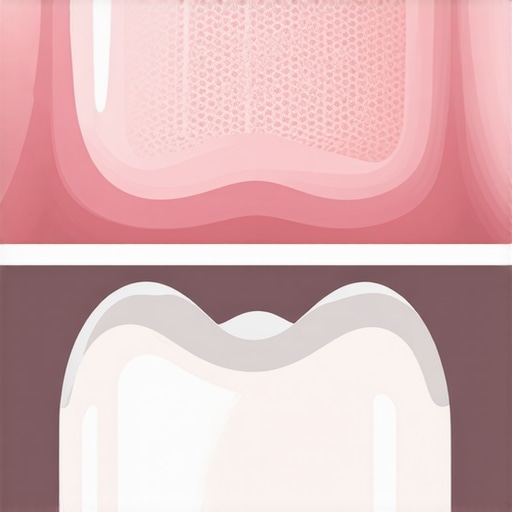 Finally, we have to talk about the charcoal trend. It looks cool on social media, but the truth about charcoal toothpaste and your tooth enamel is that it is essentially like using sandpaper on a glass window. It might take the surface dirt off, but it leaves permanent micro-scratches that actually trap more stains over time. Have you ever fallen into this trap of over-brushing or using trendy ‘natural’ whiteners? Let me know in the comments below. Let’s start focusing on gentle disruption rather than aggressive destruction.Building a routine that actually sticks is less about willpower and more about the gear you have sitting on your vanity. I switched to a sonic toothbrush with a built-in pressure sensor three years ago, and it was the single best investment for my gums. Why? Because it stops the vibration the second I press too hard. If you have been wondering why your jaw feels like it is vibrating when you use an electric toothbrush, it might just be the motor working overtime to compensate for your grip. For those of us juggling a busy schedule, maintaining your teeth cleaning routine for long-term health means making the process frictionless. I personally swear by a water flosser for those hard-to-reach molars we talked about earlier. It’s a game-changer for clearing out debris without the ‘sawing’ motion of traditional floss that often leads to bleeding.
How can I keep my smile looking its best for years?
The secret isn’t a one-time procedure; it’s the maintenance phase. If you’ve invested in your alignment, you need to follow Invisalign maintenance expert tips for clear confident smiles religiously. I keep a dedicated ‘go-bag’ for my aligners that includes a high-quality case and a small bottle of ultrasonic cleaner. One of the most common pitfalls is staining; I learned the secret to drinking iced coffee with Invisalign without staining your teeth is all about the timing and a quick rinse immediately after. I predict that in the next five years, we will see smart brushes that use AI to map your mouth in real-time, highlighting the exact spots you missed on a smartphone app. This isn’t science fiction—modern teeth cleaning innovations like Invisalign innovations why 2025 is the year for a perfect smile are already heading this way. According to a systematic review by the Cochrane Library, powered toothbrushes provide a statistically significant reduction in plaque and gingivitis compared to manual brushing over both the short and long term. If you’re serious about scaling your oral health, don’t just brush harder; brush smarter by using tools that do the heavy lifting for you. 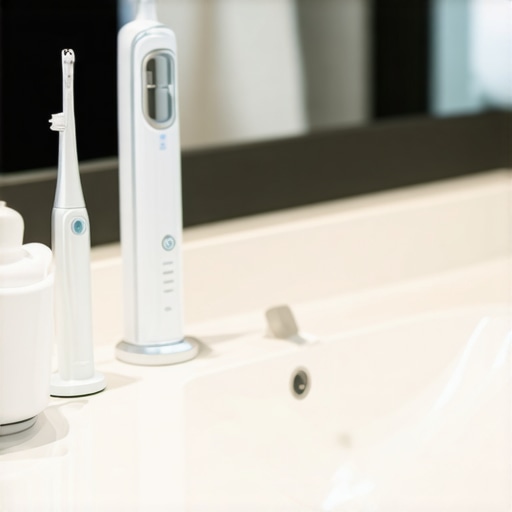 I want you to try one thing tonight: swap your manual brush for a sonic one, or if you already use one, focus entirely on the gum line rather than the tooth surface. You will feel the difference in the ‘squeak’ of your teeth within forty-eight hours.
Lessons from the Bathroom Floor That Changed My Parenting
Reflecting on those nights spent under the sink, I realized that a child’s ‘refusal’ is almost always a form of communication rather than a challenge to authority. If the back molars are an absolute no-go zone, it is usually because the sensation is physically overwhelming. I stopped looking for generic parenting hacks and started looking for teeth cleaning secrets grounded in sensory biology. The gag reflex is a powerful biological opponent; you cannot out-argue it, you have to out-maneuver it with patience. I also learned that how regular teeth cleaning can prevent major dental issues is the most important lesson to teach early, as it prevents the need for invasive procedures later. Consistency will always beat perfection—even if you only get a few good swipes on the molars tonight, you are building the pathway for a lifetime of health.
The Dental Toolkit I Trust for My Family
Building a better routine requires the right gear to lower the friction for both you and your child. I personally recommend a sonic toothbrush with a built-in pressure sensor; it removes the manual ‘scrubbing’ instinct that causes harm. Additionally, choosing the right dentist who understands pediatric sensory needs is a game-changer for transitioning home care into professional success. For the adults in the house, following Invisalign maintenance expert tips for clear confident smiles is non-negotiable if you are investing in your alignment. I also swear by water flossers for those tight spaces between molars that traditional floss simply cannot reach without a struggle. #IMAGE_PLACE_HOLDER_E#
Take the First Step Toward a Brighter Smile
You do not have to overhaul your entire bedtime routine overnight. Start with one small change—perhaps it is trying the ‘lap technique’ or finally booking that appointment to have those cosmetic dentistry myths debunked what you really need to know by a professional. Your long-term oral health is an investment in your overall well-being, and maintaining your teeth cleaning routine for long-term health is a gift you give to your future self. Whether you are dealing with a stubborn toddler or your own sensitive gums, remember that gentle disruption is always better than aggressive force. Have you tried the ‘lap technique’ with your toddler, or is there another trick that works for those stubborn molars? Let me know in the comments below!