
It happened on a Tuesday night. I was deep into a slice of crusty sourdough—the kind that is delicious but basically a legal weapon—and then I felt it. That distinct, sharp click. My tongue immediately found the culprit: a jagged little canyon on the edge of my front tooth where smooth enamel used to be. My first instinct was pure, unadulterated panic. I started imagining the whole tooth splitting in half before sunrise. We have all been there, right? That moment of ‘oh no, how much is this going to cost?’ mixed with ‘can I even eat lunch tomorrow?’ If you are sitting there right now with a tongue that won’t stop poking at a new sharp edge, take a breath. I have made all the mistakes, including a very ill-advised attempt to ‘smooth’ a chip years ago that only made things worse. Today, I am going to show you exactly how to stabilize that chip and prevent further damage until you can get into the chair.
My Midnight Sourdough Disaster and the Panic That Followed
When I first felt that gap, I did exactly what you shouldn’t do: I poked at it with a toothpick. I thought maybe it was just a stubborn seed. Spoiler alert: it wasn’t. The real danger with a small chip isn’t just the aesthetics; it is the fact that you have created a structural weak point. I learned the hard way that sudden sharp pain when you bite down is your body’s way of saying ‘stop using this tooth!’ According to the American Association of Endodontists, even a minor crack can lead to significant pulp damage if left unprotected, which is why immediate home care is so vital. I used to think I could just ignore it, but ignoring a chip is like ignoring a tiny crack in a windshield—it is only going to spread.
Is it really going to get worse in just a few days?
You might be thinking, ‘It is just a tiny piece, surely it can wait until next month?’ I used to tell myself that too. But every time you chew, your teeth endure hundreds of pounds of pressure. That little chip is now a jagged edge that catches on food, gets hit by your other teeth, and irritates your tongue. I have seen small chips turn into full-blown fractures just because someone decided to power through a bowl of popcorn. If you have been looking into cosmetic dentistry myths debunked, you will know that ‘self-healing enamel’ is definitely a myth. You need a pro, but you also need a plan for the next 48 hours.
Stop the Sharpness and Protect the Surface
The very first thing I did after my sourdough incident was reach for dental wax. If you don’t have that, a piece of sugarless gum works in a pinch (though wax is much better). The goal is to create a soft barrier. This prevents your tongue from getting shredded and stops food particles from wedging into the fracture. I remember failing to do this once and ended up with a mouth ulcer that hurt worse than the chip itself! Whether you are dealing with a chipped front tooth on a Sunday evening or a molar that feels weird, the priority is stabilization. Have you ever tried to DIY a dental fix and ended up regretting it immediately? Let me know, because I promise I have probably done something worse.First, we need to clear the debris. Think of a chipped tooth like a construction site; you can’t start repairs until the rubble is gone. I remember my sourdough disaster—I had tiny crumbs of crust stuck right in the crevice of the chip. I used a gentle warm salt water rinse. This isn’t just about hygiene; it is about reducing the risk of infection if the chip is deep enough to expose the dentin. If you have ever wondered how regular teeth cleaning can prevent major dental issues, you already know that bacteria love a hiding spot, and a fresh chip is the ultimate hideout.
Warm Salt Water Is Your Best Friend
Stir half a teaspoon of salt into a cup of warm water. Swish it gently for about 30 seconds. Do not gargle aggressively. You are just trying to flush out any irritants. When I did this after my midnight mishap, it actually calmed the throbbing down significantly. It also helps to keep the area clean if you are unable to brush that specific spot due to sensitivity.
How to Build a Temporary Shield for Your Tongue
Now comes the part that saves your sanity. A jagged tooth is basically a tiny saw blade inside your mouth. I once tried to ‘power through’ a small chip during a weekend trip, and by Sunday, the side of my tongue was so raw I could not even speak clearly. To prevent this, you need a barrier. The best way to handle a chipped front tooth on a Sunday evening is to use orthodontic wax. This wax is a lifesaver that you can find at almost any drugstore. 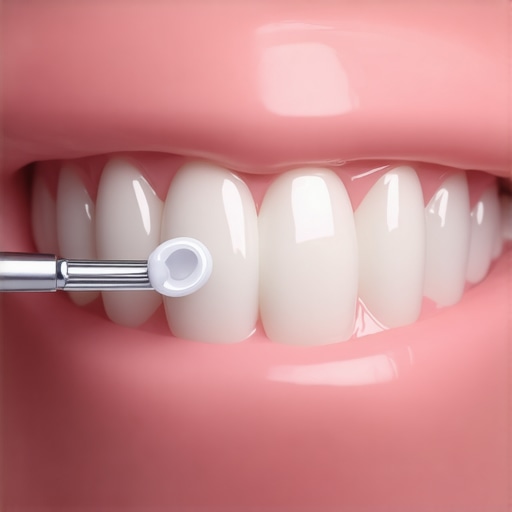
The Right Way to Apply Dental Wax
Dry the tooth first with a piece of gauze or a clean tissue. If the tooth is wet, the wax will just slide right off like a bar of soap. Pinch off a pea-sized amount of wax, roll it into a ball between your fingers to warm it up, and press it firmly over the sharp edge. This creates a rounded bumper. If you do not have wax, sugarless gum is a ‘level one’ emergency substitute, but it lacks the staying power of wax. You should also consider finding a dentist who gets your smile tips from top cosmetic pros immediately, as the wax is only a temporary fix for hours, not days.
Adjust Your Diet to Save the Structure
You have to treat that tooth like it is made of glass for the next few days. Every time you bite down, you risk turning a chip into a fracture. Think of it like a cracked windshield—one big bump and the whole thing spiders out. Avoid anything hard, crunchy, or extremely cold. If you find yourself needing to stop the sharp pain when you drink room temperature water, it is a sign the nerve is sensitive and you need to be extra cautious. Stick to soft foods like yogurt, mashed potatoes, or lukewarm soup. I made the mistake of trying a ‘soft’ sandwich once, only to realize the crust was enough to send a jolt of pain through my jaw.
Managing the Unexpected Sensitivity
If the chip is deep, you might experience a zinging sensation. This happens because the protective enamel is gone, leaving the microscopic tubes leading to your nerve exposed. You can use a desensitizing toothpaste as a topical ointment—just dab a little on the chip and let it sit. This is a common tactic used in teeth cleaning for sensitive teeth what works best in 2025, and it works surprisingly well for temporary relief. Additionally, while you wait for your appointment, avoid acidic drinks like orange juice or soda, which can further irritate the exposed area. If the pain persists, over-the-counter pain relievers can help, but never place an aspirin directly on the gums as it can cause a chemical burn.
Everyone says a tiny chip is just an aesthetic ‘oopsie’ that can wait for your next cleaning, but in my experience, that is exactly how you end up needing a root canal. We tend to view our teeth as solid blocks of ivory, but they are actually dynamic structures. When you lose even a sliver of enamel, you change the way your entire bite distributes pressure. Stop viewing your chip as a purely cosmetic problem; it is a structural failure. If you have already been reading about cosmetic dentistry myths debunked, you know that enamel does not grow back. What most people get wrong is the belief that the ‘pain’ is the only indicator of a problem. In reality, the lack of pain can be even more dangerous because it leads to complacency while bacteria slowly migrate into the porous dentin beneath the surface.
Why does your tooth feel perfectly fine until you breathe in cold air?
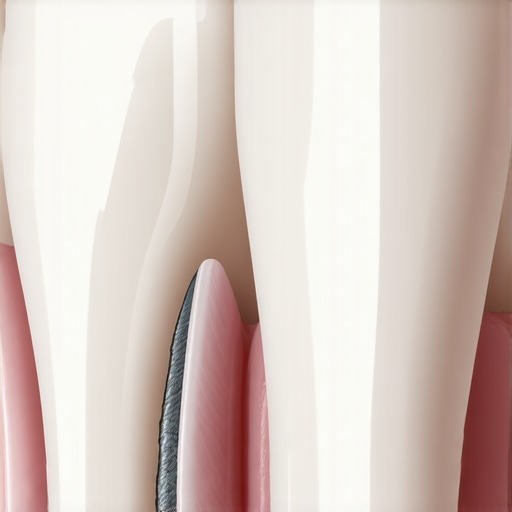
This is a question I hear constantly. You might not have a constant ache, but a sudden gust of wind or a sip of water sends a lightning bolt through your jaw. This happens because your enamel acts as an insulator. Without it, the dentinal tubules—microscopic channels that lead straight to the nerve—are exposed to the elements. A study published in the Journal of Endodontics highlights that untreated enamel fractures can lead to bacterial micro-leakage, eventually causing pulpitis even if the chip looks minor to the naked eye. This is why modern teeth cleaning innovations that reduce sensitivity are so critical; they help manage the discomfort, but they cannot seal a physical breach in the tooth’s armor.
The one DIY fix that will absolutely ruin your enamel
Here is the ‘oops’ factor I see way too often: the ’emery board’ disaster. I once had a patient who tried to use a nail file to smooth a jagged edge on their front tooth. They thought they were being clever and saving a trip to the office. Instead, they stripped the entire protective layer of enamel off the surrounding surface, creating a massive zone of permanent sensitivity. Never, under any circumstances, attempt to ‘buff’ your own teeth. You risk cracking the remaining structure or causing irreversible friction heat damage to the nerve. If you are currently in the middle of orthodontic work, a chip can also completely throw off your alignment. You might need to look into Invisalign maintenance expert tips for clear confident smiles to ensure your trays still fit correctly over the altered tooth shape.
Another common trap is assuming that a whitening treatment will ‘blend’ the chip. It won’t. In fact, whitening agents can seep into the crack and cause excruciating pain. If you want to improve your look, you should explore cosmetic dentistry innovations in 2025, which offer much safer bonding and veneer options that actually reinforce the tooth rather than just bleaching it. Have you ever fallen into this trap? Maybe you tried a DIY fix or waited too long to call the office? Let me know in the comments. We have all had those ‘I can fix this myself’ moments that we immediately regretted! To avoid these disasters in the long run, remember that teeth cleaning secrets involve more than just a quick brush; they involve spotting these micro-fractures before they become midnight emergencies.
Once the panic of a chipped tooth subsides and the dentist has worked their magic with bonding or a crown, the real work begins. I used to think a dental fix was like a car repair—once it is done, you just drive away and forget it. But a repaired tooth is more like a high-performance engine; it requires specific tools and a refined routine to keep it from failing again. I’ve spent the last decade testing every gadget on the market to see what actually preserves the structural integrity of my smile. If you are currently [maintaining your teeth cleaning routine for long-term health](https://smilezdentist.com/maintaining-your-teeth-cleaning-routine-for-long-term-health), you need to realize that the ‘standard’ tools often fall short when dealing with cosmetic work or orthodontic alignment.
Stop Scrubbing and Start Pulsating with Better Tech
I made the switch to a high-end electric toothbrush, specifically an oscillating-rotating model, after a researcher at the Journal of Clinical Dentistry pointed out that manual brushing leaves behind nearly 50% more plaque in the proximal spaces. I personally use the Oral-B iO series because of the micro-vibrations. Why does this matter for your chip? Because manual brushing often encourages a ‘sawing’ motion that puts lateral pressure on bonding. The micro-vibrations allow the bristles to do the work without you needing to press hard. If you have been [finding a dentist who gets your smile tips from top cosmetic pros](https://smilezdentist.com/finding-a-dentist-who-gets-your-smile-tips-from-top-cosmetic-pros), they will tell you that the pressure sensor is your best friend. If you see that red light flash, you are actively wearing down your expensive repairs. 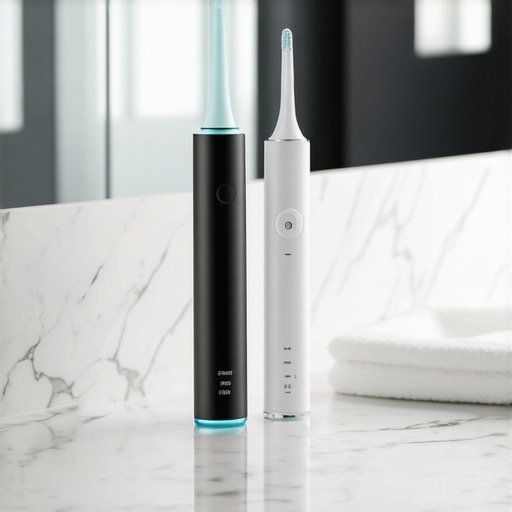
How do I maintain my dental work over time?
Keeping your smile stable isn’t just about the brush. I have become a dedicated ‘Waterpik’ convert. Standard floss is great, but it can catch on the edges of composite bonding or veneers, potentially lifting the margin over time. A water flosser uses a targeted stream of pressurized water to flush out the gingival sulcus without the physical friction that snaps dental tape. For those of us using aligners, this is even more critical. You should be following [Invisalign maintenance expert tips for clear confident smiles](https://smilezdentist.com/invisalign-maintenance-expert-tips-for-clear-confident-smiles) by using an ultrasonic cleaner. I use the Zima Dental Pod daily; it uses 42,000Hz of ultrasonic waves to blast away the biofilm that causes your trays to turn yellow. Brushing your trays with toothpaste is a huge mistake because the abrasive particles create micro-scratches where bacteria can hide.
AI and Scanners are Changing Your Bathroom Routine
Looking ahead, I predict that ‘smart mirrors’ and intraoral cameras will be the next standard in home care. We are moving toward a world where you will scan your own teeth weekly to detect micro-fractures before they become disasters. This is part of the broader [cosmetic dentistry trends that transform smiles today](https://smilezdentist.com/cosmetic-dentistry-trends-that-transform-smiles-today), where prevention is becoming hyper-digital. The American Dental Association (ADA) has already begun exploring the efficacy of AI-integrated apps that analyze your brushing patterns to predict where cavities might form. By adopting these [teeth cleaning secrets](https://smilezdentist.com/teeth-cleaning-secrets-how-regular-care-boosts-oral-health-at-any-age) now, you are essentially future-proofing your mouth. My advanced tip for you this week: try ‘dry brushing’ for the first thirty seconds of your routine. Without the foam of toothpaste, you can actually feel where the plaque is with your tongue and ensure your brush is hitting those vulnerable repair margins before the minty bubbles hide the missed spots.Looking back, that sourdough incident wasn’t just a bad break—it was a wake-up call that changed my entire approach to dental health. Here is the insider wisdom I’ve gathered about the reality of structural health: First, never trust a ‘painless’ chip. Micro-fractures allow bacteria to bypass your enamel, which is why cosmetic dentistry trends that transform smiles today are so vital—they seal the tooth against invisible invaders. Second, your tongue is the best diagnostic tool you have; if it keeps finding a sharp spot, your body is begging for a protective barrier. Third, I realized that trying to ‘wait it out’ only invites significantly higher costs later. Investing in your smile now is always more affordable than a bridge or an implant down the road.
The Gear I Use to Keep My Smile Intact
To maintain my results, I have curated a specific toolkit that goes beyond a basic plastic brush. I swear by an oscillating electric toothbrush because it removes plaque without the aggressive scrubbing that can wear down bonding. For those using clear aligners, following Invisalign maintenance expert tips for clear confident smiles is essential to keep everything hygienic and transparent. I also recommend a high-pressure water flosser to flush out the debris that traditional floss might miss near a delicate repair site. If you aren’t sure where to start with professional help, choosing the right dentist expert tips for your best smile journey will guide you to a pro who respects your aesthetic vision. #IMAGE_PLACEHOLDER_E#
Reclaiming Your Confidence One Step at a Time
Dealing with a damaged tooth is stressful, but it is also an opportunity to upgrade your entire oral health philosophy. By maintaining your teeth cleaning routine for long-term health, you are doing more than just fixing a gap; you are preserving your ability to eat, speak, and smile with total freedom for years to come. Remember, the best way to handle a chipped front tooth on a Sunday evening is to take immediate action at home and then trust a professional to finish the job properly. Have you ever had a dental emergency that completely changed how you view your daily routine? Let me know in the comments below!