
I will never forget the sound of the thud on the hardwood floor. It was one of those slow-motion parenting moments where you are just a split-second too far away to catch them. When I scooped up my two-year-old, I expected a lip laceration or maybe a tooth on the rug. But when I wiped away the initial blood to check the damage, my heart actually stopped. His front tooth was gone. It was not on the floor, and it was not in his mouth—it had been driven straight up into the gum, vanishing like a turtle retreating into its shell. In my absolute panic, I almost made the massive mistake of trying to reach in and wiggle it back down. I thought I could just ‘fix’ it. Thankfully, I stopped myself. While I felt like a pro at getting him to stop biting his toothbrush, I was totally unprepared for dental intrusion. Today, I want to share the exact steps I took (and the ones I should have skipped) to help you keep your cool and save your child’s future smile. Have you ever had one of those ‘heart-in-your-throat’ moments where a simple playdate turned into a dental emergency?
Why You Must Keep Your Hands Away from the Intruded Tooth
It is our instinct as parents to try and mend what is broken immediately. However, when a baby tooth is pushed into the gum, the real danger is not the tooth you can’t see—it is the permanent tooth bud developing right above it. My biggest mistake early on was assuming that if I could just see the tooth, everything would be fine. In reality, poking or prodding that area can actually cause more trauma to the underlying adult tooth. According to the American Association of Endodontists, traumatic dental injuries occur in about 25% of all school-aged children, and the way you handle the first hour is critical. Instead of playing amateur dentist, your job is to manage the bleeding and get on the phone for professional dental advice. If you have dealt with handling a loose tooth from a sports injury, you know that stability is key, but with intrusion, ‘hands-off’ is the golden rule.
Is this going to ruin their adult smile forever?
This is the fear that kept me up at 2:00 AM. You worry that because the baby tooth took a detour into the jaw, the adult tooth will come in crooked, discolored, or not at all. While the risk exists, baby teeth are surprisingly resilient. Often, the tooth will actually re-erupt on its own over a few months. You might be staring at their gums now thinking they will eventually need to know how we use composite resin to fix gaps or other cosmetic fixes, but in many cases, nature takes over and pushes that tooth back into place. It is a slow process, and it requires a lot of patience, which I know is in short supply when your kid is crying. Even if the adult teeth eventually look a little different—perhaps like those jagged edges you see on new permanent teeth—most issues are fixable down the road. The priority right now is preventing infection and ensuring the tooth didn’t fracture the alveolar bone. If you’ve ever wondered what to do if a permanent tooth gets knocked out, you know how different the protocol is; for toddlers and baby teeth, we are playing a much longer game of observation.The first thing I did was grab a clean washcloth and cold water. It sounds simple, but when you are looking at a bloody gap where a tooth used to be, you forget basic physics. I applied firm but gentle pressure to stop the oozing. Think of it like a minor scrape on the knee; the mouth just bleeds more because it is a wet environment. I remember my son was more upset by the cold cloth than the actual injury at that point. Once the bleeding slowed, I did not try to look for the tooth. I knew it was pushed up, and my job was to keep him calm until we could see a professional.
Stop the Bleeding Before You Call the Office
The mouth is incredibly vascular, meaning even a small nick looks like a scene from a horror movie. Your first goal is visibility. Use a damp, cold compress to provide both pressure and a numbing effect. If your child is old enough, have them bite down gently on the gauze. This stabilizes the area. Avoid using ice directly on the gums, as it can cause further tissue damage. I remember feeling so helpless, but focusing on the physical task of holding that cloth gave me a sense of control.
Make an Immediate Triage Call
You are not just calling for an appointment; you are calling for a triage. Tell the receptionist exactly what happened: ‘My child had a fall, and the tooth is partially or fully intruded.’ They need to know if the tooth is wiggling or if it is completely gone. While you are waiting for the dentist to call back, resist the urge to feed them anything crunchy or hot. Stick to room-temperature liquids. If you have ever had to handle sharp pain from room-temperature water, you know how sensitive those nerves are when exposed to trauma.
Monitor for the Shadow of an Infection
Once the initial shock wears off, the real work begins. You are now the ‘night watchman’ for that tooth. For the next two weeks, you need to check the gums daily for a ‘gum boil’ or a small pimple-like bump above the site of the injury. This is a tell-tale sign of infection. If you see it, the tooth might need to be extracted to protect the permanent tooth underneath. Often, regular teeth cleaning can prevent major issues from spiraling, but trauma requires a much closer, daily inspection.
Clean the Area Without Scrubbing
You might be tempted to avoid brushing the area entirely, but bacteria are the enemy here. Use a very soft-bristled brush or even a piece of gauze to wipe the gums. Think of it like modern teeth cleaning innovations that focus on being gentle yet effective. You want to clear away food debris without disturbing the healing tissue. I used a tiny ‘finger brush’ and sang a song to make it less scary for my little guy.
Watch the Color Changes Like a Hawk
Do not panic if the tooth starts to look a little different as it re-erupts. It might turn slightly yellow, gray, or even pinkish. This is the tooth’s way of reacting to the trauma, similar to a bruise. While a gray tooth can sometimes mean the nerve is dead, in baby teeth, it does not always necessitate an immediate root canal. My son’s tooth turned a faint shade of slate for about a month before it started to lighten up again. It was a stressful thirty days, but his dentist at our next professional consultation explained that the blood supply was simply reforming. If you are worried about future aesthetics, remember that cosmetic enhancements are always an option later, but health comes first now.
While the immediate panic of a dental injury is one thing, the journey toward a long-term ‘perfect’ smile often leads parents and adults into a different kind of trap. Everyone says that a bright white smile is the ultimate sign of health, but in my years of clinical observation, I have found that chasing the brightest possible shade can actually be a mask for deeper issues. In fact, some of the most beautiful-looking teeth I have seen were technically fragile because the patient prioritized aesthetics over structural integrity. When you are looking at cosmetic dentistry myths debunked by top dentists, the biggest revelation is often that ‘natural’ beats ‘perfect’ every time. You do not want a smile that looks like a row of opaque white piano keys; you want a smile that has depth, translucency, and life.
Stop Chasing the Refrigerator White Shade
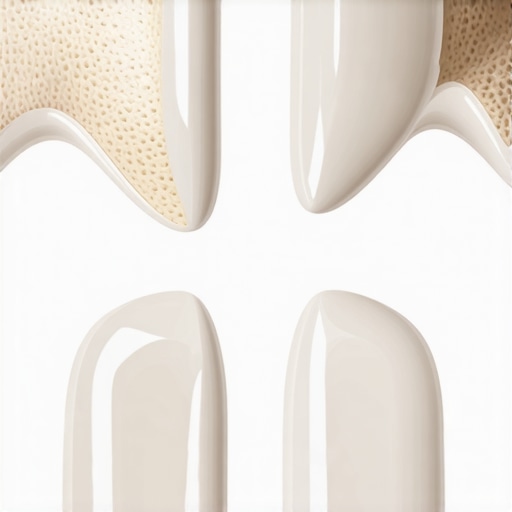
One of the most common mistakes I see is the ‘bleaching spiral.’ People assume that if their teeth are yellowing, they just need more chemicals. However, if your enamel has worn down over time, the yellow you are seeing is actually the dentin shining through. Adding more bleach won’t fix this; it will just make your teeth more porous and sensitive. This is why the best way to whiten your teeth if you have naturally thin enamel often involves restorative work like bonding rather than just more gel. I once had a patient who bleached so aggressively her teeth actually started to look translucent and gray at the edges. This happens because the bleach strips away the very minerals that give teeth their ‘body.’ If you have noticed why your teeth look blue in certain lighting, you might already be over-whitening and damaging your micro-structure.
Can your enamel actually be too thin for professional whitening?
This is a question I get from patients who have spent years on a high-acid diet or dealing with bruxism. The answer is a resounding yes. According to a study published in the Journal of Dentistry, over-application of high-concentration hydrogen peroxide can lead to a significant decrease in the microhardness of human enamel. When enamel is compromised, the ‘oops’ factor kicks in: you are no longer just cleaning the tooth; you are eroding it. This is why teeth cleaning myths debunked by top experts emphasize that a cleaning should feel like a reset, not a sanding down of your natural protection. Advanced cosmetic work is not just about the color; it is about the physics of how light hits the tooth surface. We spend an incredible amount of time on how we match the exact texture of your natural teeth with a porcelain veneer because without those tiny ridges and grooves (called perikymata), the tooth looks fake. If you are considering a transformation, choosing the right dentist with expert tips is the only way to ensure you don’t end up with a ‘flat’ smile. Have you ever fallen into the trap of thinking ‘whiter is always better’ only to end up with sensitive teeth? Let me know in the comments.
Once you move past the immediate trauma of a dental emergency or the initial excitement of a whitening treatment, you enter the ‘maintenance phase.’ This is where most people drop the ball. They treat their dental work like a car they never oil-change, and then wonder why the results fade. In my personal routine, I’ve found that the real secret isn’t just brushing longer; it’s using the right technology to address the areas your eyes can’t see. For example, I swear by an ultrasonic cleaner for my retainers and night guards. If you have ever struggled with how to clean the stubborn cloudiness off your night guard, you know that scrubbing with a toothbrush just creates micro-scratches where bacteria hide. An ultrasonic bath uses high-frequency sound waves to implode bubbles against the surface, cleaning deeper than any manual brush ever could.
Your toothbrush isn’t enough on its own
To keep a smile looking ‘fresh-from-the-dentist,’ you have to get serious about biofilm management. I personally use a water flosser every single night before I even touch my electric toothbrush. Why? Because loosening the debris first allows the fluoride in your toothpaste to actually reach the tooth surface. This is especially critical if you are currently in clear aligners. You might notice why your Invisalign trays feel tighter on some days than others; often, it is microscopic inflammation in the gums caused by trapped plaque. By using expert Invisalign maintenance tips, like soaking your trays while you eat, you prevent that ‘plastic’ smell and keep the material crystal clear. A study published in the International Journal of Environmental Research and Public Health confirmed that power toothbrushes (specifically sonic technology) significantly reduce gingival inflammation compared to manual brushing, but only when paired with interdental cleaning.
#IMAGE_PLACE_HOLDER_D#
How can I make these results last for the next decade?
Maintenance is a marathon, not a sprint. If you’ve invested in your look, you need to be proactive about the environment you put your teeth in. For the coffee lovers among us, I always recommend the ‘rinse rule.’ You don’t have to give up your latte, but knowing the secret to drinking iced coffee with Invisalign—which is essentially a quick water rinse immediately after—can save you hundreds in professional stain removal later. Furthermore, maintaining your teeth cleaning routine means scheduling those visits before you feel pain. I predict that in the next five years, we will see a massive shift toward AI-integrated dental apps that use your phone’s camera to scan for early signs of enamel demineralization at home. We are moving away from ‘reactive’ dentistry and toward a ‘predictive’ model where your smartphone tells you to floss better before a cavity even forms.
Look out for the rise of smart dental tech
The future of cosmetic dentistry isn’t just about better porcelain; it’s about better biology. We are already seeing innovations in ‘smart’ fillings that can release minerals to heal the surrounding tooth. But until that becomes mainstream, your best tool is consistency. If you haven’t tried an intraoral camera yet, ask your dentist to show you the ‘tour’ of your own mouth at your next visit. Seeing your own teeth at 40x magnification is a life-changing motivator. I encourage you to try one advanced tip this week: swap your standard mouthwash for a pH-neutralizing rinse. It stops the acid erosion that makes teeth look transparent and keeps your enamel thick and vibrant. If you’re ready to see how modern tech can change your specific situation, it might be time for a professional consultation to map out your long-term plan.
What I Learned While Waiting for a Tooth to Reappear
The biggest revelation from my son’s injury wasn’t about the physics of the impact, but about the incredible resilience of a child’s mouth. I realized that patience is the hardest prescription to follow; sometimes, doing nothing is more active than intervening. I also learned that monitoring your child’s sleep habits during recovery can reveal a lot about their stress levels and healing progress. Most importantly, I discovered that even if things look different for a while, like the jagged edges on new adult teeth we often see later, most ‘permanent’ damage isn’t nearly as scary as it feels in that first bloody minute of an accident.
My Trusted Arsenal for a Lifetime Smile
I no longer rely on a standard manual brush for our family’s dental health. To keep results pristine, I recommend investing in an ultrasonic cleaner; it’s the only way I’ve found to successfully clean the stubborn cloudiness off your night guard without creating microscopic scratches. I also swear by the rinse-and-go rule. If you are a coffee lover, knowing how to keep your clear aligners from staining by rinsing with plain water immediately after your latte is a total game-changer. Lastly, I always keep a pH-neutralizing rinse on hand to protect enamel from the acid erosion that can make teeth look thin and transparent over time.
You Can Handle This Smile Journey
Whether you are managing a toddler’s emergency or navigating the world of cosmetic dentistry for yourself, remember that you are your smile’s best advocate. It is always about the long-term health and structural integrity, not just a single aesthetic moment in time. If you are feeling overwhelmed by a recent injury or a complex treatment plan, don’t hesitate to reach out for a professional consultation to get a clear, calm roadmap for your future. Have you ever had a dental scare that turned out much better than you initially expected? Let me know in the comments below!