
It was 8:14 PM on a rainy Sunday, and I was finally settling in with a bowl of slightly-over-salted popcorn. One bite. One tiny, unpopped kernel. Crunch. That sound didn’t come from the corn; it vibrated straight through my skull. I ran my tongue along the back of my front tooth and felt it: a jagged, sharp crater where my smooth enamel used to be. Panic is a funny thing. It makes you want to reach for the superglue or try to file the tooth down with an emery board. Please, for the love of your smile, don’t do what I almost did. I’ve made those mistakes so you don’t have to, and tonight, I’m going to walk you through the exact steps to keep your cool and save your tooth before the dentist even opens their doors on Monday morning.
Save the Fragment and Protect Your Tongue Immediately
The very first thing you need to do—besides spitting out the popcorn—is find the piece of tooth if it actually came out. If you can find it, you’re already halfway to a easier fix. I once lost a chip down the sink drain because I was shaking so hard, so plug that drain first! According to the American Association of Endodontists, over five million teeth are knocked out or chipped every year, and the way you handle the first sixty minutes determines the outcome. If the piece is large, you should follow the same rules as a lost tooth and find the best way to store a knocked-out tooth while rushing to the dentist, which usually involves a small container of milk or even your own saliva. If the edge of what’s left in your mouth is slicing into your cheek, don’t suffer through it. You can use a piece of sugarless chewing gum or dental wax to cover the area. I actually learned how to stop a sharp tooth from cutting your tongue before your appointment during that frantic Sunday night, and it saved me from a week of painful canker sores.
Is my smile ruined for good?
I know what you’re thinking because I thought it too: I’m going to look like a cartoon character forever. You’re worried about the cost, the drilling, and whether the color will ever match again. Take a breath. Modern technology is incredible. We can often use bonding to fix a chipped tooth in under 45 minutes once you actually get into the chair. It’s virtually painless and looks completely natural. The biggest mistake I made early on was assuming I had to wait weeks for a crown, but for most small-to-medium chips, a simple resin fix is the gold standard. Have you ever had that heart-stopping moment where you realized you broke a tooth on something totally harmless? Let me know in the comments—we can commiserate together!
[IMAGE_PLACEHOLDER]
Why You Should Avoid the DIY Repair Kits
It is tempting to grab those over-the-counter repair kits from the 24-hour pharmacy, but be careful. Those kits are meant for temporary fillings, not for rebuilding the structural integrity of a front tooth that takes the brunt of your bite. When you are choosing the right dentist for this kind of repair, you want someone who treats it like art, not just a patch job. A bad DIY fix can actually trap bacteria against the sensitive inner layers of your tooth, leading to a much more expensive root canal later on. Stick to the basics: rinse with warm salt water, keep the area clean, and stay away from anything crunchy or freezing cold until tomorrow. We are going to get through this, and by this time tomorrow, you’ll likely be wondering why you were so worried in the first place.
Distinguish Between a Simple Chip and a Serious Fracture
Before you dive into the fix, you need to know what you’re dealing with. A minor chip usually only involves the enamel, which is the hard outer shell. If you can perform the cold water test for identifying a hidden cavity at home and you don’t feel a sharp, shooting pain into your jaw, you are likely in the aesthetic fix territory. However, if the break exposes a pinkish or yellowish area, that is the dentin or the pulp, and you are officially on the clock to prevent an infection. When I broke mine, the initial shock masked the sensitivity, but within an hour, even breathing in cold air felt like a lightning bolt hitting my face. If your tooth feels loose in the socket, you need to follow the protocol for how to handle a tooth that was knocked loose but not out to ensure the root remains viable.
Neutralize the Sensitivity with Salt Water
Until you can get to the office, your goal is debris management. Food particles trapped in the jagged edges of a break are a recipe for inflammation. I used the salt water trick for shrinking a painful gum boil at home even though I didn’t have a boil yet—the saline environment keeps bacteria at bay and calms the surrounding gum tissue that likely took a hit when you bit down on that kernel. Swish gently; don’t gargle like you’re trying to clear a sore throat. Think of it as an antiseptic bath for the exposed layers of your tooth.
The 45-Minute Transformation with Dental Bonding
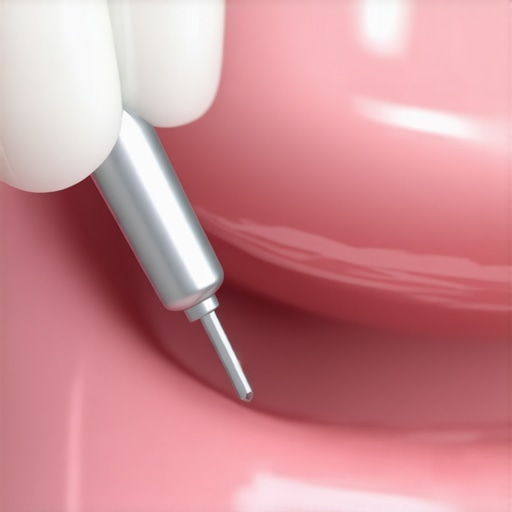
When I finally sat in the chair that Monday morning, my dentist didn’t reach for a heavy drill. She explained that for most front-tooth chips, we use composite resin. She used a small, slightly abrasive tool to roughen the surface of the remaining enamel—a sensation like a tiny cat licking your tooth. This is crucial for the adhesive to grab hold. She then applied a bonding agent that smelled vaguely like nail polish. This is where bonding to fix a chipped tooth in under 45 minutes becomes a reality. By the time the blue curing light hit the resin, the crater from my popcorn incident was gone. I looked in the mirror and genuinely couldn’t find the seam where my tooth ended and the composite began. It’s important to watch the site over time, though; you’ll want to know how to know if your dental bonding is stained or actually decaying as the years go by, since resin isn’t as porous as your natural enamel.
When Porcelain Veneers Become Necessary
Sometimes a simple resin bond isn’t enough, especially if the chip covers more than thirty percent of the tooth’s surface. In those cases, we look at porcelain. This isn’t just about covering the problem; it’s about structural reinforcement. The process is more involved because we have to ensure the shade is perfect. We often use techniques to match porcelain veneers to your specific complexion so they don’t look like glowing white chicklets in the middle of your face. If you’ve ever seen someone whose front tooth looks slightly off in photos, it’s usually because the translucency wasn’t matched to their natural teeth.
Keeping Your New Smile Intact and Preventing the Next Break
Once the repair is done, the clock resets on your hygiene. You can’t treat a bonded tooth like a tool. No opening plastic packages with your teeth and no biting directly into raw carrots with the repaired edge. I had to relearn maintaining your teeth cleaning routine for long-term health because the junction where the resin meets the tooth is a magnet for plaque if you get lazy. Understanding how regular teeth cleaning can prevent major dental issues is the best defense against your bonding failing prematurely. If you already have existing work, like a bridge, you should also know how to clean under a fixed dental bridge without using a needle threader to keep the entire area healthy.
Continuing from my popcorn-induced epiphany, I have realized that most of us treat dental health like a car wash—we only go when the mud is visible. But here is the contrarian truth: if you wait until you see a stain to book a cleaning, the damage to your underlying bone and gum tissue is likely already well underway. We have this cultural obsession with ‘Hollywood White,’ but real health is actually found in the translucency and hydration of the enamel. In fact, many teeth cleaning myths debunked by top dentists reveal that over-bleaching and aggressive scrubbing can actually lead to ‘dead-looking’ teeth that lose their natural depth and character. It is a nuance most people miss until they have gone too far and caused permanent sensitivity.
The Hidden Danger of the Squeaky Clean Obsession
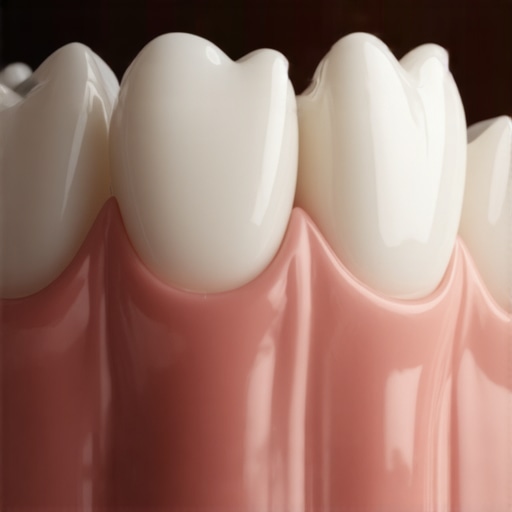
I see it all the time in the comments—people using abrasive ‘natural’ cleaners like charcoal or baking soda thinking they are being healthier. Please, stop. I have seen patients literally sand away their smile over the course of a single year. You need to take the grit test to tell if your charcoal toothpaste is destroying your enamel before you keep using it. That ‘squeaky’ feeling isn’t always a sign of health; sometimes it is the literal sound of your protective outer layer disappearing. A study published in the Journal of the American Dental Association (JADA) highlights that aggressive mechanical whitening often results in dentin hypersensitivity and gingival recession that no amount of specialized paste can fully fix. Have you ever fallen into the trap of thinking ‘harder is better’ with your toothbrush? Let me know in the comments—I definitely used to be a ‘scrubber’ before I knew better.
Don’t Panic When Your Teeth Feel Loose During Alignment
Another area where basic logic often fails us is during orthodontic work. If you are using clear aligners, you might wake up one morning and feel like your front teeth are wobbling in their sockets. Your instinct is to panic and stop wearing the trays, right? This is a huge mistake. Understanding why your teeth feel loose during your Invisalign treatment is vital to your success. To move a tooth, the ligament and bone around it must literally soften and remodel. If they did not feel a bit loose, they would not be moving! It is an ‘oops’ factor that leads many to quit their treatment early, sabotaging months of progress.
Does whitening actually make my teeth more brittle over time?
This is the advanced question I get most often from readers who are worried about long-term damage. The short answer is: not if done under professional supervision. The real danger lies in the unregulated pH balance of ‘at-home’ kits found on social media. Professional systems mentioned in the ultimate guide to teeth whitening and cosmetic enhancements are specifically designed to keep the enamel hydrated during the process. When you DIY with high-concentration acids, you dehydrate the tooth, which creates that brittle, painful ‘zinger’ sensation. When you leave the office and feel why your teeth feel like polished glass after a professional prophy cleaning, that is the result of precision biofilm removal, not enamel loss. It is about professional maintenance, not brute force.
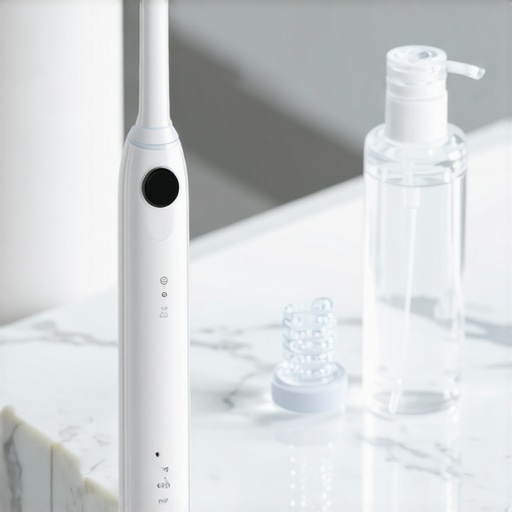
It took me years to realize that the ‘clean’ feeling after a professional visit shouldn’t be a semi-annual miracle. I eventually learned that the real magic happens in the 180 days between appointments. When I first started my journey, I was a ‘manual brush and cheap floss’ kind of person, but that changed the moment I saw the microscopic wear on my enamel. I now swear by the Philips Sonicare DiamondClean series. It is not just about the brand; it is about the 62,000 brush movements per minute that create microbubbles which reach deep between the teeth. This is exactly how maintaining your teeth cleaning routine for long-term health becomes effortless rather than a chore. If you are still using a manual brush, you are essentially trying to sweep a carpet with a twig when you could be using a vacuum.
Stop Guessing with Your Cleaning Routine
One of the most specific upgrades I made was switching to a high-quality water flosser. If you have any dental work, you know the struggle of the hidden reason your floss keeps shredding between two specific teeth. A water flosser bypasses that frustration entirely. I personally use the Waterpik Aquarius on setting seven—it is powerful enough to dislodge debris but gentle enough not to irritate my gums. According to a study published in the Journal of Clinical Periodontology, water flossing can be up to 50% more effective than traditional string floss for reducing gingivitis. For those of us with clear aligners, keeping things pristine is even more critical. You really need to master Invisalign maintenance expert tips for clear confident smiles to ensure you aren’t just trapping bacteria against your teeth for 22 hours a day.
Why Power Brushing Beats Manual Every Time
I used to think my aligners were clean just because I rinsed them. I was wrong. I started noticing a slight cloudiness that no amount of brushing could fix. That is when I invested in a small ultrasonic cleaner. It uses high-frequency sound waves to vibrate the film right off the plastic. If you want to avoid that embarrassing ‘cloudy’ look, focusing on keeping your Invisalign trays perfectly clear for two weeks is a total game-changer. It also helps you get the morning breath smell out of your invisalign case for good, which is something nobody tells you about when you first sign up for treatment. The tech is evolving fast, and I predict that within five years, at-home AI-powered scanning apps will be the standard for monitoring your progress every single night.
How do I maintain my cosmetic results over the long haul?
The secret is consistency and avoiding ‘stain-trap’ habits. Once you have invested in the ultimate guide to teeth whitening and cosmetic enhancements, you have to protect that investment. I’ve started drinking my morning coffee through a glass straw to keep the acids away from my front bonding. It sounds extra, but it works. You also have to stay ahead of the game by understanding how regular teeth cleaning can prevent major dental issues before they require a drill. In fact, many teeth cleaning secrets come down to the simple use of an interdental brush for those gaps that even a Waterpik might miss. I challenge you to try the ‘water flosser first’ method—floss before you brush—for just one week. I guarantee your gums will feel tighter and look pinker by next Sunday. We are just getting into the future of dental tech, and I can’t wait to see how Invisalign innovations continue to make a perfect smile accessible to everyone.
The Truth About the Damage I Almost Caused
Looking back at that Sunday night, the biggest lightbulb moment wasn’t just about the popcorn; it was realizing that my enamel had been signaling for help long before it snapped. I had ignored the micro-sensitivity and the slight yellowing at the gumline, thinking it was just part of getting older. Real health isn’t just about the absence of pain. It’s about proactive care. I learned that using modern teeth cleaning innovations that reduce sensitivity and boost results is much more effective than playing catch-up with a drill later on. I also realized that my ‘white’ teeth were actually quite brittle because I was over-bleaching without professional guidance.
The Specific Gear I Use Every Morning
If you want to keep your smile intact, you need a system, not just a brush. My medicine cabinet now looks like a mini-dental lab. [IMAGE_PLACE_HOLDER_E] First, the Waterpik Aquarius is non-negotiable; it reaches the pockets where my floss used to shred and bleed. For those with a sensitive touch, I recommend checking out teeth cleaning for sensitive teeth what works best in 2025 to find a routine that doesn’t feel like a chore. I also added a tongue scraper and a pH-balancing mouthwash to my list—because a healthy mouth environment is just as important as the teeth themselves.
Start Your Journey to Permanent Confidence
Your smile is often the first thing people notice, but it’s also the first thing you feel when you look in the mirror every morning. Don’t wait for a jagged edge or a sharp pain to start caring for it. Whether you are looking at why invisalign is the future of clear braces or simply wanting to freshen up your look, the tools are more accessible than ever. We are living in a golden age of cosmetic dentistry trends that transform smiles beyond expectations, and you deserve to benefit from that technology. Have you ever had a dental ‘close call’ that changed the way you view your oral health? Share your story in the comments—I’d love to hear how you handled it!