
I remember the first time I noticed my daughter’s gums puffing up in the very back of her mouth. It looked like she had swallowed two small grapes and they had somehow gotten lodged right under the surface of her tissue. I’ll admit it: I panicked. My mind immediately went to the worst-case scenario, like a massive infection or a dental emergency. I even grabbed a soft-bristled brush and tried to gently scrub the area, thinking maybe a stubborn piece of food was stuck back there. That was a huge mistake. She ended up in tears, and the area started bleeding, leaving me feeling like a total failure as a parent. It turns out, I was just witnessing the arrival of the six-year molars, a milestone that often looks a lot more aggressive than it actually is. Today, I’m going to help you skip that panic and show you why those puffy lumps are usually just a sign of growth, how to distinguish them from real trouble, and exactly how to soothe your child’s discomfort. [image-placeholder]
The Truth Behind the Arrival of Six-Year Molars
When those permanent teeth finally decide to make their appearance, they don’t exactly do it quietly. Unlike the smaller baby teeth, these molars are wide and flat, which means they have to push through a significant amount of gum tissue. As the tooth moves upward, the gums can become inflamed, red, and very tender to the touch. I’ve learned that this is often just the body’s natural response to the pressure. Sometimes, the tissue even forms what’s known as an eruption cyst—a fluid-filled sac that can look quite alarming. According to the American Academy of Pediatric Dentistry (AAPD), these eruption hematomas or cysts are a common part of the tooth development process and typically resolve on their own once the tooth breaks through the surface. It’s also helpful to keep up with teeth cleaning tips for a brighter smile this spring to ensure the rest of their mouth stays healthy while they deal with this localized swelling.
Is this much swelling actually normal?
It is incredibly common for the area to look like a small, angry mountain in the back of the mouth. You might even notice that your child’s gums are blue right before a new tooth comes in, which is essentially just a tiny bruise caused by a blood vessel popping under the gum as the tooth pushes through. While it looks intense, it’s usually just part of the process. You may also see that when the tooth finally peeks out, your child’s permanent teeth look jagged at the bottom; these are called mamelons and are perfectly normal for brand-new teeth. Have you ever looked into your child’s mouth and been genuinely shocked by how swollen their gums looked during a growth spurt? It can be a real jump-scare for any parent who isn’t expecting it.
How to Calm the Storm in the Back of Their Mouth
When the six-year molars start their slow climb, your child is going to be cranky. The pressure is constant, like a slow-motion bruise that never stops thumping. My go-to strategy, which I learned after that disastrous scrubbing incident mentioned earlier, is to focus on pressure and temperature rather than abrasion. You aren’t trying to ‘clean’ the tooth out of the gum; you are trying to manage the inflammation so the tooth can arrive on its own schedule. It’s like waiting for a seed to sprout through dry earth—you can’t pull the plant up, but you can make the soil more hospitable.
Put the Freezer to Work
Cold is your best friend here. It constricts the blood vessels and numbs the nerve endings temporarily. I remember trying a variety of frozen items with my daughter when she was struggling with her back molars. The winner wasn’t a fancy gel-filled teether—it was actually a clean, damp washcloth that I’d twisted into a rope and popped in the freezer for twenty minutes. She would sit on the sofa, biting down on that cold cloth right where the swelling was worst. The relief was almost instant. You can also offer cold foods like applesauce or yogurt, which provide a double benefit of nutrition and numbing. If they are older, even a frozen fruit slice can act as a natural ice pack for the back of the mouth.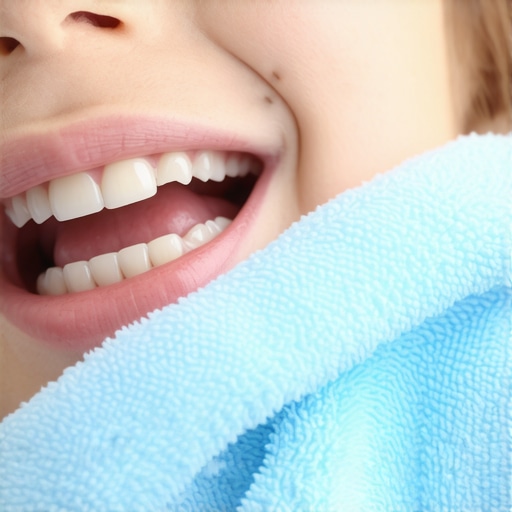
Gently Clear Away the Bacteria
Even though it hurts, you cannot ignore the back of the mouth. Food particles and bacteria love to hide in the flap of skin—known as the operculum—that often covers a partially erupted tooth. This is why why your toddlers gums are swollen where their molars are coming in can sometimes lead to localized infections if left alone. Use a very soft brush and a circular motion. If the child pulls away, try a ‘finger brush’ which allows you to feel the pressure you are applying more accurately. If you aren’t sure if they are doing a good job themselves during their solo sessions, check our guide on how to tell if your child is actually brushing or just wetting the bristles. Keeping that area clean is a key part of teeth cleaning secrets how regular care boosts oral health at any age and prevents the swelling from turning into a full-blown dental issue.
Signs That Go Beyond Normal Growth
While most swelling is just ‘growth pain,’ you need to know when to call the professional. Normal eruption involves pink or slightly red gums, but it shouldn’t involve systemic illness. If the area starts oozing pus, or if your child develops a high fever that won’t break, it’s time to move. I once spent an hour agonizing over a small bump near the molar, only to realize I needed to learn how to tell if that white spot on your gum is a canker sore or an infection. If the swelling spreads to the cheek or the neck, or if they have trouble swallowing, that is a red flag that requires an emergency visit. Otherwise, focus on how regular teeth cleaning can prevent major dental issues to keep the surrounding teeth stable while the big molars find their place. These permanent teeth are the anchors for their future smile, and the way they erupt sets the stage for their long-term oral health.The common belief is that a professional cleaning is just about scrubbing away plaque to prevent cavities. In reality, for a six-year-old, that appointment is actually a strategic evaluation of ‘guided eruption.’ I’ve talked to many parents who think they can skip the professional visit as long as they are diligent at home. This is where the nuance lies: a hygienist isn’t just cleaning; they are monitoring the path of the molar. If that tooth comes in at a slight angle, it can trap bacteria in ways a toothbrush simply can’t reach. We often see that modern teeth cleaning innovations that reduce sensitivity and boost results are the only way to manage the discomfort of these ‘trapped’ areas without causing trauma to the tissue. Then there is the ‘Oops’ factor—the DIY cleaning trap. With the rise of social media dental hacks, I see more parents experimenting with abrasive materials. If you’ve read the truth about using baking soda to scrub away surface stains, you know it’s risky for adults, but for children, it’s a recipe for disaster. According to the Journal of Clinical Pediatric Dentistry, newly erupted permanent teeth are less mineralized than mature teeth. Using harsh ‘natural’ whiteners is like using sandpaper on a fresh coat of paint; you’ll strip the enamel before it ever has a chance to harden. 
Why do those brand-new teeth feel slightly loose?
It is one of the most common high-level concerns I hear: ‘The tooth is finally here, but it moves when I touch it!’ You might be familiar with why your teeth feel loose during your invisalign treatment, where pressure causes temporary mobility. In children, the reason is even more fundamental. The root of a six-year molar isn’t fully formed the day it breaks through the gum. It takes years for the tooth to grow its full ‘anchor.’ This period of ‘eruption mobility’ is normal, provided the gums are healthy. Another shock for parents is the color. It’s important to understand the reason your childs permanent teeth look yellow compared to baby teeth. Baby teeth are milky white, while permanent teeth have a thick layer of yellow-toned dentin underneath. Trying to ‘whiten’ them away with home remedies can lead to permanent sensitivity. Instead, focus on teeth cleaning myths debunked by top dentists and stick to fluoride-based, gentle care. Have you ever fallen into this trap of comparing the new teeth to the old ones? Let me know in the comments!
Upgrade Your Home Dental Kit with Pro-Level Tools
After years of managing my own family’s dental ups and downs, I’ve realized that the standard manual toothbrush and a spool of string floss just don’t cut it once those adult molars are fully in place. I personally swapped to the Waterpik Aquarius for one specific reason: it reaches the subgingival bacteria that my hands simply can’t navigate. When you are maintaining your teeth cleaning routine for long-term health, you need tools that do the heavy lifting for you. For my daughter, as she got older, we moved her to a sonic-powered brush with a pressure sensor. It’s the only way to stop the ‘scrubbing’ habit that leads to gum recession later in life. If you’ve ever wondered why your gums bleed only when you use your electric toothbrush, it’s usually because the tool is finally hitting the spots you’ve been ignoring for years.
How do I keep my smile stable for decades?
Maintenance isn’t a passive activity; it’s a strategy. For those of us who have invested in Invisalign for adults in 2025, the work doesn’t end when the last tray is tossed. I’ve found that using specialized cleaning crystals is the only way to avoid that cloudy, unhygienic look that ruins the ‘invisible’ part of the treatment. You can find Invisalign maintenance expert tips for clear confident smiles that emphasize this daily hygiene. Dr. Gordon Christensen, a world-renowned clinician in restorative dentistry, has often noted that the longevity of any dental work—be it a filling or a crown—is directly proportional to the patient’s ‘home-care compliance.’ Essentially, your dentist builds the house, but you have to sweep the floors. [image-placeholder] 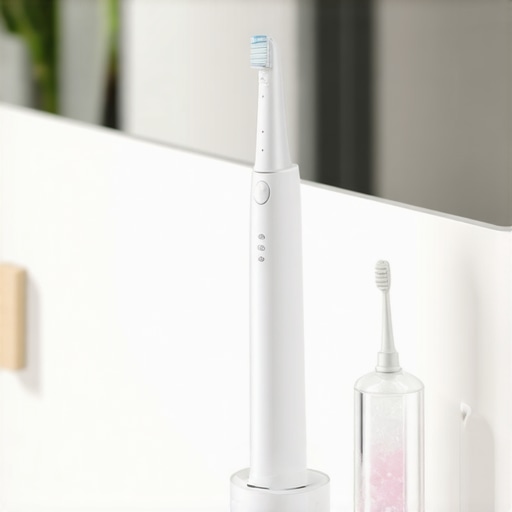
Smart Tech and the Future of Your Teeth
We are moving into an era where your bathroom mirror might soon tell you where you missed a spot. I’m already seeing a massive shift toward Invisalign innovations that include AI-integrated apps to track tooth movement in real-time. This isn’t just a gimmick; it’s about precision. We are also seeing modern teeth cleaning innovations that reduce sensitivity and boost results by using guided biofilm therapy, which is far less abrasive than the old ‘scrape and polish’ method. This is great news if you are currently seeking teeth cleaning for sensitive teeth what works best in 2025. My prediction? Within the next five years, 3D printing will allow us to create custom-fit flossing jigs at home, making ‘perfect’ hygiene accessible to everyone regardless of their manual dexterity.
The Secret to Crystal Clear Aligners
If you are in the middle of a transformation, you know the struggle of keeping your trays fresh. I swear by the ‘Retainer Brite’ tablets over just using hand soap. I’ve documented the secret to keeping your invisalign trays perfectly clear for two weeks and it really comes down to avoiding the heat that warps the plastic. Don’t let your investment go to waste by being lazy with the basics. My advanced tip for you today: Try using a water flosser with a 50/50 mix of lukewarm water and a non-alcoholic fluoride rinse once a week to ‘power wash’ the deep grooves of your back molars. You’ll be amazed at the difference it makes in how ‘furry’ your teeth feel by the end of the day.I remember the first time I noticed my daughter’s gums puffing up in the very back of her mouth. It looked like she had swallowed two small grapes and they had somehow gotten lodged right under the surface of her tissue. I’ll admit it: I panicked. My mind immediately went to the worst-case scenario, like a massive infection or a dental emergency. I even grabbed a soft-bristled brush and tried to gently scrub the area, thinking maybe a stubborn piece of food was stuck back there. That was a huge mistake. She ended up in tears, and the area started bleeding, leaving me feeling like a total failure as a parent. It turns out, I was just witnessing the arrival of the six-year molars, a milestone that often looks a lot more aggressive than it actually is. Today, I’m going to help you skip that panic and show you why those puffy lumps are usually just a sign of growth, how to distinguish them from real trouble, and exactly how to soothe your child’s discomfort. [image-placeholder]
The Truth Behind the Arrival of Six-Year Molars
When those permanent teeth finally decide to make their appearance, they don’t exactly do it quietly. Unlike the smaller baby teeth, these molars are wide and flat, which means they have to push through a significant amount of gum tissue. As the tooth moves upward, the gums can become inflamed, red, and very tender to the touch. I’ve learned that this is often just the body’s natural response to the pressure. Sometimes, the tissue even forms what’s known as an eruption cyst—a fluid-filled sac that can look quite alarming. According to the American Academy of Pediatric Dentistry (AAPD), these eruption hematomas or cysts are a common part of the tooth development process and typically resolve on their own once the tooth breaks through the surface. It’s also helpful to keep up with teeth cleaning tips for a brighter smile this spring to ensure the rest of their mouth stays healthy while they deal with this localized swelling.
Is this much swelling actually normal?
It is incredibly common for the area to look like a small, angry mountain in the back of the mouth. You might even notice that your child’s gums are blue right before a new tooth comes in, which is essentially just a tiny bruise caused by a blood vessel popping under the gum as the tooth pushes through. While it looks intense, it’s usually just part of the process. You may also see that when the tooth finally peeks out, your child’s permanent teeth look jagged at the bottom; these are called mamelons and are perfectly normal for brand-new teeth. Have you ever looked into your child’s mouth and been genuinely shocked by how swollen their gums looked during a growth spurt? It can be a real jump-scare for any parent who isn’t expecting it.
How to Calm the Storm in the Back of Their Mouth
When the six-year molars start their slow climb, your child is going to be cranky. The pressure is constant, like a slow-motion bruise that never stops thumping. My go-to strategy, which I learned after that disastrous scrubbing incident mentioned earlier, is to focus on pressure and temperature rather than abrasion. You aren’t trying to ‘clean’ the tooth out of the gum; you are trying to manage the inflammation so the tooth can arrive on its own schedule. It’s like waiting for a seed to sprout through dry earth—you can’t pull the plant up, but you can make the soil more hospitable.
Put the Freezer to Work
Cold is your best friend here. It constricts the blood vessels and numbs the nerve endings temporarily. I remember trying a variety of frozen items with my daughter when she was struggling with her back molars. The winner wasn’t a fancy gel-filled teether—it was actually a clean, damp washcloth that I’d twisted into a rope and popped in the freezer for twenty minutes. She would sit on the sofa, biting down on that cold cloth right where the swelling was worst. The relief was almost instant. You can also offer cold foods like applesauce or yogurt, which provide a double benefit of nutrition and numbing. If they are older, even a frozen fruit slice can act as a natural ice pack for the back of the mouth.
Gently Clear Away the Bacteria
Even though it hurts, you cannot ignore the back of the mouth. Food particles and bacteria love to hide in the flap of skin—known as the operculum—that often covers a partially erupted tooth. This is why why your toddlers gums are swollen where their molars are coming in can sometimes lead to localized infections if left alone. Use a very soft brush and a circular motion. If the child pulls away, try a ‘finger brush’ which allows you to feel the pressure you are applying more accurately. If you aren’t sure if they are doing a good job themselves during their solo sessions, check our guide on how to tell if your child is actually brushing or just wetting the bristles. Keeping that area clean is a key part of teeth cleaning secrets how regular care boosts oral health at any age and prevents the swelling from turning into a full-blown dental issue.
Signs That Go Beyond Normal Growth
While most swelling is just ‘growth pain,’ you need to know when to call the professional. Normal eruption involves pink or slightly red gums, but it shouldn’t involve systemic illness. If the area starts oozing pus, or if your child develops a high fever that won’t break, it’s time to move. I once spent an hour agonizing over a small bump near the molar, only to realize I needed to learn how to tell if that white spot on your gum is a canker sore or an infection. If the swelling spreads to the cheek or the neck, or if they have trouble swallowing, that is a red flag that requires an emergency visit. Otherwise, focus on how regular teeth cleaning can prevent major dental issues to keep the surrounding teeth stable while the big molars find their place. These permanent teeth are the anchors for their future smile, and the way they erupt sets the stage for their long-term oral health.The common belief is that a professional cleaning is just about scrubbing away plaque to prevent cavities. In reality, for a six-year-old, that appointment is actually a strategic evaluation of ‘guided eruption.’ I’ve talked to many parents who think they can skip the professional visit as long as they are diligent at home. This is where the nuance lies: a hygienist isn’t just cleaning; they are monitoring the path of the molar. If that tooth comes in at a slight angle, it can trap bacteria in ways a toothbrush simply can’t reach. We often see that modern teeth cleaning innovations that reduce sensitivity and boost results are the only way to manage the discomfort of these ‘trapped’ areas without causing trauma to the tissue. Then there is the ‘Oops’ factor—the DIY cleaning trap. With the rise of social media dental hacks, I see more parents experimenting with abrasive materials. If you’ve read the truth about using baking soda to scrub away surface stains, you know it’s risky for adults, but for children, it’s a recipe for disaster. According to the Journal of Clinical Pediatric Dentistry, newly erupted permanent teeth are less mineralized than mature teeth. Using harsh ‘natural’ whiteners is like using sandpaper on a fresh coat of paint; you’ll strip the enamel before it ever has a chance to harden.
Why do those brand-new teeth feel slightly loose?
It is one of the most common high-level concerns I hear: ‘The tooth is finally here, but it moves when I touch it!’ You might be familiar with why your teeth feel loose during your invisalign treatment, where pressure causes temporary mobility. In children, the reason is even more fundamental. The root of a six-year molar isn’t fully formed the day it breaks through the gum. It takes years for the tooth to grow its full ‘anchor.’ This period of ‘eruption mobility’ is normal, provided the gums are healthy. Another shock for parents is the color. It’s important to understand the reason your childs permanent teeth look yellow compared to baby teeth. Baby teeth are milky white, while permanent teeth have a thick layer of yellow-toned dentin underneath. Trying to ‘whiten’ them away with home remedies can lead to permanent sensitivity. Instead, focus on teeth cleaning myths debunked by top dentists and stick to fluoride-based, gentle care. Have you ever fallen into this trap of comparing the new teeth to the old ones? Let me know in the comments!
Upgrade Your Home Dental Kit with Pro-Level Tools
After years of managing my own family’s dental ups and downs, I’ve realized that the standard manual toothbrush and a spool of string floss just don’t cut it once those adult molars are fully in place. I personally swapped to the Waterpik Aquarius for one specific reason: it reaches the subgingival bacteria that my hands simply can’t navigate. When you are maintaining your teeth cleaning routine for long-term health, you need tools that do the heavy lifting for you. For my daughter, as she got older, we moved her to a sonic-powered brush with a pressure sensor. It’s the only way to stop the ‘scrubbing’ habit that leads to gum recession later in life. If you’ve ever wondered why your gums bleed only when you use your electric toothbrush, it’s usually because the tool is finally hitting the spots you’ve been ignoring for years.
How do I keep my smile stable for decades?
Maintenance isn’t a passive activity; it’s a strategy. For those of us who have invested in Invisalign for adults in 2025, the work doesn’t end when the last tray is tossed. I’ve found that using specialized cleaning crystals is the only way to avoid that cloudy, unhygienic look that ruins the ‘invisible’ part of the treatment. You can find Invisalign maintenance expert tips for clear confident smiles that emphasize this daily hygiene. Dr. Gordon Christensen, a world-renowned clinician in restorative dentistry, has often noted that the longevity of any dental work—be it a filling or a crown—is directly proportional to the patient’s ‘home-care compliance.’ Essentially, your dentist builds the house, but you have to sweep the floors.
Smart Tech and the Future of Your Teeth
We are moving into an era where your bathroom mirror might soon tell you where you missed a spot. I’m already seeing a massive shift toward Invisalign innovations that include AI-integrated apps to track tooth movement in real-time. This isn’t just a gimmick; it’s about precision. We are also seeing modern teeth cleaning innovations that reduce sensitivity and boost results by using guided biofilm therapy, which is far less abrasive than the old ‘scrape and polish’ method. This is great news if you are currently seeking teeth cleaning for sensitive teeth what works best in 2025. My prediction? Within the next five years, 3D printing will allow us to create custom-fit flossing jigs at home, making ‘perfect’ hygiene accessible to everyone regardless of their manual dexterity.
The Secret to Crystal Clear Aligners
If you are in the middle of a transformation, you know the struggle of keeping your trays fresh. I swear by the ‘Retainer Brite’ tablets over just using hand soap. I’ve documented the secret to keeping your invisalign trays perfectly clear for two weeks and it really comes down to avoiding the heat that warps the plastic. Don’t let your investment go to waste by being lazy with the basics. My advanced tip for you today: Try using a water flosser with a 50/50 mix of lukewarm water and a non-alcoholic fluoride rinse once a week to ‘power wash’ the deep grooves of your back molars. You’ll be amazed at the difference it makes in how ‘furry’ your teeth feel by the end of the day.
Why I Finally Stopped Stressing Over the Molar Mountain
Looking back, the biggest lightbulb moment I had was realizing that these molars are the first permanent settlers in a child’s mouth. They dictate where everything else goes. I spent so much time worrying about the temporary swelling that I almost missed the bigger picture: these teeth need a different kind of care than baby teeth. First, remember that adult teeth have more dentin, making them look naturally darker next to milky baby teeth. Don’t panic and rush into the ultimate guide to teeth whitening and cosmetic enhancements before the enamel is fully mature. Second, I learned that patience beats friction every time; scrubbing the gums won’t help the tooth come in faster. Finally, those check-ups are about guided eruption, ensuring the big molars don’t arrive at an angle that traps bacteria.
The Small Toolkit That Saved My Sanity
If you are looking to build your own dental defense kit, I highly suggest starting with resources from the American Academy of Pediatric Dentistry. For physical tools, a high-quality water flosser is a game-changer once those back molars are fully in. I also lean heavily on Retainer Brite for anyone in the family using aligners, as it prevents the bacterial buildup that manual scrubbing misses. Finally, keep a list of cosmetic dentistry myths debunked what you really need to know handy so you don’t fall for expensive home remedies like charcoal or baking soda that could damage brand-new enamel.
The Foundation for a Lifetime of Confidence
Helping your child through this stage is about more than just managing a few weeks of puffy gums; it’s about setting the stage for a healthy adult life. Whether you eventually look into choosing the right dentist expert tips for your best smile journey or simply focus on home maintenance, your proactive approach now is the best gift you can give them. A healthy smile is a lifelong asset that starts with these very first permanent molars. Did the arrival of the six-year molars take you by surprise, or did you spot the signs early? Let me know in the comments!