
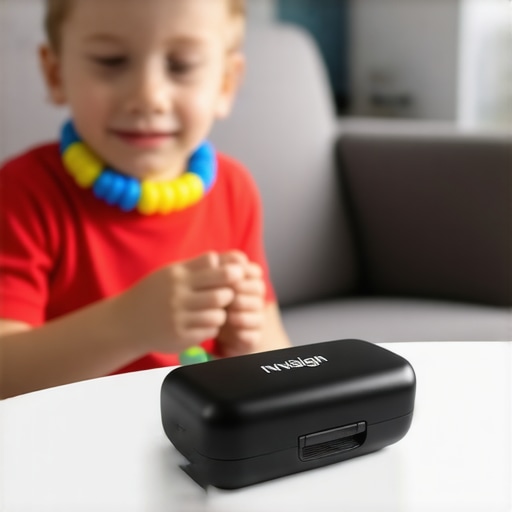
I remember walking into the kitchen and seeing my ten-year-old, Leo, absentmindedly gnawing on his sleek, black Invisalign case while staring at the TV. It wasn’t just a little nibble; it sounded like a dog with a fresh bone. The crunch was sickening. I’d already spent a small fortune on those aligners, and my first thought wasn’t about his teeth—it was about the $50 replacement fee for a mangled piece of plastic. I made a huge mistake early on by just telling him to ‘stop it’ and assuming he would. I didn’t realize that for many kids, that hard plastic shell provides a specific kind of sensory feedback they crave. Today, I’m going to show you how to redirect that chewing urge and keep that expensive case in one piece, saving you a headache at the orthodontist. If you are already deep into the process, you might find these invisalign maintenance expert tips for clear confident smiles helpful for keeping the actual trays safe too.
Save Your Sanity and the Plastic Case Too
The problem is rarely about the case itself. It is about what the case represents: a convenient, durable, and oddly satisfying fidget toy that happens to live in their pocket. When I finally looked at Leo’s case, it was covered in deep, jagged gouges that made it nearly impossible to snap shut. It’s a frustrating cycle. You want them to keep their aligners in the case to prevent them from getting thrown away at lunch, but if they chew the case until the hinge snaps, you are right back at square one. According to the American Academy of Pediatrics, oral fixation often lingers as a sensory-seeking behavior well into middle childhood, which explains why your kid might be biting their case without even realizing they are doing it. It’s very similar to the energy it takes to help your child stop sucking their thumb before it impacts their jaw alignment.
Can you really break a habit this stubborn?
You might be thinking that your child is just too fidgety to ever stop. I felt the same way. I was convinced I’d be buying a new case every month until he hit high school. But once I figured out that this was a sensory need rather than just ‘bad behavior,’ everything changed. We started looking for alternatives that didn’t involve destroying medical equipment. We also had to deal with the fact that why your invisalign case always gets lost usually starts with it being left out because it’s too beat up to carry comfortably. Have you ever caught your child mid-chew and wondered if you’re the only parent dealing with this? You aren’t alone, and it is definitely a battle worth winning before those dental bills pile up. Let’s look at the practical ways to swap the plastic for something safer.
Replace the Plastic with a Safe Sensory Outlet
The biggest breakthrough with Leo came when I stopped treating the chewing as a discipline issue and started treating it as a sensory requirement. Kids who chew on their Invisalign cases are often seeking proprioceptive input—essentially, their jaw muscles are craving work and resistance. I bought Leo a set of medical-grade silicone pendants designed for this exact purpose. The first time he reached for his case and I handed him the silicone brick instead, he looked confused. But after a few minutes of biting into the soft, resistive material, the urge to destroy the case vanished. It satisfied the itch without the plastic shards. It’s a similar transition to the strategies used to how to stop your toddler from biting the toothbrush every time; you have to offer a better alternative that feels right to their developing sensory system.
Make the Case Harder to Access
If the case is in their hand, it’s going in their mouth. We implemented a strict case-on-the-table rule to create a physical barrier. Whenever the aligners are out for eating, the case stays in a designated spot on the kitchen counter—never in his lap while he’s watching a movie. This physical distance breaks the cycle of absentminded gnawing. When we were initially choosing the best invisalign options for your lifestyle, I didn’t think about case placement, but it’s just as vital as the aligners themselves. If your child must carry the case, consider a clip-on pouch that stays attached to a backpack, which makes it less of a portable fidget toy and more of a stationary tool.
Clean the Case to Remove Tempting Smells
You’d be surprised how much the scent of a case influences a child’s desire to put it in their mouth. Residual saliva or that distinct new plastic smell can act as an unconscious trigger for sensory seekers. I noticed Leo chewed his case significantly more when it had been sitting in his gym bag for a few days without a proper wash. Keeping the case pristine helps reduce the oral appeal. I started soaking his case in a mild vinegar and water solution once a week. Learning how to stop your invisalign trays from smelling like plastic is a great skill, but applying those same hygiene standards to the case itself is the secret to making it less attractive as a chew toy. A fresh-smelling case is viewed as a medical device; a funky-smelling one is just a piece of plastic.
Smooth Out Existing Damage Immediately
Once a case is already chewed, the jagged edges actually encourage more biting because the tongue and teeth naturally want to explore and fix the rough texture. I took a fine-grit nail buffer to the bite marks on Leo’s case to smooth them out completely. By removing the rough hooks for his teeth to catch on, I made the case instantly less interesting. If the damage is too deep, don’t wait for the hinge to snap. Replacement cases are far cheaper than the headache of a lost aligner because the case wouldn’t stay shut. While you are focusing on the hardware, don’t forget that maintaining your teeth cleaning routine for long-term health ensures that once the aligners are back in their (now safe) case, the teeth themselves remain healthy and strong.
Now, let’s get into the stuff your dentist might not have time to explain during a standard fifteen-minute checkup. Most people assume that if their child’s Invisalign case is clean and the aligners are safely tucked inside, the job is finished. However, there’s a massive trap I see parents fall into constantly: the ‘sterilization’ trap. I once met a mom who thought she was being extra hygienic by boiling her son’s case and trays every Sunday afternoon. She ended up warping the medical-grade plastic so badly the aligners stopped tracking correctly, which resulted in a three-month setback for his treatment. This is where the nuance of invisalign maintenance expert tips for clear confident smiles becomes vital. You aren’t just cleaning plastic; you’re preserving a precisely engineered medical device that is sensitive to thermal changes.
The Dangerous Myth of Heat Sterilization
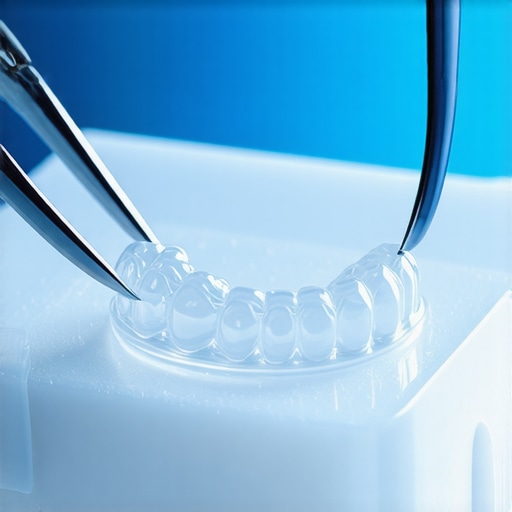
Everyone says heat kills germs, but in the world of orthodontics, heat is the enemy of precision. If you use water that is too hot, you risk changing the shape of the aligner by just a fraction of a millimeter—enough to stop the tooth from moving into its designated spot. In my experience, lukewarm water and a dedicated cleaning crystal solution work far better than any ‘deep boil’ ever could. Similarly, when we look at cosmetic dentistry myths debunked what you really need to know, we have to address the idea that professional treatments are fragile ‘fakes.’ They aren’t—unless you neglect the foundational hygiene. I’ve seen patients skip professional cleanings because they think their child’s teeth look ‘white enough.’ This is a huge mistake. Understanding how regular teeth cleaning can prevent major dental issues is a lesson usually learned the hard way when a minor plaque buildup under an attachment turns into a full-blown cavity during treatment.
Why do the aligners feel tighter on certain days?
It’s a common misconception that tightness always equals progress. In reality, it’s not always about the teeth moving. Inflammation in the gums or even minor changes in hydration levels can change how the trays seat against the soft tissue. If your child is complaining about extra pressure, it might be worth checking why your invisalign trays feel tighter on some days than others. According to a study published in the Journal of Clinical Orthodontics, consistent seating pressure is the goal, but ‘over-seating’—forcing a tray that has been warped by heat or chewing—can lead to root resorption. This is a condition where the body actually starts to dissolve the tooth’s own root because the orthodontic pressure is too high or applied incorrectly. This is exactly why specialized care in the ultimate guide to invisalign for adults in 2025 emphasizes the importance of precision over force.
We also need to debunk the ‘aggressive cleaning’ myth. Many people think a ‘good’ cleaning has to feel a bit painful or involve heavy scraping. That is simply no longer true. With modern teeth cleaning innovations that reduce sensitivity and boost results, we can achieve a higher level of hygiene without the discomfort of the past. If you’re still pushing your child to ‘scrub harder’ or if you believe the dentist needs to be ‘aggressive’ to be effective, you’re operating on outdated information. Have you ever fallen into the ‘boiling water’ trap or a similar ‘oops’ moment while trying to keep things clean? Let me know in the comments. It’s these little nuances that separate a successful smile journey from a costly, frustrating one.
Once I realized that boiling Leo’s case was a recipe for disaster, I pivoted to the high-tech side of maintenance. I transitioned from being a ‘scrubber’ to what I call an ‘ultrasonic enthusiast.’ I bought a high-frequency cleaner that uses 42,000Hz sound waves to blast away biofilm without any manual effort. If you’ve been looking for teeth cleaning for sensitive teeth what works best in 2025, you know that manual tools can sometimes be too harsh on delicate materials. The ultrasonic bath is the opposite; it’s gentle but incredibly effective at removing the white, cloudy buildup that makes trays look dingy even after a thorough brushing.
How do I keep my smile progress on track for years?
The key to long-term success isn’t just about the current tray; it’s about the tools that bridge the gap between office visits. I personally recommend the ‘Pul’ tool. It’s a tiny, ergonomic hook-shaped device that lets you pop your aligners out without sticking your fingers in your mouth or risking a broken fingernail. According to the American Association of Orthodontists (AAO), the most common reason for treatment delays is ‘non-tracking,’ which usually happens because the aligners aren’t fully seated against the teeth. This is why I also keep a set of ‘chewies’—small silicone cylinders—in every single one of our travel bags. Biting down on these for five minutes a day ensures the plastic is hugging the teeth perfectly, making every minute of wear count. This level of detail is something you should discuss when learning how to choose a dentist for your invisalign transformation, as the right provider will emphasize these small daily habits over raw force.
Your Phone Is Now Your Orthodontic Assistant
Looking forward, invisalign innovations why 2025 is the year for a perfect smile suggest that we are moving toward a fully AI-integrated experience. I’m already seeing pilot programs for smartphone apps where you take a high-resolution photo of your smile, and an algorithm tells you exactly if your teeth have moved enough to switch to the next tray. This tech will eventually replace the ‘guesswork’ of weekly changes and reduce the number of physical checkups needed. For those looking beyond alignment, the ultimate guide to teeth whitening and cosmetic enhancements often points to the fact that a straight smile is just the foundation for further aesthetic work. If you haven’t tried a dedicated removal tool yet, grab a Pul tool today—it’s the one five-dollar investment that will save your manicure and your sanity during the home stretch of your treatment.
What I Learned While Saving My Child’s Invisalign Case
After months of trial and error with Leo’s treatment, I realized that the psychological side of orthodontics is just as important as the physical side. First, never underestimate the power of a ‘backup’ case. Having a secondary case meant that even when one was being deep-cleaned or temporarily misplaced, the aligners never ended up in a napkin. Second, I learned that teeth cleaning myths debunked by top dentists are real; specifically, the idea that you can just ‘rinse’ a case and call it clean is a recipe for bacterial growth. Finally, the biggest ‘lightbulb moment’ was realizing that dental hardware is an investment in my child’s confidence, not just their bite.
#IMAGE_PLACEHOLDER_E#
My Trusted Toolkit for a Flawless Transition
If you want to move beyond the basics, there are three things I never leave home without. I highly recommend an ultrasonic cleaner for that deep-level hygiene; it’s one of those modern teeth cleaning innovations that reduce sensitivity and boost results without the elbow grease. Next, keep a handful of silicone ‘chewies’ in your purse or car. They provide the sensory input your child is looking for while ensuring the trays are seated perfectly. Lastly, I swear by the ‘Pul’ tool. It’s a game-changer for those who are choosing the best invisalign options for your lifestyle but don’t want to deal with the struggle of manual removal every time they eat.
Your Roadmap to a Stress-Free Transformation
Taking care of a case might seem like a small detail in the grand scheme of things, but it’s these tiny habits that build the foundation for a lifetime of oral health. Don’t let a chewed-up piece of plastic derail your progress. By redirecting those sensory urges and keeping your equipment pristine, you’re making the entire invisalign journey smoother for everyone involved. You’ve got this, and the end result—a confident, healthy smile—is worth every single adjustment.
Have you ever had to replace an Invisalign case because it met a tragic end or was mistaken for a dog toy? Let me know in the comments below!