
I remember the exact moment I realized something was seriously off. I was standing in front of my bathroom mirror late on a Tuesday, flashlight in one hand and a tiny compact mirror in the other, looking like some kind of amateur detective. Most of my mouth looked great—pearly whites and healthy pink gums—but way back in the far reaches, surrounding my wisdom teeth, the tissue looked like a bruised plum. It wasn’t just pink; it was a deep, angry, dark red. I’ll admit, I panicked. I immediately started wondering if I had some rare disease or if my teeth were literally rotting from the back forward. If you’ve found yourself staring at that same localized discoloration, let me tell you: I’ve been there, and it’s usually your body’s way of sounding a very specific alarm. Today, I want to help you understand why that one spot is acting up and how we can get your oral health back on track without the midnight spiral.
Why those back corners turn that scary shade of crimson
I made a massive mistake when I first noticed the redness. I figured I just wasn’t being “tough” enough, so I grabbed a hard-bristle brush and went to town. I thought I could literally scrub the red away. Instead, I ended up searching for how to stop your gums from bleeding because I’d absolutely shredded the sensitive tissue. The reality is that the area around your wisdom teeth is an architectural nightmare. It’s a cramped, moist pocket where food particles and bacteria love to hide, often leading to something called pericoronitis. This isn’t just about “dirty teeth”—it’s about the fact that these teeth often don’t have enough room to breathe. The tissue gets caught in a trap; often, a flap of gum called an operculum partially covers the tooth, collecting debris that no brush can reach. According to the American Association of Oral and Maxillofacial Surgeons, about 85% of people eventually face issues with these “third molars,” often because they are partially erupted, creating a perfect trap for inflammation. This is why teeth cleaning secrets usually emphasize the back of the mouth; it’s where the real battles are won and lost.
Is this dark red color actually worth the panic?
It’s easy to get caught up in cosmetic dentistry myths and focus only on the teeth people can see when you smile. But if that dark red hue is accompanied by a dull throb or a metallic taste, it’s a sign that the inflammation is deep-seated. I used to think I could just “wait it out,” but that’s a dangerous game. Have you noticed that the redness gets worse after you eat something particularly crunchy or sugary? That’s not a coincidence. If your gums are significantly darker than the rest of your mouth, it’s often because of increased blood flow to the area as your immune system tries to fight off a localized infection. If you’re feeling that pressure, it might be time to stop the guesswork and choose the right dentist who can check if those wisdom teeth are impacted or just being stubborn. Don’t be like me and wait until you can’t chew on one side of your face. If you’re worried, you can always contact us to get a professional set of eyes on it. We’re going to break down the exact relief steps in the next section, but first, let’s talk about why your anatomy might be working against you.
Stop trying to out-scrub the bacteria
Think of your sensitive gum tissue like a piece of raw silk rather than a dirty rug. When I first saw that dark red patches back there, my instinct was to go into ‘search and destroy’ mode with a stiff toothbrush. I thought if I could just reach the spot and scrub hard enough, the color would return to normal. This was a massive mistake. Excessive pressure actually drives the bacteria deeper into the pocket and causes the tissue to swell even more, which traps even more debris. Instead of mechanical force, you need to use gentle, consistent movements. If you’ve noticed that why your gums bleed only in the back of your mouth when you floss is a recurring theme, it’s a sign that the tissue is already compromised. Use a soft-bristled brush and angle it at 45 degrees toward the gum line, using vibrating motions rather than long strokes. This disrupts the biofilm without shredding the operculum.
Flush away debris without using a pick
I once spent twenty minutes trying to ‘hook’ a piece of trapped spinach from under my gum flap with a metal paperclip because I was desperate. It was as painful as it sounds and led to a minor infection. I ended up needing to know the fastest way to stop a gum bleed because I’d basically performed DIY surgery. If you feel like something is stuck, never use sharp objects. A water flosser is your best friend here. It uses a stream of pressurized water to reach deep into those architectural traps that a standard brush can’t touch. This is especially helpful if you’re trying to figure out how to safely remove a piece of popcorn stuck under your gum line without causing permanent damage to the attachment. 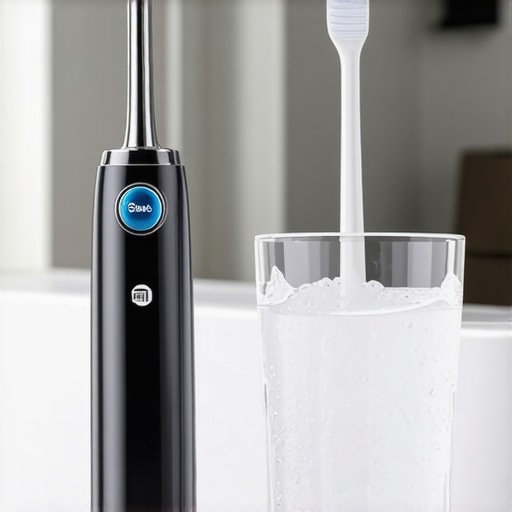
Rinse with saltwater to pull out the fluid
One of the most effective ways to reduce that ‘angry’ red color is surprisingly simple: osmotic pressure. When you mix half a teaspoon of salt into a glass of warm water, you create a solution that naturally draws excess fluid out of swollen tissues. It’s like a magnet for inflammation. Swish this gently around the back of your mouth for at least 30 seconds. I started doing this twice a day when my wisdom teeth were acting up, and within 48 hours, the deep plum color had faded back to a manageable pink. This isn’t just an old wives’ tale; it’s a fundamental part of maintaining your teeth cleaning routine for long-term health. It lowers the bacterial load without the harsh chemicals found in some store-bought mouthwashes that can dry out your mouth and make things worse.
Fix the crowding that creates the trap
Sometimes, the redness isn’t just about hygiene; it’s about space. If your back molars are pushing against your other teeth, the constant pressure causes chronic inflammation that no amount of rinsing will fully solve. This is often why people look into how to stop your bottom teeth from crowding as you get older. If your jaw is too small for your wisdom teeth, they will continue to create ‘pockets’ where bacteria thrive. Integrating modern teeth cleaning innovations that reduce sensitivity and boost results can help manage the symptoms, but if the redness persists for more than a week, it’s a structural signal that you need a professional to look at the alignment.Most people assume that if their teeth look white, the foundation is solid. But in my experience, ‘Hollywood white’ often masks underlying issues that are far more concerning than a little yellowing. We frequently fall for cosmetic dentistry myths debunked because we want the quick fix, but there is a dangerous nuance to over-whitening. If you’ve ever noticed why your gums look pale after a treatment, you’re actually witnessing chemical blanching—a sign the peroxide has temporarily restricted blood flow to the tissue. This isn’t just a ‘side effect’; it’s a warning that your soft tissue is under stress.
The ‘Whiter is Healthier’ Fallacy
When I was first dealing with that localized redness, I was obsessed with whitening the rest of my smile to ‘distract’ from the back. It’s a common ‘oops’ factor: prioritizing the veneer over the vessel. If you’re focusing on aesthetics while ignoring localized inflammation, you’re essentially painting a house that has termites. This is especially true when it comes to alignment. Many patients think clear aligners are just about the ‘look,’ but the biomechanics are intense. Have you ever fallen into this trap of choosing speed over safety? Let me know in the comments.
Why do my teeth feel loose during the second month of Invisalign?
This is a sophisticated concern that often panics new patients. You touch your incisor and feel a slight ‘give.’ In reality, for a tooth to move, the surrounding bone must undergo a process called remodeling. This involves osteoclasts breaking down bone and osteoblasts rebuilding it. While why your teeth feel loose during the second month of Invisalign is usually a normal part of the process, the ‘hidden nuance’ is that this mobility must be controlled. According to research published in the American Journal of Orthodontics and Dentofacial Orthopedics, moving teeth through infected or inflamed gum tissue—like that dark red area around a wisdom tooth—can lead to permanent bone loss. This is why a ‘clean’ mouth is the prerequisite for any cosmetic journey. 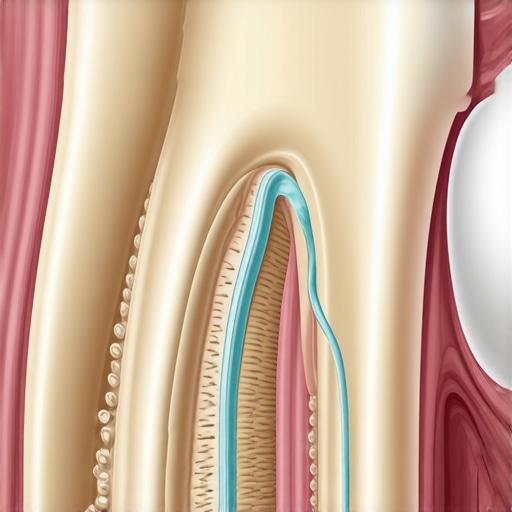
Biofilm is a Fortress Your Brush Can’t Always Breach
We need to challenge the belief that a manual toothbrush can ‘fix’ every problem. Modern dentistry has moved toward understanding the biofilm—a complex community of bacteria that acts like a microscopic city. Once this biofilm matures in the hard-to-reach pockets of your back molars, it becomes incredibly resilient. This is where modern teeth cleaning innovations that reduce sensitivity and boost results come into play. Standard ‘scraping’ is being replaced by guided biofilm therapy, which uses specialized powders to disrupt these colonies without the trauma of traditional tools. If you’re still relying on 1990s-era cleaning methods, you’re leaving the ‘roots’ of your inflammation intact. We often see this when patients ask how we fix black triangles; they want the gap gone, but that gap is often a result of historical biofilm damage that caused the gums to retreat. Don’t wait for the pain to start. Even teeth cleaning myths debunked by top dentists remind us that ‘no pain’ does not equal ‘no infection.’ If that dark red hue is still staring back at you in the mirror, it’s time for a professional disruptor to step in.I’ve tried every gadget on the market, from manual charcoal brushes to those weird U-shaped mouthpieces. Most of them are junk. If you want to keep those back molars pink and healthy, you need a brush with an active pressure sensor. I personally use a high-end sonic model because it auto-adjusts intensity when it senses you’re pressing too hard. Many people mention that why your jaw feels like it is vibrating when you use an electric toothbrush is a major deterrent, but that sensation is actually the 62,000 brush movements per minute creating the fluid dynamics needed to flush bacteria out of the pockets. This isn’t just about surface stains; it is about keeping the foundation solid so you can enjoy maintaining your teeth cleaning routine for long-term health.
Level up your toolkit with high-frequency tech
For anyone navigating the world of clear aligners, the biggest hurdle isn’t the trays themselves—it’s the bacterial buildup. I have seen countless patients lose progress because they didn’t know how to stop your invisalign trays from smelling like old saliva. The one tool I recommend above all others is a dedicated ultrasonic cleaner. Instead of scrubbing your trays and creating micro-scratches where bacteria can hide, you drop them in the pod for five minutes. This technology uses high-frequency sound waves to implode bubbles against the tray surface, blasting away biofilm. It is a non-negotiable part of invisalign maintenance expert tips for clear confident smiles. 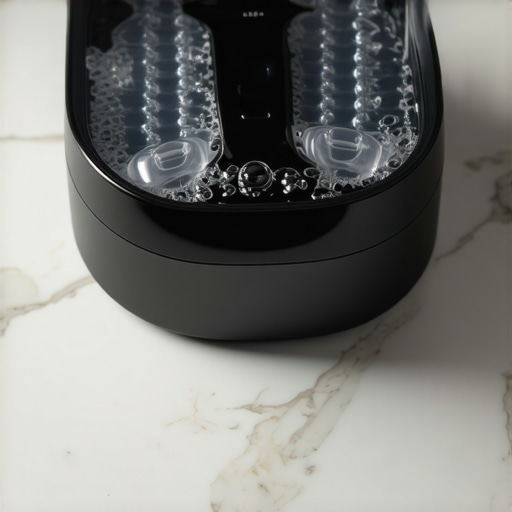
How do I keep my results fresh for years?
The secret is consistency mixed with the right diagnostics. According to a landmark study published in the Journal of Clinical Periodontology, power toothbrushes (specifically oscillating-rotating or sonic ones) reduce plaque and gingivitis significantly more than manual brushing over both short and long-term periods. But the tools are only as good as the professional oversight. This is why choosing the right dentist for your biannual checkups is vital; they use tools like intraoral cameras to show you the spots you’re missing before they turn into that deep red inflammation we discussed.
Why your old toothbrush is a liability
In the next few years, I predict we will see a massive shift toward “predictive dentistry” where your home tools sync with your clinic’s software. We are already seeing modern teeth cleaning innovations that reduce sensitivity and boost results using AI to track brushing coverage. If you are still using a manual brush, you are essentially driving a car without a dashboard. If you want to see a real change in that localized redness, I challenge you to swap your manual brush for a pressure-sensing electric model and use a saltwater rinse for just seven days. If the color doesn’t shift, contact us immediately to ensure there isn’t a structural issue with your wisdom teeth. Don’t wait for the throb to start—proactive care is always cheaper and less painful than reactive surgery.
The Red Flag I Ignored Too Long
The biggest lightbulb moment for me was realizing that localized redness isn’t a failure of willpower; it’s a failure of physical access. You simply cannot out-scrub a deep anatomical pocket with brute force. This is why learning how regular teeth cleaning can prevent major dental issues changed my entire perspective—it is about consistent maintenance rather than emergency repair. Another hard-won lesson? Never fall for the no pain, no problem trap. If the tissue is a deep plum color, it is already under significant stress, even if it doesn’t throb yet. Finally, always prioritize your biological foundation before chasing aesthetics; a healthy, firm gum line is the only canvas that makes teeth whitening and cosmetic enhancements look truly professional.
Gear That Actually Saves Your Gums
To manage those tricky back corners and keep inflammation at bay, I recommend upgrading your toolkit with specific technology. First, a high-quality water flosser is non-negotiable for flushing out debris trapped under gum flaps where traditional floss simply can’t reach. Second, if you are currently using clear aligners, an ultrasonic pod is the most effective way to ensure expert-level invisalign maintenance without creating micro-scratches that harbor bacteria. For those of us with reactive tissue, switching to specialized teeth cleaning for sensitive teeth provides the gentle care needed to reduce redness without the sting of harsh chemicals. #IMAGE_PLACEHOLDER_E#
Your Path to a Balanced Smile
You don’t have to stay trapped in a cycle of panic every time you check your reflection. Taking charge of your oral health starts with listening to those small signals—like a change in gum color—before they evolve into loud, painful emergencies. Whether you are curious about modern cosmetic dentistry trends or simply want to enjoy a meal without discomfort, the solution is always rooted in proactive care. If you are ready to stop the guesswork and start your recovery, I encourage you to choose a dentist who gets your journey and can help you map out a personalized health plan. Have you noticed a specific spot in your mouth that stays red no matter how much you brush? Let me know in the comments below!