
It was Tuesday morning, and I was running late for a big Zoom presentation. I popped out my clear aligners to grab a quick sip of lukewarm water, and that is when it hit me. A smell so incredibly pungent, so profoundly yeasty, that it felt like I had just opened a gym locker containing laundry from three weeks ago. I looked down at those expensive, custom-molded pieces of medical-grade plastic in my hand and felt a wave of absolute horror. How could something meant to give me a flawless smile smell like an old gym sock? I had followed the basic instructions, or so I thought, but I had made a critical mistake early on by assuming a quick rinse with cold tap water was enough to keep them pristine. It was not. If you have ever felt that sudden, embarrassing wave of self-doubt when you breathe near someone, you are not alone.
The Trapped Bacteria Trap
Our mouths are warm, dark, and incredibly wet environments—the exact recipe for a microbial party. When you snap your aligners into place, you create a tiny, airtight seal over your teeth. This seal traps saliva, plaque, and microscopic food particles against your enamel. According to a study published in the American Journal of Orthodontics and Dentofacial Orthopedics, clear aligners can significantly increase biofilm accumulation if they are not cleaned with targeted, antimicrobial methods. Without proper care, you are essentially wearing a plastic breeding ground for bacteria. This is why standard oral hygiene routines must evolve when you start your smile journey. If you do not change your habits, those microscopic organisms will quickly produce volatile sulfur compounds, which is the fancy scientific term for that awful, swampy odor.
Are you secretly making your aligner breath worse?
Many of my neighbors and friends who make the leap to clear aligners think that brushing their teeth three times a day is the ultimate shield. But here is the catch: if you put a clean set of teeth into a dirty, bacteria-laden tray, you instantly undo all that hard work. I learned this the hard way during my own treatment, which is why I always emphasize the importance of dedicated Invisalign maintenance. We often focus so much on the teeth themselves that we completely neglect the plastic housing. Have you ever popped your aligners back in after a quick lunch, only to realize minutes later that you carried a tiny piece of lunch with you? It is an incredibly common, frustrating experience that every clear aligner veteran knows all too well.
Why Simple Rinsing Just Won’t Cut It
When I first noticed the smell, my immediate reaction was to scrub my trays aggressively with a hard-bristled toothbrush and some leftover whitening toothpaste. That was a massive error. Toothpaste contains abrasive agents designed to polish tough enamel, but on soft dental plastic, it leaves thousands of microscopic scratches. These tiny micro-scratches do not just make your trays look cloudy; they act as perfect little caves where odor-causing bacteria can hide from your rinse cycle. Keeping your aligners fresh requires a gentle touch and the right chemical breakdown, similar to how you would handle other dental appliances. In fact, learning how to clean your night guard without turning it yellow teaches us the exact same lesson: abrasion is the enemy of clarity and freshness. Today, we are going to dive deep into the specific daily rituals and safe soaking solutions that actually eliminate the odor molecules instead of just masking them with mint flavoring. Have you ever experienced that sudden, dreaded sock-smell moment when removing your trays in public?
The Three-Step De-Funking Ritual
Getting the smell out of your aligners is not about soaking them in harsh chemicals once a week; it is about a relentless, daily defense strategy. I learned this lessons the hard way on a hectic weekend trip. I forgot my dedicated cleaning tablets and tried to use a splash of mouthwash as a quick fix. I ended up with tinted, slightly warped, and still-smelly plastic trays. To prevent this, you need a ritual that targets the microscopic biofilm without degrading the medical-grade plastic. Here is the exact daily workflow that rescued my aligners from the brink of olfactory disaster.
The lukewarm rinse and scrub
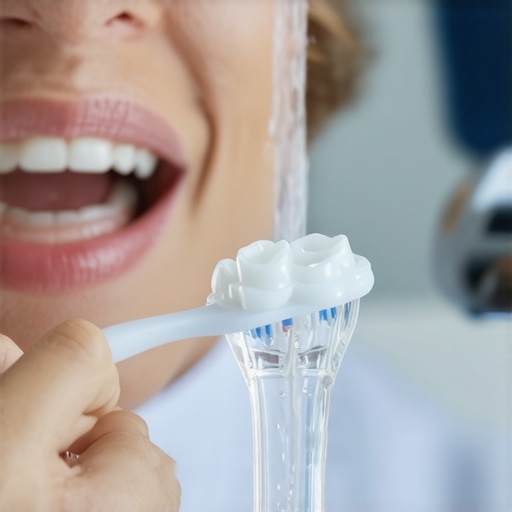
The moment your trays leave your mouth, they must be rinsed immediately with lukewarm water. Never use hot water, as it can easily warp the shape of the custom plastic, leaving you wondering why your invisalign aligners feel tight every monday morning. Gently brush the inside and outside of the trays using a soft-bristled toothbrush designated solely for this purpose. Do not use toothpaste. Instead, use a fragrance-free, dye-free liquid soap or a mild dish soap to break down the greasy buildup of saliva and lipids. This mechanical action physically breaks the sticky bond of the biofilm before it has a chance to dry and harden into a stubborn crust.
The daily hydrogen peroxide soak
Every evening while you eat dinner, submerge your aligners in a simple, budget-friendly solution of equal parts 3% hydrogen peroxide and lukewarm water. This effervescent bath chemically attacks the anaerobic, odor-producing bacteria hiding in the deep crevices of the trays. When I first tried this, I was skeptical because it seemed too simple. However, after just twenty minutes in the solution, the cloudiness disappeared, and the lingering gym-sock odor vanished entirely. It works similarly to how we approach other deep-sanitization practices in cosmetic dentistry, ensuring that you do not trap harmful microbes against sensitive oral tissue.
The tooth prep before reinsertion
Putting clean aligners back over unbrushed teeth is like putting clean socks on muddy feet. It accelerates bacterial growth and can lead to rapid staining. At the very least, you must floss and brush your teeth thoroughly before popping your trays back in. If you find yourself in a restaurant bathroom without a toothbrush, vigorously rinse your mouth with water and chew some sugar-free gum for a few minutes to lift food particles. For stubborn situations where lunch gets caught in your mouth, knowing the trick to removing stubborn spinach from your invisalign attachments will save you from embarrassing moments and keep your plastic housing clean.
The Travel Kit Essentials for Fresh Breath On the Go
Maintaining pristine aligners is easy at home, but the real test of your routine happens when you are out in public, traveling, or stuck in a long meeting. To keep your breath fresh and your trays clear, you need a compact, dedicated travel kit that lives in your bag. This kit should contain a sturdy protective case with ventilation holes, a travel-sized soft toothbrush, a small bottle of clear liquid soap, and pre-threaded floss picks. Having these tools readily available prevents the temptation to wrap your aligners in a napkin at a restaurant—a classic mistake that almost always leads to them being accidentally thrown in the trash by a helpful server, forcing you to search for how to handle a loose invisalign attachment on a saturday night when things go wrong.
When we embark on the journey to a perfect smile, we often look at clear aligners as a set-it-and-forget-it cosmetic miracle. But as someone who has spent years studying the microscopic realities of oral care, I can tell you that the most significant mistakes happen when we treat orthodontic plastic like a passive shield rather than an active dental environment. There is a delicate chemical and biological balance inside your mouth that many patients—and even some general practitioners—routinely overlook.
The Invisible Film Most People Miss
Everyone talks about keeping the trays clean, but we rarely discuss the chemical interaction between saliva, plastic, and the biological pellicle on your enamel. Many people believe that as long as they brush their teeth after eating, they are safe. However, in my experience, the real issue lies in salivary flow restriction. When your teeth are tightly covered by aligners, they are deprived of the natural, mineral-rich washing action of your saliva. This lack of natural bathing can accelerate decalcification under the trays if even microscopic traces of acid remain. This is why standard oral health advice must be adapted for orthodontic patients; simply following general guidelines is not enough when your teeth are constantly sealed off from oxygen and natural salivary protection.
Are you secretly accelerating tooth wear with your hygiene habits?
A common mistake is brushing immediately after consuming acidic foods or drinks like coffee or citrus. Acids temporarily soften your enamel. If you immediately scrub your teeth with an electric toothbrush before your saliva has a chance to neutralize the pH, you are physically scrubbing away microscopic layers of your tooth structure. When you pop your aligners back in immediately after, you trap that acidic environment against your vulnerable, freshly scrubbed enamel. Instead of brushing immediately, vigorously rinse your mouth with water, wait fifteen minutes for your mouth’s natural pH to stabilize, and then brush before putting your trays back in. It is a minor change that makes a massive difference in protecting your long-term dental health.
The Shocking Truth About Whitening While Aligning
One of the biggest debates in modern cosmetic dentistry is whether you should whiten your teeth while undergoing clear aligner therapy. The prevailing internet wisdom says to squirt some whitening gel directly into your trays. But here is the professional warning: clear aligners are engineered to apply precise, calculated forces to specific pressure points on your teeth. Introducing viscous whitening gels inside the trays can actually alter the fit of the plastic, subtly changing how the aligner distributes force. This can lead to your teeth not tracking correctly, extending your treatment time significantly. Additionally, if you have attachments on your teeth, whitening around them will leave you with dark, un-whitened square spots once the attachments are removed. If you want a brighter smile safely, you should understand how to navigate cosmetic dentistry myths debunked what you really need to know before making DIY assumptions.
The Overlooked Role of Professional Cleaning
Another dangerous myth is that you can skip your regular dental cleanings because you are brushing and flossing more than ever during orthodontic treatment. This is a critical error. According to clinical research, the physical presence of aligner attachments and the constant pressure on the periodontal ligament actually makes your gums more susceptible to localized inflammation and plaque retention. No matter how meticulous your home care is, you cannot safely remove hardened tartar from around those tiny plastic bumps without professional tools. Regular maintenance is essential, and choosing the right professional care makes all the difference. Make sure you are choosing the right dentist expert tips for your best smile journey to ensure your provider understands how to scale gently around orthodontic attachments without dislodging them. Have you ever fallen into this trap and assumed your at-home routine was enough? Let me know in the comments below.
When you commit to a major smile transformation, the daily grind can sometimes feel overwhelming. It is easy to look at your aligners simply as temporary plastic shields, but they are actually sophisticated dental devices that require consistent, high-level care. To keep your treatment on track and protect your investment, you need to look beyond the basic starter kit and integrate highly specific tools that make daily maintenance effortless. Over the years, I have tested various gadgets and settled on a core lineup of products that make a massive difference in preventing aligner cloudiness, bad breath, and staining.
How do I maintain my clear aligners over the long term?
To prevent your clear aligners from harboring bacteria and yellowing over time, you must move beyond manual scrubbing and adopt a structured, technology-driven cleaning routine. I personally rely on a compact, portable ultrasonic cleaning pod. These devices use high-frequency 42,000Hz sound waves to create microscopic bubbles in water, which collapse and safely blast away stubborn plaque and bio-film from the deep crevices of your aligners without scratching the plastic. If you pair this mechanical action with a professional-grade cleansing tablet, you get a medical-grade sanitization level that manual brushing simply cannot match. This is the same scientific principle behind modern dental office sanitation, proving that the future of home care lies in technology. In fact, when looking at modern teeth cleaning innovations that reduce sensitivity and boost results, we see a massive industry shift toward gentle, automated sonic technology that protects both enamel and orthodontic materials.
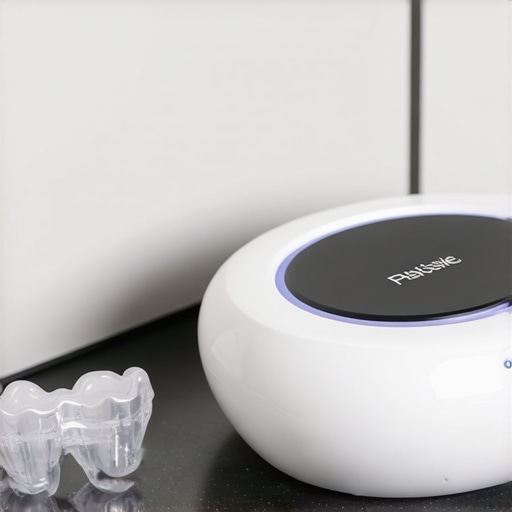
As clear aligner technology evolves, we are moving rapidly toward a future where smart materials will actively resist staining and biofilm accumulation. In my view, within the next few years, we will see orthodontic plastics embedded with microscopic, bioactive glass particles that naturally neutralize bacteria on contact. Until those futuristic materials hit the market, your physical tools are your best defense. Alongside my ultrasonic pod, I always carry a dedicated aligner removal tool to avoid putting dirty hands in my mouth, and I rely on premium, multi-layered floss that does not shred between tight contact points. This level of dedication is what separates a successful, comfortable smile journey from a frustrating experience. It is why we always emphasize maintaining your teeth cleaning routine for long term health; your daily habits at home directly dictate how well your teeth respond to orthodontic forces. If you want to elevate your routine today, I highly recommend investing in a dedicated ultrasonic cleaning pod—it is a small investment that pays massive dividends in freshness, clarity, and overall oral health.
The Crucial Lessons I Learned the Hard Way During Orthodontic Treatment
When you start wearing clear aligners, you quickly realize that the standard advice barely scratches the surface. Through my own trial and error, and years of analyzing oral care routines, I have uncovered several unexpected realities that will determine the success of your smile transformation.
- The 22-Hour Rule is Non-Negotiable but Requires Strategy: Simply hitting your hours is not enough if you do not manage the timing. Splitting your wear time effectively around your meals is the secret to avoiding constant pressure spikes.
- Dry Trays are a Magnet for Bacteria: If you take your aligners out and leave them to dry on a table without a rinse, you allow the salivary proteins to harden into a cement-like biofilm that locks in odor.
- Saliva is Your Best Friend and Worst Enemy: Under your trays, saliva becomes stagnant and loses its oxygenation. This shift encourages anaerobic bacteria to thrive, making active, manual intervention essential.
My Recommended Gear to Upgrade Your Daily Routine
You do not need a bathroom cabinet overflowing with expensive gadgets, but investing in a few precise tools will save you hours of scrubbing and protect your dental investment. Here are the items I personally trust and recommend:
- A Dedicated Ultrasonic Pod: This is the ultimate game-changer for clear plastics. Look for a unit that operates at 42,000Hz to micro-clean the tightest corners of your trays without causing micro-abrasions.
- Pre-Threaded Orthodontic Floss Picks: Regular dental floss can easily shred between tight contact points. Using a heavy-duty, multi-layered floss ensures you can clean your teeth thoroughly even on a busy schedule. If you struggle with tight spacing, knowing the secret to floss that doesn’t snap between tight teeth will make your daily routine incredibly smooth.
- A Dedicated Aligner Removal Tool: This keeps your hands out of your mouth, protecting your nails and preventing the transfer of dirt and germs from your fingers to your sensitive gum tissues.
Your Future Smile Starts with Today’s Habits
Taking control of your orthodontic journey is about building consistent, daily habits that protect both your teeth and your custom trays. When you combine proper cleaning tech with smart food habits, you avoid the common pitfalls of staining, decay, and bad breath. Your commitment to these minor adjustments today ensures that your final results are nothing short of spectacular. If you ever feel overwhelmed by the daily maintenance, remember that every small effort brings you closer to a healthy, confident smile that lasts a lifetime. Do you have a favorite trick for keeping your trays fresh when you are away from home? Let me know in the comments below!