
I’ll never forget the morning I caught a glimpse of my night guard sitting on the bathroom counter in the harsh 7 AM sunlight. It wasn’t the clear, discreet piece of medical-grade plastic I’d paid hundreds of dollars for at the dentist; it looked like a piece of old, discarded popcorn. It was yellow, cloudy, and, frankly, a little bit frightening. I felt like a total failure. I brush my teeth twice a day, I floss religiously, yet here I was, shoving a petri dish of bacteria back into my mouth every single night. I tried to scrub it harder, thinking more elbow grease was the answer, but the more I cleaned it, the worse it looked. It was a vicious cycle of discoloration that made me want to hide it in the back of my drawer forever.
Stop Putting That Dingy Piece of Plastic in Your Mouth
If you are struggling with a tray that looks more like a smoker’s fingernail than a dental appliance, you aren’t alone. We invest so much in our smiles—whether it’s through cosmetic dentistry trends or simply trying to prevent our teeth from wearing down—only to be betrayed by the very thing meant to protect us. Today, I’m going to share exactly how I rescued my night guard from the brink of the trash can. We’re going to talk about why that yellowing happens and, more importantly, how to stop it without using chemicals that taste like a swimming pool. Have you ever looked at your aligner case and felt a wave of The first thing I learned the hard way is that your night guard isn’t just a piece of plastic; it’s a porous magnet for calcium and bacteria. If you’ve been scrubbing it with regular toothpaste, you’re actually creating micro-scratches where even more bacteria can hide. Think of it like a non-stick pan—once you scratch the coating, everything starts to stick to it. This is one of those common teeth cleaning myths debunked by top dentists: toothpaste is often too abrasive for soft acrylic or silicone guards.
Rescue Your Guard From the Yellow Zone
To really how to clean the stubborn cloudiness off your night guard, you need to treat it with a gentle chemical reaction rather than brute force. When my guard reached that ‘popcorn’ yellow stage, I realized that mineral deposits from my saliva had essentially petrified onto the surface.
Give It a Vinegar Bath to Break Down Mineral Buildup
Start by soaking your guard in a 1:1 solution of distilled white vinegar and lukewarm water for about 30 minutes. The acidity of the vinegar acts like a gentle descaler, breaking down the calcium deposits that cause that white, cloudy crust. I remember the first time I did this; I was terrified the vinegar would melt the plastic. Instead, after half an hour, I watched as the ‘fuzz’ on the edges of the guard simply wiped away with a soft cloth. It felt like a magic trick. 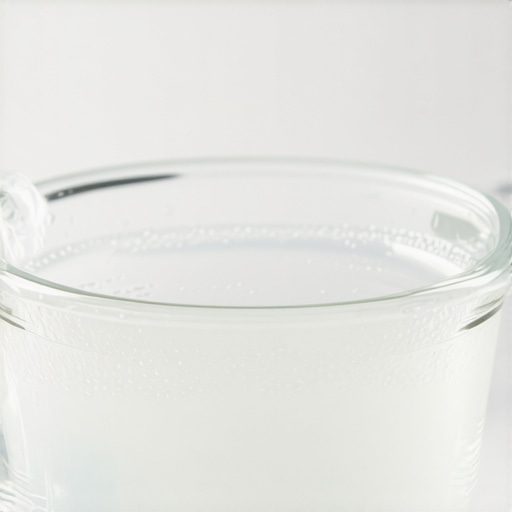
Ditch the Toothpaste Before You Scuff the Surface
Once the minerals are loosened, you need to clean the bacteria away without leaving marks. Most people reach for their toothbrush and Crest, but the silica in toothpaste acts like sandpaper on your guard. This is why you might be wondering how to stop your invisalign trays from smelling like plastic or old gym socks—those scratches trap odors. Instead, use a drop of mild, clear dish soap and a brush with the softest bristles you can find. I once used a ‘firm’ brush I found in the back of the cabinet, and within a week, the guard looked like it had been dragged behind a car. Stick to ‘extra soft’ to keep the surface glass-smooth.
Keep the Cloudiness Away for Good
If the vinegar doesn’t quite do the trick for deep stains, a baking soda paste is your next best friend. Mix a small amount of baking soda with water until it’s the consistency of Greek yogurt. Smear it over the yellowed areas and let it sit. Baking soda is naturally deodorizing and slightly alkaline, which balances out any lingering acidic smells. This level of invisalign maintenance expert tips for clear confident smiles applies perfectly to night guards too. When I started doing this weekly ‘deep soak’ and stopped using my regular toothpaste, the guard actually stayed clear for months. It’s all about preventing that initial layer of biofilm from hardening into tartar. If you’re consistent, you’ll never have to look at a yellow guard in the morning light again.Many people think that once the yellow discoloration is gone, the battle is won. But here is a contrarian take: a visually clear night guard can still be a biological hazard. Most of us focus on the aesthetic cloudiness, but the real danger lies in the mature biofilm that survives standard rinsing. If you have ever noticed that your appliance feels slimy within minutes of putting it back in, you are dealing with microscopic colonies that have burrowed into the material.
Is your mouthwash actually melting your dental appliance?
One of the biggest traps I see people fall into is soaking their guard or aligner in standard blue mouthwash. It seems logical because it kills germs in your mouth, but most over-the-counter mouthwashes contain high concentrations of ethanol. According to research published in the Journal of Prosthetic Dentistry, prolonged exposure to alcohol-based solutions can cause crazing—a network of fine cracks that compromise the structural integrity of dental polymers. These cracks are too small to see with the naked eye, but they are the perfect size for Streptococcus mutans to set up shop. This is exactly how to stop your invisalign trays from smelling like plastic or worse; you must avoid the very chemicals that cause the surface to break down. 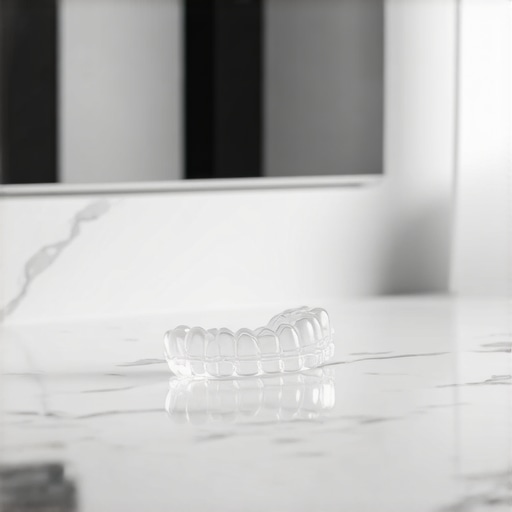
Your Storage Case is a Secret Bacteria Factory
Another nuance often missed is the Case Cross-Contamination cycle. You spend twenty minutes deep-cleaning your guard, only to pop it back into a case that hasn’t been washed in months. That case is a dark, damp incubator. If you aren’t treating the case with the same level of care as the appliance, you are just reapplying bacteria every time you store it. This falls right into the category of teeth cleaning myths debunked by top dentists: the idea that the dry storage environment is self-sanitizing. It isn’t. Beyond just the cleaning routine, we have to look at the surface texture. If you have been wondering why your teeth feel sticky even after you brush, it might be because your guard is re-depositing plaque film onto your teeth every night. This is why modern teeth cleaning innovations that reduce sensitivity and boost results are so important—they acknowledge that oral health is an entire ecosystem. Don’t let your night guard be the weak link in that chain. Stick to non-alcoholic, specialized cleaners, or the vinegar-and-water method we discussed earlier. I’ve learned these lessons through a lot of trial, error, and unfortunately, a few ruined guards. It is about being smarter than the plastic. Have you ever fallen into this trap of over-cleaning with the wrong chemicals? Let me know in the comments! Proper invisalign maintenance expert tips for clear confident smiles aren’t just about looking good—they’re about keeping your mouth healthy for the long haul.This brings me to the one tool I absolutely swear by, something I wish I’d discovered years ago: the ultrasonic cleaner. If you’re tired of the manual scrubbing and the lingering vinegar smells, this is the total game-changer. These compact pods use high-frequency sound waves, usually around 42,000Hz, to create millions of microscopic ‘cavitation’ bubbles. These bubbles implode against the surface of your guard, effectively blasting away plaque and tartar in the tightest crevices that a brush could never reach. It’s the same technology used by professional jewelers and dental labs, and it’s one of those modern teeth cleaning innovations that reduce sensitivity and boost results by ensuring your mouth stays free of irritating, abrasive debris. I personally use mine every other morning, and the difference in clarity is night and day compared to the old hand-wash method. The plastic feels smooth, almost like new, every single time I put it back in. 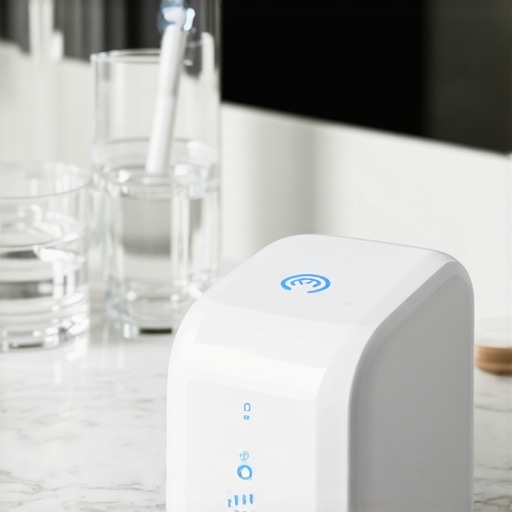
The One Gadget That Finally Saved My Sanity
While the ultrasonic cleaner handles the deep cleaning, you still need to be mindful of your daily habits. For example, if you are a caffeine addict like me, you absolutely must know how to keep your clear aligners from staining when you drink iced coffee. Once those organic pigments penetrate the porous material of a night guard or aligner, you’re looking at a permanent yellow tint that no amount of sonic vibration can fully remove. My secret? A quick water rinse immediately after your latte. It sounds simple, but it’s the difference between a clear, invisible smile and a muddy one.
How do I maintain my dental appliances for the long haul?
Consistency is the foundation of maintaining your teeth cleaning routine for long-term health. You cannot just deep-clean once a month and expect the plastic to stay fresh; you have to treat the appliance as a daily extension of your oral hygiene. Beyond the daily rinse, I’ve found that using a dedicated antimicrobial soak twice a week—one specifically formulated for dental polymers—makes a massive difference in preventing that ‘old plastic’ scent. According to research published in the Journal of Orthodontics and Dentofacial Orthopedics, thermoplastic materials can harbor significant microbial loads within just a few hours of use, and without specific antimicrobial intervention, those bacteria can become structurally entrenched. This is why following invisalign maintenance expert tips for clear confident smiles is non-negotiable if you want to avoid systemic issues later.
Smart Guards are Heading to Your Bathroom Counter
Looking ahead, the future of this niche is incredibly exciting. I predict we are going to see ‘smart’ aligners and night guards hit the market by 2026. Imagine a tray equipped with micro-sensors that alerts your smartphone if it detects a dangerous spike in bacterial acidity or tracks your nocturnal grinding patterns in real-time to help your dentist adjust your treatment. We are moving away from passive plastic toward active health monitors. When choosing the right dentist expert tips for your best smile journey, we often forget to ask how technology-forward a practice is, but it is becoming the most critical factor for long-term success. If you haven’t yet, I strongly encourage you to invest in a small ultrasonic cleaner this week—it’s the single best thing you can do for your appliance’s longevity and your own peace of mind.
Lessons Learned After Ruining Three Expensive Night Guards
I used to think that as long as the plastic wasn’t broken, it was doing its job. But the hardest lesson I learned is that a porous night guard acts like a sponge for things you definitely don’t want near your gums. If you’ve ever noticed why your teeth feel sticky only a few hours after brushing, it might actually be your night guard transferring old bacteria back onto your enamel. My biggest lightbulb moment was realizing that how I store the guard is just as important as how I wash it; air-drying is your best defense against mold.
Another realization was that aggressive scrubbing is a trap. I spent years creating micro-scratches with “firm” toothbrushes, effectively building a luxury hotel for plaque. Once I switched to the methods we’ve discussed, the longevity of my appliances tripled. It’s not about working harder; it’s about understanding teeth cleaning secrets how regular care boosts oral health at any age.
My Personal Toolkit for a Perfectly Clear Appliance
If you want to move beyond the “popcorn yellow” phase, these are the three things I never go without. First, a high-quality ultrasonic cleaner is the undisputed king of maintenance. It handles the heavy lifting so you don’t have to risk scratching the surface. Second, keep a bottle of distilled white vinegar handy for those deep-clean Sundays—it’s the most effective way to how to clean the stubborn cloudiness off your night guard without harsh chemicals.
Lastly, I always keep an extra-soft surgical toothbrush specifically for my dental appliances. Using your regular toothbrush can introduce cross-contamination, and standard bristles are often too stiff for softer acrylics. By curating these tools, you are prioritizing maintaining your teeth cleaning routine for long-term health and protecting your financial investment in your smile. #IMAGE_PLACEHOLDER_E#
Take Back Control of Your Morning Smile
It is easy to get discouraged when a piece of plastic starts to look dingy, but remember that your night guard is a tool for protection, not a source of shame. By implementing these small changes—switching to an ultrasonic cleaner and ditching the abrasive toothpaste—you are taking a massive step toward better oral hygiene. The future of your dental health isn’t just about the work your dentist does; it’s about the small, smart choices you make at your bathroom sink every single morning. You deserve to wake up feeling fresh, not fearful of your own dental tray. Have you ever tried a cleaning hack that completely backfired on your night guard? Let me know in the comments below!