
I sat on the edge of the bed, toothbrush in hand, feeling like I’d just lost a battle I didn’t even know I was fighting. My son had done the full two-minute scrub. I’d seen the foam. I’d heard the spit. But when he leaned in to whisper a secret, it hit me—a smell so pungent it could peel paint. It’s that heart-sinking moment every parent knows: the ‘did we even do anything?’ feeling. You’re doing the work, buying the fancy electric brushes, and yet, the odor remains. It’s frustrating, a little embarrassing, and honestly, it makes you worry about what’s going on in there. Today, we’re peeling back the layers on why your child’s breath still smells like a locker room despite your best efforts. We’ll look at the hidden traps where bacteria hide and the simple tweaks that actually work. I’ve made every mistake in the book—from letting them rush the back molars to buying into the idea that more minty paste solves everything. Let’s get to the bottom of the ‘stink’ together.
The Hidden Pockets Where Odorous Bacteria Love to Hide
It’s easy to focus on the front teeth—the ‘smile’ teeth. But the real culprits are usually lurking where you can’t see them. Early on, I made the classic mistake of thinking if their breath smelled like mint for five minutes, we were golden. I didn’t realize that learning how to get your preschooler to stop swallowing their toothpaste was just one small part of a much bigger puzzle. Often, the smell isn’t coming from the teeth at all, but from the very back of the tongue or even the tonsils. If you’ve noticed that why your breath still smells after using a tongue scraper is a question you’re asking about your own routine, imagine how much harder it is for a kid with a sensitive gag reflex. Bacteria love the bumpy terrain of a child’s tongue. According to the American Academy of Pediatrics, chronic halitosis in children can often be attributed to mouth breathing during sleep, which dries out saliva—the mouth’s natural cleaning agent—and lets ‘stink-producing’ bacteria throw a party.
Is this just a phase or a real medical problem?
I get it. You’re worried this is a sign of something much worse. You might even be wondering if why your breath smells like mothballs and the simple fix applies to your little one. Most of the time, it’s just a matter of technique and timing, but that nagging fear of a ‘rotten tooth’ or a deep-seated infection is real. We need to talk about the difference between a temporary ‘dry mouth’ smell and the persistent odor that suggests we need regular teeth cleaning to reset the clock. Have you ever finished a bedtime routine only to realize your kid’s breath still smells like they just ate a garlic clove? You aren’t alone. It’s a common hurdle, but it doesn’t mean you’re failing the ‘parenting at the sink’ test. Sometimes, the answers aren’t in the brushing itself, but in the teeth cleaning secrets that pros use to reach the spots we miss. Let’s dive into what’s actually happening in that tiny mouth while they sleep.
Sweep the Tongue Like a Shag Carpet
Most of the smell-producing bacteria in a child’s mouth don’t actually live on the teeth; they live in the tiny crevices of the tongue. Think of the tongue like a high-pile shag carpet. If you just spray a little water on top, the dirt trapped deep in the fibers stays exactly where it is. To really get it clean, you need a mechanical sweep. I used to let my son do a quick ‘swipe-and-go,’ but his breath never improved until we started using a dedicated scraper. If you find your little one struggling with the sensation, learning the best way to clean your tongue without triggering your gag reflex is a game changer. Start in the middle of the tongue and pull forward gently, then gradually work your way further back as they get used to the feeling. This physical removal of the biofilm is far more effective than any amount of minty toothpaste. 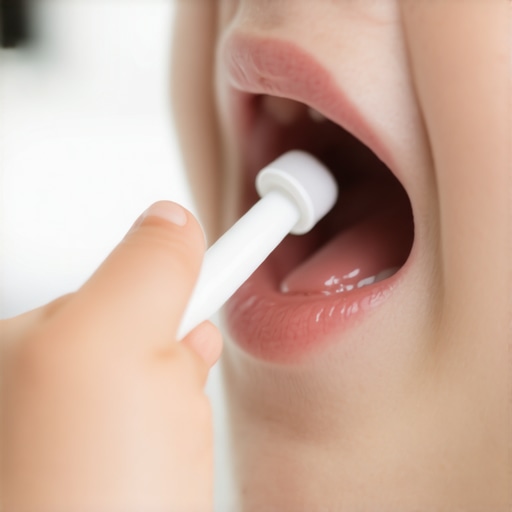
Get the Brush All the Way to the Back
The ‘danger zone’ for odors is the very back of the mouth where the upper and lower jaws meet. This area is a haven for trapped food particles that rot and create sulfurous gases. I remember a Tuesday night with my son, Leo, where I was convinced he had a sinus infection because the smell was so sharp. When I finally got him to open wide, I found a half-dissolved piece of a gummy vitamin wedged behind his last molar. He hadn’t been lying about brushing; he just literally couldn’t reach that pocket. Often, the real reason your child refuses to let you brush their back molars is because the toothbrush head is hitting their sensitive gums or jaw bone. Try using a smaller, round-head brush for those back areas. If they are younger, you might need to figure out how to stop your toddler from biting the toothbrush every time you try to reach the ‘stinky spots.’ I found that having him make a ‘fish face’ to relax his cheeks gave me just enough room to sweep the back molars without a struggle.
Keep the Mouth Wet to Stop the Stink
Saliva is your child’s natural power washer. It constantly rinses away debris and neutralizes the acids produced by bacteria. If your child breathes through their mouth at night, their saliva dries up, and the bacteria go into overdrive—this is why morning breath can be so potent. To combat this, ensure they are drinking plenty of water throughout the day and especially right before bed. This keeps the ‘wash cycle’ running longer. While you are maintaining your teeth cleaning routine for long term health, pay attention to their sleeping habits. If they are waking up with a dry, sticky mouth, no amount of brushing will fully solve the odor until the hydration issue is addressed. Sometimes, professional intervention is the only way to reset the balance. I’ve seen firsthand how regular teeth cleaning can prevent major dental issues and chronic halitosis by removing the hardened tartar that acts as a permanent hotel for bacteria.
Most people assume that a ‘clean’ mouth is one that has been scrubbed into submission, but in my experience, the ‘more is better’ approach is a dangerous trap. We’ve been conditioned to think that if our teeth aren’t glowing white, we’ve failed, but chasing a specific shade often leads to the ‘oops’ factor of over-whitening. This is one of the most common cosmetic dentistry myths debunked by pros today. When you over-scrub or use highly abrasive products, you aren’t just removing stains; you’re thinning your enamel. This is exactly the reason your front teeth look transparent at the very bottom. Thin enamel is porous, meaning it actually traps odors and stains more easily than healthy, off-white enamel.
Stop Treating Your Enamel Like a Kitchen Counter
I frequently see patients who have fallen for the DIY charcoal trend, thinking they are being ‘natural.’ However, the truth about charcoal toothpaste and your tooth enamel is that it acts like sandpaper. It creates microscopic scratches on the surface of your teeth where odor-producing bacteria can take root. If you’ve noticed why your teeth feel sticky only a few hours after brushing, it might be because the surface is no longer smooth enough for saliva to do its job. Instead of scrubbing harder, focus on the chemistry of your mouth. A study published in the Journal of Clinical Periodontology found that the diversity of the oral microbiome is a far better predictor of fresh breath than the frequency of aggressive mechanical cleaning. You want a balanced ecosystem, not a sterile desert.
Alignment is More Than a Vanity Project
Another nuance people miss is the link between straight teeth and fresh breath. Most parents think of braces or clear aligners as purely aesthetic, but why invisalign is the future of clear braces actually has more to do with hygiene. When teeth are crowded, they create ‘blind spots’ that no toothbrush—no matter how expensive—can reach. These tight gaps are where old food particles ferment, creating that locker-room smell I mentioned earlier. If you’re struggling with persistent halitosis, choosing the best invisalign options for your lifestyle might be the most effective ‘deep cleaning’ you ever invest in because it eliminates those bacterial hiding spots permanently.
Why does my breath still smell even after a professional dental cleaning?
It’s a sophisticated question that often points to the ‘biofilm’ on the soft tissues rather than the teeth themselves. Even with modern teeth cleaning innovations that reduce sensitivity and boost results, the professional tools focus on the hard surfaces. If your gums are inflamed or if you have deep ‘pockets’ between the tooth and the gum line, bacteria remain trapped. This is why maintaining your teeth cleaning routine for long term health must include flossing techniques that reach below the visible gum line. Without that, you’re only cleaning half the problem. Have you ever fallen into the trap of thinking a white smile was a healthy one, only to realize there was more going on? Let me know in the comments.
I’ve spent a fortune on gadgets that ended up in the back of my bathroom cabinet, but there are two things I will never travel without. First, a high-quality water flosser. While string floss is great, I found that for my kids—and for myself after a long day—it’s about consistency and compliance. A study by researchers like Dr. Robert G. Gerlach, published in the Journal of Clinical Dentistry, noted that water flossing can be significantly more effective at reducing gingival bleeding and removing plaque than traditional string floss when used correctly. I personally use it because it flushes out the tight gaps that my manual brush simply skips over. If you’re like me and worry about maintaining your teeth cleaning routine for long term health, this is the single best investment you can make for your nightly ritual. It isn’t just about the teeth; it’s about the soft tissue health that keeps everything in place.
Ditch the String for a Power Wash
In my household, the water flosser became the ‘cool’ tool that actually got my son to care about his gums. We realized that modern teeth cleaning innovations that reduce sensitivity and boost results aren’t just for the dentist’s office; they belong on your vanity. When you use a pressurized stream of water, you are reaching deep into the sulcus—the space between the tooth and the gum—where odorous bacteria hide. This is crucial for anyone using clear aligners too. If you’ve been looking into invisalign maintenance expert tips for clear confident smiles, you know that keeping your actual teeth clean is half the battle to prevent that ‘plastic’ smell from developing.
How do I keep my smile healthy between dental visits?
It’s easy to get excited after a professional cleaning, but the real work happens in the six months of ‘real life’ between appointments. I’ve realized that teeth cleaning tips for a brighter smile this spring aren’t just seasonal; they are daily disciplines. One specific trick I use for my son is the ‘dye test.’ We use plaque-disclosing tablets once a week. It turns any missed plaque bright pink, turning brushing into a visual game of ‘spot the germ.’ This ensures we aren’t just going through the motions. This is the level of detail needed if you want to understand how regular teeth cleaning can prevent major dental issues before they require expensive surgery.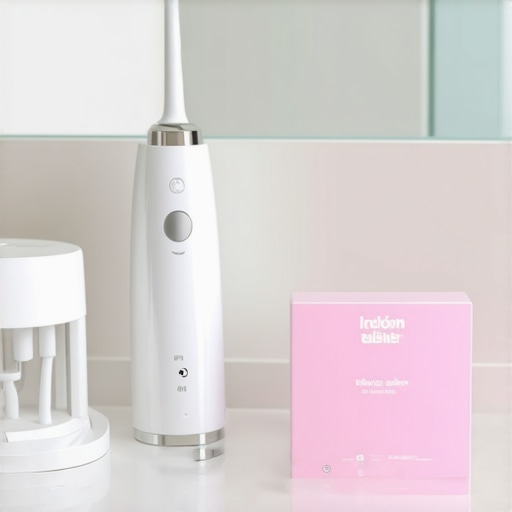
Why Your Next Toothbrush Might Be Smarter Than Your Phone
Looking forward, the way we manage our smiles is shifting toward biological monitoring and AI integration. I predict that invisalign innovations why 2025 is the year for a perfect smile will involve real-time sensors in the aligners themselves to tell you if your saliva pH is becoming too acidic. We are already seeing ultrasonic cleaning pods replace manual scrubbing for oral appliances. I switched to an ultrasonic cleaner for my night guard recently, and the difference in clarity is night and day. It is honestly the only way to truly clean the stubborn cloudiness off your night guard without scratching the surface. My challenge for you: Grab a pack of plaque-disclosing tablets this weekend. It’s a humbling reality check that will show you exactly where you need to focus your efforts.
The Most Expensive Mistake I Made at the Bathroom Sink
I used to think that more pressure meant a cleaner mouth. I was wrong. The hardest lesson I learned is that scrubbing harder does not kill more bacteria; it just hurts the gums. I eventually realized that focusing on the chemical balance of the mouth was far more effective than brute force. Another lightbulb moment occurred when I stopped treating my child’s hygiene like a chore and started viewing it as a shared science experiment. We looked at teeth cleaning myths debunked by top dentists and realized we were over-relying on alcohol-based rinses that were actually drying his mouth out, making the smell worse in the long run. Smelly breath is a messenger, not a parenting failure, so listen to what it is telling you about their hydration and technique.
What I Keep in My Dental Emergency Kit
If you want to move past the ‘smelly breath’ phase, you need the right gear. I personally swear by these three things to keep our family on track. First, a surgical-grade tongue scraper that reaches the back without the gagging. Second, choosing the right dentist who actually listens to your specific concerns about chronic odor rather than just doing a quick polish. And third, a high-quality water flosser to flush out the debris that string misses. These tools, combined with understanding how regular teeth cleaning can prevent major dental issues, form a defensive wall against halitosis that no single manual toothbrush can match.
Your Path to a Fresher Tomorrow
Don’t be discouraged if the smell does not vanish overnight. It took time for those bacteria to settle in, and it takes a bit of consistency to evict them for good. By focusing on the hidden spots like the back molars and maintaining proper hydration, you are doing more than just fixing a temporary smell; you are setting your child up for a lifetime of confidence. Trust the process of a solid teeth cleaning routine and do not be afraid to reach out to a pro if the odor persists despite your best efforts. Have you ever found a surprising hidden culprit—like a piece of stuck food—that was causing a major odor in your little one’s mouth? Let me know your stories in the comments below!