
I remember standing in my bathroom last Tuesday, staring at the copper scraper I’d just used with surgical precision. I’d done three passes. My tongue was pink. I’d even used that fancy alcohol-free mouthwash. But when I cupped my hand and exhaled, it still smelled like a damp basement. It’s a total mood-killer, isn’t it? You spend ten minutes on oral hygiene, yet you’re still terrified of getting too close to your spouse or coworkers. I used to think I was just cursed with permanent bad breath, but the reality is much more scientific—and much easier to solve once you stop obsessing over just the tongue.
The Frustrating Truth About Your Morning Routine
If you’re like me, you probably fell for the idea that the tongue is the only smell factory in the mouth. I spent years scraping like my life depended on it, only to realize I was ignoring the pockets where the real stink lives. Sometimes, the issue isn’t even your tongue at all. For instance, if you’re currently straightening your smile, you might notice that your Invisalign trays smell like old saliva, which no amount of tongue scraping can fix. Or perhaps you’ve noticed that your breath smells like mothballs, which usually points to something more complex than just a dirty tongue. The problem is that bad breath, or halitosis, is caused by Volatile Sulfur Compounds (VSCs). These little guys are produced by anaerobic bacteria that hide in the nooks and crannies of your gums, between your teeth, and even in your tonsils. A study published by the Journal of Clinical Periodontology highlights that while tongue cleaning reduces VSCs temporarily, it doesn’t eliminate the bacterial load living in the periodontal pockets. This is why you feel fresh for ten minutes and then go right back to square one.
Is a tongue scraper actually worth the hype?
I’ll be honest: I almost threw mine in the trash. I was convinced it was a marketing gimmick. But here is the secret I learned the hard way: a tongue scraper is a tool, not a cure-all. My biggest mistake early on was thinking I could scrape away a lack of flossing or avoid professional help. I was ignoring the teeth cleaning secrets that actually keep your mouth’s ecosystem in balance. Have you ever felt like you’re fighting a losing battle with your breath despite brushing and scraping? You aren’t alone, and you aren’t dirty. Most of the time, it’s just a matter of identifying the hidden stink zones you’re missing. Today, I’m going to show you exactly how to find those zones and what to do when the scraper fails you. If you’re feeling overwhelmed, don’t hesitate to reach out to a professional who can help pinpoint the exact cause.Cleaning your tongue is like vacuuming a shaggy rug; it looks better on the surface, but the real grit is still trapped deep in the floorboards. Your mouth is a complex ecosystem of tight corners and hidden pockets where air doesn’t reach. Anaerobic bacteria—the ones responsible for that damp basement smell—thrive in these low-oxygen zones. If you’re only scraping your tongue, you’re just trimming the weeds instead of pulling them out by the root. To actually fix the problem, you have to move past the tongue and address the architecture of your teeth and gums.
Stop Scrubbing the Surface and Start Cleaning the Trenches
I used to think flossing was optional, a bonus for people with too much free time. That changed during a dinner date three years ago. I thought I was being meticulous with my hygiene, but halfway through the meal, a tiny piece of fermented debris from two days prior decided to dislodge itself. It wasn’t just embarrassing; it was a wake-up call that my toothbrush and scraper were leaving a massive amount of bio-sludge behind. Once I started focusing on the gaps, the chronic smell vanished almost overnight.
Master the Interdental Game
The space between your teeth is the primary breeding ground for Volatile Sulfur Compounds. If you find that your breath stinks even after a thorough brush, you likely have plaque colonies maturing in these gaps. You need to use a technique that actually disrupts the biofilm. Don’t just snap the floss in and out; wrap it in a ‘C’ shape around each tooth and slide it beneath the gum line. If you’re new to this, don’t panic if you see a little red; learning how to stop your gums from bleeding during your first week of flossing is part of the process. As the inflammation goes down, the smell goes with it. 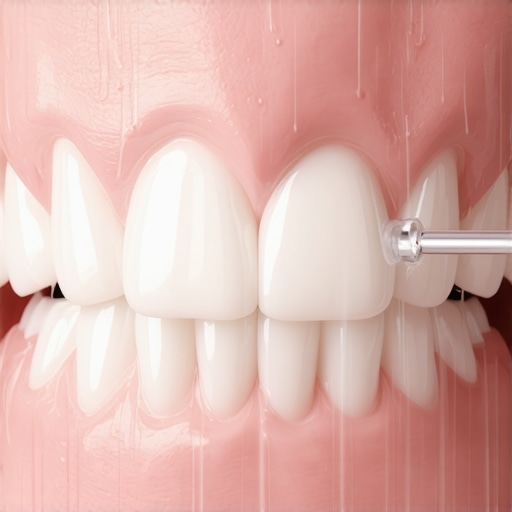
Don’t Let Your Aligners Become a Bacteria Bio-Dome
For those of us using clear aligners, the struggle is doubled. These plastic trays are essentially petri dishes if you aren’t careful. They trap saliva and food particles against your teeth, cutting off the natural cleaning flow of your spit. I’ve seen people maintain great teeth but fail to realize how to stop your Invisalign trays from smelling like old saliva, which can sabotage your breath even if your tongue is spotless. You must clean your trays every single time they come out of your mouth. Also, knowing how to keep your clear aligners from staining when you drink iced coffee can help you avoid the porous surfaces that trap odors in the first place.
Why Professional Tools Beat DIY Methods Every Time
Sometimes, the stink zones are physically impossible to reach at home. If you have a dental bridge or deep periodontal pockets, you might be dealing with the hidden reason your dental bridge traps food no matter how much you brush. In these cases, you need a professional reset. Modern dentistry has moved far beyond the painful scraping of the past. There are now modern teeth cleaning innovations that reduce sensitivity and boost results, using ultrasonic tools to blast away bacteria that no manual scraper could ever touch. Regular visits aren’t just about white teeth; it’s about understanding how regular teeth cleaning can prevent major dental issues and the chronic halitosis that comes with them. If your gag reflex is the only thing stopping you from a deep tongue clean, try the best way to clean your tongue without triggering your gag reflex by exhaling through your mouth while you work.But here is where even the most diligent brushers get it wrong: they mistake ‘white’ for ‘clean.’ We live in an era of DIY hacks and over-the-counter shortcuts, but when it comes to the complex geography of your mouth, those shortcuts are often traps. I used to be the guy who thought if my teeth looked bright in the mirror, I was winning. In reality, I was just bleaching a dirty fence.
White Teeth Do Not Always Mean Healthy Gums
There is a common belief that cosmetic dentistry is purely about vanity, and if you can achieve a bright smile with strips, you don’t need the dentist. This is a dangerous misconception. In my experience, chasing a whiter shade without a deep professional cleaning is like painting over rust. You might have seen cosmetic dentistry myths debunked before, but the biggest one is that aesthetic treatments replace hygiene. According to a study in the Journal of Evidence-Based Dental Practice, chemical whitening agents can actually make your enamel more porous, making it easier for the very bacteria we’re trying to avoid to hitch a ride deep into your tooth structure. If you are ignoring the foundation, you are essentially building a skyscraper on sand.
Does bleaching your teeth actually hide underlying decay?
Yes, and that is the ‘oops’ factor most people realize too late. I’ve talked to dozens of people who were shocked to find out they had advanced gum disease despite having ‘Hollywood’ white teeth. They were so focused on the shade that they ignored the fact that their teeth feel sticky only a few hours after brushing. That stickiness is a living biofilm, and no amount of peroxide will kill the bacteria living underneath it. 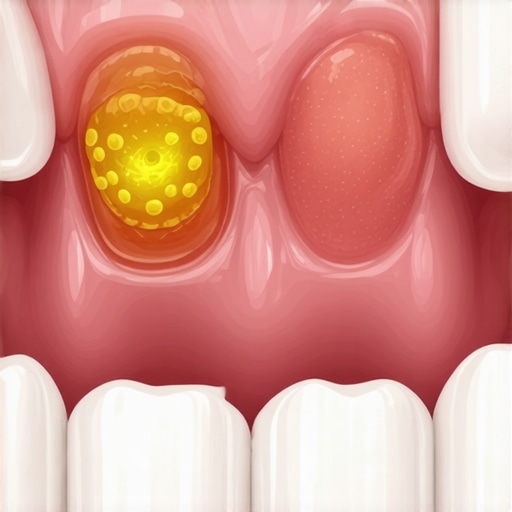
Why Your Invisalign Feels Like a Vice on Monday Mornings
If you’re on a journey to straighten your smile, you’ve likely experienced that intense pressure at the start of a new tray. But have you ever wondered why your Invisalign aligners feel tight every Monday morning? It’s often because we get a little lax with our wear-time over the weekend. This constant micro-shifting back and forth creates tiny pockets where bacteria can settle and create a foul odor that no scraper can reach. This is why teeth cleaning for sensitive teeth has become such a massive focus lately; the shifting of teeth makes them more reactive to temperature and pressure, requiring specialized care that goes beyond a standard toothbrush.
The Trap of High-Strength Home Treatments
One of the biggest mistakes I see is the ‘more is better’ approach with at-home whiteners and harsh mouthwashes. People think they are sterilizing their mouths, but they are actually nuking the ‘good’ bacteria along with the bad. This imbalance leads to chronic dry mouth, which is a primary driver of halitosis. Instead of guessing, it is much safer to rely on modern teeth cleaning innovations that reduce sensitivity and boost results. These tools use air-flow technology to remove the biofilm without damaging the delicate enamel or the gum tissue. Have you ever fallen into the trap of thinking a whiter smile meant a healthier one? Let me know in the comments. If you’re tired of the guesswork and want a professional reset, don’t hesitate to contact us today to get your oral health back on track.The jump from manual tools to high-tech oral care isn’t just about spending money; it’s about the physics of cleanliness. When I finally switched to a high-pressure water flosser, I realized I wasn’t just rinsing my teeth; I was using 100 PSI of targeted kinetic energy to disrupt the anaerobic colonies that my scraper couldn’t even reach. This is the level of precision required for maintaining your teeth cleaning routine for long-term health. If you’re serious about the science of a clean mouth, you need to look at tools that offer variable pressure settings—especially if you’re navigating teeth cleaning for sensitive teeth.
The specific tools I trust for my daily routine
I get asked constantly if the high-end electric toothbrush is actually worth the investment. In my experience, the answer is a resounding yes. I use an oscillating-rotating brush because the mechanical action is significantly more effective at removing the “sticky” biofilm that manual scrubbing misses. For those in the middle of their ultimate guide to Invisalign for adults in 2025 journey, I highly recommend investing in an ultrasonic cleaning pod for your trays. Don’t just soak them in mouthwash; the high-frequency vibrations literally shake the bacteria off the plastic. This is the gold standard for Invisalign maintenance without clouding the material. 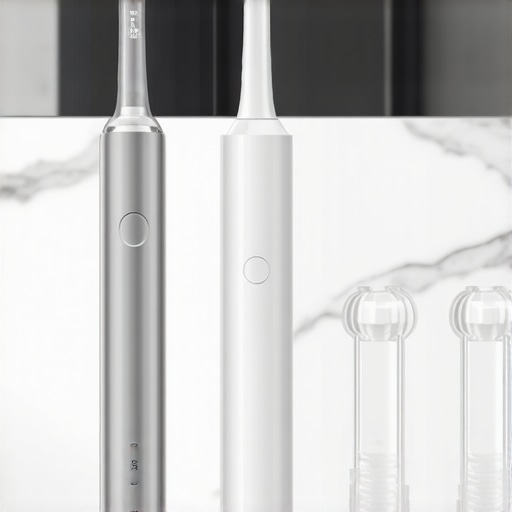
How do I maintain a fresh smile over the long haul?
Consistency is the unglamorous secret that actually works. I treat my oral health like a gym routine, scheduling professional sessions six months out because regular teeth cleaning can prevent major dental issues that no at-home tool can fix. Dr. Gordon Christensen, a world-renowned clinical researcher and founder of Clinicians Report, has often highlighted that power-driven interdental cleaning—specifically using water flossers—can reduce gingival inflammation by up to 50% more effectively than traditional string floss for most users. If you have been struggling with discolored teeth, remember that the true foundation of radiance is healthy, pink tissue, not just the shade of the enamel.
The shift toward personalized oral biometrics
Looking ahead, I predict we are going to see “smart” aligners and toothbrushes that sync with your phone to report your mouth’s pH levels in real-time. We are moving toward a world where cosmetic dentistry innovations in 2025 will be driven by biological data rather than just aesthetics. This is why Invisalign is the future of clear braces; it is a data-driven approach to structural health. To stay ahead of the curve, stop guessing and start measuring. Try using a pH-balancing mouth rinse for one week and see if that stubborn “metallic” smell finally disappears. If you’re ready to level up your routine with professional guidance, contact us today to see which high-tech options fit your specific lifestyle.
Hard Truths About Maintaining a Fresh Mouth Year-Round
The most important lesson I’ve learned is that you cannot sanitize your way to a healthy mouth. For years, I used the strongest mouthwashes available, only to realize I was destroying my natural defenses and causing chronic dryness. Real freshness comes from balance, not total bacterial eradication. I also discovered that maintaining your teeth cleaning routine for long-term health is as much about the tools you use as the frequency of your visits. If you’ve been avoiding the chair because of discomfort, keep in mind that teeth cleaning for sensitive teeth has evolved to be incredibly gentle, making professional resets easier than ever before.
My Personal Arsenal for a Total Smile Reset
If you want to move beyond the basic toothbrush, here are the three tools that changed the game for me. First, a high-quality water flosser is non-negotiable for reaching the periodontal pockets where odors hide. Second, for anyone following the ultimate guide to Invisalign for adults in 2025, an ultrasonic cleaning tank is the only way to keep your aligners from becoming a source of smell. Third, I keep a dedicated interdental brush in my travel kit to catch debris that even high-pressure water can’t dislodge. I trust these tools because they focus on mechanical disruption of the biofilm rather than just temporary masking.
Take the Leap Toward a Healthier Smile Today
You don’t have to live with the anxiety of bad breath or hide your smile during conversations. The science of oral health is advancing every day, and with the right combination of at-home diligence and modern technology, a truly fresh mouth is within your reach. Whether you are looking for a cosmetic upgrade or just want the confidence that comes with healthy gums, the journey starts with one small change in your routine. If you’re ready to stop guessing and start seeing results, contact us today to build a personalized plan for your smile. What’s the one part of your oral routine you’re most likely to skip when you’re tired? Let me know below!