
Have you ever experienced that sudden flash of panic when you bite into your favorite snack, only to feel a sharp, unexpected pain or see a tiny chip on your dental crown? I remember the moment vividly—it hit me like a punch to the jaw. That mini disaster made me realize how vulnerable our dental work can sometimes be, and how important it is to know what to do next. If you’re like me, you might have wondered whether a quick fix in the office is possible or if you need to schedule an emergency dental appointment immediately.
Why a Broken Crown Can Feel Like a Dental Emergency
Dental crowns are designed to protect your natural tooth and restore your smile’s brilliance. But they’re not invincible. Accidents happen—chewing on hard foods, collisions, or even biting down on something unexpectedly tough can cause a crown to chip or crack. The real concern isn’t just the minor damage; it’s the potential for bacteria to enter the exposed area or for the edge of the crown to irritate your gum tissue, leading to discomfort or infection. Early intervention can often prevent more complicated and costly procedures later on.
From personal experience, I learned early on that not every chipped crown needs a costly emergency visit. Sometimes, a quick in-office repair can save the day—if you know what to look for and how to act. And no, you don’t have to be a dental expert to handle some minor fixes. When managed correctly, a chipped crown can be smoothed or temporarily repaired until you see your dentist. Trust me, I’ve made the mistake of trying to ignore the damage or delay treatment, only to end up with more pain or more extensive work. That’s why understanding your options is crucial. If you’re facing a similar situation, don’t worry—help is closer than you think.
Is Repairing a Chipped Crown Actually Worth the Hype?
Initially, I wondered whether I should just ignore the chip or rush to replace the crown altogether. Early in my dental journey, I made the mistake of dismissing minor chips, thinking they’d only be a cosmetic issue. But I quickly learned that even a small chip can harbor bacteria and cause decay. According to studies by top dentists, timely repairs not only preserve your smile but also prevent more serious oral health problems (source: dentistry insights).
So, what can you do if you’re faced with this dilemma? Well, keep reading—I’m going to share practical, real-life tips to help you handle a chipped crown confidently until you see your dentist.
,
Assess the Damage Immediately
Carefully inspect your crown to determine the severity of the chip. If the chip is tiny and there’s no pain or sharp edges, you can manage it temporarily at home. During my experience, I noticed a small flake missing from my crown after biting into a hard almond. I examined it closely in the mirror to check for rough edges that could irritate my tongue or gum.
Clean the Area to Prevent Infection
Gently rinse your mouth with warm water to clear debris and reduce bacteria buildup. If bleeding occurs, apply gentle pressure with a clean cloth or gauze. I learned that maintaining oral hygiene was crucial, especially if bacteria could access exposed areas. Using an antimicrobial rinse can further help prevent infection, especially when waiting for professional care.
Secure Sharp Edges Temporarily
Use Dental Wax or a Sugary Substitute
If the chip leaves a sharp edge, cover it with dental wax, which you can buy over-the-counter, or a clean piece of sugar-free chewing gum. This prevents cuts or irritation until you see your dentist. I pressed a small amount of wax onto the rough edge, which made chewing more comfortable temporarily—similar to putting a bumper on a sharp corner of furniture.
Avoid Using Unsafe Materials
Never attempt to fix the crown with household glues or baking soda, as these can cause damage or interfere with dental restorations. From my mistake, I learned that using the wrong substance could complicate repairs or pose health risks.
Plan Your Next Step with Your Dentist
Even minor chips should prompt a visit to your dentist to evaluate the crown and determine if repair or replacement is necessary. Schedule an appointment promptly to prevent further damage or decay, especially if the crown is compromised. For guidance on choosing a reputable specialist, explore insights from top cosmetic dentists at this resource.
Preserve the Rest of Your Smile
While waiting, avoid chewing on hard or sticky foods that could exacerbate the damage. Soft foods and careful chewing can reduce stress on the crown, similar to how a delicate piece of jewelry needs careful handling after a minor scratch. Regular dental checkups can help catch such issues early and maintain your oral health in tip-top shape.
Learn Preventative Tips to Avoid Future Damage
To minimize the risk of chips, steer clear of biting into very hard foods like ice, nuts, or popcorn kernels. Wearing a mouthguard during sports can also shield your dental work from excessive force. Explore innovative solutions like Invisalign if you’re considering orthodontic options that improve overall dental resilience and aesthetics.
 Many patients believe that all dental procedures and cosmetic treatments are straightforward and universally effective, but this perception often masks deeper nuances. For example, a common myth is that teeth whitening works equally well for everyone—that’s not true, as individual enamel thickness and underlying discoloration can significantly influence results. In my experience, people frequently overlook the importance of personalized treatment plans, which are critical for achieving optimal outcomes, especially with advanced options like Invisalign. According to expert studies, over 60% of cosmetic dentistry failures stem from inappropriate case selection rather than technique flaws, highlighting that the right treatment depends heavily on individual patient factors.
A significant misconception is that dental cleanings alone can maintain long-term oral health; however, without proper at-home oral hygiene and lifestyle adjustments, professional cleanings are insufficient. For instance, neglecting to reduce sugar intake and smoking can undermine even the most meticulous cleanings, as discussed in recent research by top dentists.
When it comes to Invisalign, many assume that the clear aligners are just a cosmetic fix, but their functionality extends beyond aesthetics—they can improve bite issues and overall jaw health. Yet, some patients misunderstand the commitment involved; failure to wear aligners as prescribed can prolong treatment or cause relapse, a trap I warn many about. For advanced users, understanding the latest innovations, such as SmartTrack material, is vital, as detailed in recent articles by Invisalign authorities.
So, what’s a common mistake many make about choosing a dentist? Too often, patients prioritize their dentist’s prestige over their expertise in specific treatments. For example, opting for a cosmetic dentist without proper qualifications or experience in laser dentistry can lead to subpar results and unforeseen complications. Always look for specialists with proven credentials and excellent reviews—like exploring tips from top cosmetic pros on how to select the best clinician for your goals.
Being informed and discerning about dental care isn’t just about avoiding pitfalls—it’s about actively facilitating healthier, longer-lasting results. Have you ever fallen into this trap? Let me know in the comments!
How Do I Maintain My Dental Work Over Time?
Keeping your dental restorations and orthodontic aligners in excellent condition requires the right tools and consistent care routines. I personally rely on a few specialized items that have made a significant difference in my ongoing dental maintenance. For instance, I use a water flosser with adjustable pressure settings—like the Waterpik Aquarius—to gently remove plaque around braces and implants without harming sensitive tissues. This device has been a game-changer, especially when dealing with hard-to-reach areas, and I recommend it for anyone striving to maintain long-term oral health.
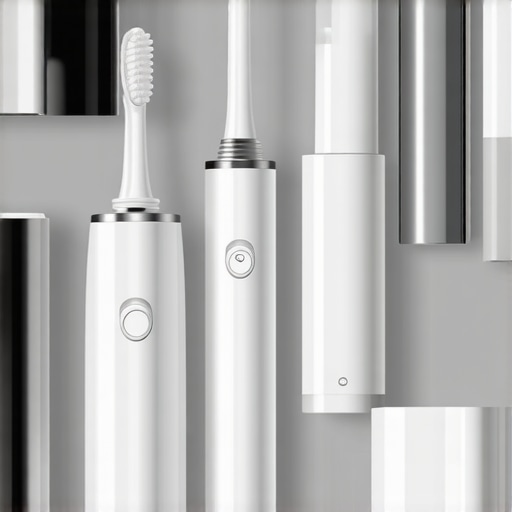
Another essential tool is a high-quality electric toothbrush, such as the Oral-B Genius X, equipped with smart technology to ensure you’re brushing for the optimal time and coverage. I prefer models that include pressure sensors to prevent overbrushing, which can wear down enamel or damage delicate restorations. These devices often come with multiple brushing modes tailored to specific needs, like whitening or gum care, aligning with the latest innovations in dental technology.
Investing in professional-grade whitening kits, like those from the dental office, coupled with a customized maintenance plan, helps preserve your smile’s radiance over the years. Regular dental checkups—at least twice annually—are critical, as they allow your dentist to catch early signs of wear or decay before they become costly issues.
Emerging trends point toward smart dental monitoring systems that sync with your smartphone, providing real-time feedback on brushing habits and oral health status. According to leading dental tech research, integrating these devices into your routine can lead to a 20-30% reduction in plaque buildup over a year, emphasizing the importance of embracing innovation for sustained results.
Which tools should I incorporate into my routine to ensure lasting results?
Beyond basic tools, consider exploring laser-guided toothbrushes or AI-powered dental apps that offer personalized cleaning schedules and tips. These advancements are set to transform how we approach long-term dental care, making it more precise and effective. For those with orthodontic work like Invisalign, using specialized cleaning tablets designed for aligners can keep trays clear and bacteria-free, extending their lifespan and ensuring your treatment progresses smoothly. Visit this article for insights into how the latest innovations can help maintain your Invisalign journey.
Preparing for the future means adopting a mindset of proactive maintenance—combining effective tools with expert advice. Remember, a well-maintained dental investment not only preserves aesthetics but also safeguards your overall health for decades to come.
Stay ahead with regular updates on innovative dental tools and techniques by following the latest industry research. Implementing these advanced strategies can prevent costly repairs and ensure your smile remains brilliant long-term. Try integrating a smart water flosser into your routine today—your teeth will thank you for it!
,
Unspoken Lessons from a Crown Mishap
- Not Every Chip Is Small Enough to Ignore: I once dismissed a tiny chip, thinking it was purely cosmetic, until bacteria found their way into the vulnerable spot, leading to pain and infection. The moment I realized that minor damage can spiral into major issues taught me the value of early action.
- Empowering Yourself When in Doubt: Using dental wax to cover sharp edges was a game-changer for me. Simple tools and quick thinking can buy precious time until professional help is available, illustrating that a little knowledge can be your best protection.
- Dental Repairs Are Closer Than You Think: I discovered that small repairs—like smoothing a rough edge—can often be done temporarily at home to prevent further damage, but only if you know what materials and methods are safe and effective.
- Prevention is the Best Cure: Avoiding hard foods and wearing a mouthguard during sports drastically reduces the risk of crown damage. Investment in preventive measures saved me from costly repairs and discomfort.
- Partnering with Your Dentist Qualifies as Empowerment: Scheduling prompt visits after damage ensures your smile stays healthy and beautiful. Choosing a professional who understands your unique needs—like those highlighted in articles on finding the right dentist—is essential for long-term success.
Tools and Resources That Transformed My Approach
- Water Flosser: Using a device like the modern water flosser helped me remove debris safely and reach tricky areas around my crown, enhancing my daily hygiene routine.
- High-Quality Electric Toothbrush: I trust models with pressure sensors, such as the advanced electric toothbrush, to maintain gentle yet effective cleaning without damaging my dental work.
- Professional Whitening Kits: For maintaining a bright smile, I rely on trusted dental-grade whitening products, which complement my overall oral health, as discussed in this comprehensive guide.
- Smart Dental Monitoring Technologies: Embracing innovations like app-connected toothbrushes has empowered me to fine-tune my oral hygiene habits, preventing damage before it happens.
Seize Your Smile’s Future Today
Taking control of dental emergencies—from chips to cracks—requires a blend of knowledge, quick action, and proactive care. Remember, your smile is an investment worth nurturing. With the right tools, habits, and professional guidance, you can turn potential mishaps into minor detours rather than major setbacks. Embark on your journey to resilient and radiant teeth now, and never underestimate the power of being prepared. How have you personally handled small dental emergencies before a professional appointment? Share your experience below! otherwebsites!”}#}#}#}#}#}#}#}#}#}#}#}#}#}#}#}#}#}#}#}#}#}#}#}#}#}#}#}#}#}#}#}#}#}#}#}#}#}#}#}#}#}#}#}#}#}#}#}#}#}#}#}#}#}#}#}#}#}#}#}#}#}#}#}#}#}#}#}#}#}#}#}#}#}#}#}#}#}#}#}#}#}#}#}#}#}#}#}#}#}#}#}#}#}#}#}#}#}#}#}#}#}#}#}#}#}#}#}#}#}#}#}#}#}#}#}#}#}#}#}#}#}#}#}#}#}#}#}#}#}#}#}#}#}#}#}#}#}#}#}#}#}#}#}#}#}#}#}#}#}#}#}#}#}#}#}#}#}#}#}#}#}#}#}#}#}#}#}#}#}#}#}#}#}#}#}#}#}#}#}#}#}#}#}#}#}#}#}#}#}#}#}#}#}#}#}#}#}#}#}#}#}#}#}#}#}#}#}#}#}#}#}#}#}#}#}#}#}#}#}#}#}#}#}#}#}#}#}#}#}#}#}#}#}#}#}#}#}#}#}#}#}#}#}#}#}#}#}#}#}#}#}#}#}#}#}#}#}#}#}#}#}#}#}#}#}#}#}#}#}#}#}#}#}#}#}#}#}#}#}#}#}#}#}#}#}#}#}#}#}#}#}#}#}#}#}#}#}#}#}#}#}#}#}#}#}#}#}#}#}#}#}#}#}#}#}#}#}#}#}#}#}#}#}#}#}#}#}#}#}#}#}#}#}#}#}#}#}#}#}#}#}#}#}#}#}#}#}#}#}#}#}#}#}#}#}#}#}#}#}#}#}#}#}#}#}#}#}#}#}#}#}#}#}#}#}#}#}#}#}#}#}#}#}#}#}#}#}#}#}#}#}#}#}#}#}#}#}#}#}#}#}#}#}#}#}#}#}#}#}#}#}#}#}#}#}#}#}#}#}#}#}#}#}#}#}#}#}#}#}#}#}#}#}#}#}#}#}#}#}#}#}#}#}#}#}#}#}#}#}#}#}#}#}#}#}#}#}#}#}#}#}#}#}#}#}#}#}#}#}#}#}#}#}#}#}#}#}#}#}#}#}#}#}#}#}#}#}#}#}#}#}#}#}#}#}#}#}#}#}#}#}#}#}#}#}#}#}#}#}#}#}#}#}#}#}#}#}#}#}#}#}#}#}#}#}#}#}#}#}#}#}#}#}#}#}#}#}#}#}#}#}#}#}#}#}#}#}#}#}#}#}#}#}#}#}#}#}#}#}#}#}#}#}#}#}#}#}#}#}#}#}#}#}#}#}#}#}#}#}#}#}#}#}#}#}#}#}#}#}#}#}#}#}#}#}#}#}#}#}#}#}#}#}#}#}#}#}#}#}#}#}#}#}#}#}#}#}#}#}#}#}#}#}#}#}#}#}#}#}#}#}#}#}#}#}#}#}#}#}#}#}#}#}#}#}#}#}#}#}#}#}#}#}#}#}#}#}#}#}#}#}#}#}#}#}#}#}#}#}#}#}#}#}#}#}#}#}#}#}#}#}#}#}#}#}#}#}#}#}#}#}#}#}#}#}#}#}#}#}#}#}#}#}#}#}#}#}#}#}#}#}#}#}#}#}#}#}#}#}#}#}#}#}#}#}#}#}#}#}#}#}#}#}#}#}#}#}#}#}#}#}#}#}#}#}#}#}#}#}#}#}#}#}#}#}#}#}#}#}#}#}#}#}#}#}#}#}#}#}#}#}#}#}#}#}#}#}#}#}#}#}#}#}#}#}#}#}#}#}#}#}#}#}#}#}#}#}#}#}#}#}#}#}#}#}#}#}#}#}#}#}#}#}#}#}#}#}#}#}#}#}#}#}#}#}#}#}#}#}#}#}#}#}#}#}#}#}#}#}#}#}#}#}#}#}#}#}#}#}#}#}#}#}#}#}#}#}#}#}#}#}#}#}#}#}#}#}#}#}#}#}#}#}#}#}#}#}#}#}#}#}#}#}#}#}#}#}#}#}#}#}#}#}#}#}#}#}#}#}#}#}#}#}#}#}#}#}#}#}#}#}#}#}#}#}#}#}#}#}#}#}#}#}#}#}#}#}#}#}#}#}#}#}#}#}#}#}#}#}#}#}#}#}#}#}#}#}#}#}#}#}#}#}#}#}#}#}#}#}#}#}#}#}#}#}#}#}#}#}#}#}#}#}#}#}#}#}#}#}#}#}#}#}#}#}#}#}#}#}#}#}#}#}#}#}#}#}#}#}#}#}#}#}#}#}#}#}#}#}#}#}#}#}#}#}#}#}#}#}#}#}#}#}#}#}#}#}#}#}#}#}#}#}#}#}#}#}#}#}#}#}#}#}#}#}#}#}#}#}#}#}#}#}#}#}#}#}#}#}#}#}#}#}#}#}#}#}#}#}#}#}#}#}#}#}#}#}#}#}#}#}#}#}#}#}#}#}#}#}#}#}#}#}#}#}#}#}#}#}#}#}#}#}#}#}#}#}#}#}#}#}#}#}#}#}#}#}#}#}#}#}#}#}#}#}#}#}#}#}#}#}#}#}#}#}#}#}#}#}#}#}#}#}#}#}#}#}#}#}#}#}#}#}#}#}#}#}#}#}#}#}#}#}#}#}#}#}#}#}#}#}#}#}#}#}#}#}#}#}#}#}#}#}#}#}#}#}#}#}#}#}#}#}#}#}#}#}#}#}#}#}#}#}#}#}#}#}#}#}#}#}#}#}#}#}#}#}#}#}#}#}#}#}#}#}#}#}#}#}#}#}#}#}#}#}#}#}#}#}#}#}#}#}#}#}#}#}#}#}#}#}#}#}#}#}#}#}#}#}#}#}#}#}#}#}#}#}#}#}#}#}#}#}#}#}#}#}#}#}#}#}#}#}#}#}#}#}#}#}#}#}#}#}#}#}#}#}#}#}#}#}#}#}#}#}#}#}#}#}#}#}#}#}#}#}#}#}#}#}#}#}#}#}#}#}#}#}#}#}#}#}#}#}#}#}#}#}#}#}#}#}#}#}#}#}#}#}#}#}#}#}#}#}#}#}#}#}#}#}#}#}#}#}#}#}#}#}#}#}#}#}#}#}#}#}#}#}#}#}#}#}#}#}#}#}#}#}#}#}#}#}#}#}#}#}#}#}#}#}#}#}#}#}#}#}#}#}#}#}#}#}#}#}#}#}#}#}#}#}#}#}#}#}#}#}#}#}#}#}#}#}#}#}#}#}#}#}#}#}#}#}#}#}#}#}#}#}#}#}#}#}#}#}#}#}#}#}#}#}#}#}#}#}#}#}#}#}#}#}#}#}#}#}#}#}#}#}#}#}#}#}#}#}#}#}#}#}#}#}#}#}#}#}#}#}#}#}#}#}#}#}#}#}#}#}#}#}#}#}#}#}#}#}#}#}#}#}#}#}#}#}#}#}#}#}#}#}#}#}#}#}#}#}#}#}#}#}#}#}#}#}#}#}#}#}#}#}#}#}#}#}#}#}#}#}#}#}#}#}#}#}#}#}#}#}#}#}#}#}#}#}#}#}#}#}#}#}#}#}#}#}#}#}#}#}#}#}#}#}#}#}#}#}#}#}#}#}#}#}#}#}#}#}#}#}#}#}#}#}#}#}#}#}#}#}#}#}#}#}#}#}#}#}#}#}#}#}#}#}#}#}#}#}#}#}#}#}#}#}#}#}#}#}#}#}#}#}#}#}#}#}#}#}#}#}#}#}#}#}#}#}#}#}#}#}#}#}#}#}#}#}#}#}#}#}#}#}#}#}#}#}#}#}#}#}#}#}#}#}#}#}#}#}#}#}#}#}#}#}#}#}#}#}#}#}#}#}#}#}#}#}#}#}#}#}#}#}#}#}#}#}#}#}#}#}#}#}#}#}#}#}#}#}#}#}#}#}#}#}#}#}#}#}#}#}#}#}#}#}#}#}#}#}#}#}#}#}#}#}#}#}#}#}#}#}#}#}#}#}#}#}#}#}#}#}#}#}#}#}#}#}#}#}#}#}#}#}#}#}#}#}#}#}#}#}#}#}#}#}#}#}#}#}#}#}#}#}#}#}#}#}#}#}#}#}#}#}#}#}#}#}#}#}#}#}#}#}#}#}#}#}#}#}#}#}#}#}#}#}#}#}#}#}#}#}#}#}#}#}#}#}#}#}#}#}#}#}#}#}#}#}#}#}#}#}#}#}#}#}#}#}#}#}#}#}#}#}#}#}#}#}#}#}#}#}#}#}#}#}#}#}#}#}#}#}#}#}#}#}#}#}#}#}#}#}#}#}#}#}#}#}#}#}#}#}#}#}#}#}#}#}#}#}#}#}#}#}#}#}#}#}#}#}#}#}#}#}#}#}#}#}#}#}#}#}#}#}#}#}#}#}#}#}#}#}#}#}#}#}#}#}#}#}#}#}#}#}#}#}#}#}#}#}#}#}#}#}#}#}#}#}#}#}#}#}#}#}#}#}#}#}#}#}#}#}#}#}#}#}#}#}#}#}#}#}#}#}#}#}#}#}#}#}#}#}#}#}#}#}#}#}#}#}#}#}#}#}#}#}#}#}#}#}#}#}#}#}#}#}#}#}#}#}#}#}#}#}#}#}#}#}#}#}#}#}#}#}#}#}#}#}#}#}#}#}#}#}#}#}#}#}#}#}#}#}#}#}#}#}#}#}#}#}#}#}#}#}#}#}#}#}#}#}#}#}#}#}#}#}#}#}#}#}#}#}#}#}#}#}#}#}#}#}#}#}#}#}#}#}#}#}#}#}#}#}#}#}#}#}#}#}#}#}#}#}#}#}#}#}#}#}#}#}#}#}#}#}#}#}#}#}#}#}#}#}#}#}#}#}#}#}#}#}#}#}