
I remember the exact moment I noticed it: after carefully applying my whitening gel, I looked in the mirror only to see my gums turn a stark, unhealthy-looking white. It hit me like a punch to the gut. Suddenly, that bright, confident smile felt a little less attainable. I felt trapped in a cycle of trying to enhance my teeth’s whiteness but ending up with uncomfortable side effects.
Understanding the Why Behind Gum Discoloration After Whitening
This experience wasn’t just a fluke; it opened my eyes to a common yet misunderstood issue. Many people, just like me, assume that whitening gels are perfectly safe because they’re marketed as quick and effective solutions. But what happens when our gums—those soft tissues that protect our teeth—react adversely? Why do they sometimes turn white after using whitening products?
It turns out, the whitening agents, typically hydrogen peroxide or carbamide peroxide, can sometimes penetrate the gum tissue if not used correctly. This exposure can cause temporary tissue irritation, leading to noticed color changes. While this white appearance isn’t necessarily permanent or harmful, it signals that the product might be irritating your gums or that you might be misusing it.
Have You Ever Faced Similar Problems?
If you’ve ever experienced gums turning white or feeling sensitive after whitening treatments, you’re not alone. This common side effect can be unnerving, especially if you’re new to teeth whitening or trying DIY methods without proper guidance. My early mistake was rushing into whitening without understanding the mechanics—trust me, that’s a mistake many make. For more insights, I recommend reading about why whitening strips can cause gum whitening.
Next, let’s talk about how to approach whitening safely and what steps you can take to prevent or address this issue effectively. Understanding the cause is the first step toward a healthier, brighter smile—and a more confident you.
Choose Gentle, Professional Products
Start by selecting whitening products approved by dental professionals. I once purchased a cheap whitening kit online, rushed through the application, and ended up with irritated gums turning white. To avoid this, consult your dentist for recommendations on safe, effective options. Professional-grade gels or whitening treatments administered under supervision significantly reduce the risk of gum discoloration. Remember, over-the-counter products with high peroxide concentrations can penetrate gum tissue if misused, leading to undesirable effects.
Master Proper Application Techniques
Applying whitening gel correctly is crucial. I recall the first time I used a DIY whitening pen; I applied excess gel directly on the gums, which caused immediate irritation and whitening of the gum tissue. To prevent this, use a precision applicator or a small toothbrush to carefully coat only the teeth surfaces, avoiding the gum margins. Additionally, use the product for the recommended duration—overexposure can increase tissue irritation. Practice patience; precise application minimizes side effects and enhances results.
Use a Gingival Barrier
Applying a barrier like petroleum jelly or specialized gingival protector shields your gums from contact with whitening agents. I learned this the hard way by skipping this step and experiencing white patches on my gums. Before applying the gel, spread a thin layer of petroleum jelly along the gum line. This simple step creates a protective layer that prevents peroxide from irritating and whitening the gum tissue, ensuring only the teeth are affected.
Control Usage and Frequency
Limit the number of whitening sessions and follow the manufacturer’s instructions strictly. I once doubled the recommended application time, thinking it would speed up results. Instead, my gums became inflamed and turned white temporarily. Schedule treatments spaced out over days or weeks, allowing tissue to recover between sessions. Regular breaks prevent overexposure, which can lead to discoloration and sensitivity. Tracking your whitening timeline helps maintain gum health and avoids unwanted side effects.
Enhance Oral Hygiene Routine
Maintain a consistent, gentle oral hygiene routine. Regular brushing with a soft-bristled brush and flossing remove plaque that can trap whitening agents and exacerbate irritation. I noticed my gums healed faster after a deep cleaning session, which I scheduled through a reputable dentist. Proper cleaning ensures your gums are healthy and more resilient to minor irritants, reducing the likelihood of discoloration post-treatment. For comprehensive hygiene tips, visit this guide on teeth cleaning.
Consult a Dentist for Customized Solutions
When in doubt, seek professional advice. A consultation allows your dentist to assess your gum tissue and recommend personalized whitening plans that won’t cause discoloration or damage. I experienced persistent gum sensitivity and white patches, which prompted me to see a dentist. They advised on tailored treatment options, such as in-office whitening or alternative cosmetic procedures. Expert supervision ensures safe, effective results without compromising gum health.
Manage Existing Gum Discoloration
If you’ve already experienced whitening-induced gum whitening, don’t panic. Hydrate and avoid further whitening products until tissues recover. Sometimes, the discoloration is temporary and resolves with time, optimized oral care, and professional advice. For stubborn cases, treatments like laser therapy or cosmetic procedures may be recommended by your dentist. Remember, proper care and expert guidance are key to restoring your gums’ natural color and health.
Implementing these concrete steps can significantly reduce the risk of gum discolouration after whitening. Remember, patience and proper technique are your allies in achieving a brighter smile without compromising oral health.
Many patients assume that all dental procedures are straightforward and uniform, but in reality, there’s a lot of nuance that even experienced dentists understand deeply. For example, a common myth about Invisalign is that it’s suitable for everyone, which isn’t true. While it offers incredible benefits for mild to moderate cases, severe misalignments often require traditional braces or alternative treatments. According to a 2023 study in the Journal of Orthodontics, about 15% of cases initially advised for Invisalign actually benefit more from other approaches, highlighting the importance of personalized assessment.
Another misconception pertains to teeth cleaning. Many think that more frequent cleanings always lead to healthier gums, but overdoing it can cause gum recession or increased sensitivity. As highlighted in this article, the key is tailored frequency based on individual oral health status. Recognizing that each mouth is unique prevents the trap of over-treatment.
In cosmetic dentistry, the prevalent myth is that veneers and whitening are purely cosmetic with no health implications. However, aggressive whitening without proper supervision can weaken enamel, and poorly fitted veneers can cause gum irritation or decay. An advanced mistake is ignoring the importance of proper customization and planning—a nuance that separates a beautiful result from long-term oral health issues.
So, what’s the hidden nuance most overlook? It’s the idea that dental procedures, even those labeled as simple or routine, require a tailored approach rooted in clinical evidence and individual anatomy. For example, some patients attempt DIY whitening or buy over-the-counter aligners, not realizing the risks involved. While affordability and convenience are tempting, these shortcuts can lead to worse outcomes, including permanent damage or the need for extensive corrective work.
A common mistake I see is underestimating the importance of professional guidance. Consulting a qualified dentist ensures that your unique bite, enamel strength, and gum health are properly evaluated, leading to a customized treatment plan. For example, choosing the right Invisalign option tailored for your lifestyle—not just the cheapest or most marketed—is crucial. You can find expert tips for selecting the best Invisalign options for you in this guide.
Finally, the misconception that all cosmetic improvements are purely superficial can prevent patients from exploring holistic options that enhance both appearance and function. Advances in cosmetic dentistry innovations now focus on long-term health, not just aesthetics.
In summary, The real secret is that successful dental treatments depend on understanding the complexity behind each procedure, avoiding one-size-fits-all solutions, and trusting a professional’s nuanced judgment. Have you ever fallen into this trap? Let me know in the comments.
Keep Your Smile Looking Its Best: Essential Tools and Methods
Maintaining your dental health and cosmetic results requires more than just visiting your dentist regularly; it involves investing in the right tools and adopting effective routines. As someone who’s navigated the world of cosmetic dentistry and orthodontics, I’ve tested various equipment and methods to preserve my smile over the long haul. Today, I want to share the tools I personally rely on and why they’re crucial for lasting results.
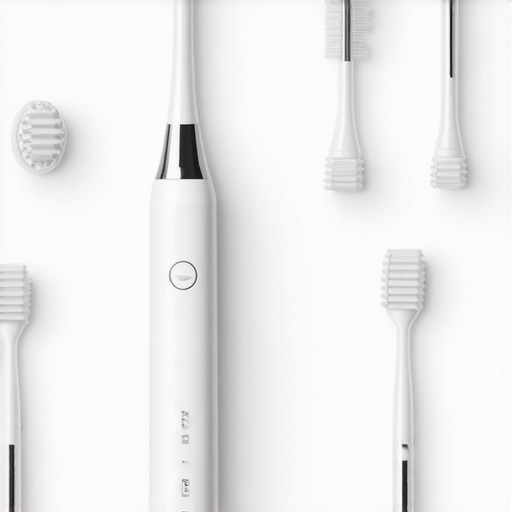
First, an electric toothbrush with sonic technology has been a game-changer. Unlike manual brushes, sonic brushes generate up to 40,000 strokes per minute, effectively disrupting plaque and deep-cleaning even hard-to-reach areas. I use the Sonicare DiamondClean because of its high-frequency vibrations and smart timer, which ensure I brush for the optimal two minutes without overdoing it. Regular use of such a device helps prevent tartar buildup and enamel staining, key to maintaining both oral health and cosmetic enhancements.
Second, I incorporate interdental brushes into my routine. These tiny, firm-bristled brushes are perfect for cleaning between teeth and around brackets or veneers. I recommend the Tepe Interdental Brushes because their slim design allows for detailed cleaning, reducing the risk of gum disease and discoloration over time. Proper interdental hygiene prevents bacteria buildup that can compromise cosmetic treatments like veneers or whitening.
For maintaining Invisalign aligners, I swear by the Ultradent OrthoFoam Cleaners. Cleaning aligners thoroughly not only prolongs their clarity but also prevents bad odors and bacterial growth. Using a dedicated cleaner, combined with gentle brushing, ensures that your aligners remain invisible and odor-free—crucial for long-term success.
Beyond physical tools, I’ve adopted digital solutions to track my routine. Apps like MySmilePlan help schedule brushing, flossing, and aligner cleaning, making adherence more manageable amidst a busy lifestyle. Staying consistent is vital if you want to maintain your investment in cosmetic procedures or orthodontics for years to come.
What Are the Best Ways to Keep Dental Work Looking Great as Time Passes?
Long-term results depend heavily on routine maintenance. Regularly scheduled professional cleanings—about every six months—are essential. During these visits, your dental team can identify early signs of wear or staining, and perform procedures like professional whitening or enamel polishing to keep your smile radiant.
Technology is evolving rapidly, with innovations like laser cleaning that improve plaque removal and reduce sensitivity. In fact, modern advancements make maintaining your dental work easier and more effective than ever before.
Looking ahead, I predict that smart dental devices—integrating sensors and apps—will become standard, offering real-time feedback on your brushing and flossing quality. This integration will empower patients to become more proactive about their oral health, leading to longer-lasting results from treatments like Invisalign, veneers, or whitening.
Feeling inspired? Try incorporating a sonic toothbrush into your routine and see the difference it makes. For comprehensive guidance tailored to your needs, consider consulting a professional—your local dentist can recommend the best tools and routines to fit your lifestyle.
Remember, consistency and proper tools are your allies in keeping that perfect smile shining bright for years. Stay proactive, and don’t hesitate to explore new innovations that can elevate your dental care game.
Lessons That Changed My Perspective on Dental Beauty
- Not all smiles are created equal: I learned that personalized assessments are crucial. What works for one person might not suit another—finding a dentist who listens is gold.
- Perfection takes patience: Rushing through treatments like Invisalign or whitening can cause setbacks. Consistency and respecting your body’s pace yield the best results.
- The power of professional guidance: DIY solutions can be tempting, but expert advice ensures safety and longevity. Trust your dentist to navigate the nuances of cosmetic procedures.
- Small details matter: Techniques like using a gingival barrier or proper application are game-changers. These subtle steps can prevent discolouration and tissue irritation.
- Long-term care is a journey: Investing in a good routine with the right tools—like sonic toothbrushes or interdental brushes—significantly extends your treatments’ lifespan.
Tools and Resources That Elevated My Smile Game
- Sonicare DiamondClean: My preferred electric toothbrush for deep, gentle cleaning that protects my investments in whitening and veneers.
- Interdental brushes by Tepe: Keeps the tricky spaces clean, essential for maintaining the aesthetics and health of my dental work.
- Invisalign-specific cleaners like Ultradent OrthoFoam: Ensures my aligners stay clear and odor-free, preventing staining or irritation.
- Top-rated cosmetic dentistry sites such as this trend report have guided my decisions, revealing the latest innovations and approaches.
Your Next Smile Step
If you’re considering Invisalign, teeth whitening, or other cosmetic enhancements, remember that understanding the nuances makes all the difference. Approach treatments with patience, professional support, and a customized plan. Your confident, radiant smile is within reach—don’t wait to start this transformative journey.
What has been your biggest challenge or surprise in enhancing your smile? Share below—I’d love to hear your experience!