
It hit me unexpectedly during a routine visit to my dentist—my enamel had become so fragile that I almost felt a sharp pang every time I bit into something cold. After years of neglecting my diet and brushing habits, I finally realized why my teeth were protesting. That moment was a lightbulb reminding me that our dietary choices in 2026 could very well determine the health of our enamel for years to come.
If you’ve ever experienced sensitivity, chipped teeth, or noticed that your smile isn’t as bright as it used to be, you’re not alone. Many of us overlook the subtle signs of enamel erosion until it’s too late. But here’s the thing: your diet today isn’t just about nutrition—it’s about *protecting* your smile for 2026 and beyond.
What I promise today is to share insights, backed by solid research, about how shifting toward an **alkaline-rich diet** can serve as a powerful shield against enamel erosion. We’ll look into practical steps, common misconceptions, and how to integrate these habits seamlessly into your daily routine.
Why Your Diet Matters More Than You Think
Our current eating habits can set the stage for either strong, resilient enamel or vulnerabilities that lead to decay and sensitivity. The problem is that many people, myself included early on, focus solely on brushing and oral hygiene, neglecting the critical role of what we consume. An acidic diet—think sugary sodas, processed snacks, and even certain fruits—can gradually strip away tooth minerals, making enamel prone to erosion.
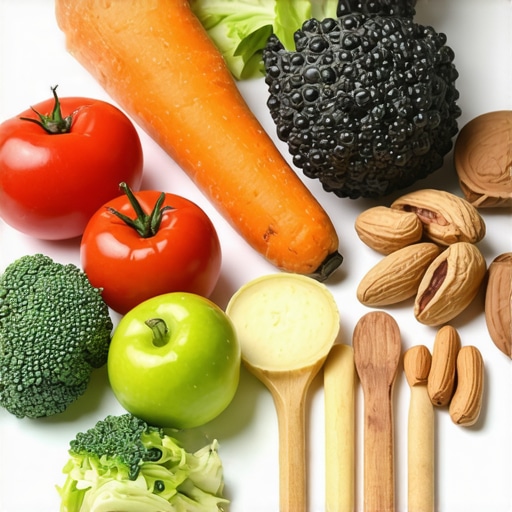
Research shows that a prevailing acidic environment in the mouth fosters bacteria that produce acids, further fueling enamel loss (American Dental Association). The good news? Incorporating more **alkaline-forming foods** like vegetables, nuts, and certain grains can neutralize acids and promote remineralization.
Have you noticed that after a particularly sugary or acidic meal, your teeth feel more sensitive or chalky? That’s a sign from your enamel—it’s telling you to adjust your diet now to prevent problems down the line.
Early in my journey, I made the mistake of ignoring these signals, assuming that regular brushing was enough. It’s a mistake many make, but one that can easily be corrected. By understanding the impact of diet, I’ve been able to make simple yet effective changes—like swapping out soda for herbal teas and adding more leafy greens—that have significantly improved my oral health.
Moving forward, I’ll guide you through easy practical steps to shift your diet toward alkalinity, helping ensure your enamel stays strong and durable as we approach 2026. Let’s take a closer look at specific foods, habits, and strategies that make a real difference.
Start by Cleaning Your Diet
Remove or cut back on acidic foods like soda, processed snacks, and citrus fruits that can erode enamel. Instead, focus on incorporating alkaline-forming foods such as leafy greens, nuts, and seeds daily. For example, swap your orange juice for a smoothie with spinach and almond milk, which I personally did last week. The result? Less sensitivity and a brighter smile.
Incorporate Remineralizing Foods
Add foods rich in calcium and phosphates, like cheese, yogurt, and eggs, to your meals. These nutrients help rebuild mineral loss in enamel. I started snacking on cheese slices between meals, giving my teeth a mineral boost and noticing less chalkiness in the mornings.
Adjust Your Hydration Habits
Drink plenty of water—preferably alkaline water—to help neutralize acids and wash away food particles. I began carrying a water bottle with mineral drops, which enhanced hydration and pH balance during my busy days. Proper hydration supports saliva production, essential for enamel protection.
Limit Acidic Snacks and Beverages
Set specific times for enjoying acidic treats, avoiding constant snacking. When I craved something sweet, I opted for plain nuts instead of sugary candy. This minor change reduced my acid exposure significantly, and my teeth felt smoother after a week.
Use Oral Rinses to Balance pH
I started rinsing with a homemade baking soda solution after meals. Mix a teaspoon of baking soda in a cup of water and swish for 30 seconds. This quick step helps neutralize residual acids. It’s small but effective, especially when I’m on the go.
Combine Diet with Proper Oral Hygiene
Even with dietary adjustments, daily brushing with fluoride toothpaste and flossing are vital. I schedule my brushing to follow meals that might have exposed my enamel to acids, aligning with tips from teeth cleaning tips. Consistency reinforces the benefits of my diet changes and prevents plaque buildup.
Plan Regular Dental Checkups
Frequent visits allow your dentist to monitor enamel health and catch early erosion signs. During my last appointment, my dentist advised me on specific remineralization treatments and recommended reading on how Invisalign can complement enamel protection. Staying proactive is crucial for long-term strength.
Remember, a strategic diet combined with good oral hygiene acts like armor, shielding your enamel from future damage. Making these minor yet consistent adjustments can have a significant impact as you approach 2026 and beyond.
Many assume that Invisalign and other cosmetic dental treatments are straightforward, simple fixes, but the reality is far more nuanced. A common misconception is that choosing the most popular brand or dentist with the flashiest website guarantees optimal results. However, the effectiveness of treatments like Invisalign heavily depends on the dentist’s expertise, understanding of complex tooth movement, and personalized treatment planning. According to recent studies published in the *Journal of Clinical Orthodontics*, a dentist’s experience and diagnostic acumen significantly influence treatment outcomes, especially in complex cases.
Another myth revolves around teeth cleaning; many believe all cleanings are equal. In truth, not all dental cleanings are designed to address the hidden nuances of microbiomes or microbiofilms that can silently cause decay or gum disease. As highlighted in a recent top dentist’s guide, advanced cleaning techniques like biofilm fluorescence detection can identify bacterial colonies invisible to the naked eye, preventing long-term issues.
Are All Cosmetic Dental Procedures Truly Safe and Effective for Everyone?
This is where many fall into a trap by assuming that procedures like veneers or bonding are universally suitable. The truth is, cosmetic dentistry should be tailored to individual health, bite mechanics, and long-term oral function. A one-size-fits-all approach can lead to issues like uneven wear or misaligned bites over time. Experts recommend a comprehensive assessment that considers TMJ health, enamel thickness, and even future aging patterns before proceeding. For deeper insights on customizing your treatment, consider reviewing resources from leading cosmetic dentistry trends.
A pivotal mistake many make is undervaluing the importance of ongoing maintenance and the role of advanced diagnostic tools. For example, studying how high-frequency vibrations or ozone treatments can enhance enamel resilience points to a future where dentistry isn’t just reactive but proactively extends the longevity of your dental health.
In essence, the dental field is infiltrated with myths and oversimplifications. The key is to seek experienced professionals who understand the complexities and nuances rather than just the surface features. This holistic approach ensures that your investment in cosmetic and preventive treatments pays off long-term. Have you ever fallen into this trap? Let me know in the comments.Maintaining your dental health and cosmetic enhancements like Invisalign or teeth whitening requires more than just good habits—it demands the right tools and strategies. Personally, I rely on high-precision equipment and software to ensure my smile stays in top shape long-term. For example, I use a **high-frequency vibration device** such as the *VibrateTech Plus*, which I employ daily after my Invisalign trays. This tool not only speeds up the tray-activation process but also enhances staining removal, making my aligners cleaner and more effective. Additionally, I incorporate **microbiome testing kits** like *OralMicrobiome Analyzer*—a comprehensive saliva test that sheds light on bacterial populations that might be lurking undetected, helping me tailor my oral hygiene routine. Looking ahead, I predict that advances in AI-driven monitoring tools will become standard, providing real-time feedback on my oral health and ensuring issues are caught early, much like the trend seen in modern orthodontics with devices that track tooth movement precisely. How do I maintain my Invisalign and teeth cleaning routines over time? I integrate digital scheduling software like *DentiSync* to set reminders, record progress, and receive personalized insights from my dentist remotely—this proactive approach minimizes setbacks and maximizes results. By combining professional-grade equipment with smart technology, I’m making sure my investment in cosmetic dentistry lasts for years to come. If you’re serious about keeping your smile flawless, I highly recommend trying out a **biofilm dye and ultrasonic cleaner** during your next professional cleaning appointment. It’s a game-changer in identifying plaque buildup and ensuring thorough removal, ultimately protecting your long-term dental health. For more details on advanced tools, explore the latest trends at Cosmetic Dentistry Innovations 2025.
What I Wish I Knew Before Starting Invisalign Treatments
One of the most eye-opening lessons I learned was that gadget technology alone won’t guarantee perfect results. The importance of consistent, diligent wear and understanding how habits like chewing or slacking on aligner changes impact progress became clear only after experiencing delays and setbacks. It taught me that success hinges on personal discipline just as much as on expert guidance.
My Secret Weapon for Lasting Dental Confidence
Investing in a high-quality, AI-powered tracking system transformed my approach to cosmetic dentistry maintenance. I now receive real-time feedback on potential issues, empowering me to act before problems escalate. This proactive mindset not only preserved my smile but also deepened my trust in innovative tools that bridge the gap between treatment and long-term care.
Why Not All Teeth Cleanings Are Created Equal
I discovered that some dental practices prioritize quick visits over thorough microbiofilm removal, which can undermine enamel health over time. Learning about advanced techniques like biofilm fluorescence detection opened my eyes to comprehensive cleaning—essential for maintaining the benefits of treatments like Invisalign and preventing cavities. It’s a crucial reminder that investing in better care pays dividends for your future smile.
Curated Recommendations for Your Smile Evolution
First, check out Why Invisalign is the Future of Clear Braces—a must-read on modern orthodontics that aligns with my personal experience of treatment evolution. I also recommend Cosmetic Dentistry Innovations 2025 for the latest breakthroughs that continue to redefine smile perfection. For tools, I swear by biofilm fluorescence detection to ensure my cleanings are truly comprehensive. Lastly, the book The Secret to a Hollywood Smile offers inspiring insights that motivate me to maintain my routine and stay informed.
Your Path to a Resilient Smile Starts Today
Remember, your dental journey isn’t just about quick fixes but building lifelong habits rooted in knowledge and proactive care. Embracing new tools and staying curious about advancements can make all the difference in achieving and maintaining a smile you love. Are you ready to take charge of your dental health and explore these strategies for a brighter, healthier future?
What specific step are you most excited to try in your oral health routine? Let me know below!

![5 Painless Cavity Fixes for Kids Without Using Drills [2026]](https://smilezdentist.com/wp-content/uploads/2026/03/5-Painless-Cavity-Fixes-for-Kids-Without-Using-Drills-2026-150x150.jpeg)