
I’ll never forget the cold sweat that broke out over my forehead when I bit into a piece of crusty sourdough and heard a faint, high-pitched *tink*. It wasn’t a crunch, and it definitely wasn’t the bread. It was the sound of my stomach dropping because I knew—or at least I feared—that one of my front teeth was no longer quite part of the team. If you’ve ever found yourself compulsively clicking your tongue against the back of your teeth or checking the mirror every five minutes, you know exactly the kind of low-grade panic I’m talking about. Dealing with porcelain veneers is a massive investment in your confidence, so when something feels ‘off,’ it doesn’t just feel like a dental issue; it feels like your whole face is about to fall apart. Today, I’m going to walk you through exactly how to tell if that sensation is all in your head or if it’s time to call your dentist for a real fix.
Stop Tapping and Start Listening to Your Teeth
When I first got my smile makeover, I was obsessed with everything being perfect. I’d read all about the secrets to a Hollywood smile, but nobody warned me about the ‘clink.’ One of the biggest mistakes I made early on was trying to ‘test’ the looseness by wiggling the veneer with my fingernail. Don’t do that. You’re more likely to actually break the bond than to diagnose the problem. The reality is that cosmetic dentistry myths often lead us to believe these shells are invincible, but they are held on by a thin layer of resin that can, on rare occasions, give up the ghost. Have you ever felt that weird, hollow vibration and wondered if you were just imagining things? Tell me I’m not the only one who has spent an hour in front of a bathroom mirror with a flashlight.
Is a Loose Veneer Actually a Dental Emergency?
It’s easy to spiral into thinking your tooth is going to fall out in the middle of a meeting. According to the American Academy of Cosmetic Dentistry, while porcelain veneers are designed to last 10 to 15 years, the integrity of the bond depends heavily on your bite and oral habits. If it is truly loose, it isn’t just an aesthetic problem; it’s a gateway for bacteria to get underneath.
Why Your Veneer Decided to Play Hide and Seek
If you’ve recently noticed that your porcelain veneers feel bulky or suddenly seem to ‘shift’ when you speak, you aren’t crazy. Sometimes, the way we match the exact texture of your natural teeth can make it hard to tell what’s tooth and what’s porcelain, but that ‘clink’ sound when you tap your teeth together is a dead giveaway. It’s a specific, sharp acoustic that differs from the dull thud of a healthy, bonded tooth. We’re going to dive into the physical signs you can check right now without making the situation worse.
Run These Simple Tests Before You Panic
To determine if you’re dealing with a true failure of the bonding agent or just a psychological ‘phantom’ sensation, you need to isolate the tooth. Think of your veneer like a high-end smartphone screen protector. If the adhesive underneath starts to lift, you might see a bubble or feel a slight ‘give’ when you press it. The same logic applies here.
The Dry-Surface Pressure Method
First, grab a clean piece of cotton gauze or a paper towel. Dry the surface of the veneer and the surrounding gum line completely. Saliva is a lubricant that can mask tiny movements. Once dry, use the pad of your index finger—never your fingernail—to apply very light, steady pressure to the center of the veneer. If you feel a microscopic shift or hear a tiny ‘squish’ sound, it’s a sign that saliva has already made its way behind the ceramic. When I went through this, I realized that how regular teeth cleaning can prevent major dental issues isn’t just a marketing slogan; those cleanings ensure the margins of your veneers stay sealed and free of debris that could weaken the bond. 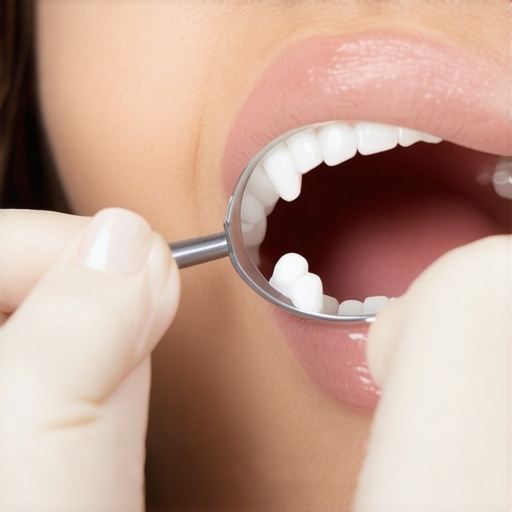
Identify the Source of the Sound
Next, pay attention to the acoustics. A solid, well-bonded veneer should sound exactly like your natural teeth when you click them together—a dull, thudding sound. If you hear a sharp, high-pitched ‘tink,’ that is the sound of porcelain hitting enamel with air or fluid in between. This is often where people start to worry about how to handle a sudden sharp pain when you bite down, even if there isn’t actual pain yet. The ‘tink’ is a mechanical warning. I remember one morning I was eating a slice of soft avocado toast and felt a suction-like ‘pop.’ It wasn’t painful, but it felt like the veneer was briefly stuck to the bread. That sensation of suction is a massive red flag.
Spotting the Invisible Gap
Take a bright flashlight and look at the ‘margin’—the line where the veneer meets your gum. If the veneer has shifted even a fraction of a millimeter, you might see a dark line or a tiny ledge. This is more common if your porcelain veneers feel bulky to begin with, as excess resin can sometimes flake away. If you see a gap, do not attempt to floss aggressively in that area. You want to keep the area clean, but you don’t want to provide the leverage that pops the shell off entirely. If the tooth feels legitimately mobile, you should treat it with the same caution you’d use for how to stop a loose tooth from falling out before your dental visit: avoid chewing on that side and keep your tongue away from it. Staying informed on cosmetic dentistry trends that transform smiles today can help you understand that modern bonding agents are incredibly strong, but they aren’t immune to the physics of a misaligned bite.
Why Your Bite is Quietly Sabotaging Your Veneers
One of the most common misconceptions I see is the ‘diamond-is-forever’ mentality. People assume that once that porcelain is bonded, it’s a structural part of their skull. But here’s the contrarian truth: your bite is a living, breathing mechanical system that changes over time. If you have even a slight misalignment, your jaw muscles can exert up to 200 pounds of pressure per square inch during sleep. This ‘occlusal trauma’ is the silent killer of cosmetic work. You might think the secret to a Hollywood smile is just about the quality of the ceramic, but it’s actually about functional harmony. When your teeth don’t meet perfectly, the veneer becomes a fulcrum, and the bonding agent eventually fatigues. This is why cosmetic dentistry trends that transform smiles beyond expectations now prioritize ‘bite balancing’ as much as the veneers themselves.
Can a Standard Cleaning Actually Save Your $20,000 Investment?
The answer is a resounding yes, but not for the reasons you think. Most patients view a cleaning as an aesthetic ‘refresh’ or a way to stay on top of the coffee lovers secret to preventing deep enamel stains. However, for those with veneers or crowns, the cleaning is a high-stakes inspection of the ‘interface.’ A study in the International Journal of Periodontics & Restorative Dentistry highlights that the failure rate of bonded restorations triples in patients who skip their six-month periodontal maintenance. The ‘oops’ factor here is assuming that because porcelain can’t get a cavity, the tooth underneath is safe. In reality, the margin—the tiny line where the veneer meets your natural tooth—is a magnet for microscopic biofilm. If that biofilm isn’t professionally removed, it can lead to ‘marginal leakage,’ where the bond literally dissolves from the inside out. 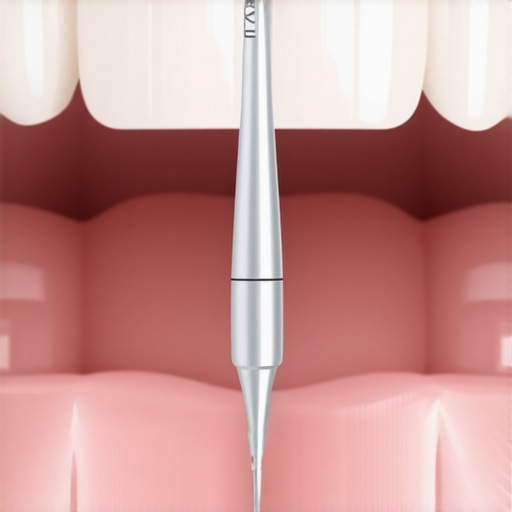
The Invisalign Attachment Trap You Haven’t Heard Of
When people transition into clear aligners, they focus entirely on the trays. But the real nuance lies in the ‘attachments’—those tiny, tooth-colored bumps glued to your enamel. If one of these wears down or chips, your aligner loses its ‘grip,’ and your tooth stops tracking. Many patients ignore a slightly smoothed-down attachment, but that is a major mistake that can add months to your treatment time. It’s why invisalign maintenance expert tips for clear confident smiles always emphasize checking the ‘fit’ of the tray against the attachment every single morning. Have you ever fallen into the trap of thinking your dental work was indestructible just because it wasn’t ‘real’ enamel? Let me know in the comments. We need to stop looking at cosmetic dentistry myths as harmless and start treating our restorations with more care than our natural teeth. If you’re feeling that ‘tink’ sound or noticing a change in your bite, don’t wait for the veneer to fall into your soup. Reach out and contact us to have a professional check the integrity of your bond before a small shift becomes a total failure.When I finally committed to my smile, I realized that the toothbrush I’d used for years was basically a toy compared to what I needed now. For anyone with a mix of porcelain and Invisalign for adults, a standard manual brush just won’t cut it. I switched to a high-frequency sonic toothbrush—specifically one with a pressure sensor. Why? Because over-brushing is a silent enemy that wears down the edges of your veneers. If you’re aggressive, you’re literally scrubbing away the ‘glaze’ that keeps them stain-resistant. I also swear by a water flosser; it’s the only way to effectively clear the tiny gaps where a bridge or veneer might trap food.
How can you maintain your cosmetic results for decades?
The secret isn’t just about what you do at the sink; it’s about the hardware you wear while you sleep. Most people don’t realize that a custom-fitted night guard is the cheapest insurance policy for a $30,000 smile. Since porcelain is stiffer than natural enamel, it doesn’t ‘give’ when you grind your teeth. Instead, it chips. You need a guard that is digitally scanned—not the ‘boil and bite’ ones from the drugstore. Integrating long-term cleaning habits ensures that the bone structure supporting your veneers stays dense and healthy. 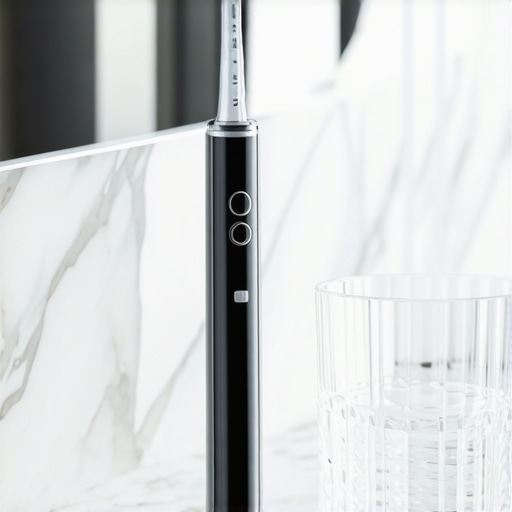
Ultrasonic Cleaners Are Not Just for Jewelry
I’ve also started using a dedicated ultrasonic cleaner for my Invisalign trays. If you’ve ever noticed your trays smelling like plastic or looking cloudy, a 5-minute cycle in an ultrasonic bath with a cleaning tablet is a game changer. It uses high-frequency sound waves to create cavitation bubbles that blast away biofilm that a brush simply can’t reach. A study in the Journal of Esthetic and Restorative Dentistry highlights that improper cleaning of removable appliances can lead to a 40% increase in localized gingival inflammation, which eventually affects the health of your bonded teeth. Looking ahead, I predict we’re moving toward ‘Smart Aligners’ that use embedded sensors to track wear-time and tooth movement in real-time, sending data directly to your doctor’s app. This will take the guesswork out of choosing the best Invisalign options for your specific lifestyle. If you want to step up your game, try my ‘Double-Soak’ method: soak your aligners in a 50/50 mix of lukewarm water and hydrogen peroxide for ten minutes before using the ultrasonic cleaner. It’s the most effective way to keep them invisible. If you’re worried about any cloudiness or fit issues, don’t hesitate to contact us for a professional evaluation.
Realities I Only Discovered After My First Major Veneer Scare
Experience is a brutal teacher, and when it comes to high-end cosmetic work, the lessons stick. One thing I’ve realized is that porcelain doesn’t decay, but the tiny sliver of natural tooth at the gum line is still very much alive and vulnerable. If you ignore your periodontal health, you’re building a mansion on sand. I’ve also learned that the ‘phantom click’ people describe isn’t always a loose bond; sometimes it’s an early warning of the reason your jaw clicks due to stress-related grinding. Here are a few lightbulb moments from my own journey:
- Your night guard isn’t optional; it’s the only thing standing between your investment and a fracture.
- If you feel a ‘squish’ instead of a ‘click,’ that is fluid moving behind the ceramic—call your dentist immediately.
- Don’t assume cosmetic dentistry myths about lifetime durability mean you can skip checkups.
#IMAGE_PLACEHOLDER_E#
The Toolkit That Keeps My Smile Intact
Over the years, I’ve refined exactly what works for maintaining bonded teeth. I personally trust these specific tools because they target the margins where failure usually starts. First, a high-frequency sonic toothbrush with a pressure sensor is non-negotiable to avoid mechanical wear on the adhesive. Second, I recommend a water flosser for cleaning the junction between the veneer and the gum, which is far more effective for those who find teeth cleaning for sensitive teeth difficult with traditional string flossing. Finally, ensure you clean the cloudiness off your night guard daily to prevent bacteria from sitting against your dental work for eight hours a night.
Take Control of Your Cosmetic Journey
It is completely normal to feel protective of your new smile, but don’t let that protection turn into paranoia. By staying proactive and following a solid long-term cleaning routine, you can ensure your porcelain veneers remain the confidence-booster they were meant to be. If something feels off, trust your gut and get it checked. Your peace of mind is worth the office visit. Have you ever felt a sudden ‘pop’ or heard a strange ‘tink’ while eating? Let me know in the comments below!