
It was a morning like any other, and I caught a glimpse of my child’s reflection in the mirror. Her bright smile had started to look a little dull, and I remembered the countless times she drank fruit juice—thinking I was giving her a healthy treat. Suddenly, it hit me: that colorful glass might be doing more harm than good. I had made a mistake early on, ignoring the impact of sugary drinks on her delicate enamel. That lightbulb moment drove me to dig deeper and discover the real facts.
Why Fruit Juice Might Be Harming Your Child’s Teeth More Than You Think
Fruit juice is often marketed as a natural, healthy choice. But in reality, many of these drinks are packed with sugar and acids that can erode tooth enamel—a protective layer that shields our teeth from decay and sensitivity. When enamel wears down, teeth become vulnerable to cavities, discoloration, and even painful sensitivity. My own experience was a wake-up call; I realized that I needed to understand how these seemingly innocent drinks can cause long-term damage.
Did you know that a glass of fruit juice can contain as much sugar as a candy bar? According to research from the American Dental Association, frequent consumption of acidic and sugary beverages significantly increases the risk of enamel erosion. This realization pushed me to rethink what beverages I give my child and how I can protect her smile.
But here’s the tricky part: most parents aren’t aware of the severity. Many think a splash of juice now and then won’t hurt. The truth is, consistent exposure can gradually thin the enamel, making teeth more prone to decay and discoloration.
In the next section, I’ll share the common mistakes I made early on and what you can do to safeguard your child’s oral health. And if you’re wondering whether fruit juice is really worth the health debate, stay with me—there’s surprising science and simple steps that can make a big difference. Want to see how routine dental care can help prevent these issues? Check out [this guide on maintaining your teeth cleaning routine for long-term health](https://smilezdentist.com/maintaining-your-teeth-cleaning-routine-for-long-term-health). Now, let’s explore the one mistake I wish I had avoided from the start.
Limit Sugary and Acidic Drinks Right Away
Start by replacing fruit juice with water or milk during meals. When you do give juice, dilute it with water to reduce sugar concentration. I remember the first time I prepared a diluted juice for my daughter—she looked confused, but after a week, she didn’t miss the sugary version. This simple switch significantly reduced her tooth sensitivity and staining. Make it a habit to serve beverages in child-friendly cups that encourage sipping rather than gulping, which speeds up acid exposure.
Set a Schedule for Drinks to Minimize Damage
Establish specific times for giving juice, ideally during meals, and avoid constant sipping throughout the day. Think of enamel like a protective fence; the less acidic ‘storms’ it faces, the longer it lasts. I started scheduling juice only during breakfast and lunch, and it helped my daughter’s teeth recover some strength. Use timers or reminders to stick to this routine, and communicate it to your child in a fun way to ensure compliance.
Improve Oral Hygiene to Counteract Damage
Regular brushing is crucial, but timing matters. After consuming acidic drinks, wait at least 30 minutes before brushing—immediately brushing can wear down softened enamel. I learned this the hard way when I brushed my child’s teeth right after her juice; her enamel appeared more translucent the next day. To reinforce this habit, set a timer to remind you when to brush post-indulgence. Incorporate fluoride toothpaste, as fluoride helps remineralize enamel and create a protective barrier against future acids, which you can explore in depth at this guide.
Use Protective Products and Techniques
Apply fluoride varnish or sealants as recommended by your dentist to strengthen vulnerable areas. In my case, visiting the dentist for professional treatments completely changed how my daughter’s teeth responded to everyday acids. During one appointment, I watched as the hygienist carefully applied a fluoride coating, which she explained acts like armor coating for teeth. Regular use of remineralizing mouth rinses can also support enamel health; look for products with nano-hydroxyapatite, a compound that mimics natural tooth mineralization. Additionally, chew sugar-free gum containing xylitol after meals to stimulate saliva production, which helps neutralize acid and remineralize enamel.
Adjust Your Child’s Eating Habits for Better Smile Preservation
Include crunchy fruits and vegetables like apples and carrots that naturally clean teeth and stimulate saliva. This approach acts like a mini-scrubber, removing plaque and residues. I started offering these as snacks, and my daughter loved them once she got used to the textures. Also, limit sticky or processed snacks, which promote plaque build-up and acid production. Hydrate with plain water after treats to wash away remaining sugars and acids. As part of our routine, I introduced her to a fun game of ‘Smile Protectors,’ where she earns stickers for choosing healthy snacks and brushing well—keeping her motivated and engaged.
Incorporate Routine Dental Visits and Professional Cleanings
Schedule regular check-ups every six months. Professional cleanings not only remove tartar but also enable your dentist to catch early signs of enamel erosion. I advise booking appointments ahead of time and using online resources to find a pediatric-friendly dentist. During visits, inquire about fluoride treatments or sealants to add extra protection. My daughter’s dentist showed me images of her teeth during a routine exam, clearly illustrating areas at risk for decay due to acid exposure. Recognizing early signs allows prompt action—like applying preventive sealants—preventing costly treatments later on.
Remember, combating enamel erosion from beverages is a multifaceted effort. Consistency is key, and small adjustments can lead to major improvements over time. For more tips on maintaining your child’s oral health, visit this resource. By actively protecting their teeth now, you’re setting them up for a lifetime of confident smiles and healthy teeth.
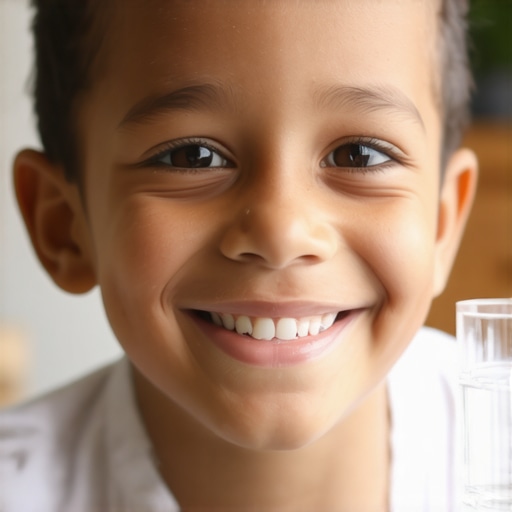 Many people believe that choosing cosmetic dental treatments like whitening or veneers is a quick fix for any smile flaw. However, *not all procedures are suitable for everyone* and understanding the nuances can save you from costly mistakes. For example, some assume that conventional teeth whitening is permanent, but in reality, factors like diet and oral hygiene can quickly diminish results, requiring touch-ups. Moreover, there’s a myth that all dental veneers are made of porcelain; while most are, composite veneers are also popular but less durable, and selecting the wrong type can lead to dissatisfaction.
A common mistake I see is patients rushing into cosmetic procedures without comprehensively evaluating their oral health. For instance, many overlook underlying issues like gum disease or enamel erosion, which should be addressed first. Failing to do so could compromise cosmetic outcomes or even worsen conditions.
In terms of advanced mistakes, some patients attempt DIY whitening or veneer placement, which can cause irreversible damage. Professional supervision ensures proper assessment and execution, reducing risks significantly. Interestingly, recent studies emphasize that personalized treatment plans, considering factors like bite alignment and jaw health, improve long-term satisfaction and functionality—highlighting the importance of a holistic approach.
What advanced considerations should be integrated into cosmetic dentistry planning?
Beyond aesthetics, understanding the impact of treatments like Invisalign on your bite and jaw health is crucial. Invisalign isn’t just about straight teeth; it influences temporomandibular joint (TMJ) health and overall oral function. A flawed plan ignoring these factors could lead to discomfort or even joint issues post-treatment. As noted in a 2023 study published in the Journal of Dental Research, comprehensive upfront diagnostics, including 3D scans and functional assessments, are essential for successful outcomes. For an in-depth look at Invisalign and how to tailor it to your lifestyle, check out this [ultimate guide for adults in 2025](https://smilezdentist.com/the-ultimate-guide-to-invisalign-for-adults-in-2025).
Finally, consistent and proper teeth cleaning during cosmetic treatments is often underestimated. Regular professional cleanings combined with personalized home routines ensure longevity of your results, preventing plaque buildup and staining. To discover effective tips for brighter, healthier teeth, visit [this spring cleaning advice](https://smilezdentist.com/teeth-cleaning-tips-for-a-brighter-smile-this-spring).
Remember, achieving a beautiful smile isn’t just about surface appearances—it’s about maintaining oral health and function. Have you ever fallen into this trap? Let me know in the comments.Maintaining your radiant smile requires not only good habits but also the right tools. Personally, I rely on high-quality electric toothbrushes like the Oral-B Genius X, which employs oscillating-rotating technology proven to remove plaque effectively and enhance gum health. This device syncs with smartphone apps, allowing me to track my brushing habits and ensure no area is neglected. For routine cleaning and stain removal, I swear by the Waterpik Water Flosser—which reaches deep between teeth where traditional floss can’t—making flossing more thorough and enjoyable. Additionally, using fluoride rinse formulas containing nano-hydroxyapatite helps remineralize enamel and protect against future erosion, especially after treatments like whitening or veneers. To keep my Invisalign treatment on track and avoid delays, I utilize the Invisalign Patient Portal to closely monitor tray changes and receive updates directly from my orthodontist. This software transparency ensures I stick to the wear schedule for optimal results. Prediction suggests that the future of dental maintenance lies in smart, AI-enabled devices that provide real-time feedback on oral health status, so investing in these now prepares you for upcoming innovations.
How do I maintain my dental tools and regimen over time?
Regularly replacing brush heads every three months, cleaning devices with non-abrasive solutions, and consulting with your dentist for personalized recommendations are essential. For example, professional cleaning appointments complemented by at-home tools like disclosing tablets can help identify areas that need extra attention. Remember, adopting the right equipment simplifies long-term care, making it easier to sustain that perfect smile. If you’re interested, consider trying a guided routine with the Waterpik Water Flosser for a week and see the difference it makes. For more insights into optimal practices, visit this comprehensive guide.
What I Wish I Knew About Smile Preservation Early On
One of the most eye-opening lessons was realizing that cosmetic treatments like whitening or veneers aren’t foolproof solutions. They require ongoing care, and neglecting that can lead to disappointment or damage. Trusting quick fixes without understanding their limitations set me back initially, but now I know that consistent hygiene and routine visits are key to lasting results.
The second lightbulb moment was discovering the importance of personalized dental plans. What works for one person might not suit another, especially when it comes to Invisalign or other alignment options. My experience taught me to advocate for tailored assessments—something I now strongly recommend to anyone considering cosmetic dentistry.
Lastly, I learned that natural enamel health underpins every cosmetic step. Even if your teeth look perfect, weak enamel makes you vulnerable to future stains and decay. Strengthening it through proper nutrition, fluoride products, and professional care ensures beauty and health go hand in hand.
Tools and Tips That Changed My Approach to Dental Care
- High-Quality Electric Toothbrushes: Devices like the Oral-B Genius X have transformed my cleaning routine, making it easier to remove plaque and prevent staining. I trust them because of their proven efficacy and smart features.
- Remineralizing Pastes and Rinses: Using fluoride and nano-hydroxyapatite-based products has strengthened my enamel over time. These are recommended by top dentists and provide peace of mind for long-term health.
- Professional Treatments and Check-Ups: Regular visits for cleanings and sealants have been vital. I schedule appointments through the dentist’s portal and stay committed to the process, which pays off with fewer issues down the line.
- Educational Resources: Reading authoritative guides like the comprehensive Ultimate Invisalign Guide helps me stay ahead of new innovations and personalized options, empowering me to make informed choices.
Your Path to a Confident Smile Starts Today
Achieving or maintaining a radiant smile isn’t just about aesthetics—it’s about feeling good from within and taking proactive steps daily. Remember, small habits like proper brushing, routine check-ups, and choosing the right tools make a tremendous difference. If you’re ready to embark on this journey, don’t wait for problems to arise; start now and see how each positive choice builds toward the smile you’ve always wanted.
What’s one cosmetic dentistry or teeth cleaning step you’ve been hesitant to try but know could make a difference? Share your thoughts below—I’d love to hear your experience!