
Ever had that startling moment after a dental crown placement where every bite feels like you’re chewing on a marble? I vividly remember the first time it happened to me. I was savoring my favorite apple, only to realize that something was off—my new crown felt uncomfortably high, making every chew a mini trial. That weird, almost painful sensation can shake your confidence and make you question whether the procedure was done right.
The Frustration of a High Crown Bite
It’s frustrating when your smile doesn’t feel quite right right after a dental crown placement. You expect a seamless fit, but instead, you get this weird sensation that your teeth aren’t aligning as they should. I used to assume that this was a temporary feeling that would settle on its own. Turns out, that’s a common misconception, and ignoring it can lead to long-term discomfort or even bite problems.
Does It Really Matter If My Crown Feels Too High?
Here’s the thing—if your crown feels higher than your natural teeth when you bite, it can cause uneven wear, jaw strain, and even headaches. I learned this the hard way early on. I once ignored the issue, thinking it would align itself over time. But that mistake made me realize how critical it is to address these concerns promptly. Believe me, addressing the issue early can save you from bigger dental problems down the line.
If you’ve faced this problem, you’re not alone. Many patients experience this sensation, especially with crowns or other cosmetic dental work. The good news is, there’s usually a straightforward fix. Before diving into DIY adjustments or overly stressing about it, let’s explore why this happens and what you can do to resolve it efficiently—so you can get back to smiling with confidence.
Why Your Crown Might Feel Too High When You Bite
Understanding the cause can be surprisingly simple. Often, it’s due to minor discrepancies during the crown fabrication or placement process. Small variations in the height of the crown compared to your adjacent teeth can throw off your bite. Another common culprit is the seating of the crown; if it wasn’t perfectly aligned during cementation, it might sit too high.
Interestingly, studies show that a significant percentage of patients report bite discrepancies immediately after crown placement, with some reports indicating up to 20% experiencing discomfort (source: American Dental Association). This highlights how common the issue truly is and why it’s crucial to work with an experienced dentist who understands how to fine-tune your bite for maximum comfort.
Early in my journey, I made a mistake I see many others make—trusting the first adjustment or assuming it would settle on its own. That delay only prolonged discomfort. It was only after consulting with a skilled dentist that I learned about minor adjustments that could improve the fit without the need for remaking the crown entirely.
Next, we’ll look into practical steps to fix this problem and ensure your new crown feels just right every time you bite. Stay tuned—you’ll soon be biting comfortably again!
Assess the Situation with Precision
First, verify if your crown feels excessively high compared to neighboring teeth by biting gently on a piece of dental floss or a thin object. I remember one time, during a coffee break, I used a mirror to observe my bite, noticing that my molar was noticeably higher. This quick assessment helps determine if professional adjustment is needed without panic.
Schedule a Professional Adjustment Promptly
Contact your dentist through their contact page and explain the sensation. A timely appointment prevents jaw strain or uneven tooth wear. During the visit, the dentist will evaluate your bite and identify if the crown needs minor reshaping or seating correction.
Prepare for Your Appointment
Before the appointment, avoid eating hard or sticky foods that could further dislodge or damage the crown. Write down specific sensations, like pain or discomfort points, to communicate effectively. This preparation streamlines the process and saves time during your visit.
Implement a Precise Adjustment Technique
Once at the dentist, expect them to use fine diamond burs or polishing tools to gently reshape the crown. I watched my dentist apply slow, controlled movements, much like polishing a gemstone, until the bite felt even. They will routinely check the height by asking you to bite on articulating paper, which marks high spots.
During the process, I learned the importance of patience — forcing the crown down too quickly can cause damage. Instead, small incremental adjustments ensure the crown seats perfectly without compromising its integrity.
Confirm the Correct Fit
After adjustments, the dentist will have you bite down on a colored paper to verify the contact points. Repeat this until the marks are evenly distributed and the crown feels natural. I made sure to test biting on different foods, like an apple slice, to ensure functional comfort.
Follow Post-Adjustment Care
Post-visit, avoid extremely hot or cold foods for a few hours to prevent sensitivity. Maintain meticulous oral hygiene by brushing and flossing gently around the restoration. Regular check-ups, such as regular teeth cleaning, help monitor your bite and overall dental health, preventing future issues.
Remember, a high crown isn’t just a quick fix—it impacts your quality of life and long-term dental health. Addressing it promptly with your dentist ensures optimal comfort and function, just like learning to handle Invisalign complications swiftly or maintaining cosmetic enhancements for the best smile possible.
 Many believe that visiting the dentist is simply about routine cleaning or fixing obvious problems, but in reality, there’s a lot of nuance that often goes unnoticed. A common myth is that teeth cleaning is merely about removing surface stains; however, experts emphasize that professional cleanings also target sub-gingival plaque and tartar buildup that could lead to periodontal disease if neglected. Overlooking these details can cause long-term health issues that aren’t immediately visible. Additionally, some patients assume that cosmetic dentistry offers permanent results with minimal maintenance, but the truth is that dental restorations like veneers or whitening treatments require ongoing care and periodic touch-ups to maintain their aesthetic appeal and function.
One of the pitfalls many fall into is underestimating the importance of the dentist’s diagnostic skills beyond what is visible. Advanced imaging and intraoral cameras allow dentists to detect early signs of decay or gum disease that aren’t obvious to the naked eye. Ignoring these subtle cues can lead to more invasive procedures later, which could have been prevented through early intervention. Furthermore, a prevalent misconception is that Invisalign straightens teeth by simply moving them into position; however, the process involves complex biomechanical principles that, if misunderstood, can result in suboptimal outcomes. Choosing an provider who understands the latest advancements, such as the innovations discussed in [the ultimate guide to Invisalign for adults in 2025](https://smilezdentist.com/the-ultimate-guide-to-invisalign-for-adults-in-2025), is crucial.
It’s also worth mentioning the common mistake of neglecting what happens after treatments. For instance, many people think whitening is a one-time procedure, but factors like diet, habits, and regular professional maintenance influence the longevity of results. Regular follow-up treatments or touch-ups are essential to sustain that bright smile. Another subtlety is in cosmetic bonding: it may look easy and quick but requires precise shade matching and adaptation to natural tooth translucency, which professional cosmetic dentists excel in, as highlighted in [cosmetic dentistry trends that transform smiles today](https://smilezdentist.com/cosmetic-dentistry-trends-that-transform-smiles-today).
Being aware of these misconceptions and nuances enables you to make more informed decisions regarding your dental health and aesthetic goals. For example, some patients wrongly believe that a quick cleaning is sufficient to prevent future problems. However, comprehensive oral health relies on consistent home care complemented by professional assessments — as emphasized in [how regular teeth cleaning can prevent major dental issues](https://smilezdentist.com/how-regular-teeth-cleaning-can-prevent-major-dental-issues).
Finally, don’t fall into the trap of thinking all dental procedures are purely mechanical fixes. Personalized treatment planning, understanding your unique bite, and considering your long-term oral health are critical, especially with procedures like Invisalign. Advanced treatment options, such as lingual braces or accelerated orthodontics, may offer better results depending on individual cases. So, remember: the key to successful dental care isn’t just about fixing what’s broken but understanding the intricacies that lead to lasting health and a confident smile.
Have you ever fallen into this trap? Let me know in the comments!
Keep Your Dental Work Long-Lasting with Proper Maintenance
Ensuring the longevity of your dental restorations and Invisalign trays requires more than just routine brushing. I personally rely on specialized tools that make a tangible difference. For instance, I swear by the Water Flosser — it uses pulsating water to clean between teeth and around brackets, something traditional floss can’t always reach effectively. I use mine daily, especially to maintain those tight spaces around Invisalign attachments, as highlighted in this comprehensive guide.
How do I maintain my dental equipment over time?
Regularly replacing tips on your Water Flosser prevents bacterial buildup, and I suggest sterilizing the tip with alcohol once a week. For my electric toothbrush, I follow manufacturer instructions but also use a UV sanitizing station weekly to eliminate residual germs. Keeping your tools in a dry, covered space minimizes contamination. These simple habits prolong your devices’ life and ensure they operate optimally, which is crucial for maintaining both cosmetic results and oral health long-term.
Personalized Software Has Changed My Routine
Integrating software apps into your dental maintenance can offer insights you might otherwise miss. For example, I use the my dentist’s recommended app to track my brushing and flossing habits. It helps identify neglected areas and adjust my routine accordingly. For Invisalign wearers, there are dedicated tracking apps that monitor wear time, alerting you if you’re falling behind, ensuring predictable results as discussed in this guide.
What future innovations will revolutionize home dental maintenance?
Technological advances like AI-powered toothbrushes that analyze brushing patterns in real-time are on the horizon. Imagine a device that detects plaque buildup or early signs of decay—giving feedback immediately. As this technology matures, it will become a staple in maintaining cosmetic dentistry and long-term oral health. Investing in these smart tools now can keep your smile in top shape, reducing the need for costly procedures later.
I suggest trying out a high-quality, Bluetooth-enabled toothbrush paired with a monitoring app. This combination will make your daily routine more effective and help prevent issues like enamel erosion or gum recession, ensuring your investment in cosmetic treatments and Invisalign pays off over time.
Scaling Your Dental Care for Better Results
If you’re considering long-term cosmetic dentistry, scheduling regular check-ups and maintenance sessions becomes essential. I work closely with my dentist to fine-tune my routine and address emerging concerns before they escalate. Additionally, paying attention to the long-term maintenance tips provided by experts can help you sustain your beautiful smile for years to come.
In the future, I foresee a shift toward fully integrated dental care platforms that combine personal health data, advanced imaging, and AI diagnostics, enabling truly personalized and proactive oral health management. Staying informed and using the right tools today sets the foundation for a healthier, more radiant smile tomorrow.
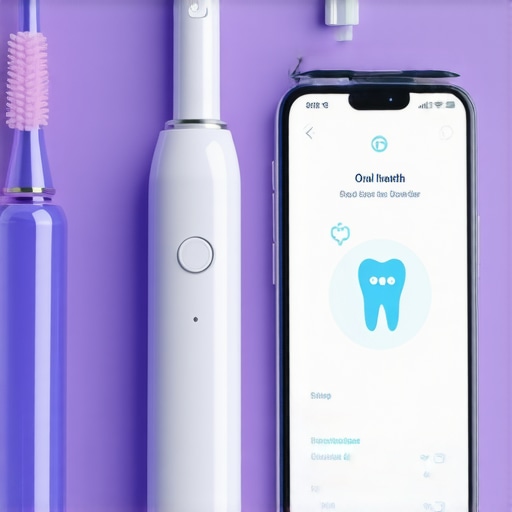
Throughout my journey with dental restorations and Invisalign, a recurring lesson emerged: the real mastery lies in the nuanced, often overlooked details that create seamless comfort. One pivotal insight was understanding that a high crown isn’t just a quick fix but a signal to refine our approach, ensuring long-term harmony between form and function. This realization transformed my perspective—what seemed like minor adjustments became essential in preventing future complications.
What I Wish Someone Told Me About Lasting Dental Confidence
- Precision Is an Ongoing Process: Achieving the perfect bite requires continuous attention. Even after adjustments, subtle shifts can occur, demanding patience and regular check-ins. I learned to view dental work as a living system—always in balance, never static.
- Don’t Rely Solely on Temporary Solutions: Quick fixes might seem tempting but can lead to discomfort or damage down the line. Investing in precise, professional adjustments saves time, money, and unnecessary pain.
- Personalized Care Matters More Than Anything: Every smile is unique. I’ve found that the best outcomes come from treatments tailored specifically to individual anatomy, habits, and lifestyle—not one-size-fits-all procedures.
- Technology Enhances, but Doesn’t Replace Expertise: Modern tools like intraoral cameras or 3D imaging reveal hidden issues, yet the dentist’s skill in interpreting and acting on these insights remains irreplaceable.
- Follow-Up Is Crucial: Regular maintenance and honest communication with your dental provider create a proactive approach, catching little issues before they escalate into big problems.
Tools and Insights That Keep My Smile on Point
- Expert-Backed Educational Resources: Learning the science behind dental health empowers better decisions. I trust reputable articles that decode complex topics into actionable steps, like understanding why regular teeth cleaning prevents major issues.
- Cutting-Edge Cosmetic Treatments: Staying informed about innovations keeps my smile fresh and resilient. The latest trends, such as minimally invasive veneers or laser gum contouring, provide options that respect natural tissue and aesthetics.
- Invisalign Strategies: Clear aligners have become game-changers. Knowing the latest advice, like proper wear routines and troubleshooting common issues, ensures I maximize results with comfort.
- Long-Term Oral Hygiene: Daily habits complemented by smart tools like water flossers and tracking apps greatly extend the lifespan of my dental work. These routines aren’t just about cleanliness—they’re about protective maintenance.
Step Into Your Bright Future Today
Remember, perfecting your dental comfort isn’t reserved for the professionals—it’s a journey you embark on with knowledge, patience, and proactive care. By paying attention to the finer details and investing in reputable resources, you turn an ordinary smile into a lifelong asset. Embrace this awareness, and you’ll find yourself confidently facing every mirror and photograph alike.
What small adjustment have you been hesitant to try that might improve your dental experience? Share your story below—I’d love to hear!
}#END#}#}#}#}#}#}#}#}#}#}#}#}#}#}#}#}#}#}#}#}#}#}#}#}#}#}#}#}#}#}#}#}#}#}#}#}#}#}#}#}#}#}#}#}#}#}#}#}#}#}#}#}#}#}#}#}#}#}#}#}#}#}#}#}#}#}#}#}#}#}#}#}#}#}#}#}#}#}#}#}#}#}#}#}#}#}#}#}#}#}#}#}#}#}#}#}#}#}#}#}#}#}#}#}#}#}#}#}#}#}#}#}#}#}#}#}#}#}#}#}#}#}#}#}#}#}#}#}#}#}#}#}#}#}#}#}#}#}#}#}#}#}#}#}#}#}#}#}#}#}#}#}#}#}#}#}#}#}#}#}#}#}#}#}#}#}#}#}#}#}#}#}#}#}#}#}#}#}#}#}#}#}#}#}#}#}#}#}#}#}#}#}#}#}#}#}#}#}#}#}#}#}#}#}#}#}#}#}#}#}#}#}#}#}#}#}#}#}#}#}#}#}#}#}#}#}#}#}#}#}#}#}#}#}#}#}#}#}#}#}#}#}#}#}#}#}#}#}#}#}#}#}#}#}#}#}#}#}#}#}#}#}#}#}#}#}#}#}#}#}#}#}#}#}#}#}#}#}#}#}#}#}#}#}#}#}#}#}#}#}#}#}#}#}#}#}#}#}#}#}#}#}#}#}#}#}#}#}#}#}#}#}#}#}#}#}#}#}#}#}#}#}#}#}#}#}#}#}#}#}#}#}#}#}#}#}#}#}#}#}#}#}#}#}#}#}#}#}#}#}#}#}#}#}#}#}#}#}#}#}#}#}#}#}#}#}#}#}#}#}#}#}#}#}#}#}#}#}#}#}#}#}#}#}#}#}#}#}#}#}#}#}#}#}#}#}#}#}#}#}#}#}#}#}#}#}#}#}#}#}#}#}#}#}#}#}#}#}#}#}#}#}#}#}#}#}#}#}#}#}#}#}#}#}#}#}#}#}#}#}#}#}#}#}#}#}#}#}#}#}#}#}#}#}#}#}#}#}#}#}#}#}#}#}#}#}#}#}#}#}#}#}#}#}#}#}#}#}#}#}#}#}#}#}#}#}#}#}#}#}#}#}#}#}#}#}#}#}#}#}#}#}#}#}#}#}#}#}#}#}#}#}#}#}#}#}#}#}#}#}#}#}#}#}#}#}#}#}#}#}#}#}#}#}#}#}#}#}#}#}#}#}#}#}#}#}#}#}#}#}#}#}#}#}#}#}#}#}#}#}#}#}#}#}#}#}#}#}#}#}#}#}#}#}#}#}#}#}#}#}#}#}#}#}#}#}#}#}#}#}#}#}#}#}#}#}#}#}#}#}#}#}#}#}#}#}#}#}#}#}#}#}#}#}#}#}#}#}#}#}#}#}#}#}#}#}#}#}#}#}#}#}#}#}#}#}#}#}#}#}#}#}#}#}#}#}#}#}#}#}#}#}#}#}#}#}#}#}#}#}#}#}#}#}#}#}#}#}#}#}#}#}#}#}#}#}#}#}#}#}#}#}#}#}#}#}#}#}#}#}#}#}#}#}#}#}#}#}#}#}#}#}#}#}#}#}#}#}#}#}#}#}#}#}#}#}#}#}#}#}#}#}#}#}#}#}#}#}#}#}#}#}#}#}#}#}#}#}#}#}#}#}#}#}#}#}#}#}#}#}#}#}#}#}#}#}#}#}#}#}#}#}#}#}#}#}#}#}#}#}#}#}#}#}#}#}#}#}#}#}#}#}#}#}#}#}#}#}#}#}#}#}#}#}#}#}#}#}#}#}#}#}#}#}#}#}#}#}#}#}#}#}#}#}#}#}#}#}#}#}#}#}#}#}#}#}#}#}#}#}#}#}#}#}#}#}#}#}#}#}#}#}#}#}#}#}#}#}#}#}#}#}#}#}#}#}#}#}#}#}#}#}#}#}#}#}#}#}#}#}#}#}#}#}#}#}#}#}#}#}#}#}#}#}#}#}#}#}#}#}#}#}#}#}#}#}#}#}#}#}#}#}#}#}#}#}#}#}#}#}#}#}#}#}#}#}#}#}#}#}#}#}#}#}#}#}#}#}#}#}#}#}#}#}#}#}#}#}#}#}#}#}#}#}#}#}#}#}#}#}#}#}#}#}#}#}#}#}#}#}#}#}#}#}#}#}#}#}#}#}#}#}#}#}#}#}#}#}#}#}#}#}#}#}#}#}#}#}#}#}#}#}#}#}#}#}#}#}#}#}#}#}#}#}#}#}#}#}#}#}#}#}#}#}#}#}#}#}#}#}#}#}#}#}#}#}#}#}#}#}#}#}#}#}#}#}#}#}#}#}#}#}#}#}#}#}#}#}#}#}#}#}#}#}#}#}#}#}#}#}#}#}#}#}#}#}#}#}#}#}#}#}#}#}#}#}#}#}#}#}#}#}#}#}#}#}#}#}#}#}#}#}#}#}#}#}#}#}#}#}#}#}#}#}#}#}#}#}#}#}#}#}#}#}#}#}#}#}#}#}#}#}#}#}#}#}#}#}#}#}#}#}#}#}#}#}#}#}#}#}#}#}#}#}#}#}#}#}#}#}#}#}#}#}#}#}#}#}#}#}#}#}#}#}#}#}#}#}#}#}#}#}#}#}#}#}#}#}#}#}#}#}#}#}#}#}#}#}#}#}#}#}#}#}#}#}#}#}#}#}#}#}#}#}#}#}#}#}#}#}#}#}#}#}#}#}#}#}#}#}#}#}#}#}#}#}#}#}#}#}#}#}#}#}#}#}#}#}#}#}#}#}#}#}#}#}#}#}#}#}#}#}#}#}#}#}#}#}#}#}#}#}#}#}#}#}#}#}#}#}#}#}#}#}#}#}#}#}#}#}#}#}#}#}#}#}#}#}#}#}#}#}#}#}#}#}#}#}#}#}#}#}#}#}#}#}#}#}#}#}#}#}#}#}#}#}#}#}#}#}#}#}#}#}#}#}#}#}#}#}#}#}#}#}#}#}#}#}#}#}#}#}#}#}#}#}#}#}#}#}#}#}#}#}#}#}#}#}#}#}#}#}#}#}#}#}#}#}#}#}#}#}#}#}#}#}#}#}#}#}#}#}#}#}#}#}#}#}#}#}#}#}#}#}#}#}#}#}#}#}#}#}#}#}#}#}#}#}#}#}#}#}#}#}#}#}#}#}#}#}#}#}#}#}#}#}#}#}#}#}#}#}#}#}#}#}#}#}#}#}#}#}#}#}#}#}#}#}#}#}#}#}#}#}#}#}#}#}#}#}#}#}#}#}#}#}#}#}#}#}#}#}#}#}#}#}#}#}#}#}#}#}#}#}#}#}#}#}#}#}#}#}#}#}#}#}#}#}#}#}#}#}#}#}#}#}#}#}#}#}#}#}#}#}#}#}#}#}#}#}#}#}#}#}#}#}#}#}#}#}#}#}#}#}#}#}#}#}#}#}#}#}#}#}#}#}#}#}#}#}#}#}#}#}#}#}#}#}#}#}#}#}#}#}#}#}#}#}#}#}#}#}#}#}#}#}#}#}#}#}#}#}#}#}#}#}#}#}#}#}#}#}#}#}#}#}#}#}#}#}#}#}#}#}#}#}#}#}#}#}#}#}#}#}#}#}#}#}#}#}#}#}#}#}#}#}#}#}#}#}#}#}#}#}#}#}#}#}#}#}#}#}#}#}#}#}#}#}#}#}#}#}#}#}#}#}#}#}#}#}#}#}#}#}#}#}#}#}#}#}#}#}#}#}#}#}#}#}#}#}#}#}#}#}#}#}#}#}#}#}#}#}#}#}#}#}#}#}#}#}#}#}#}#}#}#}#}#}#}#}#}#}#}#}#}#}#}#}#}#}#}#}#}#}#}#}#}#}#}#}#}#}#}#}#}#}#}#}#}#}#}#}#}#}#}#}#}#}#}#}#}#}#}#}#}#}#}#}#}#}#}#}#}#}#}#}#}#}#}#}#}#}#}#}#}#}#}#}#}#}#}#}#}#}#}#}#}#}#}#}#}#}#}#}#}#}#}#}#}#}#}#}#}#}#}#}#}#}#}#}#}#}#}#}#}#}#}#}#}#}#}#}#}#}#}#}#}#}#}#}#}#}#}#}#}#}#}#}#}#}#}#}#}#}#}#}#}#}#}#}#}#}#}#}#}#}#}#}#}#}#}#}#}#}#}#}#}#}#}#}#}#}#}#}#}#}#}#}#}#}#}#}#}#}#}#}#}#}#}#}#}#}#}#}#}#}#}#}#}#}#}#}#}#}#}#}#}#}#}#}#}#}#}#}#}#}#}#}#}#}#}#}#}#}#}#}#}#}#}#}#}#}#}#}#}#}#}#}#}#}#}#}#}#}#}#}#}#}#}#}#}#}#}#}#}#}#}#}#}#}#}#}#}#}#}#}#}#}#}#}#}#}#}#}#}#}#}#}#}#}#}#}#}#}#}#}#}#}#}#}#}#}#}#}#}#}#}#}#}#}#}#}#}#}#}#}#}#}#}#}#}#}#}#}#}#}#}#}#}#}#}#}#}#}#}#}#}#}#}#}#}#}#}#}#}#}#}#}#}#}#}#}#}#}#}#}#}#}#}#}#}#}#}#}#}#}#}#}#}#}#}#}#}#}#}#}#}#}#}#}#}#}#}#}#}#}#}#}#}#}#}#}#}#}#}#}#}#}#}#}#}#}#}#}#}#}#}#}#}#}#}#}#}#}#}#}#}#}#}#}#}#}#}#}#}#}#}#}#}#}#}#}#}#}#}#}#}#}#}#}#}#}#}#}#}#}#}#}#}#}#}#}#}#}#}#}#}#}#}#}#}#}#}#}#}#}#}#}#}#}#}#}#}#}#}#}#}#}#}#}#}#}#}#}#}#}#}#}#}#}#}#}#}#}#}#}#}#}#}#}#}#}#}#}#}#}#}#}#}#}#}#}#}#}#}#}#}#}#}#}#}#}#}#}#}#}#}#}#}#}#}#}#}#}#}#}#}#}#}#}#}#}#}#}#}#}#}#}#}#}#}#}#}#}#}#}#}#}#}#}#}#}#}#}#}#}#}#}#}#}#}#}#}#}#}#}#}#}#}#}#}#}#}#}#}#}#}#}#}#}#}#}#}#}#}#}#}#}#}#}#}#}#}#}#}#}#}#}#}#}#}#}#}#}#}#}#}#}#}#}#}#}#}#}#}#}#}#}#}#}#}#}#}#}#}#}#}#}#}#}#}#}#}#}#}#}#}#}#}#}#}#}#}#}#}#}#}#}#}#}#}#}#}#}#}#}#}#}#}#}#}#}#}#}#}#}#}#}#}#}#}#}#}#}#}#}#}#}#}#}#}#}#}#}#}#}#}#}#}#}#}#}#}#}#}#}#}#}#}#}#}#}#}#}#}#}#}#}#}#}#}#}#}#}#}#}#}#}#}#}#}#}#}#}#}#}#}#}#}#}#}#}#}#}#}#}#}#}#}#}#}#}#}#}#}#}#}#}#}#}#}#}#}#}#}#}#}#}#}#}#}#}#}#}#}#}#}#}#}#}#}#}#}#}#}#}#}#}#}#}#}#}#}#}#}#}#}#}#}#}#}#}#}#}#}#}#}#}#}#}#}#}#}#}#}#}#}#}#}#}#}#}#}#}#}#}#}#}#}#}#}#}#}#}#}#}#}#}#}#}#}#}#}#}#}#}#}#}#}#}#}#}#}#}#}#}#}#}#}#}#}#}#}#}#}#}#}#}#}#}#}#}#}#}#}#}#}#}#}#}#}#}#}#}#}#}#}#}#}#}#}#}#}#}#}#}#}#}#}#}#}#}#}#}#}#}#}#}#}#}#}#}#}#}#}#}#}#}#}#}#}#}#}#}#}#}#}#}#}#}#}#}#}#}#}#}#}#}#}#}#}#}#}#}#}#}#}#}#}#}#}#}#}#}#}#}#}#}#}#}#}#}#}#}#}#}#}#}#}#}#}#}#}#}#}#}#}#}#}#}#}#}#}#}#}#}#}#}#}#}#}#}#}#}#}#}#}#}#}#}#}#}#}#}#}#}#}#}#}#}#}#}#}#}#}#}#}#}#}#}#}#}#}#}#}#}#}#}#}#}#}#}#}#}#}#}#}#}#}#}#}#}#}#}#}#}#}#}#}#}#}#}#}#}#}#}#}#}#}#}#}#}#}#}#}#}#}#}#}#}#}#}#}#}#}#}#}#}#}#}#}#}#}#}#}#}#}#}#}#}#}#}#}#}#}#}#}#}#}#}#}#}#}#}#}#}#}#}#}#}#}#}#}#}#}#}#}#}#}#}#}#}#}#}#}#}#}#}#}#}#}#}#}#}#}#}#}#}#}#}#}#}#}#}#}#}#}#}#}#}#}#}#}#}#}#}#}#}#}#}#}#}#}#}#}#}#}#}#}#}#}#}#}#}#}#}#}#}#}#}#}#}#}#}#}#}#}#}#}#}#}#}#}#}#}#}#}#}#}#}#}#}#}#}#}#}#}#}#}#}#}#}#}#}#}#}#}#}#}#}#}#}#}#}#}#}#}#}#}#}#}#}#}#}#}#}#}#}#}#}#}#}#}#}#}#}#}#}#}#}#}#}#}#}#}#}#}#}#}#}#}#}#}#}#}#}#}#}#}#}#}#}#}#}#}#}#}#}#}#}#}#}#}#}#}#}#}#}#}#}#}#}#}#}#}#}#}#}#}#}#}#}#}#}#}#}#}#}#}#}#}#}#}#}#}#}#}#}#}#}#}#}#}#}#}#}#}#}#}#}#}#}#}#}#}#}#}#}#}#}#}#}#}#}#}#}#}#}#}#}#}#}#}#}#}#}#}#}#}#}#}#}#}#}#}#}#}#}#}#}#}#}#}#}#}#}#}#}#}#}#}#}#}#}#}#}#}#}#}#}#}#}#}#}#}#}#}#}#}#}#}#}#}#}#}#}#}#}#}#}#}#}#}#}#}#}#}#}#}#}#}#}#}#}#}#}#}#}#}#}#}#}#}#}#}#}#}#}#}#}#}#}#}#}#}#}#}#}#}#}#}#}#}#}#}#}#}#}#}#}#}#}#}#}#}#}#}#}#}#}#}#}#}#}#}#}#}#}#}#}#}#}#}#}#}#}#}#}#}#}#}#}#}#}#}#}#}#}#}#}#}#}#}#}#}#}#}#}#}#}#}#}#}#}#}#}#}#}#}#}#}#}#}#}#}#}#}#}#}#}#}#}#}#}#}#}#}#}#}#}#}#}#}#}#}#}#}#}#}#}#}#}#}#}#}#}#}#}#}#}#}#}#}#}#}#}#}#}#}#}#}#}#}#}#}#}#}#}#}#}#}#}#}#}#}#}#}#}#}#}#}#}#}#}#}#}#}#}#}#}#}#}#}#}#}#}#}#}#}#}#}#}#}#}#}#}#}#}#}#}#}#}#}#}#}#}#}#}#}#}#}#}#}#}#}#}#}#}#}#}#}#}#}#}#}#}#}#}#}#}#}#}#}#}#}#}#}#}#}#}#}#}#}#}#}#}#}#}#}#}#}#}#}#}#}#}#}#}#}#}#}#}#}#}#}#}#}#}#}#}#}#}#}#}#}#}#}#}#}#}#}#}#}#}#}#}#}#}#}#}#}#}#}#}#}#}#}#}#}#}#}#}#}#}#}#}#}#}#}#}#}#}#}#}#}#}#}#}#}#}#}#}#}#}#}#}#}#}#}#}#}#}#}#}#}#}#}#}#}#}#}#}#}#}#}#}#}#}#}#}#}#}#}#}#}#}#}#}#}#}#}#}#}#}#}#}#}#}#}#}#}#}#}#}#}#}#}#}#}#}#}#}#}#}#}#}#}#}#}#}#}#}#}#}#}#}#}#}#}#}#}#}#}#}#}#}#}#}#}#}#}#}#}#}#}#}#}#}#}#}#}#}#}#}#}#}#}#}#}#}#}#}#}#}#}#}#}#}#}#}#}#}#}#}#}#}#}#}#}#}#}#}#}#}#}#}#}#}#}#}#}#}#}#}#}#}#}#}#}#}#}#}#}#}#}#}#}#}#}#}#}#}#}#}#}#}#}#}#}#}#}#}#}#}#}#}#}#}#}#}#}#}#}#}#}#}#}#}#}#}#}#}#}#}#}#}#}#}#}#}#}#}#}#}#}#}#}#}#}#}#}#}#}#}#}#}#}#}#}#}#}#}#}#}#}#}#}#}#}#}#}#}#}#}#}#}#}#}#}#}#}#}#}#}#}#}#}#}#}#}#}#}#}#}#}#}#}#}#}#}#}#}#}#}#}#}#}#}#}#}#}#}#}#}#}#}#}#}#}#}#}#}#}#}#}#}#}#}#}#}#}#}#}#}#}#}#}#}#}#}#}#}#}#}#}#}#}#}#}#}#}#}#}#}#}#}#}#}#}#}#}#}#}#}#}#}#}#}#}#}#}#}#}#}#}#}#}#}#}#}#}#}#}#}#}#}#}#}#}#}#}#}#}#}#}#}#}#}#}#}#}#}#}#}#}#}#}#}#}#}#}#}#}#}#}#}#}#}#}#}#}#}#}#}#}#}#}#}#}#}#}#}#}#}#}#}#}#}#}#}#}#}#}#}#}#}#}#}#}#}#}#}#}#}#}#}#}#}#}#}#}#}#}#}#}#}#}#}#}#}#}#}#}#}#}#}#}#}#}#}#}#}#}#}#}#}#}#}#}#}#}#}#}#}#}#}#}#}#}#}#}#}#}#}#}#}#}#}#}#}#}#}#}#}#}#}#}#}#}#}#}#}#}#}#}#}#}#}#}#}#}#}#}#}#}#}#}#}#}#}#}#}#}#}#}#}#}#}#}#}#}#}#}#}#}#}#}#}#}#}#}#}#}#}#}#}#}#}#}#}#}#}#}#}#}#}#}#}#}#}#}#}#}#}#}#}#}#}#}#}#}#}#}#}#}#}#}#}#}#}#}#}#}#}#}#}#}#}#}#}#}#}#}#}#}#}#}#}#}#}#}#}#}#}#}#}#}#}#}#}#}#}#}#}#}#}#}#}#}#}#}#}#}#}#}#}#}#}#}#}#}#}#}#}#}#}#}#}#}#}#}#}#}#}#}#}#}#}#}#}#}#}#}#}#}#}#}#}#}#}#}#}#}#}#}#}#}#}#}#}#}#}#}#}#}#}#}#}#}#}#}#}#}#}#}#}#}#}#}#}#}#}#}#}#}#}#}#}#}#}#}#}#}#}#}#}#}#}#}#}#}#}#}#}#}#}#}#}#}#}#}#}#}#}#}#}#}#}#}#}#}#}#}#}#}#}#}#}#}#}#}#}#}#}#}#}#}#}#}#}#}#}#}#}#}#}#}#}#}#}#}#}#}#}#}#}#}#}#}#}#}#}#}#}#}#}#}#}#}#}#}#}#}#}#}#}#}#}#}#}#}#}#}#}#}#}#}#}#}#}#}#}#}#}#}#}#}#}#}#}#}#}#}#}#}#}#}#}#}#}#}#}#}#}#}#}#}#}#}#}#}#}#}#}#}#}#}#}#}#}#}#}#}#}#}#}#}#}#}#}#}#}#}#}#}#}#}#}#}#}#}#}#}#}#}#}#}#}#}#}#}#}#}#}#}#}#}#}#}#}#}#}#}#}#}#}#}#}#}#}#}#}#}#}#}#}#}#}#}#}#}#}#}#}#}#}#}#}#}#}#}#}#}#}#}#}#}#}#}#}#}#}#}#}#}#}#}#}#}#}#}#}#}#}#}#}#}#}#}#}#}#}#}#}#}#}#}#}#}#}#}#}#}#}#}#}#}#}#}#}#}#}#}#}#}#}#}#}#}#}#}#}#}#}#}#}#}#}#}#}#}#}#}#}#}#}#}#}#}#}#}#}#}#}#}#}#}#}#}#}#}#}#}#}#}#}#}#}#}#}#}#}#}#}#}#}#}#}#}#}#}#}#}#}#}#}#}#}#}#}#}#}#}#}#}#}#}#}#}#}#}#}#}#}#}#}#}#}#}#}#}#}#}#}#}#}#}#}#}#}#}#}#}#}#}#}#}#}#}#}#}#}#}#}#}#}#}#}#}#}#}#}#}#}#}#}#}}