
I will never forget the moment I realized something was off. I was mid-conversation with a potential client, feeling confident after my recent professional cleaning, when I noticed them subtly lean back. Not a big move, just a slight recoil. Later that night, I did the hand-cupped-over-mouth test and caught it: a distinct, pungent aroma of naphthalene. Yes, mothballs. It was jarring because I am someone who takes regular teeth cleaning very seriously. I felt like I was failing a basic health test I did not even know I was taking. [image_placeholder]
Your Breath is Sending a Chemical SOS
When I first noticed that heavy, chemical scent, my gut reaction was to panic. I went into total overdrive, which was my first big mistake. I thought I could just scrub the smell away. I spent a week brushing five times a day, using harsh mouthwashes that practically stripped the skin from the inside of my cheeks, and obsessing over teeth cleaning myths I found online. Nothing worked because I was treating a symptom without understanding the source. The truth is, that mothball smell usually comes from a compound called skatole, which is produced when bacteria in your mouth or gut break down proteins. It is not just about a skipped flossing session; it is about how your body is processing its fuel. Today, I want to walk you through exactly what causes this specific, weird odor and help you figure out if it is just a temporary glitch or something that needs a professional look. We are going to solve the mystery of why you smell like a vintage cedar chest and how to get your fresh breath back for good. Have you ever noticed a weird, chemical smell that just would not go away no matter how much you brushed?
Is this actually worth a trip to the doctor?
It is easy to feel skeptical or even a bit embarrassed about this. You might think it is just a weird side effect of a new diet or a temporary sinus issue. However, research suggests that certain persistent odors can be linked to more than just oral hygiene. According to the American Dental Association, persistent bad breath or a specific chemical taste can sometimes indicate underlying issues like chronic sinus infections or even metabolic changes. This is not about scaring you; it is about listening to the signals your body is already sending. While I once thought why your breath smells like sulfur was the only thing to worry about, the mothball scent is its own unique beast. Before you buy every bottle of peppermint spray on the shelf, let’s look at the actual triggers that create this specific chemical footprint in your mouth.
Scrub the Biofilm Off the Back of Your Tongue
The first thing I had to learn was that my toothbrush alone wasn’t enough. Think of your tongue like a high-pile carpet; if you spill milk on it, a quick vacuum isn’t going to get the smell out of the fibers. You need to get deep into the pile. I started using a dedicated tongue scraper to reach the very back, where those protein-munching bacteria love to throw parties. One morning, I was so desperate I actually used the edge of a clean metal spoon because I had lost my scraper while traveling. It wasn’t pretty—I gagged more than once—but the amount of yellowish gunk I removed was a wake-up call. That gunk is exactly where the mothball odor originates. If you aren’t clearing that layer daily, no amount of mints will help. 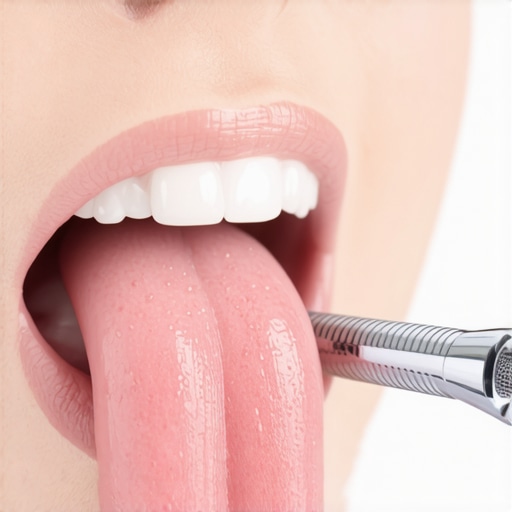
Stop the Thick Saliva Before It Stinks
When your mouth gets dry, it becomes an anaerobic playground. Without enough oxygen-rich saliva, bacteria thrive and produce that pungent skatole. It is like a stagnant pond versus a running stream; the stream stays clear, while the pond starts to rot. I realized my habit of drinking four cups of coffee and zero water was literally dehydrating my breath. You might notice that your saliva feels thick, which is a massive red flag. This viscous spit cannot wash away food particles, allowing them to decay and emit that chemical scent. Increasing my water intake was not just about thirst; it was about keeping the river in my mouth flowing to flush out the debris.
Clear the Hidden Pockets Between Your Teeth
If the smell persists, the bacteria are likely hiding in basements you cannot see. During my deep dive into oral health, I found that teeth cleaning secrets often involve more than just the surfaces. I noticed the hidden reason my floss keeps shredding was a tiny, sharp edge of an old filling that was trapping meat fibers. Those trapped fibers were essentially rotting in place, contributing to the chemical odor. You have to be meticulous. If your floss catches or smells like a dumpster when it comes out from between two specific teeth, you have found a primary source of the problem.
Let a Professional Flush the System
Sometimes, home care hits a wall. This is where modern teeth cleaning innovations come into play. I finally booked a session, and the hygienist used an ultrasonic scaler to vibrate away tartar I did not even know was there. After the treatment, I experienced the specific reason your teeth feel sharp after a professional cleaning—the removal of all that bridge material between the teeth allows your tongue to feel the actual anatomy of your smile again. This reset is vital because it removes the calcified homes where the mothball-producing bacteria live. If you have tried everything at home and still catch that whiff of naphthalene, it is time to let someone with a high-powered light and specialized tools take a look.
While that sharp, clean sensation after a professional visit feels like a permanent victory, I quickly learned that it is actually the beginning of a high-stakes chemical race. Many of us fall into the trap of thinking a dentist simply “vacuums” the mouth. In reality, we are dealing with a complex ecosystem. One of the biggest mistakes I made was assuming that once the tartar was gone, my breath would stay perfect indefinitely. However, the reason your teeth feel furry only hours after a professional cleaning is due to the immediate formation of the pellicle—a thin protein film that acts as a landing strip for bacteria. If your mouth chemistry is slightly acidic, the ‘mothball’ bacteria return faster than you can say ‘naphthalene.’
Stop Treating Your Dental Visit Like a Car Wash
The contrarian truth that most people miss is that your oral health isn’t about being “sterile”; it is about balance. Everyone says you need to kill 99.9% of bacteria, but in my experience, nuking your mouth with high-alcohol rinses is exactly what causes the mothball smell to linger. A study published in the Journal of Oral Microbiology suggests that oral dysbiosis—an imbalance where ‘bad’ bacteria outcompete the ‘good’—is often worsened by over-sanitization. When you strip away the protective microbiome, the protein-breaking bacteria (the ones making that skatole smell) are often the first to recolonize. This is why I stopped reaching for the harshest chemicals and started focusing on pH balance. If you are constantly chasing a “bleached” feeling, you are likely creating a desert where only the toughest, stinkiest bacteria can survive.
Why do your coffee stains return a week after a professional cleaning?
It is incredibly frustrating to spend money on a brightening treatment only to see yellowing creep back in days later. I discovered that the real reason your coffee stains return a week after a professional cleaning is often related to how porous your enamel becomes immediately after the grit is removed. If you don’t allow the enamel to re-mineralize before hitting the Starbucks, you are essentially dyeing your teeth from the inside out. This is a nuance many top cosmetic pros emphasize: the 48 hours post-cleaning are the most critical for your long-term aesthetic results. It is not just about the cleaning itself; it is about the “hardening” phase that follows.
The Destructive Path of Squeaky Clean Myths
Here is the “oops” factor that almost ruined my enamel: the obsession with physical abrasion. When the mothball smell didn’t vanish, I started using charcoal pastes and baking soda, thinking I could scrub the odor away. This is a massive trap. I learned that the grit test for charcoal toothpaste often reveals levels of abrasion that act like sandpaper on your teeth. You might temporarily remove a surface smell, but you are thinning the enamel, which eventually exposes the yellowish dentin underneath and makes your teeth even more prone to trapping odors. You cannot solve a chemical bacterial problem with mechanical force alone. Instead, I had to look at teeth cleaning myths and realize that gentle, consistent biofilm management is superior to aggressive, occasional scrubbing. Have you ever fallen into this trap of over-cleaning out of desperation? Let me know in the comments, because I spent months doing more harm than good before I finally listened to the science.
Once I stopped trying to sand my teeth down with abrasive pastes, I realized I needed better tools, not more force. My first game-changer was a high-quality water flosser. If you struggle with the technical side of string flossing, you’ve probably wondered how to stop your gums from bleeding when you use a water flosser. The trick is starting on the lowest setting and focusing on the gumline, not the tooth. It flushes out the protein-munching bacteria from pockets that a traditional brush simply cannot reach. I personally use a pulsed-flow model because it creates a mini-vibration that helps break up the biofilm that leads to that pungent mothball scent.
Upgrade Your Arsenal Beyond the Standard Brush
If you are using clear aligners, the maintenance stakes are even higher. I found that Invisalign maintenance requires more than just a quick rinse. I invested in a small ultrasonic cleaner—the kind used for jewelry but designed for dental appliances. This is the only way to get the sulfur compounds out of the microscopic pores of the plastic. This step was crucial to get the morning breath smell out of your Invisalign case for good. When your trays are clean, your breath stays neutral, and the chemical odors don’t have a place to colonize. I also recommend a sonic toothbrush with a pressure sensor; it ensures you aren’t damaging your enamel while trying to be thorough.
How do I maintain these results over the long haul?
Success isn’t about a single deep clean; it is about maintaining your teeth cleaning routine for long-term health through consistency. I follow the ‘Keyes Technique’ philosophy, named after the late Dr. Paul Keyes. He advocated for microbiologically modulated hygiene—meaning we should treat oral care as a biological battle rather than just a mechanical one. By using specific antimicrobial rinses (without alcohol) and monitoring the ‘furry’ feeling on your teeth, you can catch bacterial spikes before they turn into full-blown bad breath. This is why teeth cleaning tips for a brighter smile this spring often focus on the transition between seasons when our diets and hydration levels change significantly.
Smart Tech is Coming for Your Bathroom Counter
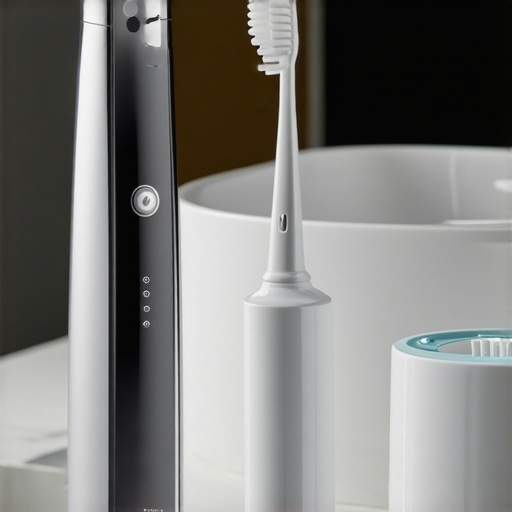
Looking ahead, I predict that oral care is moving toward real-time diagnostics. We are already seeing Invisalign innovations that use smart tracking, but the next step is bio-sensors in your brush. Imagine a device that measures the volatile sulfur compounds in your mouth every morning and tells you exactly which quadrant of your jaw needs more attention. This level of precision will make the old ‘smell test’ a thing of the past. For now, focus on the tools you can control. I want you to try the ‘sniff test’ on your floss tonight; if you find a specific spot that smells like naphthalene or sulfur, that is your target for a water flosser intervention. Don’t just ignore the signal—use it to guide your tools.
The Chemical Reality Check I Wish I Had Sooner
Looking back at my journey, I realize I spent years fighting my own biology instead of working with it. The most important lesson I learned is that ‘clean’ is a feeling, but ‘balanced’ is the real goal. I used to think that if I could just find a strong enough chemical, I could erase the mothball odor forever. Instead, I discovered that those harsh, alcohol-based mouthwashes were creating a desert in my mouth where only the most resilient, sulfur-producing bacteria could survive. I also had to accept that my diet—specifically high-protein, low-carb phases—was directly fueling the skatole production in my gut and mouth. Understanding that teeth cleaning myths often prioritize a ‘burning’ sensation over actual health was my biggest lightbulb moment. Once I stopped chasing the burn and started focusing on pH balance, the chemical scent finally dissipated.
My High-Performance Toolkit for a Neutral Smile
If you want to move beyond basic brushing and truly tackle deep-seated odors, you need a targeted strategy. These are the three pillars I rely on every single day to keep my breath neutral. First, I upgraded to a professional-grade copper tongue scraper; unlike plastic versions, it provides a much cleaner sweep of the posterior lingual area where mothball-scented bacteria hide. Second, I shifted my focus to products designed for teeth cleaning for sensitive teeth, which are typically free from SLS and other drying agents that contribute to thick, smelly saliva. Finally, I became a student of my own oral microbiome by using a simple ‘sniff test’ on my dental floss. This allows me to identify specific trouble spots before they become a social liability. I trust these methods because they move away from ‘masking’ and toward ‘managing’ the ecosystem.
[image_placeholder]
It Is Time to Trust Your Own Reflection Again
Waking up without the fear of a chemical odor is a level of freedom I didn’t think I’d get back. It starts with small, intentional changes—drinking that extra glass of water, being meticulous with your tongue care, and recognizing that how regular teeth cleaning can prevent major dental issues is a biological truth, not just a dentist’s catchphrase. If you have been struggling with a persistent scent that makes you want to hide, remember that it is just a signal from your body asking for a shift in routine. Take that first step today by auditing your tools and perhaps choosing the right dentist to help you perform a professional reset. You deserve to speak, laugh, and lean in with total confidence. Have you ever noticed your breath changing based on your diet or hydration levels? Let me know in the comments below.