
I’ll never forget the sound of my daughter’s front tooth hitting the coffee table. It was a sickening, hollow thud that made my own stomach do a flip. She cried for a minute, I checked for blood, and when I saw none, I breathed a massive sigh of relief. I told her she was fine and we went back to playing. Boy, was I wrong. Three months later, that same tooth looked like it belonged in a gritty black-and-white movie while the rest of her smile was in vibrant Technicolor. It didn’t hurt her one bit, so I figured it was just a weird fluke or maybe some staining from juice. That was my first big mistake in the world of dental care—assuming that no pain meant no problem. If you’re staring at a tooth in the mirror that’s slowly turning the color of a stormy sky, you aren’t alone, and the good news is that you haven’t necessarily lost the tooth yet. Today, I want to walk you through exactly why this happens and what we can actually do about it.
Your Tooth is Bruised and the Evidence is Showing
When a tooth takes a hit, whether from a rogue baseball or a clumsy trip, the tiny blood vessels inside the pulp can rupture. Think of it exactly like a bruise under your skin. When you hit your arm, blood leaks under the surface and turns purple or blue. The difference is that your skin is porous and flexible, allowing the bruise to fade. Your tooth, however, is a hard vault. When those vessels leak, the blood gets trapped inside the dentin. This is why cosmetic dentistry for discolored teeth is such a frequent topic in my conversations with neighbors. The iron in your blood reacts with the tooth’s internal layers, creating that grayish-purple hue. I’ve seen people panic and think they need an immediate extraction, but sometimes the tooth is just “bruised” and might even recover its color over time, especially in children with baby teeth. However, in adults, it often signals that the nerve is struggling or has quietly passed away. If you have ever dealt with a tooth that was knocked loose previously, this graying is often the delayed aftermath of that specific trauma.
Can a gray tooth actually be saved or is it a lost cause?
This is the question that keeps most people up at night. You’re probably worried that a gray tooth equals an expensive fake tooth or a gap in your smile. The truth is, many of these teeth can stay right where they are for years. We often look into how we fix the grey look of a tooth that had a root canal because even if the nerve is gone, the structure is often still solid and healthy enough to keep. According to the American Association of Endodontists, dental trauma can cause the pulp to become necrotic (dead) without ever causing a single throb of pain. This “silent” death is why you need a pro to check the tooth’s vitality. Have you ever noticed a tooth changing color weeks after a bump and just hoped it would go away on its own? I’d love to hear if you’ve faced this specific problem. It’s a weirdly lonely feeling until you realize how common it is. In the next section, we’ll talk about the ‘vitality test’ and why it’s the first thing your dentist will do to see if that tooth is still ‘alive’ or just hanging on by a thread.The first thing your dentist will reach for isn’t a drill; it’s usually an ice-cold cotton pellet or a small electric tester. This is the moment of truth.
The Crucial Vitality Test
I remember sitting in the chair for my own diagnostic run after a mountain biking accident. My dentist didn’t just guess; he used a thermal test to see if the nerve inside my front tooth was still functioning. If you feel a sharp, quick zing when they touch the tooth, congratulations—the nerve is alive. If you feel absolutely nothing while the tooth next to it is reacting normally, the nerve has likely checked out. This is essentially a professional version of the cold water test. We also use the tapping test to check for inflammation in the surrounding tissues. It’s like checking a tree in winter; you scratch the bark to see if there’s green underneath. If the nerve is dead, the tooth becomes a ‘dead’ structure that can become a magnet for infection, which is why a root canal often follows to clear out the decaying tissue before any cosmetic work begins. #IMAGE_PLACE_HOLDER_B#
Internal Bleaching to Lift Deep Stains
Once the health of the tooth is secured, we move into the aesthetic phase. You can’t just throw a whitening strip on a gray tooth and expect it to work like a miracle. Think of it like trying to paint over a dark navy wall with thin white watercolor—the dark color just bleeds through the pigment. This is where many cosmetic dentistry myths often lead people astray. Standard bleaching only hits the surface enamel. Instead, we often perform ‘internal bleaching.’ This involves opening the back of the tooth, placing a whitening agent inside the chamber for a few days, and letting it lift the stain from the core out. This is the most effective way to address the iron deposits trapped in the dentin without removing healthy tooth structure.
Masking the Tooth with Porcelain
Sometimes, internal bleaching doesn’t get us to a perfect match, or the trauma has left the tooth structurally weak and prone to cracking. In these cases, we look at external options that act as a permanent mask. Porcelain veneers or crowns are the gold standard here. When we look into how we fix the grey look of a tooth that had a root canal, we are usually talking about using opaque ceramics that can block out the underlying darkness. I once worked with a patient who had a front tooth so dark it looked like a charcoal smudge from a childhood fall. We used a custom-tinted crown, and the trick was how we match the texture of a crown to the natural teeth so it wouldn’t look like a fake plastic cap.
Coordinating with a Full Cleaning
While we focus on the problem tooth, you shouldn’t ignore the neighbors. If the rest of your teeth are yellowed, a perfectly white crown on a gray tooth will look just as out of place as the gray did. This is why I always recommend starting with professional teeth cleaning tips for a brighter smile to get your baseline as bright as possible. This way, when you choose a dentist for the final restoration, they are matching the porcelain to your brightest natural shade, ensuring the final result is seamless.Let’s dig deeper into why simply ‘whitening’ this problem away is a fool’s errand. Most people think a tooth turns gray because it’s dirty, but the real nuance lies in a condition called calcific metamorphosis. This is where I see the biggest ‘oops’ factor in modern consultations. Everyone says a gray tooth is a dead tooth, but in my experience, the tooth is often just over-protecting itself. It starts laying down massive amounts of secondary dentin to ‘wall off’ the nerve after a shock. This makes the tooth look opaque and dark, but it’s actually more solid than a healthy tooth! Rushing into a root canal for a tooth undergoing this process is a major mistake because the canal is often so narrow it’s nearly impossible to navigate. A study published in the Journal of Endodontics notes that only about 7% to 27% of these ‘calcified’ teeth actually develop an infection. If it isn’t infected, we leave it alone and focus on the aesthetics of the surface. 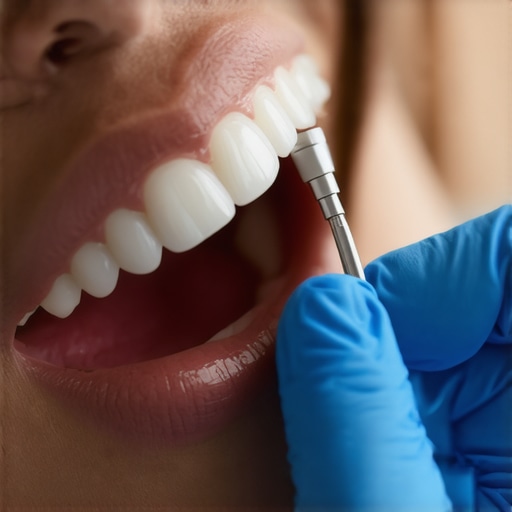
Don’t Fall for the Spotlight Effect
If you try to fix this with over-the-counter kits, you’re likely falling for one of the most common cosmetic dentistry myths debunked by top dentists. You see, the truth about whitening strips and how they affect sensitive roots is that they only work on extrinsic (surface) stains. When you whiten the surrounding teeth, that one gray tooth doesn’t change at all, making it look ten times darker by comparison. I call this the ‘spotlight effect.’ You’re literally shining a light on the one thing you want to hide.
Why does my tooth look darker in natural sunlight than under my bathroom lights?
This comes down to metamerism and how different light sources affect the way we perceive color. Natural sunlight contains a full spectrum of UV light that interacts with the proteins in your teeth differently than the LED or incandescent bulbs in your home. You might notice the specific reason your teeth look yellow in sunlight but white indoors is often due to the loss of fluorescence in a traumatized tooth. When the nerve is compromised, the tooth loses its ability to ‘glow’ under UV light, making it look flat and muddy when you step outside. It’s a nuance that requires a custom-layered porcelain approach to fix. Have you ever fallen into this trap of trying to whiten a tooth that just wouldn’t budge? Let me know in the comments. Before you commit to any major changes, check out these teeth cleaning myths debunked by top dentists to ensure your baseline health is where it needs to be.
Stop the Gray from Creeping Back In
Once we have successfully lifted that stubborn shadow, the last thing you want is for it to return like a bad habit. I always tell my patients that internal bleaching isn’t always a ‘one and done’ deal for life. The dentin inside can sometimes darken again if the seal isn’t perfect. This is why maintaining your teeth cleaning routine for long-term health is the bedrock of keeping that restoration stable. If you’ve moved into the world of clear aligners to fix the alignment after your trauma, you need to be twice as diligent. I’ve seen beautiful bleaching work ruined by poor hygiene during orthodontic shifts. Learning invisalign maintenance expert tips for clear confident smiles is essential because any bacteria trapped against a porous, bleached tooth can cause localized staining faster than you’d think.
Tools That Keep My Smile in Top Shape
I’m a bit of a nerd when it comes to the gear I keep on my bathroom counter. If you are serious about keeping a formerly gray tooth or a new crown looking pristine, you have to move beyond the basic manual toothbrush. I personally use an electric brush with a pressure sensor because trauma-prone teeth often have thinner enamel near the gumline. To prevent the ‘spotlight effect’ I mentioned earlier, I make sure to address the hard-to-reach spots. If you use aligners, you know the struggle of keeping them fresh. I recommend using a dedicated ultrasonic cleaner for your trays; it’s much more effective than just brushing them. For those stubborn spots, knowing how to get the coffee stains out of your invisalign attachments will keep your overall look cohesive. Also, don’t overlook modern teeth cleaning innovations that reduce sensitivity and boost results, such as hydroxyapatite toothpastes that help remineralize the surface without the harshness of traditional whitening pastes. 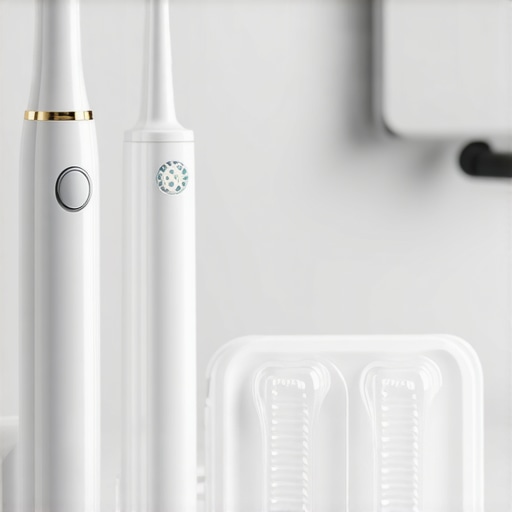
How do I maintain these cosmetic results over time?
Consistency is your best friend here. It’s not about a massive whitening session once a year; it’s about the micro-habits. For my patients with porcelain work, I recommend a high-quality water flosser to ensure the margins of the crown stay clean. This prevents the dark line that can sometimes appear at the gumline—which people often mistake for the gray tooth returning, but is actually just gum recession or staining. According to research by Dr. Pascal Magne, a pioneer in biomimetic dentistry, the goal is to emulate the natural tooth’s biomechanics. This means avoiding extreme temperature shocks (like biting ice) which can cause micro-fractures in your porcelain or your already stressed natural enamel.
Digital Monitoring Is the Future
Looking ahead, the way we track these changes is becoming incredibly high-tech. We are moving away from just ‘looking’ at a tooth and toward ‘scanning’ it. I predict that within the next few years, AI-driven smartphone apps will allow you to track the shade of your teeth at home, alerting you the moment a gray tooth begins to relapse. In my office, I already rely on NIRI (Near-Infrared Imaging) technology found in the iTero Element 5D scanner. It helps us see through the enamel to catch internal changes without radiation. Staying ahead of cosmetic dentistry trends that transform smiles today ensures you aren’t just reacting to problems, but preventing them. I highly encourage you to ask your dentist about digital shade matching at your next visit to ensure your smile stays as vibrant as the day you fixed it.
What Years of Dental Trauma Taught Me About True Smile Health
The biggest takeaway from my journey is that silence is not safety. In the world of oral health, a tooth that doesn’t hurt can still be in crisis. I learned that trying to ‘wait it out’ only makes the eventual fix more complex because the internal structure continues to degrade. Another lightbulb moment was realizing that the truth about whitening strips is they simply aren’t built for internal trauma; they are like putting a Band-Aid on a broken bone. Lastly, I’ve come to understand that how regular teeth cleaning can prevent major dental issues is by giving your dentist a chance to catch these color shifts before they become permanent shadows. You don’t have to settle for a ‘distracting’ tooth when modern solutions are so accessible.
#IMAGE_PLACEHOLDER_E#
Specific Gear That Changed My Oral Care Routine
Maintaining a bright, uniform smile requires more than just a quick brush. I’ve shifted my focus to high-tech tools that prioritize the health of the dentin and enamel. First, I swear by hydroxyapatite-infused pastes which are part of the modern teeth cleaning innovations that reduce sensitivity and boost results. Second, I recommend a high-quality water flosser to protect the margins of any new cosmetic work and prevent the ‘black line’ at the gums. Third, if you are undergoing alignment, follow invisalign maintenance expert tips for clear confident smiles to ensure your trays don’t harbor bacteria that could stain your healing tooth. Finally, I trust professional-grade electric toothbrushes with pressure sensors to avoid thinning the enamel on a tooth that has already seen enough trauma.
Reclaim the Confidence You Lost to That Stubborn Shadow
Your smile is often the first thing people notice, but more importantly, it’s how you see yourself in the mirror every morning. Don’t let a single gray tooth hold back your laughter or make you hide your face in photos. Whether it’s through internal bleaching, a custom crown, or a porcelain veneer, cosmetic dentistry for discolored teeth offers a way back to a vibrant, healthy look. The road to a better smile starts with a simple conversation. When you are ready, choosing the right dentist will make all the difference in ensuring your results look natural and last a lifetime. You deserve to feel proud of your cosmetic dentistry journey. Have you ever noticed one tooth slowly changing color while the others stayed the same? I’d love to hear your story in the comments below.