
I was standing in my bathroom, squinting into a magnifying mirror with my phone’s flashlight on, feeling a pit of dread in my stomach. There it was—a tiny, tea-colored line right where my dental bonding met my natural tooth. My first thought? “Great, I’ve ruined it with my morning lattes.” My second thought, which was much scarier, was: “Is my tooth actually rotting underneath this?” We spend a lot of time and money on our smiles, so when a blemish appears on something that used to be perfect, it’s easy to spiral. I remember vividly how I felt when I first saw that discoloration. I had originally gone in for a quick fix, learning how we use bonding to fix a chipped tooth in under 45 minutes, and for years, it was seamless. But suddenly, that seam was visible. Today, I want to help you distinguish between a harmless surface stain and a legitimate dental emergency, so you don’t spend your weekend panicked over a cup of Joe.
When Your Mirror Starts Telling Secrets About Your Smile
Truthfully, the difference between a stain and decay isn’t always obvious to the naked eye, but there are specific physical cues I’ve learned to watch for. Stains are usually superficial—they sit on the surface of the resin because composite material is slightly more porous than your natural enamel. If you’ve been diving into the ultimate guide to teeth whitening and cosmetic enhancements, you might already know that bonding material doesn’t respond to bleach. Early on, I made the classic mistake of thinking I could just scrub the dark spot away. I actually fell for the truth about using baking soda to scrub away surface stains, but all I did was create tiny scratches that made the staining worse. Decay, on the other hand, often looks like a gray or dark shadow creeping in from the edges, where the seal between the resin and your tooth has failed.
Is it actually worth the stress if it doesn’t hurt?
You might be tempted to ignore it if there’s no pain, but that’s a dangerous game. The American Dental Association notes that once the ‘marginal seal’ of a restoration is compromised, bacteria can enter a space that you simply cannot reach with a toothbrush. This is how a small cosmetic issue turns into a root canal. I used to think that if I couldn’t feel it, it wasn’t happening, which is one of the biggest cosmetic dentistry myths debunked in my own life. Have you ever noticed a shadow on your bonding that seemed to appear overnight? It’s a gut-wrenching feeling, but catching it early is the difference between a simple polish and a full replacement. Let’s look at the specific tests you can do at home to tell if you need to call your dentist or just switch to a straw for your iced tea.
Run This 3-Step Audit Before You Call the Dentist
To save yourself from a weekend of anxiety, you need to act like a dental detective. I’ve found that most issues with bonding fall into the category of ‘surface maintenance’ rather than ‘structural failure.’ Think of your dental bonding like a high-end countertop; it’s durable and beautiful, but if you don’t seal it properly or if you use the wrong cleaners, it’s going to show wear. The first step in your home audit is the tactile test. Take a clean fingernail or a dental pick and gently run it across the margin where the resin meets your tooth. If it feels smooth, you’re likely looking at a surface stain. However, if your nail ‘catches’ or drops into a microscopic ditch, the seal might be failing. I remember doing this once and feeling a tiny snag that felt like a canyon in my mind. I was convinced I needed an extraction, but it turned out I just needed to learn how regular teeth cleaning can prevent major dental issues by smoothing those transitions out before bacteria moved in.
The Cold Water Sensitivity Check
One of the most reliable ways to distinguish between a cosmetic blemish and a real cavity is temperature response. A stain has no feelings, but a decaying tooth does. You can perform the cold water test for identifying a hidden cavity at home by taking a sip of iced water and letting it rest against the suspicious area. If you feel a sharp, lingering ‘zing’ that lasts more than a second or two, it’s a sign that the bonding is no longer protecting the underlying dentin.  I’ll never forget sitting on my porch one July afternoon, taking a big gulp of an iced latte and feeling a lightning bolt shoot through my front tooth. That was the moment I realized my ‘stain’ was actually a leak. If you pass the cold water test without a flinch, you’re likely dealing with pigments from your diet.
Use the Tongue Texture Test
Your tongue is incredibly sensitive to changes in your mouth’s ecosystem. If that dark spot feels ‘fuzzy’ or significantly rougher than the rest of your teeth, it’s a magnet for plaque. You might notice why your teeth feel furry only four hours after cleaning in that specific spot. This happens because the composite resin has become porous. When the material is rough, it holds onto coffee and wine tannins like a sponge. If the dark line is perfectly smooth to the tongue, the pigment might actually be trapped *under* the bonding, which usually points toward a failing margin that needs a professional look.
Why Professional Polishing Often Beats a Full Replacement
Don’t assume that a dark spot means the bonding has to be ripped off and redone. Often, a skilled hygienist can use a specialized polishing paste to buff out those surface imperfections. If you’re looking into cosmetic dentistry for discolored teeth, you’ll find that refreshing the surface is much less invasive than a total overhaul. I once went into the office certain I’d be spending hundreds on a new veneer, but twenty minutes of professional polishing made the bond look brand new again. It’s important to understand the real reason your coffee stains come back a week after a professional cleaning; if the surface isn’t polished to a high-gloss finish, the ‘pores’ remain open and ready to soak up your next drink. By focusing on the texture and the seal, you can prioritize which issues need an emergency visit and which can wait for your next routine cleaning.Despite what you might hear in flashy commercials, the biggest mistake people make with cosmetic enhancements is assuming they are tougher than the original tooth. I used to think of my bonding as a shield—a literal barrier that protected the tooth underneath from everything. In reality, the interface where the resin meets your enamel is the most vulnerable square millimeter in your mouth. While your enamel is a continuous, crystalline structure, cosmetic work is an additive process. If that ‘seam’ isn’t managed with extreme precision, you aren’t just looking at a stain; you are looking at a microscopic bacterial highway. This is a nuance often overlooked when people search for the secret to a Hollywood smile.
The Dangerous Myth of the Maintenance-Free Smile
Everyone tells you that once you get veneers or bonding, you can finally relax, but in my experience, the opposite is true. I’ve seen so many people fall into the trap of thinking they can skip the ‘boring’ stuff once their smile looks perfect. They stop focusing on the basics, yet maintaining your teeth cleaning routine for long-term health is actually more critical after cosmetic work. Why? Because resin and porcelain don’t have the natural ‘self-cleansing’ properties of smooth enamel. If you aren’t careful, you’ll end up with ‘recurrent decay’—a cavity that hides behind your expensive investment where no one can see it until it’s a major problem. 
Can you really whiten your teeth while wearing Invisalign?
This is one of the most common questions for anyone undergoing a transformation. The advanced answer is: yes, but with a massive ‘oops’ factor to avoid. Many people try to use whitening gels inside their aligners, but if you have attachments (those little tooth-colored bumps), you’ll end up with ‘tan lines’ on your teeth. The gel can’t reach the enamel under the attachment. According to a study in the Journal of Clinical Medicine, uneven whitening during orthodontic treatment can lead to significant shade discrepancies once the attachments are removed. If you’re currently in treatment, it’s better to focus on Invisalign maintenance expert tips for clear, confident smiles rather than DIY bleaching.
Don’t Let Abrasive Trends Ruin Your Investment
I’ve learned the hard way that ‘whitening’ toothpastes are often the enemy of cosmetic dentistry. Most of these products work via abrasion, literally sanding down the surface to remove stains. While enamel can handle some of this, composite bonding cannot. I highly recommend taking the grit test: how to tell if your charcoal toothpaste is destroying your enamel before you apply it to any cosmetic work. If you use a high-abrasion paste, you will create microscopic grooves that actually trap more coffee and wine pigments, leading to a cycle of perpetual staining. Instead, look for modern teeth cleaning innovations that reduce sensitivity and boost results that use enzymatic action rather than physical scrubbing. Have you ever fallen into this trap and noticed your teeth getting darker the more you brushed? Let me know in the comments. By understanding that your new smile requires a different ‘user manual’ than your old one, you can make those results last a lifetime instead of just a few seasons.
The Tools I Actually Use Every Single Day
While I used to think a standard brush was enough, managing cosmetic bonding and clear aligners forced me to upgrade my hardware. I am a firm believer in the power of the water flosser, but not just for the obvious reasons. Beyond just blasting out food, I use it on a lower pressure setting specifically to flush the ‘seams’ of my bonding where manual floss sometimes shreds. If you’ve ever wondered how to stop your gums from bleeding when you use a water flosser, the secret is usually in the angle and the temperature—lukewarm water is a game-changer for sensitive restorative work. I also keep a dedicated sonic toothbrush in my kit. According to independent research published in the Cochrane Library, powered toothbrushes that utilize sonic or oscillating technology demonstrate a 21% greater reduction in plaque over three months compared to manual brushing. This isn’t just about clean teeth; it’s about preventing the bacterial buildup that leads to the margin failure we discussed earlier.
How do I keep my dental work looking fresh for a decade?
The honest answer is that you have to treat your mouth like a high-performance engine. I’ve found that using specialized cleaning crystals for my aligners is non-negotiable to prevent that dull, yellowed look. If you’re struggling with the maintenance, checking out the secret to keeping your Invisalign trays perfectly clear for two weeks will save you from the embarrassment of a cloudy smile. I also make it a point to swap my toothbrush head every 60 days, rather than the standard 90, because the frayed bristles lose their ability to reach the microscopic areas around attachments. I even keep a small ’emergency kit’ in my car with a gentle rinse to how to get rid of the plastic taste from new aligners after a long day of meetings. 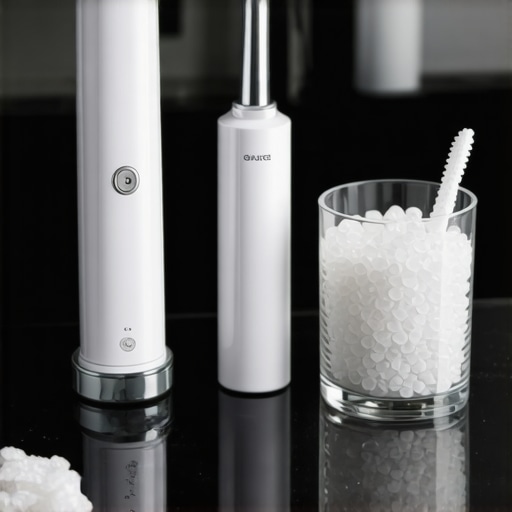
Why 3D Scanning is the End of Dental Guesswork
Looking forward, the way we maintain our smiles is shifting from reactive ‘drilling and filling’ to proactive digital monitoring. I’m incredibly excited about the shift toward 3D imaging. We are moving toward a reality where your dentist can overlay a scan from 2025 with a scan from 2027 to see exactly where your enamel is wearing down by the micron. We already see how we use digital scans to catch cavities that x-rays might miss, but the real future is in ‘digital twins’ of your mouth. This level of detail is exactly what a 3d cbct scan reveals about your jaw health that standard x-rays cant, providing a roadmap for your dental health that lasts decades. If you haven’t yet, I strongly encourage you to ask your provider for a baseline digital scan during your next visit. It’s the most powerful ‘undo’ button you can have in your health records. If you are dealing with a ‘zing’ when you brush, don’t just push through it; look into teeth cleaning for sensitive teeth what works best in 2025 to find a solution that protects your investment without the pain.
The Reality Check My Dental Bonding Gave Me After Three Years
Reflecting on my own journey, the biggest lightbulb moment was realizing that cosmetic dentistry isn’t a “set it and forget it” solution. I used to think of my bonding as a permanent shield, but I’ve learned that its longevity is entirely dependent on how I treat those vulnerable edges. If I could go back, I’d tell myself that a surface stain is a gift—it’s a visible reminder to check my habits. I also learned that teeth cleaning secrets how regular care boosts oral health at any age apply double to those of us with resin. #IMAGE_PLACEHOLDER_E# Another hard truth? Your diet leaves a footprint; if you love turmeric or red wine, you have to be more proactive about rinsing immediately. Lastly, I realized that choosing the right dentist expert tips for your best smile journey includes finding someone who excels at high-gloss polishing, not just the initial application.
How I Keep My Restoration Looking Like Day One
Maintaining that seamless look requires a specific toolkit. I personally swear by a water flosser because it flushes out the microscopic debris that a brush simply can’t reach at the bonding margin. If you’re new to it, you might need to learn how to stop your gums from bleeding when you use a water flosser by starting on the lowest setting. I also transitioned to an ultra-soft sonic toothbrush to prevent abrasive wear on the resin. For those balancing aligners with their dental work, the ultimate guide to invisalign for adults in 2025 is a fantastic resource for keeping your trays from scratching your bonding. I trust these tools because they focus on gentle, consistent biofilm removal rather than harsh scrubbing.
Your Next Step Toward a Lifetime of Confidence
Don’t let a small blemish steal your confidence or make you fear the dentist’s chair. Whether you are dealing with a simple coffee stain or a marginal leak, catching it early is always the most affordable and least painful path. By staying informed about cosmetic dentistry trends that transform smiles today, you can ensure your smile remains as vibrant as the day you got it. Your smile is an investment in your self-esteem, so treat it with the care it deserves. Have you ever noticed a dark line on your bonding and wondered if it was time for a replacement? Let me know your experience in the comments below!