
Have you ever experienced that sharp, almost stabbing feeling inside your mouth right after getting your Invisalign attachments placed? The moment I first felt that burning sensation on my lips, I thought maybe I had bitten the bullet—literally. It was a lightbulb moment for me: the attachments meant to straighten my teeth were also causing unexpected discomfort, turning my smile journey into a potential pain parade. It’s frustrating—and honestly, quite startling—when your clear aligners, designed for convenience, end up feeling like tiny, relentless knives scraping your lips every time you speak or chew.
The Hidden Agony of Invisalign Attachments
So, why does this happen? Those little attachments—tiny tooth-colored bumps glued onto your teeth—serve as anchors for your aligners. While they might look minimal, their placement can sometimes lead to soft tissue irritation. The problem intensifies if they’re positioned near sensitive areas like the inner lips or cheeks. I soon realized that it’s not just about the discomfort; it’s about understanding how to address it without compromising my treatment plan. Today, I’m here to share what I discovered about alleviating this problem, so your Invisalign experience becomes a smoother ride.
What You Might Be Missing in Your Approach
Early on, I made a classic mistake: ignoring the subtle signs of irritation and not communicating with my dentist about the discomfort. Trust me, I thought this was just part of the process—that my lips would toughen up. But ignoring the issue only worsened it. According to dental experts, improper attachment placement or not adjusting the aligners correctly can lead to soft tissue irritation. The key is to recognize the signs early and work with your dental team to find tailor-made solutions. Want to know the practical steps I used to turn things around? Keep reading, because relief is closer than you think.
Before we dive into the remedies, it’s worth considering whether your aligner setup is the right fit for your lifestyle. Sometimes, a quick comparison like Invisalign vs. traditional braces can help you decide if this route is best for you—and whether your attachments are a necessary part of that journey. If you’re already committed to Invisalign, however, understanding how to minimize discomfort can make things much easier. Are you ready to discover simple fixes that can help your lips and your smile coexist peacefully? Let’s get started.
Adjusting Your Attachments for Comfort
Start by examining how your attachments are positioned. If they are near sensitive areas like your inner lips or cheeks, gently ask your dentist to evaluate whether repositioning is possible. A simple adjustment can make a significant difference in reducing irritation. During my own treatment, I noticed a particular attachment near my lower left molar was causing constant scraping. I scheduled a quick consultation, and my dentist carefully moved it slightly, which immediately eased the discomfort.
Use Orthodontic Waxes Effectively
Apply orthodontic wax over the attachments to create a smooth barrier between the brace and your soft tissues. Think of it as a protective shield—like a bumper on a car—absorbing the friction and preventing cuts. I found that reapplying the wax after meals or when I felt irritation would often bring relief. Keep a small supply handy, and don’t be shy about reapplying as needed. This quick fix provides instant relief without needing to visit your dentist every time.
Modify Your Aligners for Immediate Relief
If a particular area of your aligner presses uncomfortably against your attachment, temporarily trimming a tiny bit of the aligner’s edge can help. Use clean, sharp scissors and cut cautiously, focusing only on the part pressing into irritated tissues. This isn’t a permanent solution but can provide immediate alleviation. I did this once after a meal, and the relief from the sharp edge pressing into my gum was instant. Remember, consult your dentist if you’re unsure about modifying your aligners.
Communicate with Your Dental Team
Don’t wait until discomfort becomes unbearable. Reach out to your dentist to discuss persistent irritation—early intervention can prevent more significant issues. They might adjust the attachment, recommend a different position, or suggest alternative solutions. During my experience, my dentist appreciated my proactive communication, which led to a quick reattachment that was less invasive and more comfortable. Use this contact page to find expert advice and schedule adjustments when necessary.
Practice Consistent Oral Hygiene
Good oral hygiene minimizes inflammation and soft tissue sensitivity. Regular brushing and flossing remove plaque and reduce irritation around attachments. Consider using a soft-bristled toothbrush or a water flosser, especially when you notice soreness. I incorporated gentle brushing around my attachments daily, which helped decrease swelling and irritation over time. For additional benefits, learn how regular teeth cleaning can prevent major dental issues here.
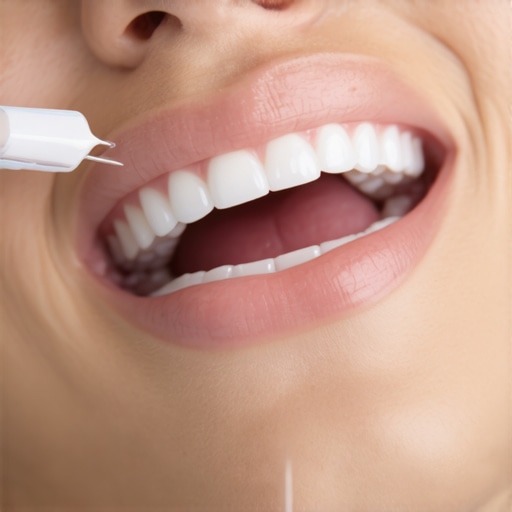 Many people believe that cosmetic dentistry, teeth cleaning, and Invisalign treatments are straightforward paths to a perfect smile, but lurking beneath are nuanced pitfalls that can derail your expectations. One common misconception is that all teeth whitening methods yield similar results—yet, according to top dental experts, some over-the-counter options might do more harm than good by damaging enamel or causing sensitivity. Moreover, it’s a myth that professional cleanings are merely cosmetic; in reality, they are vital for preventing long-term issues like gum disease, as evidenced in a recent study linking regular cleanings to lower incidence of periodontal problems.
What Advanced Mistakes Do Patients Often Overlook?
For instance, many overlook the importance of selecting a qualified cosmetic dentist specialized in complex procedures rather than opting for the cheapest option. This oversight can lead to subpar results, uneven restorations, or even unnecessary re-treatments. An expert tip is to review before-and-after portfolios and seek recommendations—this aligns with insights from leading cosmetic dentistry resources that emphasize experience over price. Additionally, DIY attempts—like untrained whitening DIY mixes—pose serious risks, including chemical burns or uneven color shades, which underscores why consulting a professional is always safer.
Another critical nuance involves understanding Invisalign innovations. Not all aligner systems are created equal; newer innovations in 2025 even offer smart features for real-time tracking and pressure adjustments, enhancing comfort and outcomes. Skipping the latest advancements means missing out on these benefits, and inferior systems can cause prolonged treatment or discomfort. An informed choice often requires deep research into the latest Invisalign innovations. Recognizing these subtleties can be the difference between a smile you love and one plagued by avoidable complications.
Have you ever fallen into this trap? Let me know in the comments. Ensuring you’re aware of these common yet overlooked nuances will empower your journey toward a radiant smile, free from unnecessary setbacks or myths that could mislead even the most diligent patient.
Keeping It Working: Invest in the Right Tools for Durable Results
Achieving a radiant, healthy smile requires more than just visiting your dentist; it demands the right tools that support your ongoing dental health. Personally, I rely on several specialized devices and software to ensure my Invisalign treatment progresses smoothly and my teeth remain healthy in the long run. These tools not only enhance comfort but also help catch potential issues early, making maintenance more manageable and less disruptive.
One indispensable device I use regularly is a high-quality water flosser. Unlike traditional floss, a water flosser effectively cleans around attachments and braces, reaching areas that are often missed. I prefer models with adjustable pressure settings so I can customize my experience based on sensitivity levels. Regular use has significantly reduced plaque buildup and inflammation, which are common concerns during orthodontic treatments.
In addition, I incorporate a handheld sonic toothbrush with adaptive technology. This kind of toothbrush adjusts its brushing power based on the area of the mouth, ensuring gentle yet thorough cleaning—crucial when dealing with sensitive attachments. The real advantage is its ability to detect areas that may need more attention, guiding me to maintain optimal oral hygiene.
For monitoring my treatment progress, I’ve integrated Invisalign-specific software that syncs with my smartphone. This technology provides real-time updates and reminds me of scheduled changes and check-ins. It eliminates guesswork and helps me stay disciplined, which is vital for timely and predictable results. The future of dental maintenance is heading toward such smart integrations, making it easier for patients to stay engaged with their oral health routine.
Complementing these tools, I rely on an app recommended by my orthodontist to track my cleaning routines and remind me of dental appointments. Consistent use aids in maintaining long-term results and prevents minor issues from escalating. Moreover, I schedule regular professional cleanings and check-ups, as they are essential for removing stubborn plaque and ensuring attachments stay in the right position. You can explore why regular teeth cleaning is a game-changer for long-term health.
How do I maintain my dental tools over time?
Proper upkeep of dental tools is paramount. For instance, I clean my water flosser’s reservoir weekly with vinegar solution to prevent mold buildup, and I replace brush heads every three months to keep them effective. My sonic toothbrush’s brushes are swapped out as recommended, and the software is regularly updated to benefit from the latest features. Making these habits part of your routine ensures that your tools remain effective and hygienic, which directly impacts your treatment’s success.
Likewise, investing in high-quality, durable tools might seem costly initially but pays off through reliability and longevity. For software, always opt for solutions that offer cloud backups and encrypted data, protecting your personal health information while giving you seamless access across devices.
Predicting future developments, I believe that IoT-enabled dental devices will become the norm, allowing real-time monitoring and immediate adjustments without frequent dentist visits. Such innovations could revolutionize how we care for our smiles, making maintenance even more effortless.
Don’t wait until issues surface—try integrating a smart water flosser today. It’s a small change with massive benefits, especially for those undergoing Invisalign treatment or long-term teeth cleaning routines. Ready to give it a shot? Check out models with adjustable pressure settings and come prepared to elevate your oral care game.
If you’re interested in more advanced methods to support your dental journey, I recommend consulting with a specialist who can tailor solutions to your unique needs. You can reach out here for expert advice.
What I Wish I Knew About Comfort Before Starting
The biggest lightbulb moment for me was understanding that not all attachment placements are created equal. Early on, I ignored subtle discomforts, believing they’d fade with time. But speaking up and collaborating with my dentist led to strategic repositioning that saved my sanity. It taught me that proactive communication can prevent unnecessary pain and accelerate results.
Tools That Aren’t Just Gadgets, But Game-Changers
Investing in a high-quality water flosser and a smart toothbrush transformed my daily routine. These tools didn’t just make cleaning easier; they made my Invisalign treatment more comfortable by reducing irritation around attachments. They became essential allies in my journey, proving that the right equipment empowers self-care and enhances treatment efficacy.
Embracing Change: The Silent Power of Small Adjustments
Temporarily trimming aligner edges or applying wax might seem minor, but these quick fixes offered immediate relief when discomfort struck. My experience showed me that tiny, thoughtful tweaks could keep my progress on track without frequent dentist visits. Sometimes, small actions yield the biggest comfort gains.
My Hidden Wisdom for a Pain-Free Path
- Early communication with your dental team can sidestep major irritation issues later on.
- Prioritize quality tools like water flossers and sonic brushes—they’re worth the investment.
- Don’t hesitate to modify your aligners temporarily to ease discomfort—your treatment isn’t set in stone.
- Stay curious and proactive about your treatment; you’re your own best advocate.
Where to Elevate Your Invisalign Experience
If you’re eager to explore innovative tools and techniques, check out resources like Invisalign innovations for 2025 or discover how professional guidance can transform your journey through tips for choosing the right invisalign specialist. These insights can make your process smoother, more comfortable, and ultimately, more rewarding.
Take Charge—Your Smile Deserves It
Your Invisalign journey isn’t just about straightening teeth; it’s about transforming your confidence and embracing a more radiant you. Remember, small adjustments and informed choices today set the stage for a lifetime of smiles. Don’t let discomfort hold you back—take control and enjoy the process!
Have you ever experimented with an at-home remedy or tool during your orthodontic treatment? Share your experiences below—your insights might help someone else find relief!
,