
I remember the night clearly—my toddler was grinding his teeth so loudly I thought the walls might shake. It was surreal, almost like a tiny construction crew working in his mouth while he slept peacefully. That unsettling noise kept me awake for hours, and a panic set in. Was this normal? Could it harm him? I realized I wasn’t alone; many parents face this mysterious nightly ritual with their little ones.
So, why does this happen? And more importantly, what steps can I take to help my child, and maybe even spare other parents the sleepless nights filled with worry? Today, I’ll share my journey from confusion to understanding, and guide you through practical solutions that truly work.
Night Grinding in Toddlers: A Common Puzzle
Is Nighttime Teeth Grinding Really Something to Worry About?
When I first heard about my child’s teeth grinding, I jumped straight to the internet, reading every article I could find. It turns out, nocturnal bruxism (that’s the fancy term for grinding teeth at night) is quite common in young children. According to dental experts, it affects up to 30% of children between the ages of 2 and 7. The good news? For most kids, it’s a phase that they outgrow.
Initially, I made the mistake of ignoring it entirely, thinking it was harmless. But I soon learned that consistent grinding can lead to issues like worn teeth, jaw pain, or even headaches as they grow older. I also discovered that stress, teething discomfort, or misaligned teeth might contribute to this behavior.
Understanding this, I shifted my approach from dismissal to proactive management. If your child is grinding, don’t dismiss it as just a nighttime quirk. Early intervention can prevent long-term problems.
If you’re worried about whether this is a serious issue or just a passing phase, remember that consulting your child’s dentist is always the best move. They can evaluate whether there’s an underlying cause and help you choose the right plan of action.
Now that I’ve set the stage, let’s dive into practical strategies that helped my child—and can help yours too. But first, let’s address a common concern.
Is Teeth Grinding in Toddlers Actually Worth Worrying About?
Establish a Consistent Bedtime Routine
Start by creating a calming and predictable bedtime environment. Dim the lights, read a gentle story, and avoid screen time before sleep. This consistency reduces stress, which can be a trigger for teeth grinding. In my experience, sticking to a routine helped my son relax and decreased his nighttime grinding within a week.
Monitor and Address Teething Discomfort
Teething can cause toddlers to grind their teeth as a soothing mechanism. Use safe teething toys or chilled (not frozen) rings to alleviate discomfort. I found that supplying my little one with a cool teether during the day diminished his urge to gnaw and grind at night, providing him relief and lowering the grinding frequency.
Create a Sleep-Conducive Environment
Ensure the sleeping area is quiet, cool, and comfortable. White noise machines or blackout curtains can help. An optimized environment makes it easier for your child to stay relaxed. When I installed a white noise machine, my child slept more soundly, and I noticed a reduction in grinding episodes.
Minimize Stressors and Encourage Relaxation
Reduce exposure to stressful situations close to bedtime. Use gentle activities like massage or warm baths to promote relaxation. For my son, a gentle massage of his jaw area before bed proved calming and reduced nighttime teeth grinding.
Limit Caffeine and Sugar Intake
Avoid giving your toddler caffeine or sugary foods near bedtime, as they can increase hyperactivity and stress. I replaced evening candies with gentle herbal teas (approved by my pediatrician), which helped my child wind down comfortably.
Opt for Regular Dental Checkups
Scheduling routine dental visits is essential. A pediatric dentist can identify potential issues and offer tailored advice. I recommend consulting professionals regularly to prevent long-term damage. Find a trusted dentist by reviewing options on this guide.
Explore Protective Night Gear When Needed
In some cases, dentists advise using a custom-fitted night guard for toddlers. These devices protect teeth from wear and reduce grinding noise. During my latest appointment, my dentist explained how a mouthguard can serve as a barrier without restricting growth or comfort. A proper fitting from a professional ensures safety and efficacy. Learn more about options at this resource.
Even though many believe they know the basics of dental care, there are common misconceptions that can cause more harm than good. For instance, the idea that frequent professional cleanings alone guarantee oral health overlooks the importance of personalized care and proper technique. Contrary to popular belief, aggressive brushing or overuse of whitening products can damage enamel, highlighting the need for tailored advice from a trusted dentist. Furthermore, many assume that Invisalign is just a cosmetic fix, but its benefits extend to proper bite alignment and long-term jaw health, which many underestimate. A significant trap many fall into is neglecting the significance of proper attachments and compliance during treatment—these small details determine success. Advanced techniques, such as digital smile design, exemplify how modern cosmetic dentistry combines aesthetics with functional improvement, yet some still rely solely on traditional methods. According to a study published in the Journal of Esthetic and Restorative Dentistry, overlooked nuances in treatment planning directly correlate with patient satisfaction and longevity of results. An example of a common myth is that whitening damages teeth—while improper use can, professional supervised treatments are safe and effective. Remember, choosing a dentist with experience in these advanced procedures ensures you’re not falling prey to subpar results. Have you ever fallen into this trap? Let me know in the comments.Maintaining your dental health over the years requires more than just regular visits to the dentist; it involves strategic use of proven tools and consistent care routines. One indispensable device I rely on is the electric toothbrush, specifically models like the Philips Sonicare DiamondClean. I prefer this because its sonic technology provides superior plaque removal and reduces gingival inflammation more effectively than manual brushing. Additionally, its built-in timer ensures I brush for the recommended two minutes, promoting optimal cleaning. For further enhancement, I incorporate a water flosser such as the Waterpik Aquarius Professional. The pulsating stream helps dislodge debris in hard-to-reach areas and is gentle enough for sensitive gums, making flossing easier and more thorough. I’ve found that integrating these tools enhances my routine and preserves my smile longer. To monitor my oral health, I use an LED magnifying mirror that illuminates and enlarges my mouth, helping me catch early signs of issues like tartar buildup or gum inflammation. Regular maintenance also involves employing professional-grade whitening kits, like the Opalescence Home system, which I use periodically to prevent staining and keep my smile bright. Looking ahead, the trend in dental tools is moving toward smarter, app-connected devices that provide real-time feedback and personalized coaching, as detailed by the Journal of Dental Practice Management. These innovations promise to make at-home care more effective and engaging. |[Insert Image Placeholder]#| 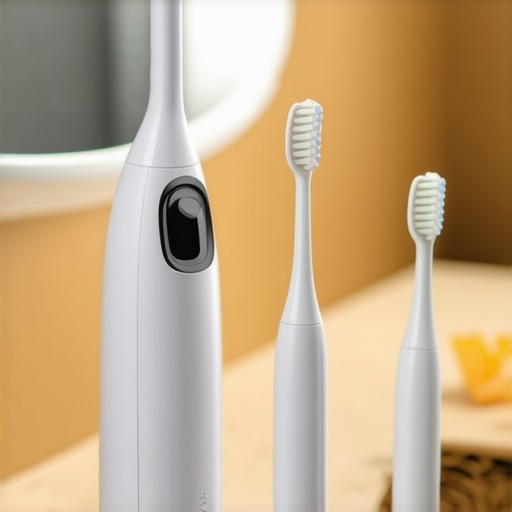 |**Prediction**: As technology advances, at-home dental care tools are becoming smarter and more integrated, empowering patients to maintain healthy smiles independently. |**How do I maintain my dental tools to ensure they remain effective over time?** Regular cleaning of electric toothbrush heads and water flosser attachments is crucial. Replace the toothbrush head every three months, or sooner if the bristles fray, to prevent bacteria buildup and maintain cleaning efficiency. Clean water flosser nozzles with warm soapy water weekly, and descale the device monthly with a vinegar solution to prevent mineral deposits. Proper storage in a dry, clean environment also prolongs tool lifespan. Incorporating these maintenance practices ensures your tools continue to perform optimally, protecting your investment and your oral health. Want to give your tools a quick upgrade? Try replacing your toothbrush head this week with a compatible, higher-quality option, and experience the difference firsthand. For more detailed guidance, check out our comprehensive tips on [maintaining your teeth cleaning routine for long-term health](https://smilezdentist.com/maintaining-your-teeth-cleaning-routine-for-long-term-health).
What I Wish I Knew Before Tackling Toddler Teeth Grinding
I realized early on that persistent teeth grinding in my toddler was not just a quirky phase but a signal that I needed to pay closer attention. Trusting professional advice over myths saved me from unnecessary worries and led to meaningful steps, like better bedtime routines and regular dental checkups, which made a real difference.
It took me time to understand that early intervention can prevent long-term damage. Learning from experts and my own experience, I grasped the importance of addressing causes like teething discomfort and stress, rather than dismissing symptoms. This lesson reminds me that patience and proactive care are crucial when managing child oral habits.
Tools and Resources That Changed My Perspective
One of the most valuable resources was the guide on choosing the right dentist, which helped me find trusted professionals who could evaluate my child’s needs effectively, as detailed here. For home care, electric toothbrushes like Philips Sonicare and water flossers like Waterpik became indispensable in maintaining oral health, supported by innovations discussed in this article. These tools empower me to stay ahead of dental issues and keep my smile radiant.
Additionally, I discovered the importance of regular dental checkups, which serve as a safeguard against potential problems. The combined use of expert advice and high-quality dental tools has been a game-changer in my journey toward lifelong oral wellness.
Embracing Action and Building Confidence
If you’re ready to take charge of your dental and your little one’s oral health, remember that every step counts. Incorporating simple routines like consistent brushing, choosing suitable tools, and seeking expert guidance can transform your dental experience. Your path to a confident, healthy smile begins today—don’t let hesitation hold you back.
What’s your biggest challenge in managing your or your child’s dental habits? Share your story below—I’d love to hear and support your journey!