
I remember the first time I committed to a 6 AM HIIT class. Five minutes into the burpees, my tongue felt like a piece of dry toast stuck to the roof of my mouth. I tried to swallow, but there was nothing there—just a sticky, uncomfortable void. It wasn’t just thirst; it was that specific “desert-mouth” sensation that makes you want to hide in the back of the room so no one catches a whiff of your breath. I used to think I just wasn’t drinking enough water, but even after chugging a liter before my sneakers were laced, the cotton-mouth returned like clockwork. It’s frustrating, right? You’re trying to do something good for your body, but your mouth feels like it’s failing you. Today, I want to pull back the curtain on why this happens and how you can reclaim your morning routine without feeling like you’ve been eating sand.
Stop the Desert Breath Before Your First Mile
The truth is, that parched feeling is often a perfect storm of overnight dehydration and the way we breathe when we push ourselves. I made the classic mistake of thinking a cup of black coffee was the ultimate pre-workout fuel. While it woke me up, the acidity and caffeine actually made my mouth much drier. If you notice why your saliva feels thick during these sessions, it’s a sign that your body is struggling to maintain its natural defenses. Saliva isn’t just spit; it’s your mouth’s primary way of washing away bacteria and neutralizing acids. When you dry out, you’re basically leaving the door wide open for plaque to take hold. I’ve found that even people who are religious about their teeth cleaning secrets can still suffer from workout-induced dry mouth if they aren’t careful about their hydration and breathing patterns.
Could a dry mouth actually ruin my teeth?
It sounds dramatic, but yes, it can. When your mouth is perpetually dry, especially during vigorous exercise, the protective minerals in your saliva aren’t there to coat your enamel. This is a huge deal for those of us invested in cosmetic dentistry insights, because no amount of whitening will help if the enamel is constantly under attack. According to a study published in the Journal of Oral Rehabilitation, mouth breathing during high-intensity exercise significantly reduces saliva pH levels, making teeth more vulnerable to erosion. I’ve even noticed that sometimes why your breath smells like vinegar can be linked back to these oral health shifts during a workout. Have you ever felt like your mouth was so dry you couldn’t even finish your set? It’s a common hurdle, but it’s one we can definitely jump over by adjusting a few simple habits and perhaps choosing the right dentist who understands the needs of active patients. Let’s look at the actual steps to keep your smile hydrated while you sweat.
Ditch the Dryness with a Pre-Workout Oral Strategy
Hydration is more than just tipping back a bottle of spring water ten minutes before you hit the treadmill. Your mouth needs a steady supply of moisture, but the high-speed air of a sprint acts like a hairdryer to your gums. I learned this the hard way during a half-marathon last year. I was chugging water at every station, yet my teeth felt sticky and “furry”—a sensation you’d expect after a sugary snack, not a long run. This happens because how regular teeth cleaning can prevent major dental issues starts with maintaining a wet oral environment. If you’re dehydrated, your body prioritizes vital organs, and saliva production is the first thing to get the axe.
Sip Smarter to Keep Your Saliva Moving
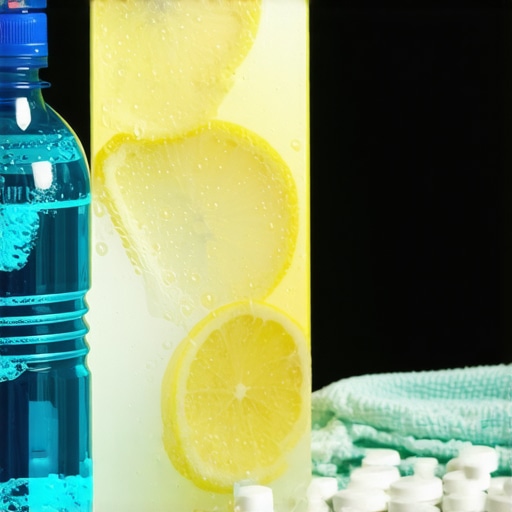
To avoid that thick, gluey feeling, you need to focus on electrolyte balance. Pure water can sometimes flush out the salts your body needs to retain moisture. I started adding a pinch of sea salt and a squeeze of lemon to my pre-workout bottle, and the difference was night and day. It keeps the saliva thin and watery, which is crucial for neutralizing the acids that build up when you’re huffing and puffing. If you’re someone who is already careful about teeth cleaning secrets, you’ll appreciate that this simple hack protects your enamel from the “acid bath” effect of a dry mouth.
Train Your Nose to Save Your Enamel
Nasal breathing is your best friend during low-to-moderate intensity cardio. Your nose is a built-in humidifier; it warms and moistens the air before it reaches your lungs. When you mouth-breathe, you’re essentially sandblasting your oral tissues with dry air. This is a major concern for those chasing the secret to a Hollywood smile, as chronic dryness can lead to microscopic cracks in the enamel. I practiced “taping” my mouth during light jogs—an old runner’s trick—to force nasal breathing, and my post-run mouth discomfort vanished. It’s a literal game-changer for your oral pH levels.
Protect Your Smile During Invisalign Treatment
If you are currently part of the Invisalign innovations movement, your dry mouth struggle is doubled. The plastic trays act as a barrier, preventing what little saliva you have from reaching the surface of your teeth. This can lead to a buildup of bacteria that makes your breath smell. To combat this, never skip your Invisalign maintenance. I always carry a small spray bottle of xylitol-based mouth spray to use mid-workout. It stimulates saliva without the need to remove the trays. Also, make sure you know how to get the morning breath smell out of your Invisalign case, because a clean case prevents you from re-introducing bacteria into a dry, vulnerable mouth.
Consult a Professional for a Moisture Game Plan
Sometimes, despite your best efforts, the dryness persists. This is when choosing the right dentist who understands the needs of active patients becomes vital. They can recommend professional-grade dry mouth gels or high-fluoride rinses that provide a protective coating that lasts longer than a sip of water. I once worked with a competitive cyclist whose enamel was eroding simply because he was mouth-breathing through 50-mile rides. We adjusted his routine to include a specialized gel before he hopped on the bike, and his tooth sensitivity disappeared within weeks.
I often see patients who are frustrated because they’re doing everything ‘by the book,’ yet they still face issues like sensitivity or recurring stains. The biggest myth I have to debunk daily is the idea that more force equals a cleaner mouth. In reality, treating your enamel like a kitchen counter that needs a hard scrub is the fastest way to wear down your natural protection. If you’ve ever wondered the reason your teeth feel furry only hours after a professional cleaning, it’s usually not because the hygienist missed a spot; it’s actually your saliva working overtime to create a new ‘pellicle’ layer—a microscopic protein film that actually protects your teeth. When we strip this away too aggressively with abrasive DIY methods, we’re doing more harm than good.
Stop Treating Your Enamel Like a Kitchen Counter
One of the most dangerous ‘oops’ factors I encounter is the obsession with charcoal or baking soda. People think they are ‘deep cleaning’ at home, but they are often just sandpapering their smile. You should try the grit test how to tell if your charcoal toothpaste is destroying your enamel before you commit to those viral trends. According to a study published in the Journal of Dentistry, highly abrasive whitening pastes can cause significant enamel loss, making teeth more porous and, ironically, more prone to deep staining over time. It’s a classic trap: you scrub to get white teeth, but you end up with thin enamel that lets the yellow dentin underneath show through even more.
Why do my teeth look darker right after a deep cleaning?
It’s a sophisticated question that often catches people off guard. When we remove years of tartar and surface stains, we also reveal the true translucency of your teeth. Sometimes, the removal of opaque plaque makes the edges of your teeth look slightly more ‘grey’ or ‘clear’ because you’re finally seeing the natural structure without the ‘cloak’ of debris. This is why cosmetic dentistry myths debunked often focus on the difference between ‘clean’ and ‘white.’ If you want that bright pop, you need to look into modern teeth cleaning innovations that reduce sensitivity and boost results rather than just hoping a standard cleaning will mimic a chemical whitening treatment.
Master the Art of Timing Your Smile Upgrades
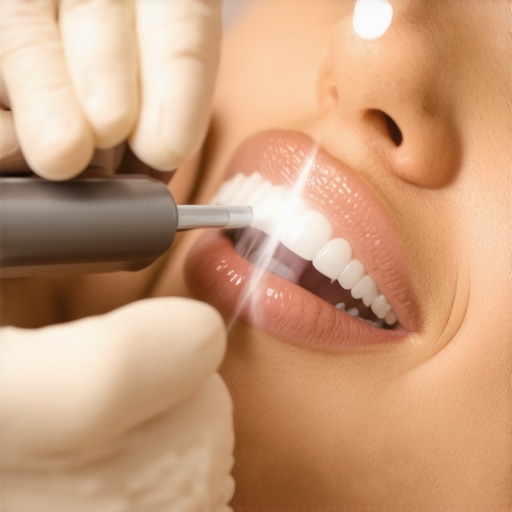
If you are planning to combine health and aesthetics, timing is everything. A common mistake is rushing into whitening right after a cleaning while your roots are still slightly reactive. I always tell my patients to wait at least 48 hours for the pellicle layer to fully stabilize. If you jump the gun, you’ll learn the hard way about the truth about whitening strips and how they affect sensitive roots. The goal is bio-minimalism—achieving the best look with the least amount of trauma to the tissue. This is especially true if you are already invested in how regular teeth cleaning can prevent major dental issues; you don’t want to undo all that preventative work with one over-eager bleaching session. Have you ever fallen into this trap of over-cleaning or rushing a cosmetic result? Let me know in the comments below, and let’s talk about how to find that perfect balance between a healthy mouth and a Hollywood glow.
Keep Your Professional Glow Without the Hard Scrub
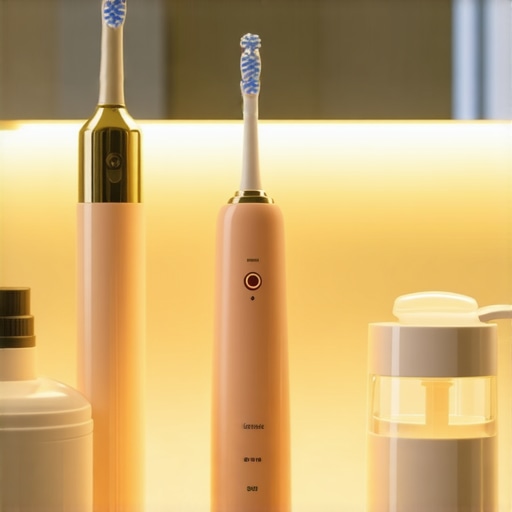
Once you’ve achieved that level of cleanliness where your tongue glides over your teeth, the challenge is keeping it that way. I’ve found that the ‘furry’ feeling usually creeps back when we rely on outdated tools. I personally swapped my manual brush for a sonic model with a built-in pressure sensor—not because I’m lazy, but because I’m a chronic over-brusher. If you’ve ever wondered why your gums bleed only when you use your electric toothbrush, it’s usually the tool telling you that your technique is too aggressive. By letting the vibrations do the work, you preserve that delicate pellicle layer we talked about earlier, which is the cornerstone of maintaining your teeth cleaning routine for long-term health.
How do I keep my smile looking new for years?
Maintenance isn’t a single event; it’s a system. For my friends finishing up their alignment journey, Invisalign maintenance expert tips for clear confident smiles often boil down to one specific tool: the ultrasonic cleaner. I used to use a toothbrush to scrub my trays, but that creates microscopic scratches that trap bacteria and odors. Now, I drop them in a pod that uses sound waves to vibrate the debris off. It’s a game-changer for avoiding that ‘old saliva’ scent. If you’re dealing with the aftermath of coffee, knowing how to get the coffee stains out of your Invisalign attachments is equally vital for keeping the ‘invisible’ part of the treatment true to its name.
The Toolkit That Actually Keeps My Enamel Happy
Beyond the brush, I’ve integrated xylitol mints into my post-meal routine. It’s a small change with a massive impact on oral pH. Research cited in the International Journal of Dental Hygiene highlights that xylitol doesn’t just mask breath; it actively interferes with the metabolic processes of Streptococcus mutans, the primary bacteria behind tooth decay. This is especially helpful if you’re prone to sensitivity, as it prevents the acid spikes that make teeth cleaning for sensitive teeth so much more comfortable in the long run. I also recommend a water flosser for anyone with permanent retainers or bridges—it reaches the ‘impossible’ spots without the frustration of threaders.
The Sensors Are Coming for Your Bathroom Sink
Looking ahead, the future of oral care is moving toward bio-integrated tech. I predict that within the next three years, we’ll see toothbrushes equipped with saliva-diagnostic sensors that can alert you to systemic inflammation or early-stage cavities before they even show up on a standard X-ray. We are already seeing why Invisalign is the future of clear braces through 3D scanning and AI-driven movement tracking, and that same precision is migrating to our daily hygiene. Imagine a brush that tells you exactly when your oral microbiome is out of balance. For now, focus on the basics: get your hands on a high-quality water flosser this week and commit to the ‘no-scrub’ method. Your enamel will thank you by staying thick, white, and resilient for decades.
The Hard Truths I Discovered While Balancing Fitness and a Hollywood Smile
Reflecting on my own journey, there are a few things I wish someone had told me before I started obsessing over my dental health. First, your mouth is an ecosystem, not a trophy. If you treat it like a delicate balance rather than a chore, you will see better results. I learned that the real reason your mouth tastes like pennies after a workout is often a sign of mucosal irritation or minor bleeding due to extreme dryness, not a failure of hygiene. Second, consistency beats intensity every time. You do not need a heavy hand; you need a smart plan. Lastly, if you are looking into the ultimate guide to Invisalign for adults in 2025, remember that the lifestyle adjustments are just as important as the aligners themselves.
My Essential Toolkit for Keeping Your Teeth Resilient
I do not recommend products lightly, but these changes transformed my routine. I switched to a sonic toothbrush with a pressure sensor to ensure I never over-brush again, preserving that vital protective layer. I also swear by xylitol-based mints after meals to keep my pH levels stable when I am on the go. For those on an alignment journey, an ultrasonic cleaner is non-negotiable—it is the only way to truly keep trays fresh and odor-free. Finally, finding the right partners is key; I suggest finding a dentist who gets your smile tips from top cosmetic pros to ensure your professional care aligns with your active life. These tools turn maintenance from a headache into a high-tech ritual.
#IMAGE_PLACEHOLDER_E#
The Future of Your Smile Starts with One Smarter Sip
Your oral health does not have to be a casualty of your fitness goals. By shifting from aggressive scrubbing to mindful hydration and nasal breathing, you are doing more than just preventing cavities—you are preserving your confidence. Whether you are currently navigating teeth cleaning for sensitive teeth or perfecting your alignment, the goal is a resilient, healthy smile that lasts a lifetime. Don not let a dry mouth stand in the way of your next personal best. Have you ever noticed your mouth feeling exceptionally dry or sticky during a heavy cardio session? Let me know in the comments below!