
I was three bites into a piece of crusty sourdough when I heard it. That sickening snap that resonates right through your jawbone. I did not even have to look in the mirror to know my denture plate had finally surrendered. It is a gut-wrenching feeling, especially when it happens at 7 PM on a Friday. My first instinct? Panic. My second? I reached for a tube of industrial superglue. Spoiler alert: that was the single worst decision I have ever made for my oral health. Not only did it taste like a chemical factory, but it also irritated my gums so badly I could not wear the plate for a week even after the professional fix. We have all been there—staring at a broken prosthetic while the clock ticks toward a weekend where every office is closed. Today, I am walking you through exactly how to manage this dental crisis without ruining your prosthetic or your mouth. We will cover the immediate ‘donts’ and the few ‘dos’ that actually work. Have you ever tried a home-fix that went horribly wrong? Tell me I am not the only one who thought glue was a genius idea. According to the American College of Prosthodontists, nearly 120 million people in the U.S. are missing at least one tooth, and many rely on dentures that eventually succumb to wear and tear. It is a common hurdle, but one that needs a calm head. If you are also dealing with other issues, like why your dental implant feels slightly different, you know that dental work requires a bit of an adjustment period.
Survival Mode When Your Plate Snaps
When that break happens, your mouth immediately detects the change. The tongue is like a magnet for sharp edges, and it will not stop poking at the crack. It is similar to how to stop a sharp tooth from cutting your tongue before your appointment; you need to protect your soft tissues first. The key is to stop, breathe, and remove the piece. If you try to force a broken plate back in, you risk more than just discomfort. You could cause a sore that takes weeks to heal, much like the best way to soothe a sore spot on your gums from a new denture. If it is a clean break, keep both halves in a safe, dry container. If it is just a chip, you might be tempted to keep wearing it, but even a small change in alignment can lead to the kind of pressure people feel during the first day of new invisalign trays. It is better to go toothless for a few hours than to damage your jaw.
Do those drugstore repair kits actually work?
You have seen them in the dental aisle—the little boxes promising to fix your smile in minutes. I used to be a total skeptic, and honestly, I still have my reservations. These kits are essentially a temporary acrylic patch. They can be a lifesaver if you have a wedding or a big meeting, but they are not a substitute for a professional lab repair. If you use too much material, you might ruin the fit of the plate forever. It is a lot like the best way to handle a chipped front tooth on a sunday evening; you are just trying to buy time. If you do use a kit, follow the directions like your life depends on it. A botched home repair can make it impossible for your dentist to use the original pieces, forcing you into the expense of a brand-new plate. Many people worry about the cost, but why a single dental implant costs more than a bridge is a similar conversation about long-term value versus short-term fixes. Let us look at what you can safely do in the meantime.
Clean the pieces like your smile depends on it
First, rinse the fragments under lukewarm water immediately after the break. Avoid hot water at all costs; boiling or near-boiling water can warp the acrylic, turning a repairable break into a permanent paperweight. I remember the time I thought a deep soak in scalding water would ‘sanitize’ the break before I tried to align it. The plastic softened just enough to lose its shape, and even when the dentist eventually fixed the crack, the plate never sat flat against my palate again. Use a soft brush and non-abrasive soap to remove any saliva or biofilm. This is not the time for the ‘grit test’ or harsh chemicals that could etch the surface. Much like how teeth cleaning secrets involve gentle consistency, your broken plate needs a delicate touch. If there is old adhesive or food debris on the fracture line, the dental technician won’t be able to get a flush fit, leading to a weak repair.
Keep the fragments in a Denture Oasis
Dry storage is usually the enemy of dentures, but in a break scenario, you need to keep the pieces from clanking together in your pocket or a drawer. Wrap them in a damp paper towel and place them in a hard-sided container—think a clean Tupperware or a sturdy pill bottle. If you let the acrylic dry out completely for days, it can slightly contract, which is why maintaining your teeth cleaning routine usually involves keeping them moist at night. However, for the transport to the dental lab, ‘damp’ is the keyword, not ‘drowned.’ This protection prevents the delicate ‘zinc’ or metal connectors from bending.
Can you smooth out those jagged edges yourself?
When my plate snapped, the remaining piece had a point as sharp as a steak knife. It was constantly catching on my cheek, making every word a literal pain. You might be tempted to take a metal nail file or sandpaper to it. Resist that urge. If you file away the material, you are changing the ‘map’ the dentist uses to align the pieces. It is similar to how to stop a sharp tooth from cutting your tongue, but with a prosthetic, the stakes are higher because the acrylic doesn’t grow back. Instead, use a tiny bit of orthodontic wax—the same stuff used for invisalign for adults—to cover the sharp point. It creates a smooth buffer without removing the vital structure needed for the repair.
Why your kitchen cabinet is not a dental lab
We need to talk about the ‘Superglue Trap.’ Cyanoacrylate is not waterproof in the long term, and more importantly, it can cause chemical burns on sensitive oral tissues. It also creates a permanent layer of plastic that is almost impossible for a dentist to remove without grinding away the original denture material. If you’re worried about the look of your smile while you wait, investigate cosmetic dentistry myths debunked to see what professional solutions actually look like. A professional lab uses high-heat curing and medical-grade resins that bond the pieces back into a single, solid unit. If you use a drugstore kit, always perform a ‘dry fit’ first. Place the pieces together to see if they still lock perfectly. If they don’t, there is likely a microscopic shard missing. In that case, you are better off waiting for a pro who can use a 3D CBCT scan or digital impression to ensure the alignment is perfect for your jaw health.Let’s dig deeper into why we’re so tempted to take our health into our own hands. Everyone says that a quick scrub at home is ‘good enough’ if you do it long enough, but in my experience, home care is only half the battle. We often treat our teeth like a kitchen counter—if it looks clean, it is clean. But dental health is biological, not just mechanical. How regular teeth cleaning can prevent major dental issues isn’t just marketing; it’s about disrupting the microscopic biofilms that no store-bought brush can reach. Have you ever fallen into this ‘brushing is enough’ trap? Let me know in the comments—I’ve been there, and all it got me was sensitive roots.
Stop treating your enamel like a kitchen counter
The ‘Oops’ factor of DIY dental care often starts with whitening. We see those bright ads and think more is better. However, many people are accidentally destroying their protection. Before you buy that charcoal paste, you need to run the grit test to see if your toothpaste is destroying your enamel. If it’s too abrasive, you’re literally sanding away your smile to get a temporary glow. This leads to permanent sensitivity where your teeth ache because the dentin is exposed. A study published in the Journal of the American Dental Association (JADA) notes that unsupervised abrasive whitening can lead to permanent enamel loss and increased tooth sensitivity, which is exactly why teeth cleaning for sensitive teeth requires such a specialized approach in 2025.
The trap of the 22-hour Invisalign rule
People often choose invisalign for adults because they think it’s the ‘easy’ way out. The truth? It’s actually harder for many because of the compliance trap. With metal braces, you have no choice—they stay in. With clear aligners, the temptation to leave them out for ‘just one more hour’ after dinner is real. If you ignore the tiny details of your wear time, your teeth won’t move as planned, and you’ll find yourself dealing with the intense pressure during the first day of new invisalign trays over and over again because the alignment was lost.
Why does Invisalign require more discipline than metal braces?
It comes down to the bio-mechanical ‘reset’ that happens every time the trays are out for too long. Your periodontal ligaments are under constant tension; when you remove that tension, they begin to bounce back almost immediately.  Finally, let’s address the myth that cosmetic dentistry is purely about vanity. In reality, modern cosmetic dentistry innovations 2025 are designed to restore function. A veneer or a crown isn’t just a pretty facade; it’s a structural reinforcement. If you’re wondering how to choose a dentist who understands this balance, look for someone who talks about your bite alignment as much as the shade of the porcelain. Have you ever had a cosmetic procedure that actually improved how you eat or speak? I’d love to hear your story.If you want to keep your smile working long-term, you have to look beyond the basic manual toothbrush and the occasional floss. I have found that the real game-changer isn’t just about how hard you scrub, but the technology you use to reach where bristles simply cannot. For me, that meant investing in a compact ultrasonic cleaner. You have seen these small pods—they use high-frequency sound waves to create microscopic bubbles that implode against the surface of your denture or aligner. It is a process called cavitation. When I first started my journey, I followed the usual advice of brushing my trays with a soft brush. It was a disaster; the trays got cloudy and developed a lingering odor. Switching to an ultrasonic pod changed everything and became a cornerstone of my invisalign maintenance expert tips that I wish I knew from day one.
How do I keep my smile looking day-one fresh for years?
The secret isn’t just one big procedure; it is the relentless commitment to maintaining your teeth cleaning routine with professional-grade tools. I personally use a water flosser with a specialized tip for my permanent retainer. If you have any kind of prosthetic or orthodontic hardware, a standard piece of string isn’t going to cut it. You need something that can flush out the biofilm—that sticky layer of bacteria that eventually hardens into tartar. We know that how regular teeth cleaning can prevent major dental issues is more than just a tagline; it is about preventing the bone loss that makes teeth feel loose over time. A study published in the Journal of Clinical and Diagnostic Research found that ultrasonic cleaning combined with a mild disinfectant is significantly superior to manual brushing for reducing fungal growth on dental acrylics. This is why I tell everyone to stop scrubbing and start using vibration tech.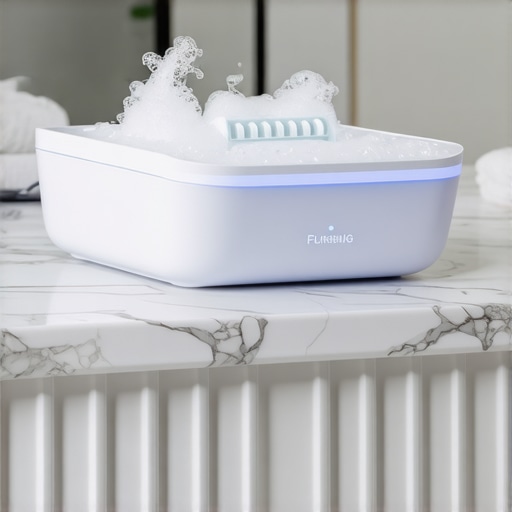 I predict that by the end of this decade, we won’t even be guessing about our progress at home. We are already seeing invisalign innovations for 2025 that involve Dental Monitoring apps. You take a high-resolution selfie of your teeth, and an AI compares it to your treatment plan in real-time. If you had a long night and struggled with how to get your clear aligners back in after a long dinner, the app tells you exactly how many extra hours you need to wear them to stay on track. This level of data is the ultimate tool for accountability. Even if you have moved past aligners, these modern teeth cleaning innovations make the maintenance phase much less daunting. You aren’t just fixing your teeth once; you are managing a biological system. For those who deal with cloudiness or stains, learning the secret to keeping your invisalign trays perfectly clear involves avoiding the colored mouthwashes that most people think are helping. My advanced tip for you? Stop using regular toothpaste on your prosthetics or aligners—it is too abrasive and creates micro-scratches where bacteria hide. Use a dedicated cleaning foam or a gentle liquid soap in your ultrasonic pod instead. Give it a try for one week and look at the difference in clarity.
Lessons my dental mishaps finally taught me
Looking back at my history of cracked plates and DIY disasters, there are a few hard-won truths I keep close to my heart. First, time is rarely on your side with a break; the longer you wait, the more likely the surrounding teeth or the alignment of your jaw will shift. Second, your mouth is incredibly sensitive to the ‘micro-texture’ of your prosthetics. When I tried to fix things myself with glue, I created microscopic rough spots that led to weeks of gum irritation. Finally, the best dental work is one you can forget about. You shouldn’t feel your prosthetic every second of the day. If you do, it is a sign that maintaining your teeth cleaning routine might need a professional adjustment to ensure the fit remains perfect as your bone structure changes over time. I’ve realized that investing in expert care early saves thousands of dollars and hours of frustration later on.
My must-have tools for keeping a smile secure
If you are serious about avoiding the panic of a midnight dental break, you need a toolkit that goes beyond a basic brush. I personally swear by these three things: an ultrasonic cleaning pod for deep-sanitization without using abrasive pastes that scratch the acrylic, a high-quality water flosser to protect the delicate gum tissue around implants or bridges, and a small supply of orthodontic wax for those sudden sharp edges that can occur after a chip. These aren’t just ‘extras’; they are part of modern teeth cleaning innovations that keep your hardware from failing prematurely. I also recommend keeping the contact info for an emergency provider who stays up to date with cosmetic dentistry innovations 2025 saved in your phone, because the middle of a Friday night crisis is the absolute worst time to start Googling for a trustworthy professional.
You deserve a smile that doesn’t hold you back
It is easy to feel defeated when your dental work fails, but remember that we are living in the best era for restorative health. Whether you are currently navigating the world of invisalign for adults or managing a traditional denture, the technology exists to make your life easier and your smile more resilient. Don’t let a single snap or chip keep you from enjoying your favorite meal or laughing out loud with friends. Take these invisalign maintenance expert tips and apply them to your own routine—your future self will thank you for the extra five minutes of care you put in today. Have you ever tried a home dental repair that you immediately regretted, or did you find a specific trick that actually saved your smile during an emergency? Let me know in the comments below!