
I remember the first time I left my dentist’s office and immediately felt my teeth a bit wobbly, almost like they were saying, “Surprise! We’re a little insecure today.” It was unsettling, and honestly, I felt a pang of panic. Was it normal? Did I just ruin my teeth? That lightbulb moment made me dive deep into the world of dental cleanings and what impacts them — because, let’s face it, nobody wants to walk out feeling like they just did a teeth shake test.
Understanding the Mystery of Loose Teeth After Cleaning
If you’ve ever experienced this sensation, you’re not alone. Many folks wonder, “Why do my teeth feel loose after a routine deep cleaning?” It’s a question that can lead to confusion and unnecessary worry. But the truth is, there’s a lot more behind this feeling than meets the eye, and I’m here to shed some light based on what I’ve learned and experienced.
Is It Just Temporary or Something More Serious?
The good news? Usually, that looseness is temporary—an expected part of the process rather than sign of something dire. It’s often caused by the removal of tartar and plaque, which can momentarily affect how your gums and teeth support each other. Think of it like a sponge that’s been squeezed and needs a moment to regain its shape. However, early on, I made the mistake of brushing off this sensation, assuming it was harmless. That was a mistake, and I urge you to learn from my oversight.
Dental professionals have noted that the sensation usually resolves within a few hours to a day, as your tissues settle back into place. But if it lingers or worsens, it’s crucial to consult your dentist promptly. Did you know that according to the American Dental Association, proper aftercare can prevent complications and ensure your gums heal properly? For more myths about what really happens during teeth cleaning, check out this helpful guide.
Setting Expectations for Your Post-Cleaning Experience
Understanding what’s normal helps ease anxiety and prepares you for what’s ahead. So, if you’ve faced this problem, stick around. In the following sections, I’ll walk you through what causes this sensation, what you can do to ease it, and when to seek professional advice. Because, honestly, the path to a healthy, confident smile involves knowing what’s happening beneath the surface—and that’s what I aim to help you with next.
Apply Gentle Massaging Techniques to Reassure Your Gums
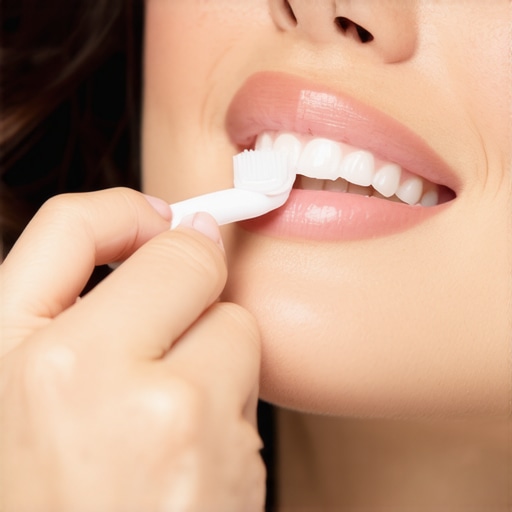
After your cleaning, use your fingertip or a soft brush to gently massage your gums in circular motions. I once tried this after noticing my gums felt tender and loose; the gentle pressure improved circulation, helping them settle faster. Think of it as kneading dough to smooth out lumps—gently stimulating blood flow encourages healing and reduces the sensation of looseness.
Maintain Optimal Oral Hygiene with Proper Brushing and Flossing
Consistently brushing twice daily with a soft-bristled toothbrush and flossing correctly prevents tartar buildup, which can cause gum inflammation leading to looseness. I learned this the hard way when I resumed my routine after a deep clean: vigorous brushing caused more irritation, so I switched to a gentle technique and saw improvements. Remember, aggressive cleaning can do more harm than good; focus on soft, circular motions.
Use an Anti-Inflammatory Mouthwash for Swelling Control
Incorporate a prescribed or over-the-counter anti-inflammatory mouthwash into your routine to reduce gum swelling and support healing. My dentist recommended this, and after a few days, my gums felt firmer, and the loose sensation diminished. Think of it as watering a plant—adequate moisture helps tissues recover and regain strength.
Adopt a Soft and Nutrient-Rich Diet for Tissue Repair
Eating soft foods rich in vitamins C and D, zinc, and calcium supplies the building blocks for tissue repair. I found that incorporating Greek yogurt, leafy greens, and citrus fruits helped my gums heal faster. Just like fueling a car with quality oil, your body needs proper nutrients to recover efficiently and restore support for your teeth.
Limit Oral Movements and Avoid Hard or Sticky Foods
Avoid chewing on hard candies, ice, or sticky caramel that can disturb healing tissues. I once ignored this advice, and the sensation worsened. Instead, opt for smoothies, soups, and mashed foods—these minimize stress on your gums. Think of it as giving your gums a break to focus on healing without additional strain.
Communicate with Your Dentist About Persistent Looseness
If the loose feeling persists beyond 24 hours or worsens, contact your dental professional immediately. I learned this the hard way when I dismissed ongoing discomfort; earlier intervention could prevent complications. Remember, your dentist can assess whether additional treatment or adjustments are necessary to ensure proper healing. For detailed guidance on post-cleaning care, visit this comprehensive article.
 While many believe they have a grasp on cosmetic dentistry and aligner treatments like Invisalign, there’s often a layer of nuance that gets missed—leading to misconceptions and sometimes costly mistakes. For instance, a common myth is that all veneers are purely cosmetic with no functional drawbacks, but in reality, choosing the wrong veneer thickness or material can compromise your bite or cause long-term enamel thinning. Dentists versed in advanced techniques understand that not every smile requires a one-size-fits-all solution; customizing your treatment plan is essential to achieve natural-looking, durable results, as detailed in cosmetic dentistry innovations.
One mistake even seasoned patients make involves the over-reliance on DIY whitening or temporary fixes. Overscrutinizing at-home kits without professional guidance can lead to enamel erosion or increased tooth sensitivity—an issue that can be avoided by consulting experts who tailor whitening protocols to your enamel’s health, backed by studies in professional whitening maintenance. Similarly, misconceptions about Invisalign often involve underestimating the importance of compliance; clear aligners demand dedication, and neglecting to wear them as prescribed not only delays results but risks needing re-treatment or additional procedures.
Addressing advanced questions, many patients ask: “How can I ensure my Invisalign treatment doesn’t damage my teeth or gums over time?” The answer lies in understanding that Invisalign, when coordinated with a comprehensive dental evaluation and proper retainers post-treatment, minimizes risks such as root resorption or gum recession. In fact, a recent controlled study indicates that when used correctly, Invisalign can safely straighten teeth with fewer adverse effects compared to traditional braces, as discussed in invisalign advancements.
One oops to watch for is overlooking the critical role of personal oral hygiene during orthodontic treatment. Many assume that braces or aligners don’t require meticulous care, but plaque accumulation around brackets or aligners can cause decay or white spot lesions, setting back progress. Regular flossing and professional cleanings are vital. Incorporate tools like water flossers or interdental brushes, and don’t skip routine professional cleanings to maintain health and aesthetics.
Ultimately, understanding the subtleties—such as selecting the right veneer material, maintaining strict compliance with Invisalign, or adopting personalized whitening strategies—can significantly impact your results. Remember, the devil is often in the details, and consulting with a specialist in cosmetic dentistry ensures you avoid common pitfalls. Have you ever fallen into this trap? Let me know in the comments.Maintaining a healthy smile over years requires more than just regular visits; it hinges on using the right tools and techniques tailored to your needs. I swear by the Sonicare DiamondClean Smart electric toothbrush, which I personally find superior due to its multiple brushing modes and app connectivity that tracks your brushing habits, ensuring consistent cleaning effectiveness. Its pressure sensors help prevent over-brushing, safeguarding your gums from damage. Additionally, I recommend water flossers like the Waterpik Aquarius, especially for those with braces or implants, because water flossing effectively removes debris in hard-to-reach areas and reduces plaque buildup. Incorporating a dry-mouth spray like Biotene can also help maintain saliva flow, essential for remineralizing enamel. For long-term results, I schedule professional checkups every six months, and I use a gentle yet effective whitening light to maintain brightness without compromising enamel health. Prediction suggests that evolving AI-powered dental tools will soon personalize your oral hygiene routine even further, adapting care based on your unique oral microbiome—exciting times ahead! To keep your routine effective, make sure to floss thoroughly using interdental brushes like GUM’s Soft Picks for sensitive gums, which have proven to reach areas that string floss can miss, according to dental research. Want to optimize your maintenance routine? Start by integrating a high-grade electric toothbrush like Sonicare, combined with water flossing, and observe the difference in your gum health within weeks. Regular use of these tools will not only preserve your dental work but also enhance your overall oral health. If you’re curious about how proper maintenance can extend the life of your dental restorations, visit our detailed guide on [maintaining your teeth cleaning routine for long-term health](https://smilezdentist.com/maintaining-your-teeth-cleaning-routine-for-long-term-health). Remember, investing in these tools is an investment in your smile’s future—don’t wait for problems to arise, be proactive and get started today!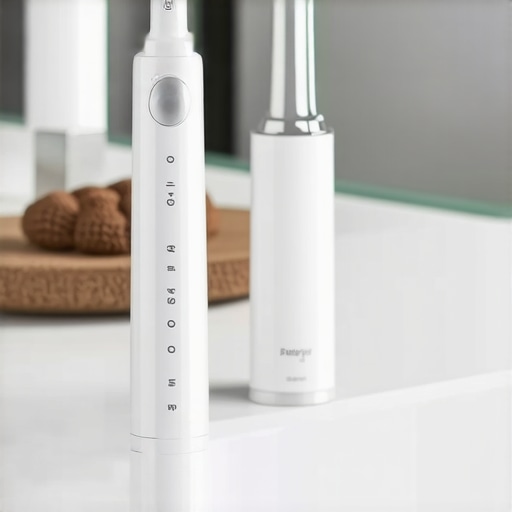
Shattering Myths: The Unexpected Lessons Learned from Dental Cleanings
One of the most eye-opening realizations was that some sensations during dental procedures, like feeling loose teeth afterward, aren’t necessarily cause for alarm. It’s a reminder that our bodies are more adaptable than we often give them credit for. Additionally, I discovered that simple post-cleaning techniques, such as gentle gum massage and maintaining a nutrient-rich diet, can significantly speed up healing and reduce discomfort. The importance of choosing the right dental tools and understanding individual variations in healing was another lesson that transformed my approach to oral health.
My Go-To Resources for Smiling Smarter
- The American Dental Association’s website — A trusted source offering evidence-based guidelines on dental care and post-cleaning tips. I trust their advice because it’s backed by top professionals committed to public health.
- Cosmetic Dentistry Trends, available at Smilez Dentist — Keeping up with the latest innovations helped me make informed decisions about treatments like veneers and Invisalign, ensuring natural results and longevity.
- Professional-grade oral hygiene tools — Tools like Sonicare electric toothbrushes and Waterpiks have made a tangible difference in my daily routine, providing expert-level care at home.
- Personal consultation with a skilled cosmetic dentist — Nothing beats personalized advice. Building a relationship with a trusted professional offers peace of mind and tailored guidance for long-term oral health.
Embrace Your Smile Journey Today
Understanding the nuances of dental cleanings and the steps you can take to support your gums isn’t just about aesthetics—it’s about empowering yourself to enjoy lasting dental vitality. Each small effort, from choosing the right tools to adopting gentle care habits, adds up to a confident, radiant smile. Remember, progress begins with knowledge—so take that first step toward a healthier mouth today. What’s one post-cleaning tip you’ve found most helpful? Share your thoughts below and join the conversation!