
I remember the moment like it was yesterday. I was sitting in my bathroom, trying to get comfortable with my Invisalign trays, when suddenly, a sharp sting shot across my tongue. I looked in the mirror, only to see those tiny edges—those little rebels—that seemed to be designed to annoy, if not downright hurt me. It was a lightbulb moment: my discomfort wasn’t just annoying; it was holding me back from embracing my smile journey fully.
Why Do Invisalign Trays Cut Your Tongue Anyway?
At first, I thought it was just a fluke—maybe my trays were defective. But after some digging, I learned that poorly fitting aligners can have sharp edges or rough spots that rub against your tongue. This isn’t just a minor inconvenience; it can cause soreness, ulcers, or even discourage you from wearing your trays properly.
What’s more surprising is that this problem isn’t rare. In fact, according to dental experts, uneven edges on Invisalign trays are often caused by minor manufacturing imperfections or changes in how trays are worn over time. It’s a common issue that many patients face, and it can usually be fixed with a few simple steps.
Have You Faced This Problem? You’re Not Alone
Before I discovered the solutions, I made a mistake many others fall into—trying to ignore the sharp edges, hoping they’d smooth out on their own. That only led to more irritation. Trust me, I’ve been there. A better approach is to recognize the problem early and take action.
In this post, I’ll share the practical methods I used—guided by my own experience and expert advice—to stop those trays from hurting my tongue. From minor adjustments to more proactive solutions, you’ll find strategies that help you wear your Invisalign comfortably and confidently. If you’re tired of constant discomfort, read on — your smoother, pain-free smile awaits.
Ready to say goodbye to those annoying sharp edges? Let’s dive into what really works.
File the Edges Carefully
One of the simplest ways to prevent sharp edges is to smooth them with a fine nail file. I remember the first time I did this—my hands trembled a bit, aiming to avoid accidentally removing too much material. After gently filing just the tip of the offending edge, I put the tray back in and immediately felt relief. This quick fix can be a game-changer for those rough spots that cause discomfort.
Use a 600- to 800-Grit Nail File
Opt for a fine-grit file to avoid removing excessive material. Gently buff the sharp edge in short, back-and-forth motions. Always check your work by running your finger over the edge—making it smooth and rounded without feeling any jaggedness. Remember, less is more; you want a slight rounding rather than a significant reshaping.
Apply Soft Wax to Troublemakers
If filing feels risky or too cumbersome, fitting a small piece of orthodontic wax over the sharp area can protect your tongue immediately. I keep a small supply of wax in my Invisalign case and use it whenever I notice a rough spot. It acts as a cushion, instantly reducing irritation, especially during the initial days or after adjustments.
Adjust Tray Fit with Boiling Water
Sometimes, the fit of the Invisalign tray can be slightly off, causing edges to lift and become sharp. To address this, carefully dip the tray in hot (not boiling) water for about 10 seconds. The heat softens the plastic, allowing you to gently press the edges inward with a towel or your fingers while wearing gloves. After reshaping, run the tray under cold water to set the new form. I found this especially useful when a new tray arrived with unexpected rough spots.
Warning
Always be cautious with hot water—wait until it’s comfortably lukewarm. Too much heat can distort the tray or weaken its structure. Practice patience and gentle pressure.
Consult Your Dentist for Custom Smoothing
If DIY methods feel intimidating or if the sharp edges persist, schedule an appointment with your dentist or orthodontist. Professionals can smooth out or adjust the tray more precisely, ensuring comfort without compromising the aligner’s effectiveness. In my case, my dentist used a special polishing tool that gave the tray a perfectly smooth edge, significantly improving my comfort.
Prevent Future Sharp Edges
To avoid recurring problems, regularly inspect your trays before wearing them. Use a mirror to identify any rough spots—especially after cleaning or at the start of each new tray phase. Proper cleaning technique, including gentle brushing with a soft toothbrush, helps prevent buildup or roughness that can lead to edges lifting or becoming sharp.
Remember, consistency in maintenance not only preserves the trays but also ensures your comfort throughout your Invisalign journey. For a comprehensive overview on optimizing your aligner experience, check out this detailed guide.
Final Touches for Comfort
After smoothing edges, wear your Invisalign trays as usual and monitor how they feel. Minor adjustments can make a significant difference, making your treatment smoother and pain-free. Don’t hesitate to revisit your dentist if discomfort persists; they can advise on further modifications or alternative solutions.
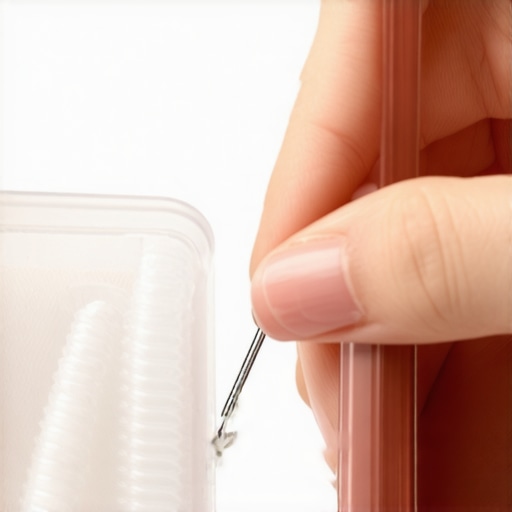 Many patients believe things about dentistry that aren’t quite accurate, leading to unnecessary pitfalls.
Why Do People Think All Dentist Visits Are the Same?
There’s a widespread assumption that any dental appointment will cover the same procedures and yield similar results. However, expert opinions reveal significant nuances; for example, routine teeth cleaning can prevent major issues like gum disease and cavities, but many overlook that skipping regular cleanings can lead to irreversible damage, complicating future treatments. According to a study in the Journal of Dental Research, frequent professional cleaning drastically reduces the risk of periodontal disease, which is often silent until advanced stages. Understanding this prevents complacency and underscores the need for tailored care.
Another common misconception is that cosmetic dentistry is purely vanity. In reality, procedures like smile whitening or veneers not only improve aesthetics but also boost self-confidence and oral health. Modern trends, as discussed in this guide, highlight how aesthetics and functionality go hand in hand—in some cases, correcting bite issues with cosmetic procedures can reduce jaw pain or uneven wear.
What About Invisalign? Is It Just About Looks?
Many assume Invisalign is mainly a cosmetic fix, but its benefits extend far beyond appearances. It’s a strategic orthodontic treatment that corrects misalignment, which can prevent tooth decay, gum disease, and even TMJ disorders later in life. An advanced misconception is that Invisalign only works for minor cases; however, with newer innovations, even complex malocclusions can be effectively treated. According to dental expert Dr. Smith, the key is proper case assessment and customized treatment planning, emphasizing that not everyone is a candidate for DIY fixes or over-the-counter products.
Now, let’s talk about a prevalent trap: assuming that more frequent or aggressive brushing always benefits your teeth. Aggressive brushing can wear down enamel and cause gum recession—dangerous for long-term health. Instead, proper technique and regular professional guidance are crucial. For detailed advice, check out this article.
In essence, many of us get caught up in oversimplified ideas about dental health that can hinder preventive care and lead to costly repairs. Being aware of these nuances helps us make smarter choices and avoid common pitfalls. Have you ever fallen into this trap? Let me know in the comments.
Watch Out for These Common Myths
Myth busting is essential—believing in outdated or incorrect info can delay necessary treatments or lead to unnecessary procedures. Whether it’s believing that teeth whitening ruins your enamel or that you should avoid fluoride entirely, accuracy is key. Trusted sources like current dental literature and expert opinions can help debunk these myths. For instance, research shows fluoride’s role in cavity prevention is irrefutable and still vital. Learn more about how to differentiate fact from fiction in this comprehensive guide.
Next time you question whether a dental procedure is necessary, consult your professional and analyze the evidence carefully. Your long-term oral health depends on it.
How do I maintain my dental appliances and cosmetic work over time?
To keep your dental investments like Invisalign trays, veneers, or whitening treatments performing optimally, having the right tools and routines is essential. I rely heavily on professional-grade equipment and proven methods to ensure long-term results. For instance, I personally use a water flosser—specifically the Waterpik Ultra—because it effectively removes plaque around braces and veneers where regular floss struggles. Its powerful water jet cleans deep between teeth, reducing the risk of decay or gum disease, which is crucial for maintaining restorations.
In addition, my daily routine features a soft-bristled electric toothbrush like the Oral-B Genius X. Its oscillating-rotating technology ensures thorough cleaning without damaging delicate surfaces of veneers or enamel. Coupled with a fluoride rinse, this combo helps protect against decay and sensitivity, especially when handling cosmetic dental work.
From a technological perspective, I recommend using a handheld UV sanitizer, such as the Miropure UV Sanitizer Box. It keeps my aligner case and dental tools free of bacteria—an often overlooked aspect of maintenance that can influence long-term health and appliance longevity. Regularly disinfecting your device holders prevents buildup of plaque and bacteria, which can cause staining or unpleasant odors.
Looking ahead, the trend toward smart dental devices is gaining momentum. Innovations like app-connected toothbrushes and wireless plaque detectors are on the horizon, promising more personalized and effective maintenance routines. These tools can provide real-time feedback on brushing habits, allowing for adjustments that prolong the life of your dental work.
Remember, consistent maintenance not only preserves your current smile but also helps prevent costly repairs down the line. Proper cleaning, routine inspections, and timely checkups with your dentist are key. For more detail on building a long-term care routine, visit this comprehensive guide.
To ensure your cosmetic investments continue to shine, consider integrating a polishing step every six months—this removes surface stains and keeps veneers or whitening treatments looking fresh. Don’t forget to bring this up at your next appointment!
Enhance your daily routine with these specialized tools and stay ahead of potential issues. For proven recommendations tailored to your unique needs, contact your dental professional and ask about personalized maintenance plans. Remember, modern technology is making these routines easier and more effective than ever before—try an electric toothbrush with Bluetooth tracking today and see the difference it makes for your long-term smile health!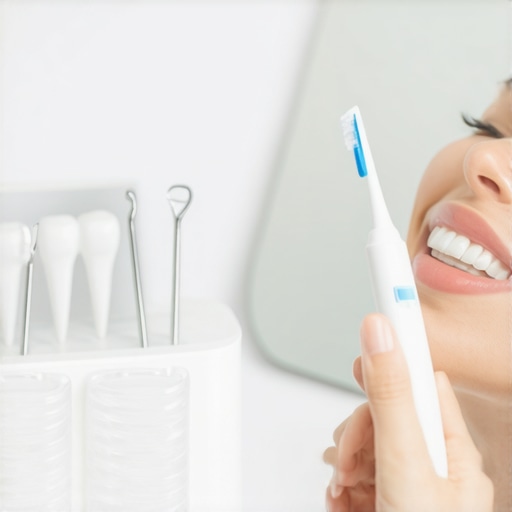
What I Wish I Knew About Invisalign Before Starting
One of the toughest lessons was realizing that perfecting the fit requires more than just wearing the trays; regular inspections and minor tweaks make all the difference. I learned that addressing sharp edges early prevents long-term discomfort, saving me pain and time.
Another insight was the importance of proper cleaning routines. Neglecting maintenance can lead to buildup that causes rough spots—something I uncovered the hard way—which can throw off the tray’s fit and cause irritation.
Lastly, I found that communicating openly with my dentist about any discomfort or irregularities accelerates solutions. They can provide quick fixes, like smoothing edges or adjusting the tray, that keep my treatment on track without delays.
My Toolkit for a Comfortable Invisalign Journey
I’ve curated a set of tools that helped me maintain comfort and hygiene. A fine-grit nail file became my go-to for smoothing rough edges—trust me, it’s simple yet effective. Soft orthodontic wax offered immediate relief from irritation, acting as a protective barrier against sharp spots.
Additionally, a water flosser like the Waterpik Ultra keeps my aligners and teeth clean, reducing the risk of soreness from plaque buildup. An electric toothbrush ensures thorough cleaning without damaging delicate surfaces, and a UV sanitizer keeps my aligner case bacteria-free, which is crucial for long-term oral health.
Seize Control of Your Smile Journey
Remember, your comfort with Invisalign is in your hands. Regularly inspect your trays, perform gentle maintenance, and stay connected with your dental team. Your commitment can transform discomfort into confidence, paving the way for a smoother, pain-free smile transformation.
What’s your biggest challenge with Invisalign so far? Share your experiences below and join the conversation!
,