
I’ll never forget the morning I realized my smile wasn’t just ‘not white’ anymore—it was actually starting to look like the color of a sidewalk on a rainy day. I had spent years meticulously avoiding red wine and curry, thinking that if I just stayed away from the ‘yellowing’ stuff, I’d be fine. But there I was, staring at a dull, metallic grey hue that no amount of scrubbing seemed to touch. It felt like I was losing a battle I didn’t even know I was fighting. If you’ve looked in the mirror and felt that same confusion, wondering why your teeth look muddy rather than just stained, you aren’t crazy. We are going to solve this together today. I’m going to show you why this happens, why your usual whitening strips are probably failing you, and how to get that vibrancy back. This isn’t just about vanity; it’s about what your teeth are trying to tell you about your health and history.
Grey Isn’t Just ‘Darker Yellow’—It’s a Totally Different Beast
When I first saw that greyish tint, I doubled down on my [teeth cleaning secrets](https://smilezdentist.com/teeth-cleaning-secrets-how-regular-care-boosts-oral-health-at-any-age), thinking I just needed to be more aggressive. That was my first big mistake. Grey teeth usually don’t come from your morning latte or a lack of flossing. While [the real reason your teeth look yellow in bathroom lighting](https://smilezdentist.com/the-real-reason-your-teeth-look-yellow-in-bathroom-lighting) is often surface-level pigment sitting on the enamel, grey is usually ‘intrinsic.’ This means the discoloration is coming from inside the tooth itself. For me, it turned out to be a mix of childhood medications and a bit of naturally thin enamel that I hadn’t properly managed. It’s a completely different playing field. You see, when the enamel thins, you aren’t just seeing the yellow dentin; you might be seeing the way light reflects off the underlying tooth structure in a way that creates a ‘shadow’ effect. Have you noticed one specific tooth getting darker than the rest, or is the grey spread across your whole smile? Drop a comment below, because that distinction is the first step to fixing it.
Does professional whitening even work for this?
Many people fear that once a tooth goes grey, it’s a permanent ‘dead’ look. I honestly thought I’d need a full set of veneers by my next birthday. But the truth is more nuanced. According to the American Association of Endodontists, a tooth that turns grey after a trauma—like a hit to the mouth you forgot about—is essentially bruised, and while traditional peroxides might struggle with that deep tissue, there are specific [cosmetic dentistry for discolored teeth](https://smilezdentist.com/cosmetic-dentistry-for-discolored-teeth-your-path-to-radiance) options that target this internal darkening. We have to stop treating grey teeth like they’re just ‘extra dirty.’ They require a strategy that looks at the health of the pulp and the thickness of your armor—your enamel. If you’ve been frustrated by [why your professional whitening results faded so quickly](https://smilezdentist.com/why-your-professional-whitening-results-faded-so-quickly-this-time), it might be because you were treating a grey problem with a yellow solution. Let’s look at what’s really going on under the surface and how we can finally bring the light back to your smile.The first thing you have to do is accept that your toothbrush isn’t a magic wand for intrinsic stains. I spent a month trying every ‘activated charcoal’ trend out there, and all I got was a mess and some sensitive spots. If you’ve wondered about the truth about charcoal toothpaste and your tooth enamel, take it from me: it’s too abrasive for grey-prone teeth. Instead, think of your enamel like a frosted bathroom window. If the light inside the room is off, the window looks dark and grey. You can’t fix that by cleaning the glass; you have to change the bulb inside.
Stop Guessing and Identify the Source of the Shadow
Before you spend another dime on over-the-counter kits, you need a ‘transillumination’ test. A dentist shines a specific high-intensity light through your tooth to see if the darkness is a solid blockage (like a dead nerve) or just thinness. I remember when my dentist did this; it felt like a tiny flashlight investigation. We realized my teeth weren’t ‘dirty’—the bottom edges were just becoming see-through. This is common if you’ve noticed the reason your front teeth look transparent at the very bottom is often acid erosion or age. If the tooth is grey because the nerve is damaged, you might actually need internal bleaching, where the whitening agent is placed *inside* the tooth for a few days. 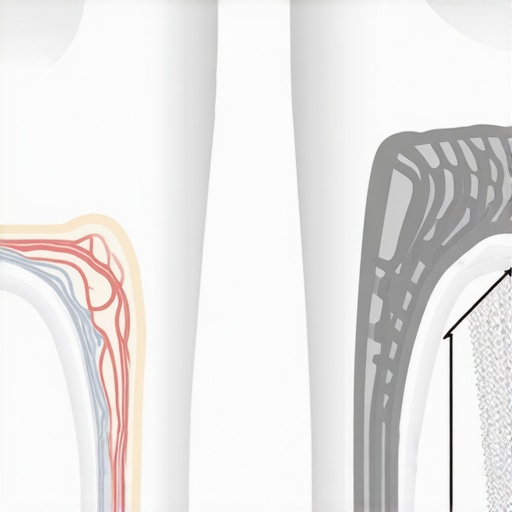
Ditch the High-Acid Strips if Your Enamel is Thin
If your grey is caused by thinning enamel, aggressive whitening is your worst enemy. I learned this the hard way during a DIY phase. I bought a high-strength peroxide kit online, thinking I just needed to ‘power through’ the stains. Within twenty minutes, my mouth felt like it was on fire. If you’ve ever experienced why your gums are peeling after using a new brand of whitening strips, you know the panic. It didn’t make my teeth whiter; it just made my gums raw and my teeth even more sensitive to cold air. For thin enamel, you need a different approach. Look into the best way to whiten your teeth if you have naturally thin enamel, which usually involves lower concentrations of carbamide peroxide and desensitizing agents like potassium nitrate.
Mask the Grey with High-Precision Porcelain
Sometimes, the grey is so deep—maybe from tetracycline antibiotics you took as a kid—that no amount of chemical bleaching will touch it. In my case, for two of my darkest teeth, we chose to ‘hide’ the problem. This isn’t cheating; it’s smart restoration. Modern dentistry allows for incredibly thin layers of porcelain that block out the grey while letting natural light reflect off the surface. The key is the artistry. You want a pro who knows how we match the exact texture of your natural teeth with a porcelain veneer so it doesn’t look like a bright white ‘chiclet’ sitting next to your natural teeth. This process involves removing a microscopic layer of enamel—often less than the thickness of a contact lens—and bonding a custom-crafted shield over the front.
Maintain the Foundation with Regular Care
While we focus on the color, we can’t ignore the health of the structure. If you are also using aligners, you have to be extra careful about hygiene to prevent new shadows from forming. Following invisalign maintenance expert tips for clear confident smiles ensures that plaque doesn’t build up and create ‘extrinsic’ grey stains on top of your ‘intrinsic’ ones. It’s about a multi-layered defense system: professional cleaning, the right whitening chemistry, and structural masking when necessary.You might think that the solution to any tooth discoloration is simply ‘more’—more brushing, more whitening, or more aggressive cleanings. But when it comes to a grey or metallic tint, this ‘more’ is often what causes the most damage. I used to believe that my dental hygienist was being overly cautious, but I eventually learned that [teeth cleaning myths debunked by top dentists](https://smilezdentist.com/teeth-cleaning-myths-debunked-by-top-dentists) often center around the idea that abrasive scrubbing equals health. In reality, if your teeth have that internal grey hue, aggressive physical cleaning can actually strip away the very enamel you need to mask the darkness. We have to shift our mindset from ‘cleaning off a stain’ to ‘preserving a structure.’
Forget the ‘More is Better’ Cleaning Mantra
Most people assume a professional cleaning is a standard power-wash, but for those of us with complex discoloration, it’s about precision. I’ve found that [modern teeth cleaning innovations that reduce sensitivity and boost results](https://smilezdentist.com/modern-teeth-cleaning-innovations-that-reduce-sensitivity-and-boost-results) are far more effective than the old-school scraping methods. These newer techniques focus on biofilm management without compromising the enamel’s integrity. If you push too hard, you’re just making the tooth thinner and the grey even more visible. It’s a counterintuitive trap: the harder you try to clean it, the worse it looks.
Stop Trying to Bleach Your Way Through Thin Enamel
This is the biggest ‘oops’ factor I see in the community. We get desperate and reach for the highest concentration of peroxide we can find. But here is the nuance: high-strength whiteners can cause ‘over-whitening’ or ‘dehydration,’ which leads to a phenomenon where [why your teeth look blue in certain lighting](https://smilezdentist.com/why-your-teeth-look-blue-in-certain-lighting) becomes your new reality. You aren’t actually removing the grey; you are making the enamel so porous and translucent that the dark interior of your mouth and the shadows of your tooth structure show right through. It creates a ‘cold’ smile rather than a bright one. According to research published by the American Dental Association (ADA), specifically regarding tetracycline-stained teeth, traditional bleaching has a very low success rate for deep grey tints and can often lead to permanent sensitivity if overused. 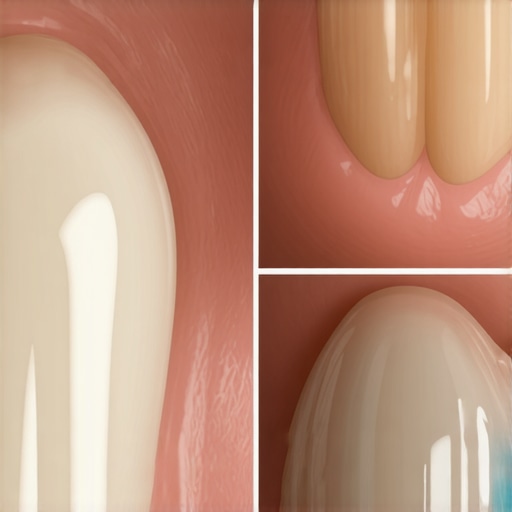
What if the grey is actually coming from your old fillings?
Have you ever looked closely at a grey tooth and realized the darkness is concentrated around the edges of an old silver filling? This is a common advanced mistake—treating a chemical ‘leach’ like a lifestyle stain. Amalgam fillings can occasionally cause the surrounding tooth structure to take on a greyish, ‘tattooed’ appearance over time. In these cases, no amount of whitening will help; you actually need to discuss [cosmetic dentistry myths debunked what you really need to know](https://smilezdentist.com/cosmetic-dentistry-myths-debunked-what-you-really-need-to-know) with a pro who understands how to replace those old materials with modern composites. Have you ever fallen into this trap of over-whitening only to see your teeth look ‘colder’ or more transparent? Let me know in the comments. We need to stop guessing and start looking at the chemistry. If you’re ready to move past the surface-level fixes, [the ultimate guide to teeth whitening and cosmetic enhancements](https://smilezdentist.com/the-ultimate-guide-to-teeth-whitening-and-cosmetic-enhancements) can help you identify if you’re dealing with a structural issue or a simple pigment problem. Let’s get your smile looking warm and vibrant again, the right way.Once you’ve addressed the source of the shadow, the real work begins: protecting that investment. I used to think a quick brush was enough, but maintaining your teeth cleaning routine for long term health requires a bit more strategy if you’re fighting transparency or intrinsic greying. I’ve realized that the most important tool in my kit isn’t a whitener—it’s a pH-balancing rinse. If your mouth stays acidic from that morning coffee or a mid-day snack, your enamel never gets a chance to remineralize, making that grey dentin underneath even more obvious.
Give your enamel a fighting chance with pH balancing
I personally use a rinse that contains sodium bicarbonate and xylitol immediately after I eat anything acidic. This isn’t just about fresh breath; it’s about chemically stopping the erosion process in its tracks. If you are currently wearing aligners, this is non-negotiable. Following invisalign maintenance expert tips for clear confident smiles means you aren’t just cleaning the plastic; you’re ensuring that your saliva can do its job and protect your teeth from the acid bath effect that happens when trays trap sugar against your enamel.
The high-tech tools I actually use every day
I’ve stopped using manual brushes entirely. I’ve switched to an ultrasonic brush that uses over 60,000 movements per minute. Why? Because the fluid dynamics created by that speed help clean areas between teeth that I physically can’t reach. This is one of those modern teeth cleaning innovations that reduce sensitivity and boost results that actually lived up to the hype for me. It’s about micro-bubbles, not just scrubbing. Also, I’ve integrated a nano-hydroxyapatite (nHAp) toothpaste into my night routine. According to a 2023 study published in the Journal of Clinical Dentistry, a 10% concentration of nHAp was found to be just as effective as fluoride for remineralization while being significantly better at filling in the microscopic potholes in your enamel that cause sensitivity and transparency. 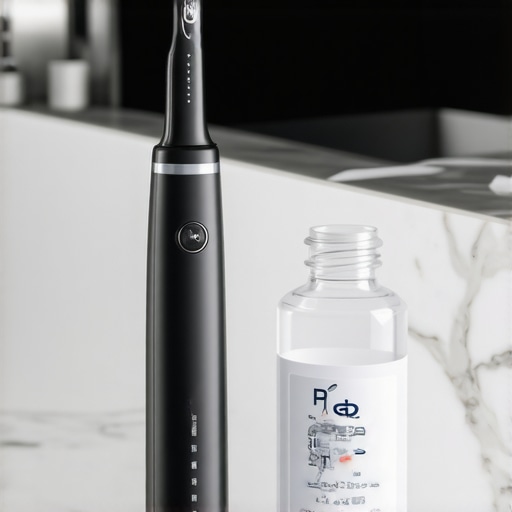
How do I keep my smile bright for years to come?
Maintenance is a marathon, not a sprint. You have to move away from rescue dentistry and into proactive habits. This means scheduling your teeth cleaning secrets how regular care boosts oral health at any age appointments every four months instead of six if you have naturally thin enamel. It also means being honest about your lifestyle. If you can’t give up your morning brew, check out the coffee lovers secret to preventing deep enamel stains and start using a glass straw to bypass the front of your teeth entirely.
Where the technology is headed next
We are entering a really exciting era where cosmetic dentistry trends that transform smiles today are moving toward true bio-regeneration. Soon, we won’t just be masking grey teeth with porcelain veneers; we’ll be using peptide-based gels that actually encourage the body to regrow enamel layers. I predict that within the next few years, we will see at-home kits that use AI to scan your teeth for early demineralization before the grey shadows even show up. For now, focus on the tools we have. My big challenge for you this week: ditch the abrasive charcoal and pick up a nano-hydroxyapatite toothpaste. It’s the single biggest change I made that actually improved the warmth and density of my smile.
The Uncomfortable Truth About Treating Internal Tooth Stains
Reflecting on my own journey, the biggest shift came when I stopped treating my teeth like a dirty floor that just needed a harder scrub. Grey teeth are not about surface cleanliness; they are a structural challenge. If I could go back, I would tell myself that forcing a chemical change on thin enamel is like trying to paint a window—it just makes things look messy. When you look at cosmetic dentistry trends that transform smiles beyond expectations, you see that the goal is no longer just ‘white’ but ‘vitality.’ Modern techniques focus on adding density and light-reflection rather than just stripping away pigment. Also, remember that sensitivity is a warning light. If your current routine hurts, you are likely eroding the very armor that keeps your teeth from looking grey. Transitioning to teeth cleaning for sensitive teeth what works best in 2025 is often the necessary first step before any cosmetic work can succeed.
What Actually Belongs in Your Bathroom Cabinet Now
After years of trial and error, my ‘grey-management’ kit has become very specific. I’ve ditched the generic drug-store strips for a more refined approach. First, you need a nano-hydroxyapatite toothpaste to help ‘fill in’ the microscopic transparency that makes teeth look metallic. Second, a pH-balancing mouthwash is essential to prevent acid from thinning your enamel further. Finally, you need a professional who understands the nuance of internal staining. When you are learning how to choose a dentist for your invisalign transformation or any major dental overhaul, look for a practitioner who talks about enamel thickness and light reflection, not just peroxide percentages. These tools are about long-term preservation, ensuring your smile doesn’t just look good today, but stays strong for decades.
#IMAGE_PLACEHOLDER_E#
Don’t Settle for a Smile That Doesn’t Feel Like You
Your smile is the most personal thing you wear every day. If you’ve been hiding your laugh because of a greyish tint or a metallic shadow, please know that you don’t have to just ‘live with it.’ Whether you are considering veneers or looking into the ultimate guide to invisalign for adults in 2025 to fix crowding that causes shadows, the options have never been more effective. Modern cosmetic dentistry is about restoring your warmth and confidence. It’s time to move past the frustration of DIY fixes and start a strategy that actually works for your unique tooth chemistry. You deserve a smile that reflects how you feel on the inside—bright, healthy, and vibrant. Have you ever tried a whitening product that made your grey teeth look even more ‘see-through’? Let me know in the comments so we can help each other avoid the same mistakes.