
The first time I noticed that weird, slightly sour taste coming from the back of my mouth, I just assumed I hadn’t been thorough enough during my daily cleaning routine. I brushed again, flossed harder, and went about my day. But then, a week later, I bit into a piece of sourdough bread and felt it—a tiny, microscopic squish. It wasn’t pain, exactly. It was more like my dental bridge was “breathing” or shifting just a fraction of a millimeter. It is a visceral, unsettling feeling that makes your stomach drop. I convinced myself it was fine, which was my first big mistake. If you’ve ever felt that subtle movement or noticed a phantom smell that won’t go away, you’re not crazy, and you definitely shouldn’t wait. Today, I want to walk you through the real-world signs that your dental bridge is losing its seal, so you don’t end up needing a full replacement or worse, dealing with a hidden cavity underneath. We’re going to dive deep into the sensory red flags that most people ignore until it is too late.
Don’t Ignore That Strange Squish When You Bite Down
For the longest time, I thought a dental bridge was basically permanent. I figured once the dentist cemented it in place, it was there until the end of time. Boy, was I wrong. Over time, the cement can wash out or the supporting teeth can slightly shift due to age or grinding. When that seal breaks, it creates a microscopic playground for bacteria. According to the American Dental Association, the average lifespan of a bridge is 5 to 15 years, but that assumes the seal stays intact and the surrounding gum tissue remains healthy. If you start hearing a whistling sound when you talk or feel a bit of “give” when you chew, that’s your bridge literally crying for help. It’s not just about the bridge itself; it’s about the health of the “anchor” teeth that hold everything together. When I ignored my own shifting bridge, the saliva and sugar started seeping into the gap, causing a slow-motion disaster. It’s like having a leaky roof; you don’t wait for the ceiling to fall in before you call a roofer. Similarly, you shouldn’t wait for the bridge to fall out before you check the seal.
Is it really worth the hassle to get a checkup?
I get it. Life is busy, and sitting in the chair for teeth cleaning or a bridge inspection isn’t exactly how anyone wants to spend their Tuesday morning. But here’s the truth: once that seal is gone, food particles get trapped in a dark, warm environment—the perfect recipe for rapid decay. In my case, I waited so long that the tooth underneath started to rot, and I almost lost the entire structure. I could have saved a lot of money and stress if I’d just addressed the odd sensation of something being stuck early on. Have you ever noticed a weird taste or a slight wiggle in your dental work? If you have, tell me—did you wait, or did you call your dentist right away? Many people fear that resealing means a whole new bridge, but often, it’s a simple fix if caught early. Waiting can turn a $200 reseal into a $3,000 replacement. Beyond the cost, the comfort of knowing your smile is secure is priceless. In the next section, I’ll show you the simple physical tests you can do at home to see if your bridge is compromised.
Run Your Own 5-Minute Bridge Audit at Home
To keep your smile intact, you need to act like a detective. You don’t need a medical degree to spot a failing seal; you just need to know what to look for before the structural damage becomes irreversible. Think of your dental bridge like a pier over water. If the pilings—your anchor teeth—start to rot, the whole bridge collapses. While how regular teeth cleaning can prevent major dental issues is a cornerstone of prevention, once a seal is breached, you need specific maneuvers to identify the gap.
Test for Movement with the Fingertip Pressure Trick
The most effective way to check for a loose bridge is to apply gentle, alternating pressure. I remember sitting at my kitchen table, using my index finger to press on the ‘pontic’ (the fake tooth in the middle) and then on the crowns at either end. If you feel even a microscopic shift, the cement bond has failed. It’s exactly like a loose floorboard that only squeaks when you step on a specific corner. If you notice this, your dentist needs to evaluate if the bridge can be recemented or if the anchor teeth have been compromised.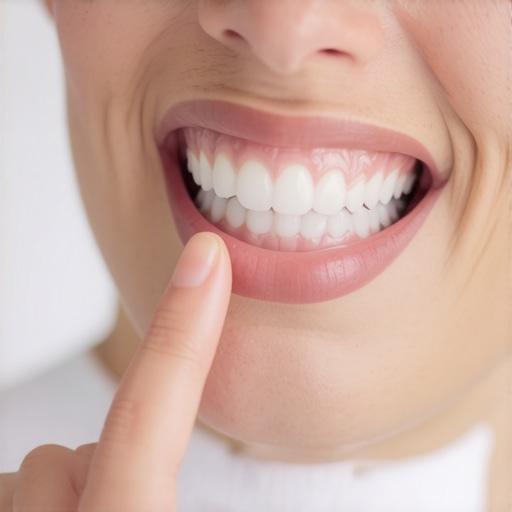
Check the Air Seal with a Gentle Suction Test
This is a weird one, but it works. Close your mouth and try to draw air or saliva specifically through the area around the bridge. When a seal is tight, it should be vacuum-sealed. If you feel a ‘cool’ sensation on the gums or hear a faint noise, you’ve got a leak. This often leads to that annoying whistling sound when wearing a dental bridge that many people mistake for a speech impediment. In my case, I ignored a tiny hiss for three months, only to find out later that every time I sipped coffee, I was essentially marinating my anchor tooth in sugar and acid.
Identify Underlying Decay with Temperature Sensitivity
If you suddenly find yourself wincing at a glass of ice water, it’s a massive red flag. A properly sealed bridge acts as an insulator for the reshaped teeth underneath. When the seal breaks, those sensitive roots are exposed. You can actually perform the cold water test for identifying a hidden cavity at home by directing a small sip of cold water toward the base of the bridge. If you feel a sharp, zingy pain that lingers, the seal is no longer protecting the tooth. I once tried this after a week of ‘ignoring the squish,’ and the pain was so sharp I nearly dropped my glass. It was the wake-up call I needed to realize that my daily cleaning routine couldn’t fix a mechanical failure.
Use the Tapping Method to Listen for Hollow Sounds
Similar to how a contractor taps on a wall to find a stud, you can use a clean, blunt object like the back of a toothbrush to gently tap the crowns of the bridge. A healthy, well-attached bridge will produce a solid, dull thud. A compromised bridge often produces a higher-pitched, ‘hollow’ ‘clack.’ This is similar to the tapping test for a loose dental implant, where sound density tells you everything you need to know about the bond beneath the surface. If the sound varies from one side of the bridge to the other, the seal is likely uneven or failing on the ‘lighter’ sounding side.Most patients treat cosmetic dentistry and oral health as two separate categories, but that is a dangerous misunderstanding. While many people search for teeth whitening and cosmetic enhancements to boost their confidence, they often overlook that the foundation of those enhancements—the seal—is what keeps the tooth alive. In my experience, a ‘perfect’ smile that ignores biomechanics is a ticking time bomb. This is why choosing the right dentist involves more than just looking at a portfolio of pretty pictures; you need a professional who understands how the forces of your bite interact with the restoration material.
Beauty is Never Just Skin Deep
There is a common belief that cosmetic work is purely for ‘the look,’ but the reality is far more complex. A bridge or crown that looks incredible but has a marginal gap of even a few microns is a failure. Many people fall into the trap of thinking their daily cleaning routine is enough to compensate for a poor fit. It isn’t. According to a 2019 clinical review in the International Journal of Prosthodontics, biological factors—specifically recurrent decay—account for the vast majority of long-term bridge failures. This happens because the ‘seal’ we’ve been discussing isn’t just about keeping the bridge on; it’s about keeping the bacteria out of the dentin. If that barrier is breached, you aren’t just looking at a loose bridge; you are looking at the potential loss of the anchor teeth entirely.
Stop Chasing Shades While Your Roots Suffer
One of the biggest ‘oops’ factors I see involves patients over-whitening their teeth to hide deeper issues. For example, if you notice your teeth look yellow near the gumline, it might not be a stain that needs scrubbing. It could be that your enamel is thinning or your gums are receding, exposing the naturally yellowish dentin. When you apply harsh chemicals in this state, you aren’t just cleaning; you’re inviting sensitivity. I’ve seen cases where whitening gel is making your gums turn white from chemical irritation, which can mask the early redness of a localized infection around a bridge.  This obsession with color often leads people to ignore the physical ‘squish’ or ‘wiggle’ because the tooth still ‘looks’ white in the mirror. You have to understand the truth about whitening strips and how they affect sensitive roots before you start a DIY treatment on a mouth that has complex dental work like bridges or implants.
Does your dentist prioritize the seal or just the shade?
An expert clinician will spend more time checking the margins of your bridge than they do choosing the porcelain shade. Advanced dentistry now utilizes tools like modern teeth cleaning innovations and digital scans to ensure that the interface between your natural tooth and the bridge is airtight. If you only ever talk about how ‘bright’ your smile is during your checkup, you might be missing the signs of structural fatigue. Have you ever fallen into this trap of prioritizing looks over the ‘feel’ of your dental work? Let me know in the comments. In the final part of this series, we will look at exactly how to talk to your dentist to ensure your bridge lasts decades, not just years.
Ditch the Standard Floss and Grab These Pro Tools Instead
Once I realized my bridge wasn’t invincible, I completely overhauled my toolkit. Standard string floss is a nightmare for bridges; it shreds, gets stuck, and rarely cleans the underside of the ‘pontic’ effectively. I switched to a high-quality water flosser on a medium-low setting. If you’ve struggled with this, you should learn how to stop your gums from bleeding when you use a water flosser because the key is the 90-degree angle, not the brute force. I also swear by interproximal brushes—those tiny, specialized ‘Christmas tree’ brushes. I personally use a 0.5mm size because my bridge gap is tight, and forcing a larger one can cause tissue trauma. They reach the hidden nooks where biofilm loves to consolidate and harden into tartar. According to a meta-analysis in the Journal of Clinical Periodontology, interdental brushes are significantly more effective at removing plaque than flossing in the majority of adult patients with complex restorative work.
How do I keep my dental work from failing in five years?
Long-term success is about managing the micro-environment around the porcelain and the gum line. Think of it like Invisalign maintenance—you wouldn’t let bacteria sit on your trays, so don’t let it sit under your bridge. I recommend using a high-fluoride rinse at night to remineralize the anchor teeth roots that are tucked under the crowns. This creates a chemical shield against the acids that cause secondary decay. Scaling your oral care means moving from basic ‘cleaning’ to ‘preventative engineering.’ When you look at maintaining your teeth cleaning routine, you have to treat the bridge as a separate entity from your natural teeth. I also use a small dental mirror once a week to inspect the gum line for ‘shadowing.’ If you see a dark line where the bridge meets the gum, the seal is likely failing or your gums are receding. Addressing this early is the difference between a simple repair and a full extraction. #IMAGE_PLACE_HOLDER_D#
Why Your Next Bridge Might Be Monitored by Your Smartphone
The world of modern teeth cleaning innovations is moving fast, and the future of restorative care is digital. I predict that within the next decade, we will see ‘smart-bridges’ embedded with micro-sensors that track pH changes and bacterial load in real-time. Instead of wondering if your bridge is loose, you’ll get a push notification on your phone saying, ‘Seal integrity compromised at Anchor Tooth B.’ Until that tech is standard, we must rely on our own senses and regular professional intervention. Don’t wait for your bi-annual visit if you feel any change in your bite or a phantom taste. My best advice? Perform the ‘suction test’ I mentioned earlier before you go to bed tonight. If you feel any cool sensation or hear a tiny hiss, book an appointment with your dentist tomorrow morning. Catching a leak early can save you thousands of dollars and preserve your natural anchor teeth for decades to come.
Hard Lessons from a Bridge That Failed Too Soon
Reflecting on my own dental journey, I realized that many of us treat our restorations like a ‘set it and forget it’ solution. But the truth is, a bridge is a dynamic part of your body. One of the biggest cosmetic dentistry myths debunked is that these pieces are invulnerable to decay; they actually require more vigilance than natural teeth. I also learned that physical stress manifests in the mouth; if you notice your jaw clicks more after a stressful week, you are likely putting micro-pressure on your bridge seal without even knowing it. Finally, I have come to see that ‘minor’ sensitivity is actually a major communication from your nerves. Never let a dentist tell you that a persistent phantom taste is normal—it is the earliest warning sign of a breach.
The Toolkit That Saved My Remaining Teeth
I do not just rely on a standard toothbrush anymore. To keep my dental work intact, I have curated a specific routine that addresses the unique challenges of dental hardware. First, I prioritize modern teeth cleaning innovations like sonic technology that doesn’t rely on aggressive scrubbing. I also insisted that my clinic use digital scans to catch cavities that standard X-rays often miss near the margins of a bridge. #IMAGE_PLACEHOLDER_E# For daily maintenance, I have found that teeth cleaning for sensitive teeth is the best approach because it protects the gum line from recession, which is the leading cause of seal failure. Lastly, I keep a high-quality dental mirror at home to check for any ‘shadowing’ at the margins once a month.
Your Smile Deserves a Strong Foundation
Taking care of a bridge is not about fear; it is about empowerment. When you know what a healthy seal feels like, you can move through your day with total confidence. Whether you are looking into teeth whitening and cosmetic enhancements or just trying to keep your current bridge functional, remember that the structural integrity of your anchor teeth is the real hero of your story. Your dental health is a lifelong investment, and being proactive today ensures a radiant, pain-free smile for years to come. Have you ever felt a ‘squish’ or a strange sensation under your dental work that turned out to be something more? Let me know in the comments below!