
I remember the exact moment I saw it. My daughter was seven, grinning through a mouthful of apple slices, when I noticed her two top front teeth weren’t straight across. They looked like a tiny, serrated steak knife. I immediately spiraled. I thought she’d been chewing on something she shouldn’t have—probably a plastic toy or the edge of the kitchen table—and chipped them both at once. My heart sank. I was ready to call the emergency line, but as it turns out, I was just looking at a perfectly normal part of growing up. If you’ve just seen those little saw-tooth edges on your own child, take a deep breath. You aren’t alone, and your kid hasn’t ruined their smile before it even fully arrived. [image_placeholder_1]
That Panic I Felt When I Saw Those Little Ridges
I made a massive mistake early on as a parent. I assumed that adult teeth should emerge from the gums looking like perfectly polished, flat-edged Chicklets. I was so wrong. Those jagged bumps are actually called mamelons. They are there for a reason, primarily to help the tooth saw its way through the gum tissue during eruption. It’s a bit like a serrated blade being more efficient at cutting than a dull one. I spent three nights worrying about dental bonding costs before I learned this. It reminded me of the time I spent hours researching the reason your child’s permanent teeth look yellow compared to baby teeth, thinking something was lacking in her diet. In reality, nature just has its own way of building a smile. According to the American Association of Orthodontists, these ridges are a standard anatomical feature of newly erupted permanent teeth and usually wear down over time through normal biting and chewing. If you are currently in the stage of choosing the right dentist to look at your child’s developing jaw, this is exactly the kind of thing they will tell you to relax about.
Will My Child’s Smile Always Look Like a Mountain Range?
It is the number one fear I hear from other parents at the park. We worry that if we don’t ‘fix’ it now, they’ll have jagged teeth forever. But here is the kicker: mamelons typically disappear on their own. As your child eats and their top and bottom teeth begin to make contact, those little peaks naturally grind down. It’s a slow, painless process of smoothing out the edges through simple daily life. If they don’t wear down, it might actually be a sign that your child’s bite isn’t aligned quite right, which is a different conversation entirely. I remember obsessing over every little detail of her mouth, even wondering how to tell if your toddler’s tooth gap is normal, only to realize that kids’ mouths are constantly in a state of flux. Have you ever looked at your kid’s new teeth and wondered if they’d been secretly moonlighting as a wood-chipper? Tell me I’m not the only one who had a mini-meltdown over this!
Turning Panic into a Dental Game Plan
If you’ve stopped hyperventilating over those jagged edges, it’s time to look at the core steps for managing your child’s developing smile. Think of mamelons like the tread on a brand-new tire; they are designed to be there at the start to help the tooth break through the surface, but they should eventually smooth out as the miles add up. If they aren’t wearing down naturally, it usually means the ‘tires’ aren’t hitting the road correctly. I remember sitting in the waiting room with my daughter, clutching a printout about how regular teeth cleaning can prevent major dental issues, only to realize that the ridges themselves weren’t the primary problem—her bite alignment was the culprit preventing natural wear.
Watch How the Top and Bottom Teeth Meet
The first actionable step is to observe your child while they eat a crunchy apple or a carrot. The natural friction of chewing is what sands those ridges down over several months. If your child’s upper and lower teeth don’t overlap or touch properly during a bite, those ridges stay sharp because they never hit a surface to grind against. This is often the first sign of a malocclusion or an uneven bite. If you notice those ridges are still prominent by age nine or ten, it’s time to ask your provider if things are lining up. It’s a lot like checking the alignment on a car; if one side is off, the tread wears unevenly or not at all. 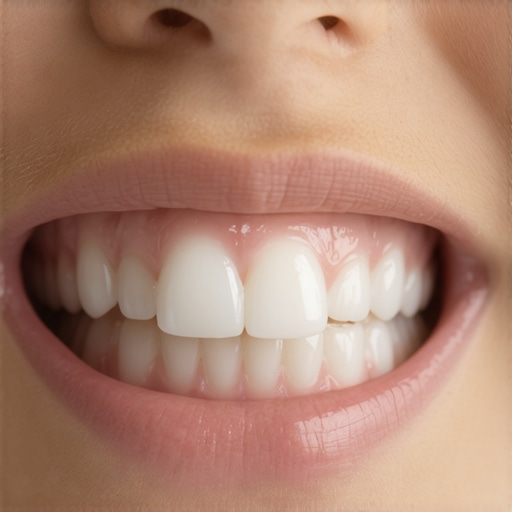
When Nature Needs a Little Help from Technology
If the ridges don’t disappear on their own, or if they are causing your child to feel self-conscious as they enter middle school, you don’t have to just wait and hope. I once had a small chip on my own front tooth that felt like a massive canyon every time my tongue touched it. I almost bought a dangerous DIY filing kit online, but instead, I learned how we use bonding to fix a chipped tooth in under 45 minutes. For kids with persistent mamelons, a dentist can perform a simple procedure called ‘recontouring’—which is essentially a professional manicure for teeth—to smooth those edges if the bite is already healthy and functional.
Beyond the Ridges: Setting Up for a Lifetime of Straight Teeth
Sometimes, those serrated edges stay sharp because the teeth are too crowded to touch or ground down. This is where we move into the realm of modern alignment. When I was a kid, the only option was a mouth full of metal brackets, but the technology has shifted significantly. You might find yourself comparing Invisalign vs. traditional braces which is smarter for your lifestyle as your child hits their pre-teen years. If you go the clear aligner route to fix the bite that is keeping those mamelons intact, remember that Invisalign maintenance expert tips for clear confident smiles are crucial for keeping the treatment on track.
Stick to a Routine That Actually Works
No matter how straight or smooth the teeth are, they won’t stay healthy without a solid foundation. You have to be proactive about maintaining your teeth cleaning routine for long term health. I used to think a quick thirty-second scrub was enough for my daughter until I saw a tiny bit of plaque build-up hiding in the valleys of those very ridges I was so worried about. Those little grooves in mamelons can actually trap food particles more easily than a flat, worn tooth, so extra attention during brushing is a non-negotiable step for newly erupted adult teeth.
While those little ridges on your child’s teeth are a normal phase, as adults, we often get caught up in the pursuit of a flawless, ‘Hollywood’ smile. But let’s dig deeper into what a ‘perfect’ smile actually means. There is a common belief that the whiter and straighter the teeth, the better the result. In my experience, and according to many top specialists, aiming for a monochromatic, ‘paper-white’ look is actually a major cosmetic mistake. True expertise in this field isn’t about uniformity; it’s about character. If your dentist doesn’t discuss how we match the texture of a crown to your existing teeth, you might end up with a smile that looks artificial and flat. Natural teeth have micro-morphology—tiny grooves and varying levels of translucency—that catch the light. When these are ignored, the teeth look like plastic ‘Chicklets’ rather than a part of your face.
The Trap of Thinking White Means Healthy
One of the biggest ‘oops’ factors I see is the obsession with aggressive whitening. Many people fall into the trap of using high-concentration gels without addressing underlying issues first. This can lead to permanent sensitivity or, worse, uneven results if you have existing dental work. In reality, cosmetic dentistry myths debunked what you really need to know often reveal that a slightly warmer, more natural shade actually makes you look younger and more vibrant than a blindingly white one. A study published in the Journal of Esthetic and Restorative Dentistry emphasizes that patient satisfaction is significantly higher when restorations mimic the natural ‘incisal translucency’ of real teeth. This is why pros spend so much time on how we match porcelain veneers to your specific complexion to ensure the smile complements your skin tone rather than clashing with it.
Why do your teeth feel ‘sharp’ or spaced out after a professional cleaning?
I’ve heard so many people say they think the dental hygienist ‘scraped away’ their enamel because their teeth feel thin or sharp after an appointment. This is the ultimate ‘hidden nuance’ of oral health. That sharpness isn’t a loss of tooth structure; it’s actually the feeling of your true tooth shape finally being revealed after months of tartar buildup. Understanding the specific reason your teeth feel sharp after a professional cleaning is crucial for your peace of mind. That ‘smooth’ feeling you had before the appointment? That was likely just a blanket of hardened plaque (calculus) filling in the natural gaps between your teeth. When that’s removed, your tongue suddenly notices the architectural edges of your teeth again. If you’ve been avoiding the dentist because you dislike this sensation, you’re actually allowing bacteria to hide in those ‘smooth’ areas, leading to long-term gum recession.
As we navigate the world of modern dental care, from teeth cleaning myths debunked by top dentists to advanced orthodontic shifts, remember that the goal is a healthy, functional mouth first. Have you ever fallen into the trap of wanting ‘perfect’ teeth only to realize that ‘natural’ looks so much better? Let me know in the comments!
Once you’ve achieved that natural balance, the real work begins: keeping it. I used to think a manual brush and some minty string were enough, but then I realized I was scrubbing my gums into oblivion while missing the spots that actually mattered. If you want to keep those results, you need tools that are smarter than you are. I personally switched to an electric toothbrush with a built-in pressure sensor because it’s the only way to stop the ‘over-brushing’ that leads to recession. If you’ve ever wondered why your gums bleed only when you use your electric toothbrush, it’s often because the tech is highlighting your bad habits, not causing them. Use a brush that pulses or vibrates at a high frequency; it does the work for you so you don’t have to ‘scrub’ your way to sensitivity.
My High-Tech Solution for Cleaning Between Teeth
The real game-changer for me was the water flosser. Especially if you have a permanent retainer or are finishing an Invisalign journey, string flossing is a nightmare. I use a high-pressure water pulse to get into the gaps that a brush simply cannot reach. It’s the most effective way to learn how to remove stubborn spinach stuck in your permanent retainer without poking a hole in your gums. According to Dr. Nigel Carter of the Oral Health Foundation, electric toothbrushes can reduce plaque by up to 21% more than manual brushing over a three-month period. This isn’t just about convenience; it’s about the technical precision required to keep a cosmetic investment from fading. 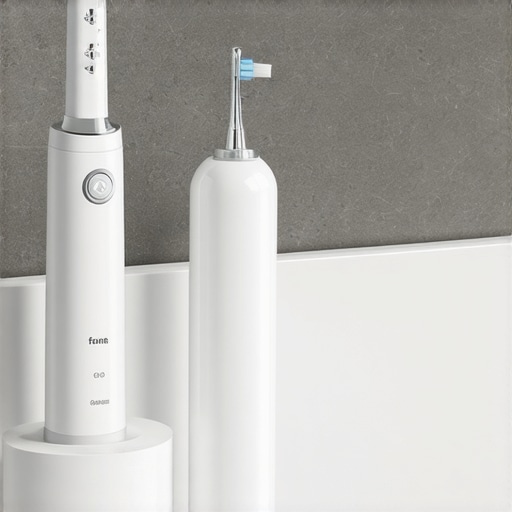
How do I maintain a professional-grade smile over time?
Maintenance isn’t just about what you do in your bathroom; it’s about the schedule you keep with your provider. I’ve found that maintaining your teeth cleaning routine for long term health requires a two-pronged approach: the daily ‘micro-habits’ and the quarterly ‘deep-dive’ with a pro. If you are wearing aligners, you must prioritize hygiene above all else. Learning how to stop your invisalign trays from smelling like old saliva is a great first step, but the goal is to prevent bacteria from sitting against your enamel for 22 hours a day. I recommend using specialized cleaning crystals or an ultrasonic cleaner for your trays while you eat dinner to ensure they stay as fresh as your breath.
Your Smartphone Will Soon Be Your Dental Hygienist
The trend I’m seeing—and it’s a big one—is the shift toward AI-driven dental monitoring. We are moving toward a world where we’ll use our smartphones to take high-resolution scans of our teeth at home, which then get sent to our dentists for real-time feedback. This means fewer office visits and catching issues like minor enamel wear before they require a crown. In the meantime, lean into modern teeth cleaning innovations that reduce sensitivity and boost results by choosing high-tech tools today. My advanced tip for you: switch to a high-quality water flosser for just one week and pay attention to your gum health during your next checkup. You’ll be surprised at how much less ‘scraping’ your hygienist has to do when you have the right gear at home. Check out teeth cleaning secrets how regular care boosts oral health at any age to see how these small equipment upgrades pay off in the long run.
Why I Stopped Chasing a Perfectly Flat Smile
I used to think that the goal of every dental visit was to come out with perfectly flat, glowing-white teeth. I was wrong. The biggest lightbulb moment for me was realizing that character is what makes a smile beautiful. If you spend all your time trying to erase the natural ridges or texture of your teeth, you end up with a smile that looks artificial. I’ve learned that finding a dentist who gets your smile tips from top cosmetic pros is more important than finding a quick fix. Another lesson? Don’t fear the sharp feeling after a cleaning. It’s actually the sound of your teeth being able to breathe again! Lastly, consistency beats intensity; a frantic scrub once a week doesn’t compare to teeth cleaning tips for a brighter smile this spring that emphasize gentle, daily maintenance.
Tools That Keep My Results Looking Professional
Maintaining results doesn’t have to be a full-time job if you have the right gear. I trust these specific tools because they take the guesswork out of oral hygiene. Using a high-quality water flosser is my top recommendation, especially if you have sensitive areas. You can find more on teeth cleaning for sensitive teeth what works best in 2025 to see which models are winning this year. I’m also a huge advocate for how we use digital scans to catch cavities that x-rays might miss, which allows for much earlier intervention than traditional methods. #IMAGE_PLACEHOLDER_E#
Start Loving the Smile You Have Today
Whether you are staring at your child’s new, jagged teeth or considering your own smile transformation, remember that dental health is a marathon, not a sprint. Don’t be afraid to ask the ‘silly’ questions or push for a more natural look. Your smile is the most unique thing you own—protect it by maintaining your teeth cleaning routine for long term health and don’t forget to use it often. Have you ever had a moment where you panicked over a dental ‘flaw’ only to find out it was actually a sign of healthy growth? Let me know in the comments below!