
I remember the sound more than the pain. It was a stray elbow during a Saturday morning pickup basketball game—a dull thud followed by that unmistakable metallic taste of salt and blood. I reached up to my mouth, and my heart absolutely sank. My front tooth didn’t just ache; it moved. It felt like a tiny, terrifying pendulum under my lip. Panic is a strange thing. Your brain immediately skips the basic first aid and goes straight to the high cost of implants. I spent the next twenty minutes staring in the locker room mirror, convinced my smile was ruined forever. I’ve been in that exact spot, and I know the racing thoughts that come with it. Today, I want to share how I managed to save my tooth and what you need to do right now to keep yours in your head.
That Heart-Stopping Moment When Your Tooth Starts Moving
I’ll be honest: my first instinct was the worst one possible. I kept wiggling the tooth with my tongue to see ‘how loose’ it actually was. Every time it moved, I felt a fresh jolt of anxiety. If you are currently in this position, please, stop touching it. If you’re looking for immediate steps on how to stop a loose tooth from falling out before your dental visit, the golden rule is absolute stillness. A loose tooth is often still attached by the periodontal ligaments, and every time you ‘test’ it, you are snapping those tiny, healing fibers. When I had my accident, I didn’t realize that the mouth is incredibly good at healing if you just give it a chance. Whether it’s a sports mishap or a trip on the sidewalk, treating the area with extreme gentleness is the difference between a simple fix and a permanent gap. We often see similar panic when parents are trying to figure out what to do if your child knocks out a permanent front tooth, and the advice remains the same: time and stability are your best friends.
Will my smile ever go back to normal?
It’s natural to be skeptical. You might think that once a tooth is loosened by force, the root is ‘dead’ or the bone is too damaged to hold it. I certainly did. I thought I was headed straight for a bridge or a denture at age 28. However, unless the tooth is completely fractured, your dentist can often splint the loose tooth to its healthy neighbors, allowing the bone to re-integrate around the root. It’s not just wishful thinking; it’s biology. Have you ever dealt with a dental scare like this after a game or a fall? I’d love to hear how you kept your cool—or if you panicked as much as I did!
The Hard Lessons I Learned About Dental Trauma
One of the biggest mistakes I made was waiting until Monday morning because it happened on a Saturday. I thought if it didn’t hurt ‘that much,’ it wasn’t a true emergency. I was wrong. According to the American Association of Endodontists, the first 30 to 60 minutes after a dental injury are the most critical for long-term survival of the tooth. By waiting, I nearly lost the window where finding the right expert could make the easiest transition back to health. You need to treat a loose tooth with the same urgency as a broken bone. Even if the tooth looks fine, internal damage or ‘resorption’ can happen months later if it isn’t stabilized immediately. Modern cosmetic dentistry trends that transform smiles today can fix almost anything, but nothing beats the strength and feel of your own natural tooth. That realization was my lightbulb moment: I needed to stop DIY-ing my recovery and get professional eyes on the problem before the damage became permanent.
Stop Doing These Three Things Immediately
Think of your loose tooth like a newly planted sapling in a windstorm. If you keep shaking the trunk to see if the roots are taking hold, you’re actually ensuring the tree dies. In the same way, the first thing you must do is enter a ‘hands-off’ protocol. Do not touch the tooth with your fingers, and more importantly, do not ‘test’ the stability with your tongue. I know it’s a compulsion—it feels like a foreign object in your mouth—but every tiny movement creates micro-trauma to the periodontal ligaments. If the impact also caused a fracture, you need to know how to stop a sharp tooth from cutting your tongue before your appointment to prevent secondary infections. Secondly, avoid any food that requires a ‘tearing’ motion. I once made the mistake of trying to eat a ‘soft’ taco three days after an injury, thinking the tortilla was harmless. One wrong bite and I felt that sickening ‘click’ as the tooth shifted again. Switch to a strictly liquid or very soft food diet immediately. Finally, do not use any over-the-counter numbing gels that contain high concentrations of alcohol or harsh chemicals, as these can irritate the already inflamed gum tissue surrounding the socket.
Treat Your Tooth Like a Wet Paint Sign
The second phase is all about cleanliness without aggression. You want to keep the area free of bacteria, but you cannot use a manual toothbrush on the loose tooth itself. Instead, use a warm salt water rinse. This acts as a natural disinfectant and helps reduce the swelling that is likely pushing the tooth out of its natural alignment. If your injury happened outside of business hours, knowing the best way to handle a chipped front tooth on a sunday evening can help you manage the pain while you wait for the clinic to open. The goal is to keep the site ‘quiet’—no suction, no spitting, and no straws, as the pressure changes can dislodge the blood clots necessary for healing.
What Actually Happens Inside the Dental Chair
When you finally get to the office, the dentist isn’t going to just pull the tooth. Modern techniques are built around preservation. The most common solution is a ‘flexible splint.’ Imagine a tiny, clear orthodontic wire that is bonded to the back of the loose tooth and its two stable neighbors. This isn’t a permanent fixture, but it acts as a cast for your tooth. It holds the injured tooth in the exact right position so the bone and ligaments can reattach. If there is a minor chip involved, the dentist might also explain how we use bonding to fix a chipped tooth in under 45 minutes to restore the aesthetics while the root stabilizes.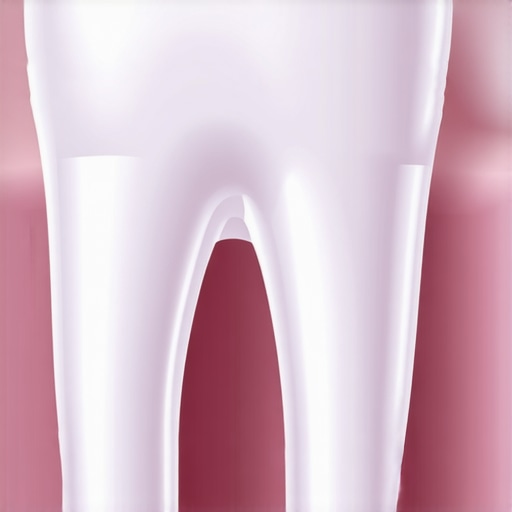
Keep an Eye Out for the Gray Ghost
Even after the tooth is splinted and feels solid, the journey isn’t over. You have to monitor the color of the tooth like a hawk over the next few weeks. If the tooth starts to take on a dark, bruised, or grayish tint, it’s a signal that the internal pulp has lost its blood supply. This is a common occurrence after high-impact trauma, and understanding why your teeth look gray after a traumatic injury even if they dont hurt will help you decide if a root canal is necessary to save the structure of the tooth. My own tooth stayed slightly ‘off-white’ for a month before finally brightening back up, proving that some teeth are just in shock and need time to recover their vitality.
Everyone thinks that once the dentist says ‘you’re good to go,’ the job is finished. But here is the contrarian truth: the most dangerous time for your tooth is actually three months after the initial trauma. We get so focused on the immediate aesthetics—like chasing the secret to a hollywood smile cosmetic dentistry insights—that we forget the slow-moving biology of the root. In my experience, patients often mistake a lack of pain for a lack of problems. Just because the tooth isn’t throbbing doesn’t mean the internal nerve isn’t slowly dying. According to a study published in the Journal of Endodontics, the long-term survival of a traumatized tooth depends more on the vitality of the periodontal ligament (PDL) cells than the initial stabilization itself.
Why a bright white smile might be hiding a dying root
The ‘Oops’ factor often kicks in when people try to rush the recovery process. I see it all the time: someone gets their tooth stabilized, and a week later they are using over-the-counter kits because they want to fix the discoloration immediately. This is a massive trap. Cosmetic dentistry myths debunked will tell you that whitening a traumatized tooth too early can actually trigger internal resorption, where the body starts to ‘eat’ the tooth from the inside out. If you are worried about the shade, we first need to ensure the tooth is healthy enough for the procedure. Have you ever fallen into this trap of prioritizing looks over the health of the root? Let me know in the comments below.
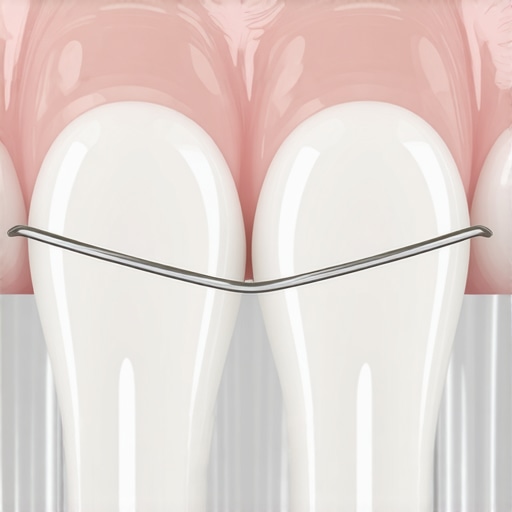
The cleaning mistake that wears down your enamel
Another nuance that most beginners miss is the danger of aggressive hygiene. After a dental scare, people often become hyper-vigilant, scrubbing their teeth with charcoal or baking soda to ensure everything is ‘sterile.’ However, teeth cleaning myths debunked by top dentists prove that abrasive materials can be devastating to a tooth that is already struggling to stay in its socket. You might notice the reason your teeth feel furry only hours after a professional cleaning is simply the natural pellicle layer forming, but scrubbing it away with harsh tools can damage the delicate gum attachment. Stick to a soft-bristled brush and let the professional tools do the heavy lifting at your next check-up.
Does my tooth need a root canal if I can’t feel the ice?
This is the question that separates the casual patient from the expert. Many people perform a DIY ‘vitality test’ by holding an ice cube against the tooth. If they feel nothing, they panic. While it is true that the cold water test is a great diagnostic tool, a traumatized tooth can often go into ‘pulpal shock’ for up to six months. Just because you don’t feel the cold today doesn’t mean the tooth is dead. A sophisticated dentist will use an Electric Pulp Tester (EPT) to check for a response without jumping straight to a root canal. If the tooth eventually needs work, we focus on how we match the texture of a crown to your existing teeth so the repair is completely invisible. The goal is always to move slow and let the body dictate the pace of the restoration.
Scaling your oral health from simple repair to long-term stability requires more than just a standard manual toothbrush. I personally transitioned to a sonic toothbrush with a built-in pressure sensor because I realized I was a chronic heavy brusher, which is a nightmare for healing periodontal ligaments. If you are currently managing clear aligners, you know the daily struggle of keeping them fresh and clear. I have found that using an ultrasonic cleaner—the same type used for fine jewelry—is the only way to truly stop your invisalign trays from smelling like old saliva. According to the International Association of Dental Traumatology (IADT), specific follow-up appointments at the six-month and one-year mark are critical for identifying late-stage complications like internal resorption or pulp necrosis.
Upgrade your toolkit to keep your natural teeth for life
The secret to longevity is consistency in maintaining your teeth cleaning routine for long-term health. If you have a permanent retainer or a dental bridge, you absolutely need a water flosser. I recommend using one with a tapered orthodontic tip because it flushes out debris that traditional string floss simply cannot reach without damaging the gums. It is not just about basic hygiene; it is about preventing the localized inflammation that can make a previously loose tooth feel unstable all over again. I also suggest looking into modern teeth cleaning innovations that reduce sensitivity and boost results, especially if your teeth feel reactive or thin after a traumatic injury.
How do I maintain my dental work over the next decade?
The answer lies in monitoring. Use a high-quality mouth mirror to check the back of your teeth once a week. I predict that by late 2025, we will see a massive shift toward AI-integrated oral cameras that allow you to sync high-resolution photos with your dentist for digital check-ins between physical visits. This tech-heavy approach is already part of why invisalign is the future of clear braces, as it relies on digital-first monitoring. 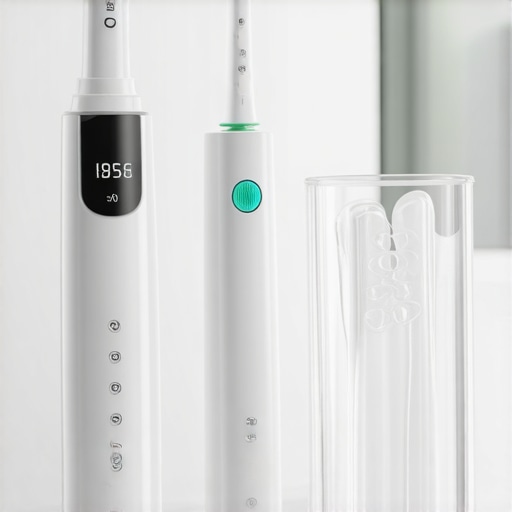
The digital shift coming to your bathroom mirror by 2025
We are entering an era where your bathroom mirror will likely provide feedback on your brushing technique. For now, the best thing you can do is invest in an electric toothbrush with Bluetooth connectivity. It sounds like overkill until you see the heat map of the areas you are missing every single night. If you want to keep your smile looking as good as the day it was fixed, stop relying on manual tools and upgrade to a smart system that holds you accountable. My advice? Go out and buy a high-quality electric toothbrush today and watch how much shorter and easier your next professional cleaning becomes.
The Truth About Dental Trauma That Nobody Discusses in the Waiting Room
Reflecting on my own journey, the biggest ‘lightbulb moment’ wasn’t when the dentist splinted my tooth, but when I realized how much control I had over the outcome. Here are a few hard-won truths I learned the hard way:
- The ‘Silent Period’ is a lie: Just because a tooth stops hurting after a few days doesn’t mean the nerve is safe. I learned that pulp necrosis can be a slow, quiet process that only shows up months later.
- Movement is the enemy of healing: I spent way too much time ‘testing’ the tooth with my tongue. In reality, every millimeter of movement is like picking a scab on a deep wound.
- Perspective changes everything: We often get caught up in cosmetic dentistry myths debunked and worry about the shade of the tooth, but the structural integrity of the periodontal ligament is what actually keeps the tooth in your head.
The Daily Toolkit I Use to Keep My Teeth Rock Solid
If you want to move beyond basic survival and ensure your smile lasts another fifty years, you need to upgrade your home-care arsenal. I’ve personally vetted these three essentials:
First, invest in a sonic toothbrush with a visible pressure sensor. It’s too easy to press too hard when you’re nervous about a tooth, and a sensor acts as a guardrail for your gums. Second, a water flosser is non-negotiable if you have a splint or a bridge. It allows you to practice modern teeth cleaning innovations that reduce sensitivity and boost results without the mechanical tugging of traditional string. Finally, keep a high-quality, alcohol-free fluoride rinse on hand. It helps remineralize the enamel while your tooth is in its vulnerable ‘recovery’ phase.
Your Smile Is More Resilient Than You Think
It is easy to feel defeated when your smile feels unstable, but remember that the body is designed to repair itself if given the right environment. By staying consistent with maintaining your teeth cleaning routine for long-term health and listening to your dental team, you can turn a scary accident into a story of resilience. Whether you are looking for the secret to a hollywood smile cosmetic dentistry insights or just trying to get through the week with your natural teeth intact, patience is your greatest asset. Have you ever experienced a sudden dental emergency on a weekend or during a game? Let me know your story in the comments below!