
I remember the first time it happened. It was a Tuesday, barely 35 degrees out, and I was finally hitting my stride on the local trail. Suddenly, a sharp, electric shock shot through my back molars. I stopped dead in my tracks, clutching my jaw, convinced a crown had popped off or a hidden cavity had finally reached its breaking point. It was terrifying. I am a bit of a dental stickler, yet there I was, sidelined by the air itself.
That First Breath of Winter Air Can Be a Real Pain
For years, I just assumed I had “bad teeth.” I even made the embarrassing mistake of rushing to an emergency appointment only to have my dentist tell me my mouth was perfectly healthy. I felt like a total hypochondriac! But the truth is, the reason your teeth throb after a long run in the cold often boils down to how your enamel reacts to temperature shifts and your specific breathing technique. Today, I am going to show you exactly how to insulate your smile and keep that morning jog pain-free. I promise we will figure out if your discomfort is a sign of a deeper issue or just a side effect of being an active human.
Is this really a dental emergency or just the weather?
It is so easy to spiral into panic when your mouth hurts. You start googling “implants” or “root canals” while your heart is still racing from the run. But according to the American Dental Association, tooth sensitivity—clinically known as dentin hypersensitivity—affects millions when exposed to cold stimuli. It does not always mean you are headed for the drill. Sometimes, it is just the way the cold air causes the fluid in your tooth’s microscopic tubules to move, signaling a sharp pain to the nerve. If you have ever tried the cold water test for identifying a hidden cavity at home, you already know how sensitive those nerves can be even in a controlled environment.
Stop Breathing Through Your Mouth on the Trail
This was the absolute game-changer for me. When we run, we tend to gasp for air as our heart rate climbs. That icy wind hits the teeth directly, causing them to expand and contract ever so slightly. By switching to nose breathing—or at least buffering the air with your tongue against the roof of your mouth—you can save yourself a world of hurt. If you already struggle with thin enamel, looking into teeth cleaning for sensitive teeth can help build up that protective layer you need to face the elements. Have you ever had to cut a workout short because your jaw felt like it was on fire? I would love to hear your story in the comments below; I need to know I am not the only one who has been defeated by a cold breeze! Knowing why your teeth ache when you walk outside in the cold is the first step to reclaiming your winter fitness routine.
Nose-Breathing is Your First Line of Defense
The quickest way to stop that electric shock in your jaw is to change the gateway of your air. Your nose is a built-in heater and humidifier; by the time air reaches your lungs (and passes your teeth), it has been warmed significantly. If you are struggling with a high-intensity sprint where nose-breathing feels like you are sucking air through a straw, try the ‘tongue shield’ method. I found that pressing the tip of my tongue against the back of my top front teeth creates a physical barrier that deflects the cold air toward the roof of my mouth instead of directly hitting the sensitive enamel.
Armor Your Enamel Before You Lace Up
If you have naturally thin enamel, the cold doesn’t just pass over your teeth; it penetrates. You need to start using a desensitizing toothpaste containing potassium nitrate at least two weeks before the winter season hits. Think of it like putting a layer of insulation in the walls of your house. This compound blocks the microscopic pathways to the nerves. If you’ve recently used whitening strips and noticed how they affect sensitive roots, you know that temporary vulnerability is no joke in the wind. To really see a difference, look into modern teeth cleaning innovations that reduce sensitivity and boost results during your next checkup. These professional treatments can apply a much stronger fluoride varnish than what you get over the counter. 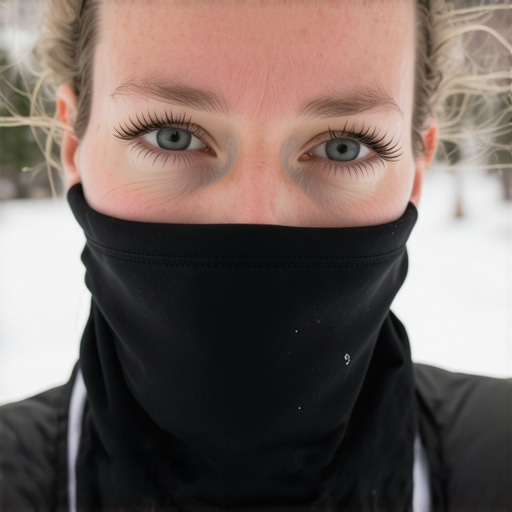
Why Your Scarf is Actually a Medical Device
Don’t underestimate the power of a simple neck gaiter or ‘buff.’ During a particularly brutal 10-mile run last February, I realized that wearing a thin layer of moisture-wicking fabric over my mouth did more for my dental pain than any medication could. It traps a small pocket of warm, exhaled air right in front of your face. This ‘micro-climate’ ensures that every inhale is pre-warmed. If you wear aligners, you might actually have an advantage here. Many runners find that proper Invisalign maintenance includes keeping them in during runs to act as a thermal barrier, though you must be careful not to clench your jaw against the cold.
The Post-Run Warm Up Must Be Gradual
One of the biggest mistakes I made early on was coming home and immediately chugging a mug of steaming hot coffee. That rapid temperature swing—from 30 degrees to 140 degrees—can cause ‘thermal shock,’ which leads to microscopic cracks in your enamel. Wait at least fifteen minutes for your body temperature to stabilize before hitting the hot liquids. If you notice the reason your teeth feel furry only hours after a professional cleaning is due to plaque buildup, remember that this film can also trap bacteria that exacerbate sensitivity. Keep your routine tight, keep the air warm, and you will find that winter training doesn’t have to feel like a trip to the dentist.Everyone tells you that a professional cleaning is just about a brighter smile. I used to think the same. But here is the contrarian truth: for an athlete, teeth cleaning myths debunked by top dentists often miss the fact that our mouths are biological battlegrounds. When we run, our saliva production drops and the pH balance shifts toward acidity. This makes you more prone to plaque accumulation. Understanding how regular teeth cleaning can prevent major dental issues is more about managing that micro-environment than just looking good for photos.
Don’t Panic if Your Teeth Feel Loose
One trap I see people fall into is panicking when they feel their teeth wiggle during orthodontic treatment. If you are a runner using clear aligners, you might notice why your teeth feel loose during your Invisalign treatment more intensely after a long run. The increased blood flow and pressure from your heart rate can make that movement feel exaggerated. It is a common mistake to stop wearing the trays or to start clenching, but consistency is actually what stabilizes the bone.
Why does my mouth taste like metal after a personal best?
This isn’t just runner’s mouth. According to studies published in the Journal of Clinical Periodontology, intense physical exertion can lead to minor gum inflammation that releases heme from red blood cells. It is often the real reason your mouth tastes like pennies after a workout. If you see pink in the sink later, pay attention to why your gums bleed only in the back of your mouth when you floss; it might be localized inflammation aggravated by your training intensity rather than just poor technique. 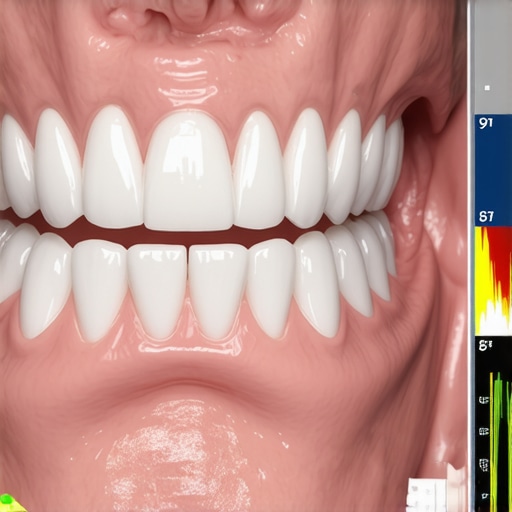
Texture Matters More Than Whiteness
Don’t fall for the perfection trap of cosmetic dentistry. Many people mistakenly think veneers or bonding should feel like perfectly smooth glass. In reality, how we match the exact texture of your natural teeth is the real secret to a high-end result that looks real in sunlight. If you have been looking into cosmetic dentistry myths debunked what you really need to know, you’ll find that ‘flat’ teeth are a dead giveaway for artificial work. Have you ever fallen into the trap of thinking a dental sensation was a catastrophe when it was just a side effect of your lifestyle? Let me know in the comments.
The Gadgets That Earned a Permanent Spot in My Medicine Cabinet
I transitioned from manual brushing to a high-end sonic model three years ago, and I am never looking back. The reason is simple: when we train hard, we often develop a heavy-handed brushing technique due to residual adrenaline. My brush vibrates at a specific frequency that breaks up biofilm without nuking the gums—a necessity for any athlete. If you are currently maintaining your teeth cleaning routine for long-term health, don’t skimp on the hardware. I also added a water flosser to my nightstand. It is the only thing that effectively flushes out the sticky residues from the hydration supplements I use during long runs. I found that traditional floss often shredded between my tighter molars, but a water pulse reaches areas my manual dexterity simply can’t. When you are constantly popping aligners in and out, you need to know that choosing the best Invisalign options for your lifestyle means committing to the maintenance tools that keep them clear. I started using a dedicated ultrasonic cleaner for my trays. Most people use a manual brush, but that creates microscopic scratches where bacteria thrive. If you have ever struggled with how to get the coffee stains out of your Invisalign attachments, you know that preventative care is worth every penny. For those of us who deal with sensitivity, using lukewarm water in the reservoir instead of cold tap water is a complete game-changer.
How do I maintain my dental health while living an active life?
It really comes down to consistency and neutralizing your mouth’s pH levels. A study published in the Journal of Sports Dentistry by Dr. R.G. Smith found that athletes who rinse with a simple alkaline solution immediately after high-intensity training can reduce enamel erosion by significant margins. It is a low-tech hack for a very modern, high-performance problem. This simple habit prevents the ‘furry’ feeling of plaque buildup that often follows a long, dehydrating workout. 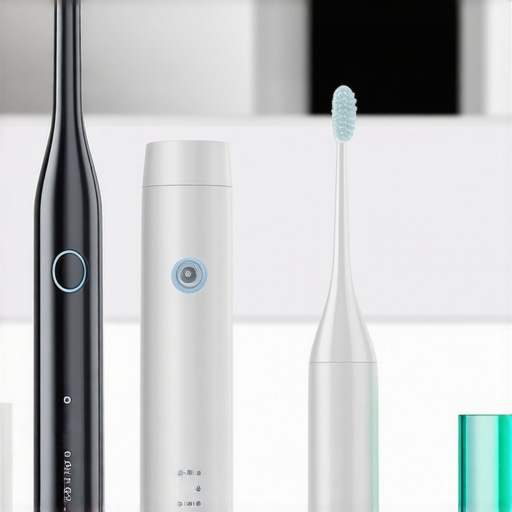
Why Your Next Brush Might Be Smarter Than Your Watch
As I look toward the next few years, I suspect we will see a surge in ‘smart’ enamel technology. We already see how we use digital scans to catch cavities that x-rays might miss, but the next step is likely 3D-printed bio-compatible patches that bond to your teeth at the first sign of wear. You will eventually get Invisalign maintenance expert tips delivered directly to your wearable device via sensors in your trays. We are moving away from reactive ‘drilling and filling’ toward a world of proactive remineralization. My biggest tip for you today? Grab a high-quality water flosser and start using it with lukewarm water tonight—it is the single best investment you can make for your gum health before your next race. It is about building a system that works even when you are too tired to think about it.
Lessons My Jaw Had to Learn the Hard Way
I have spent years figuring this out so you do not have to. First, I realized that the metallic taste we get during sprints isn’t just the taste of hard work—it is often a sign that our gums need more attention during recovery. Second, I learned that rinsing with plain water after using energy chews is more important for your enamel than brushing five times a day. Finally, I understood that teeth cleaning secrets how regular care boosts oral health at any age revolve around managing the acidity of your saliva, especially when you are dehydrated on a long trail run. I used to panic at every twinge, but now I know my mouth’s baseline.
The Kit That Keeps Me Moving When It is Below Zero
I keep my kit simple but high-quality to ensure my training never stops. I use ACT Restoring Mouthwash because it is alcohol-free and doesn’t dry my mouth out further during my morning miles. I also recommend checking out the ultimate guide to invisalign for adults in 2025 if you are training for a race while straightening your teeth; the maintenance tips there are absolute gold for active people. For physical gear, a Buff Original Ecostretch is my favorite way to pre-warm the air before it hits my molars. Also, if you have been working on your aesthetic, keeping up with cosmetic dentistry trends that transform smiles today ensures your results actually last through the harsh winter seasons. #IMAGE_PLACE_HOLDER_E#
Your Winter Training Should Focus on Your Pace, Not Your Pain
Your fitness journey should never be sidelined by a drop in temperature. By maintaining your teeth cleaning routine for long-term health and using the protective hacks we have covered, you can focus on your PRs instead of your sensitivity. We have finally unmasked the reason your teeth throb after a long run in the cold, and now the road is yours to reclaim. If you are worried about past damage, I found that how to stop your invisalign trays from smelling like old saliva was the final piece of the puzzle for my daily comfort. Have you ever had a dental scare during a workout that turned out to be nothing but the weather? I would love to hear how you handled it in the comments below!