
I stood in front of my bathroom mirror, heart pounding, convinced I’d just committed a dental felony. I had finally invested in a high-strength whitening kit to get that movie-star glow, but when I rinsed away the gel, I didn’t see a radiant smile. Instead, my gums looked like they belonged to a ghost—stark white and bloodless against my teeth. I was certain I’d chemically burned my mouth into oblivion. It was a terrifying moment of vanity gone wrong, a classic mistake I made early in my journey toward a better smile. If you are staring at your own reflection right now wondering if you need to call an ambulance, take a deep breath. You aren’t alone, and your gums aren’t actually falling off. Today, we are going to dive into why this happens and how you can avoid the panic (and the discomfort) next time you want to brighten things up.
Your Gums Aren’t Dying and Here is Why
I remember my first real foray into the ultimate guide to teeth whitening and cosmetic enhancements, and let me tell you, I was reckless. I thought more gel meant more white, so I let that high-strength peroxide overflow right onto my gum line. What I didn’t realize is that high concentrations of hydrogen peroxide cause a reaction called blanching. The oxygen bubbles essentially squeeze the blood out of the tiny capillaries in your gingival tissue temporarily. It’s a literal chemical reaction, and while it looks like something out of a horror movie, it is usually just a passing phase of irritation. It’s quite similar to why your mouth feels like it is burning after using whitening strips; your soft tissues are just much more sensitive than your enamel. According to research cited by the American Dental Association, this gingival irritation is the most common side effect of peroxide-based whiteners and typically resolves within 24 hours without permanent damage. Have you ever looked in the mirror after a treatment and seen those weird white spots on your gums? Drop a comment below—I honestly thought I was the only one!
Is high-strength whitener actually safe for your tissue?
Many people worry that this pale appearance means they have stripped away their protective layers forever. I used to be one of those skeptics. I’d read about cosmetic dentistry myths debunked and still felt like I was playing with fire. The truth is, while the blanching is temporary, it is a signal that you are being a bit too aggressive. My big mistake was skipping the protective barrier or using a tray that didn’t fit properly, which is why I now often suggest finding a dentist who gets your smile to ensure you’re using professional-grade products correctly. You want the white on your teeth, not your gums. If you’re seeing this frequently, it might be time to rethink your application method or the strength of the formula you’re using at home. We want a transformation, not a chemical burn that makes eating dinner a chore.
Keep Your Gums Dry and Shielded Before You Start
Before that whitening gel ever touches your enamel, you have to prepare the landscape. Using teeth cleaning secrets-how regular care boosts oral health at any age ensures your teeth are free of the plaque that can trap peroxide against the soft tissue. The biggest pro tip I can give you is to use a physical barrier. I remember a frantic Tuesday when I tried to whiten my teeth in a gym locker room before a big date. I was rushed, didn’t dry my mouth, and the gel slid everywhere. Within minutes, my gums were stinging, and I spent the entire dinner trying to hide a lip that felt like it was vibrating. Now, I always use a cotton swab to apply a thin layer of Vitamin E oil or petroleum jelly along my gum line first. It acts like masking tape for a paint job, ensuring the peroxide stays on the tooth and off the living tissue.
Stop Overloading Your Whitening Trays
Most people treat their whitening trays like they are filling a pastry bag, but more gel does not equal more white. If you see gel oozing out of the top of the tray when you press it against your teeth, you have used way too much. You only need a tiny, pinhead-sized droplet for each tooth. Precision is one of the major cosmetic dentistry trends that transform smiles beyond expectations because it prioritizes oral health over brute-force chemical application. When I finally learned to use less product, my results actually improved because I wasn’t constantly rinsing my mouth out early to stop the burning. 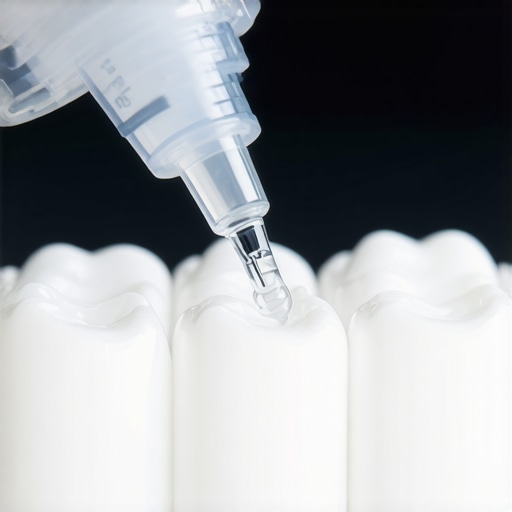
Recover Quickly if You Accidentally Burn Your Gums
If you do look in the mirror and see those ghostly white patches, don’t panic. This reaction is surprisingly similar to why your gums turn white for a few minutes after flossing; it is a temporary vascular response where the blood has been squeezed out of the capillaries. Immediately rinse your mouth with cool water to stop the chemical reaction. Applying a high-quality Vitamin E oil directly to the blanched area can provide instant relief and help the tissue recover its color faster. Avoid acidic drinks like coffee or lemonade for at least six hours afterward to give your sensitive gingival margins time to breathe.
Align Your Timing for Maximum Comfort
The clock is your best friend when it comes to tooth sensitivity and gum health. Finding the best time of day to whiten your teeth for maximum absorption—which is typically right before bed—allows your teeth to rehydrate and your gums to calm down while you sleep. If you are currently undergoing orthodontic work, you might already be sensitive to changes in your mouth. For example, understanding why your teeth feel loose during your invisalign treatment can help you realize that your mouth is already in a state of flux. Don’t layer a high-intensity chemical treatment on top of a day when your teeth already feel tender. Furthermore, if you are still learning how to stop your gums from bleeding during your first week of flossing, wait until your gums are healthy and resilient before starting a whitening regimen, as peroxide on an open wound is a recipe for unnecessary pain.
We need to talk about the ‘scrubbing’ myth that is quietly destroying your progress. Most people think that if their teeth aren’t getting whiter, they just need to brush harder or use more abrasive ‘natural’ pastes like charcoal or baking soda. This is where the real trouble starts. While these might remove some surface grime, they often act like sandpaper on your enamel. When you wear down that outer layer, you expose the yellowish dentin underneath, making your teeth look darker no matter how much peroxide you apply. This is a primary reason why teeth cleaning myths debunked by top dentists often focus on the dangers of over-polishing at home. I once fell into this trap myself, thinking I could ‘scrub’ my way to a Hollywood smile, only to end up with increased sensitivity and a duller finish.
Can you safely whiten teeth with naturally thin enamel?
This is a sophisticated question I get all the time from readers who feel like their teeth are transparent or ‘greyish.’ If you have translucent edges, traditional high-concentration gels might actually make the grey look more pronounced because they don’t change the underlying structure of the tooth. According to a study published in the Journal of Evidence-Based Dental Practice, high-abrasivity pastes can cause irreversible tooth wear (abrasion) that actually makes staining more likely over time. Instead of brute force, the best way to whiten your teeth if you have naturally thin enamel involves using lower-concentration carbamide peroxide over a longer period, allowing the oxygen to penetrate without shocking the pulp. It’s about patience, not power. If you’ve been aggressively scrubbing and seeing zero results, let me know in the comments—I’d love to help you pivot your strategy.
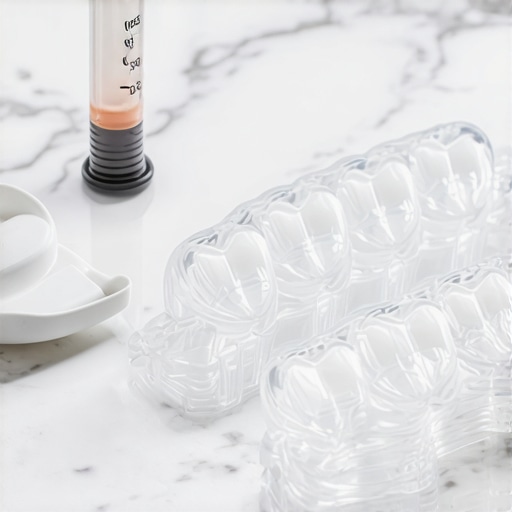
Another nuance that most beginners miss is the ‘biofilm reset.’ Have you ever noticed the reason your teeth feel furry only hours after a professional cleaning? That is your pellicle layer reforming. If you try to whiten while your teeth feel ‘furry,’ the gel is fighting through a layer of bacteria and proteins rather than hitting the enamel directly. This is why timing your sessions after a professional dental visit is the ‘secret sauce’ for results. However, be warned: the most common ‘oops’ factor is forgetting that your attachments need love too. If you are using clear aligners, you might be wondering how to get the coffee stains out of your invisalign attachments because these small composite bumps can absorb pigment while your teeth remain bright, creating a patchy, mismatched look. True cosmetic success isn’t just about the chemicals; it’s about managing the different materials in your mouth with precision and care.
Stop Brushing Your Aligners and Start Bathing Them
I used to think my trusty toothbrush was the ultimate tool for everything, but once I started my clear aligner journey, I realized I was wrong. Scrubbing your trays with a brush actually creates microscopic scratches in the plastic. These tiny grooves act like magnets for bacteria and pigments. I eventually invested in a small ultrasonic cleaner—the kind jewelers use. This is a vital part of invisalign maintenance expert tips for clear confident smiles because it uses high-frequency sound waves to shake loose debris without damaging the aligner’s surface. If you’re noticing your trays getting cloudy, this one tool will change your life.
How do I maintain my dental results over time?
Consistency is the unsexy secret to a Hollywood smile. It isn’t about one big whitening session; it’s about maintaining your teeth cleaning routine for long term health every single morning and night. I personally use disclosing tablets once a week. These are little chewable berries that dye the plaque on your teeth a bright purple or pink, showing you exactly where you’re missing. It’s an honest, slightly humbling way to ensure your technique is actually working. According to a study in the Journal of Clinical Periodontology, mechanical plaque control combined with specific interdental tools significantly outperforms traditional brushing alone. I also recommend knowing how to clean the stubborn cloudiness off your night guard, as that same bacteria can migrate back to your teeth while you sleep. 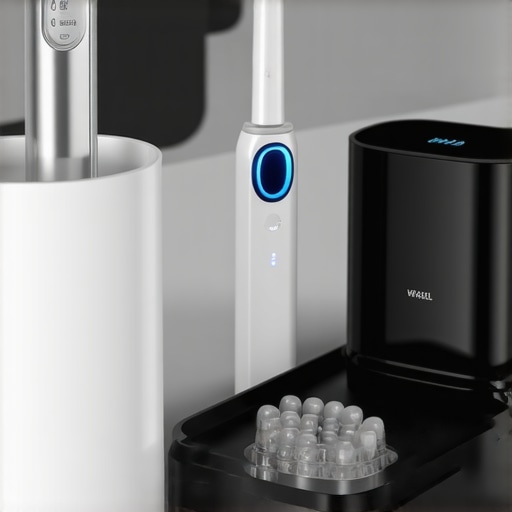
The Future of Proactive Dental Monitoring
We are rapidly moving toward a world where your bathroom mirror might be your first line of defense. I predict that within the next five years, we’ll see consumer-grade intraoral cameras that sync to your phone, allowing you to send high-res photos to your dentist for ‘virtual check-ins.’ We’re already seeing modern teeth cleaning innovations that reduce sensitivity and boost results through technologies like AirFlow (a mix of air, water, and powder), which is much more comfortable than the old-school scraping. This shift toward ‘preventative tech’ means fewer painful appointments and more predictable results. Even simple habits, like learning how to keep your clear aligners from staining when you drink iced coffee by using a straw and a quick rinse, will be augmented by smart sensors in our aligner cases. If you want to stay ahead of the curve, I highly suggest trying an ultrasonic cleaner—it’s a small investment that preserves your cosmetic investment for years to come.
The Realizations That Changed My Entire Approach to Brightening
After years of trial and error, I’ve realized that whitening is a marathon, not a sprint. If you rush the process, you end up with pain rather than a glow. First, I learned that the ‘white spots’ are a visual warning of chemical stress, not a sign of ‘extra’ cleaning. Second, I discovered that less is truly more; a tiny, pinhead-sized drop of gel is far more effective than a flooded tray that leaks onto your soft tissue. Finally, I understood that maintaining your teeth cleaning routine for long term health is the only way to make that brightness last. If your gums aren’t healthy, the peroxide will find every tiny vulnerability and make you pay for it in sensitivity.
My Personal Favorites for a Pain-Free Transformation
I don’t just rely on the whitening gel itself. To get the best results without the burn, I’ve curated a small toolkit that I use every time. I swear by Vitamin E oil applied with a cotton swab as a gum barrier—it’s a total game-changer for preventing blanching. I also suggest looking into modern teeth cleaning innovations that reduce sensitivity and boost results if you have naturally reactive teeth. For those using clear aligners, an ultrasonic cleaner is the only way to keep them truly transparent, and I always keep choosing the best invisalign options for your lifestyle in mind when planning my next cosmetic touch-up. These tools take the anxiety out of the process.
#IMAGE_PLACEHOLDER_E#
Take the First Step Toward Your Brightest Smile Yet
Don’t let a single bad experience or a moment of ‘white gum panic’ stop you from pursuing the smile you’ve always wanted. Whether you are exploring the secret to a hollywood smile cosmetic dentistry insights or just trying a new at-home kit, remember that you are in control of the pace. Your comfort matters just as much as the final shade of your enamel. With the right protection and a little bit of patience, you can achieve a radiant look without the sting of a chemical burn. Cosmetic dentistry is supposed to make you feel confident and amazing, not leave you hiding your mouth in the bathroom mirror. You’ve got this!
Have you ever experienced that sudden ‘white-out’ on your gums after using a whitening strip or gel? Let me know how you handled the situation in the comments below!