
I’ll never forget reaching into my toiletry bag in a tiny, humid hotel bathroom in Rome, only to find my toothbrush smelling like a damp basement. It was visceral. I had done what most of us do: shoved it into a plastic baggie right after a quick morning brush before catching a train. That moment of pure “ew” changed how I look at oral hygiene on the road forever. When you’re miles away from your regular dentist who gets your smile, the last thing you want is a self-inflicted gum infection because you didn’t let your bristles breathe. Today, we’re going to fix your travel kit so you never have to toss a perfectly good brush in a Roman trash can again. It wasn’t just the smell; it was the realization that I was undoing all the work of my regular teeth cleaning just to save thirty seconds of packing time.
Stop Shoving Wet Bristles into Plastic Bags
The mistake I made is one I see seasoned travelers repeat every single flight. We focus on the teeth cleaning secrets we use at home, but the rules change when you’re living out of a suitcase. When you seal a wet toothbrush, you’re essentially creating a humid petri dish. I used to think I was being “clean” by keeping it away from my shoes, but the moisture is the real enemy. This is especially vital if you’re traveling with orthodontic gear; I’ve learned that knowing how to stop your Invisalign trays from smelling is just as important as keeping your brush dry. If you’ve ever noticed your gums feeling tender after a week of traveling, your storage method might be the culprit. Let’s dive into why airflow is your best friend and how a few simple swaps in your luggage can keep your mouth healthy until you’re back in your own bathroom.
Is a simple travel cap actually making things worse?
Many of my friends swear by those little plastic snap-on caps, but they often trap the exact same humidity that a Ziploc bag does. I was skeptical too—is it really worth buying a dedicated, ventilated case? The short answer is yes. Early in my travels, I assumed any cover would do, but my mouth never felt truly clean. According to the American Dental Association, toothbrushes should be allowed to air-dry in an upright position and should not be routinely covered or stored in closed containers, as a moist environment is more conducive to the growth of microorganisms. Think about that the next time you pack your damp brush into a dark, airless pocket. Have you ever opened your suitcase to find your toothbrush still soaking wet from the morning?
Dry Your Brush Like a Pro Before It Hits the Bag
The most critical step in travel oral care happens in the sixty seconds after you finish brushing. Think of your toothbrush like a wet umbrella; if you fold it up and shove it in a closet while it’s still dripping, you’re asking for trouble. Start by flicking the bristles sharply against the edge of the sink to dislodge deep-seated water. I once found myself in a frantic morning rush in London, scheduled for a twelve-hour flight with a soaking wet brush. I actually used the hotel hair dryer on its coolest setting for thirty seconds to blast the moisture out of the bristles. It felt absurd at the time, but when I landed in Singapore, my brush was as fresh as if I’d just plucked it from the charger at home. This simple act of mechanical drying is more effective than any fancy anti-bacterial coating because it removes the medium that bacteria need to thrive. Maintaining this habit is just as vital as maintaining your teeth cleaning routine for long-term health during a busy itinerary.
Ditch the Plastic for Breathable Materials
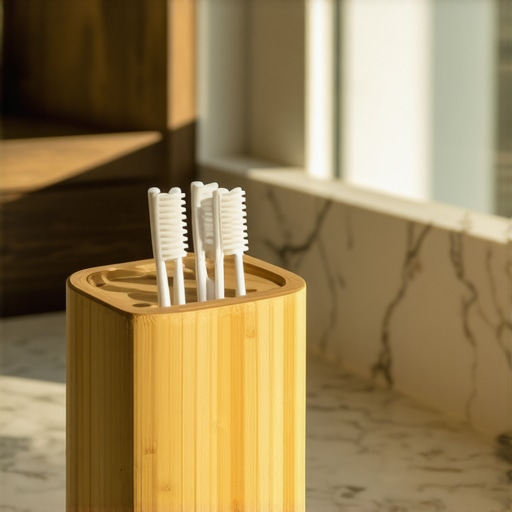
If you’re still using a hard plastic tube with no holes, you’re essentially carrying a miniature swamp. Upgrade to a bamboo travel case or a perforated silicone sleeve. These materials allow for passive airflow even when tucked inside a toiletry kit. This is particularly important if you are investing in your smile through cosmetic dentistry trends that transform smiles beyond expectations; you don’t want a preventable gum irritation to ruin your vacation photos. For those of us using clear aligners, the storage rules are even stricter. You need to keep a close eye on your gear because why your invisalign case always gets lost is often due to a lack of a dedicated, ventilated spot in your carry-on. A mesh pocket on the outside of your kit is often the best place for both your brush and your aligner case, as it exposes them to the moving air of the cabin or hotel room.
The Quick Sanitize Hack for Hotel Stays
Even with the best drying techniques, travel exposes your tools to new environments. A quick trick I learned from a flight attendant is to give your brush a ten-second rinse with a dash of alcohol-free mouthwash before you pack it. This acts as a mild preservative for the bristles during transit. This small step can mimic the protection you get from how regular teeth cleaning can prevent major dental issues by keeping the bacterial load low. If you’re mid-treatment, remember that invisalign maintenance requires the same level of diligence. I remember one trip to the Swiss Alps where I forgot my cleaning crystals; I used a simple diluted vinegar soak in a glass of water to keep my trays from getting cloudy. It’s all about using the tools at hand to ensure that your oral health doesn’t take a backseat to your adventures.
Separate Your Tools to Prevent Cross-Contamination
Never let your toothbrush touch other items in your bag, like your razor or your hairbrush. These items carry their own sets of bacteria that have no business being in your mouth. Use a dedicated sleeve or a small pouch made of breathable fabric like linen. If you have had recent work done, such as cosmetic dentistry for discolored teeth, you are likely more sensitive to the abrasive nature of a brush that has been rattling around against hard objects. Treat your brush like a surgical instrument. When I’m on the move, I use a carabiner to hang my mesh toiletry bag on the outside of my backpack during long walks or layovers. It looks a bit ‘backpacker-chic,’ but the constant airflow ensures that by the time I need to brush again, my equipment is bone-dry and ready to go.
While drying your toothbrush is a great start, there is a much deeper layer to oral health that even the most dedicated travelers miss. We often assume that a bright white smile is the ultimate indicator of health, but that is actually one of the biggest cosmetic dentistry myths debunked by modern science. In fact, some of the healthiest teeth have a natural, slightly off-white hue because the dentin beneath your enamel is naturally yellowish. If you’re obsessively whitening to reach a ‘paper-white’ shade, you might be thinning your enamel and increasing sensitivity without actually improving your health. This is why finding a dentist who gets your smile is about more than just aesthetics; it’s about structural integrity.
The Dangerous Habit of Brushing Right After Your Morning Coffee
Here is a contrarian take that usually surprises my fellow travelers: stop brushing your teeth immediately after breakfast. I used to think I was being efficient by scrubbing away my morning espresso before heading out for a day of sightseeing. However, acidic foods and drinks—like coffee, fruit juice, or wine—temporarily soften your tooth enamel. If you brush right away, you are literally scrubbing that softened enamel off your teeth. According to a study published in the British Dental Journal, you should wait at least 30 to 60 minutes for your saliva to naturally neutralize the pH in your mouth. If you can’t wait, simply rinse with water. This is the coffee lovers secret to preventing deep enamel stains without causing permanent wear. Have you ever fallen into this trap of ‘cleaning’ your teeth only to make them more sensitive? Let me know in the comments.
Why do my teeth feel like they are shifting during treatment?
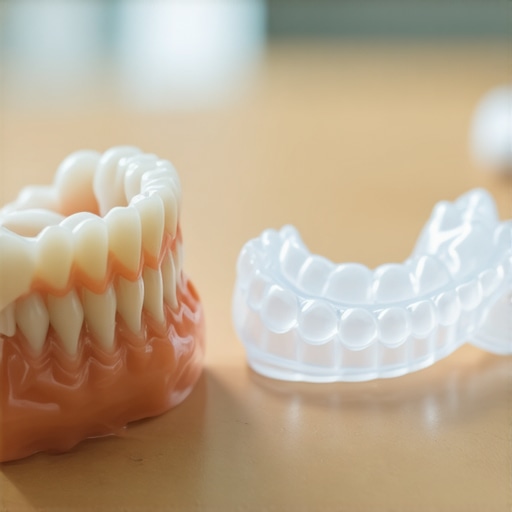
If you are using clear aligners, you might panic when you feel a slight wiggle in your front teeth. I’ve had friends stop wearing their trays because they were convinced their teeth were about to fall out. The truth is, why your teeth feel loose during your invisalign treatment is actually a sign the process is working. To move a tooth, the body must temporarily dissolve part of the bone in the socket (resorption) and then rebuild it (deposition) in the new position. It’s a delicate biological dance. The ‘oops’ factor here is skipping days or taking long breaks from your trays, which interrupts this bone-remodeling cycle and can lead to ‘root resorption,’ a serious complication where the roots of your teeth actually shorten. Proper invisalign maintenance isn’t just about keeping the plastic clean; it’s about respecting the biological timeline of your jawbone.
Don’t Ignore the Black Triangles Between Your Teeth
Another nuance that sophisticated patients often miss is the appearance of small gaps at the gumline. Many people assume these ‘black triangles’ are just a sign of aging or ‘food traps,’ but they often signal that your gum tissue isn’t receiving enough stimulation or that your bite is misaligned. While you might be tempted to just ask for veneers, we now have ways to fix black triangles between your teeth without bulky crowns. It’s vital to address the underlying cause—often plaque buildup or aggressive brushing—rather than just covering it up. Remember, how regular teeth cleaning can prevent major dental issues extends far beyond just preventing cavities; it’s about maintaining the ‘pink’ health of your gums to support the ‘white’ beauty of your teeth. If you’re noticing these gaps, it’s time to move past basic teeth cleaning secrets and look into modern teeth cleaning innovations that can target specific gum health needs.
Stop Scrubbing Your Aligners and Start Pulsating Them
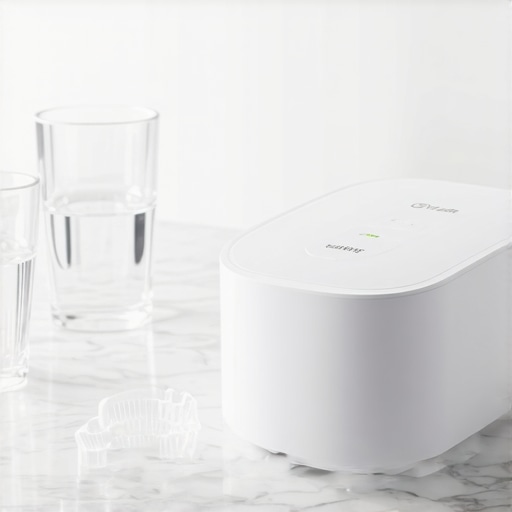
I used to think my manual toothbrush was the ‘gold standard’ for everything, but I was wrong about my trays. Scrubbing clear aligners with a standard brush actually creates microscopic abrasions on the plastic. These tiny scratches are like five-star hotels for bacteria, leading to that permanent ‘cloudy’ look we all hate. I eventually invested in a 42kHz ultrasonic cleaner—specifically a compact pod optimized for dental gear. A study in the Journal of Clinical Dentistry found that ultrasonic cavitation is significantly more effective at disrupting biofilm on thermoplastic materials than manual brushing alone. It’s a total game-changer for invisalign maintenance because it cleans the nooks and crannies your bristles simply can’t reach. If you’ve been struggling with how to stop your invisalign trays from smelling like plastic, this five-minute daily soak is the professional solution you’ve been missing.
How do I keep my smile looking fresh five years from now?
Maintaining the results of cosmetic dentistry trends that transform smiles isn’t a one-and-done deal; it’s about scaling your daily habits to match the investment you made. I personally swear by the ‘Double-Rinse’ method: one rinse with water immediately after every meal to neutralize acids, and one therapeutic rinse with a high-fluoride, alcohol-free mouthwash before bed to remineralize the enamel. This is a key part of maintaining your teeth cleaning routine for long-term health. You also have to be vigilant about staining agents like tea or red wine. Learning how to keep your clear aligners from staining when you drink iced coffee—like using a glass straw or a quick water swish—prevents that gradual yellowing that creeps up over months and ruins the aesthetic of your treatment.
The Future of Bio-Sensing Bathroom Tech
Looking ahead to 2025 and beyond, I predict we will move away from ‘dumb’ brushes toward bio-integrated diagnostic tools. We are already seeing invisalign innovations that use AI-driven apps to track tooth movement in real-time via smartphone scans. Soon, your toothbrush will likely analyze your saliva pH and bacterial load every morning, sending a report to your phone. This shift toward preventative data will make finding a dentist who gets your smile even easier, as you’ll arrive at your appointment with months of personalized health data. We are moving toward a world where modern teeth cleaning innovations allow us to stop problems like enamel erosion before they even require a drill. Don’t forget that professional intervention is still necessary; understanding how regular teeth cleaning can prevent major dental issues remains the backbone of any long-term plan. My advice? Try switching to a high-frequency ultrasonic cleaner for your aligners or night guard tonight—it’s the single best ‘pro’ tool you can add to your kit right now to ensure your results actually last.
What 100,000 Miles of Travel Taught Me About Dental Self-Care
After years of hopping between time zones, I’ve realized that oral health isn’t a static goal—it’s a moving target. One of the biggest shifts in my perspective came when I stopped falling for cosmetic dentistry myths debunked by the pros; I learned that a flashy smile means nothing if the underlying gum health is failing. I also stopped panicking at every little ache. Knowing how to handle a sudden sharp pain when you bite down while in a remote village saved me from a lot of unnecessary anxiety and expensive emergency visits. Most importantly, I’ve learned that consistency beats intensity. You don’t need a complicated hour-long ritual; you just need to be mindful of moisture and acidity every single day.
#IMAGE_PLACEHOLDER_E#
The Travel Kit Essentials That Saved My Smile
If you’re looking to upgrade your setup, I have a few non-negotiables that I never leave home without. First, toss the plastic tubes and get a ventilated bamboo case to let your bristles breathe. Second, if you’re on a long-term trip, a portable ultrasonic pod for your trays is worth every ounce of luggage weight. I always recommend choosing the best invisalign options for your lifestyle before you even book your flight, so your treatment doesn’t feel like a burden while you’re trying to enjoy a Parisian cafe. Finally, your most valuable tool is the professional you trust back home. I spent hours choosing the right dentist who understood my nomadic life, and it made all the difference in my long-term results.
Stop Planning the Trip and Start Protecting the Grin
At the end of the day, the best travel photos are the ones where you are smiling with genuine confidence. Whether you are just starting your journey or looking into invisalign success stories for inspiration, remember that your smile is the ultimate souvenir. It’s worth the extra sixty seconds of drying time and the slightly odd looks from hotel staff when you’re using the hairdryer on your toothbrush. Taking control of your oral health means you can focus on the sights and sounds of the world, rather than the state of your mouth. Your future self will thank you for the care you put in today. Have you ever had a dental disaster while on vacation? Share your horror story or your best travel hack below!