
It happened in the middle of a high-stakes job interview. I felt confident, my suit was sharp, and I’d just finished a pack of peppermint gum. But as I leaned in to emphasize a point about my career goals, the interviewer’s nose crinkled in a way that had nothing to do with my resume. My breath was the culprit. Specifically, it smelled like I’d been snacking on old sweaters in a dusty attic. I was mortified because I had spent twenty minutes on my teeth that morning, yet the mothball odor was undeniable. I realized right then that all the mints in the world can’t mask a chemical imbalance. Today, I’m going to show you exactly how to identify the source of that scent and the incredibly simple way to neutralize it for good.
Stop Blaming Your Toothbrush for That Chemical Scent
Most of us think that if we just scrub harder, the smell will vanish. I made that mistake for months. I even went as far as using charcoal toothpaste thinking it would absorb the odor, but I was just damaging my enamel. The truth is, that mothball smell usually comes from the breakdown of proteins or a buildup of something called skatole. It’s not just “bad breath”; it’s a specific signal from your body. According to the Journal of Oral Rehabilitation, nearly 90% of halitosis cases originate in the mouth, but the “chemical” variants often point toward your sinuses or even your protein intake. If you’ve ever felt like your breath was sabotaging your social life, have you ever stopped to wonder if it’s more than just a missed flossing session?
Is this really just a dental hygiene issue?
It’s easy to get paranoid and think you have some rare disease. I certainly did. But before you panic, you need to understand that your oral health is a complex ecosystem. Sometimes, the fix is as simple as changing how you hydrate or how you clean your tongue. I used to think a quick swipe with the toothbrush was enough, but I was wrong. I had to learn how to clean my tongue properly to actually remove the sulfur-producing bacteria that were camping out in the back of my throat. We’re going to dive into why these smells happen and how you can reclaim your confidence without needing a gallon of mouthwash.
Scrub the Biofilm Off Your Tongue
Most people treat their tongue like an afterthought, giving it a half-hearted swipe with a toothbrush. I used to do exactly that until I realized my tongue was essentially a shag carpet for bacteria. Think of your tongue like a kitchen sponge; if you don’t squeeze it out and clean it, it starts to hold onto smells that no amount of soap can fix. To truly eliminate that mothball scent, you need to reach the very back where the sulfur-producing bacteria hide. I remember the first time I actually used a dedicated scraper correctly—I was shocked at the amount of ‘gunk’ that came off even after I’d brushed. If you struggle with this, learning how to clean your tongue properly is the single most effective thing you can do at home. Don’t just scrape the tip; you have to get to the ‘V’ shape at the back where the odors originate. 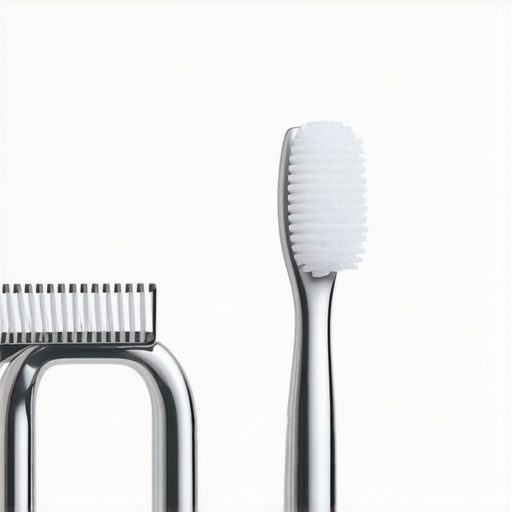
Keep the Saliva Moving to Kill the Swamp Smell
Saliva is your mouth’s natural cleaning crew. When your mouth goes dry, it’s like a stagnant pond—everything starts to ferment. This is why many people notice their breath smells like mothballs or chemicals during a workout or right after waking up. I found that just sipping water wasn’t enough; I had to actively stimulate saliva production. If you are a mouth breather or deal with allergies, the reason your teeth hurt when you breathe through your mouth is often the same reason your breath turns sour—the tissues are literally parched. Focus on nasal breathing and consider xylitol-based products to keep the moisture levels high.
Stop Your Aligners from Turning into a Bacteria Trap
If you’re currently using clear aligners, you’ve basically introduced a plastic shield that traps bacteria against your teeth for 22 hours a day. I learned this the hard way when I noticed a weird plastic-meets-old-cheese scent every time I popped my trays out. You have to be hyper-vigilant. It’s not just about brushing your teeth; you have to learn how to stop your invisalign trays from smelling like old saliva by using specialized cleaning crystals or a gentle, non-abrasive soak. If you skip this, no amount of teeth cleaning tips for a brighter smile will help because the smell is living inside the plastic.
Get a Professional to Reset the Clock
Sometimes the source of a chemical smell is deeper than a scraper or a bottle of water can reach. It might be a sign of a failing restoration or a deep-seated infection that only a pro can spot. When I finally stopped trying to DIY my way out of the problem, I realized that regular care boosts oral health by removing calcified plaque (tartar) that acts as a fortress for smelly bacteria. If you haven’t had a deep clean in over six months, you’re fighting a losing battle. Finding a pro who understands these nuances is key, so take the time to look into choosing the right dentist who actually listens when you describe specific odors.Most people think that if their teeth are white, they are automatically healthy. In my experience, this is the biggest lie in modern dental care. I have seen pearly white smiles that were structurally compromised because the patient focused on aesthetics over underlying health. Many teeth cleaning myths debunked by top dentists reveal that shade is a poor indicator of oral hygiene. You can have a Hollywood-ready smile and still suffer from deep-seated biofilm that eventually causes that dreaded chemical breath. Don’t fall for the trap of thinking surface-level cleanliness is enough.
Don’t Burn Your Gums for a Brighter Shade
One of the biggest ‘oops’ factors I see involves the over-use of at-home whitening kits. I’ve spoken to people who were so desperate to remove stains that they ignored the warning signs of chemical irritation. If you’ve ever wondered why your gums look pale after using a high-strength whitener, it’s often a sign of a chemical burn. I once tried a generic brand that was so aggressive I ended up researching why your mouth feels like it is burning after using whitening strips just to make the pain stop. Using these products without a custom-fitted tray is a recipe for disaster because the bleach leaks onto the soft tissue. It’s far better to invest in professional guidance to ensure you aren’t thinning your enamel just to reach a certain shade of white. 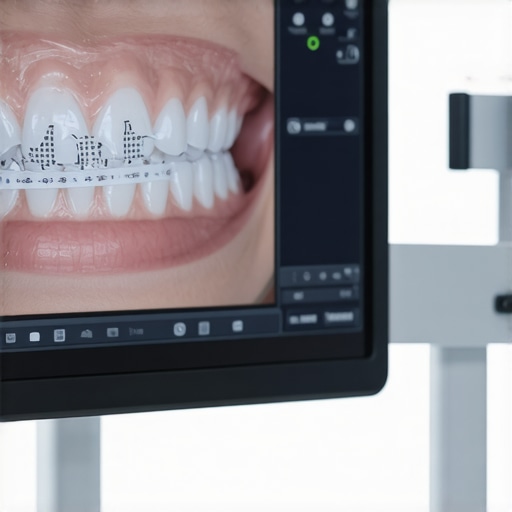
Why do your teeth feel loose during the second month of Invisalign?
This is the number one question that scares the life out of new orthodontic patients. It feels like your teeth might actually fall out while you’re eating a sandwich. However, this ‘looseness’ is a sophisticated biological necessity. A study published in the American Journal of Orthodontics and Dentofacial Orthopedics explains that orthodontic movement requires a temporary ‘softening’ of the bone and periodontal ligaments through a process called remodeling. If you didn’t feel why your teeth feel loose during the second month of invisalign, the aligners wouldn’t be working. It’s a sign that the bone is actually breaking down and rebuilding to support your new alignment.
Pick a Pro Who Sees the Whole Picture
Advanced cosmetic dentistry isn’t just about sticking on a veneer; it’s about facial harmony and structural integrity. When you look for the secret to a hollywood smile, you’ll find it usually involves a mix of health-first cleaning and precision engineering. A great dentist doesn’t just clean the surface; they check for failing restorations and early signs of systemic issues that present in the mouth. Have you ever fallen into the trap of over-whitening or skipping a professional cleaning because your teeth looked ‘fine’ in the mirror? Let me know in the comments below, and let’s talk about the nuances of real oral health.
Why My Water Flosser Replaced String for Good
I used to be a traditionalist, thinking that a piece of wax-coated string was the only way to reach the depths of my gums. I was wrong. After dealing with recurring sensitivity, I switched to a high-pressure water flosser, and the difference was night and day. The reason I swear by it now isn’t just convenience; it’s the ability to flush out the ‘hidden’ pockets that manual floss simply skips. If you’ve noticed the reason your teeth feel sticky only a few hours after brushing, it’s likely because manual flossing isn’t disrupting the biofilm effectively enough. I’ve found that using the water flosser on a medium-high setting, specifically aiming at the gingival margin, keeps my breath neutral and my gums firm. For those with restorations, the secret to keeping your dental implant clean often lies in these localized irrigation methods.
Stop Using a Manual Brush if You Want Precision
I finally invested in an oscillating-rotating electric toothbrush with a pressure sensor. This was a game-changer because I realized I was a ‘scrubber.’ I was pushing way too hard, which was actually contributing to my gum recession. Now, I let the motor do the work. If you find yourself wondering why your jaw feels like it is vibrating when you use an electric toothbrush, it’s usually because you’re clinching too hard or the frequency is higher than you’re used to. It’s a sign the tool is working to disrupt the bacterial colonies that cause that mothball scent.
How do I maintain these results over time?
Consistency is the boring truth, but how you execute it matters. I recommend a ‘deep soak’ protocol for anything you put in your mouth. Whether it’s a retainer, a night guard, or Invisalign, the buildup of calcium and bio-salts is inevitable. According to the International Journal of Environmental Research and Public Health, ultrasonic vibration combined with enzymatic cleaners is 30% more effective at eliminating S. mutans colonies on orthodontic appliances than manual brushing alone. I use a small ultrasonic pod every morning while I shower; it’s the only way to clean the stubborn cloudiness off your night guard and ensure your breath stays fresh. If you’re active in your treatment, following invisalign maintenance expert tips like these will save you from that ‘old saliva’ smell. 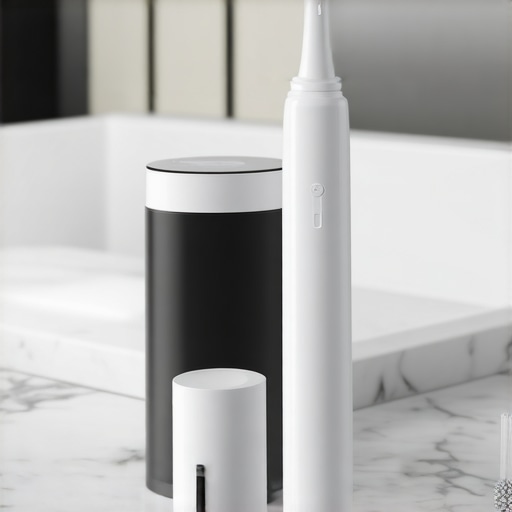
Prepare for the Rise of Home-Based Digital Monitoring
Looking ahead, I predict we are moving toward a world where we don’t just guess if our teeth are clean. We’re already seeing the start of AI-integrated toothbrushes that map your mouth in real-time. Soon, you’ll likely have a small camera attachment for your phone that lets your dentist check your progress remotely. This is the logical next step in cosmetic dentistry innovations 2025 and beyond. It removes the guesswork and catches issues before they require a needle and a drill. If you want to stay ahead, I challenge you to try one thing this week: swap your morning coffee-first routine for a full tongue scrape and a glass of water. You’ll be amazed at how much better you feel when you aren’t literally swallowing the bacteria that accumulated overnight. If you’re serious about your journey, maintaining your teeth cleaning routine is the only way to protect the investment you’ve made in your smile.
The Hardest Lesson I Learned About Fighting Mouth Odors
I spent years thinking that a bright white smile was the same thing as a healthy one. I was wrong. The hardest lesson I had to learn was that you can have a perfect alignment and still struggle with a chemical scent if you ignore the microscopic biofilm. Here are the three truths that changed everything for me: First, the ‘mothball’ scent isn’t just about food; it is often a sign of how your body processes protein or a byproduct of sinus drainage. Second, your tongue is a magnet for sulfur-producing bacteria, and if you aren’t reaching the very back, you aren’t actually cleaning it. Finally, I realized that teeth cleaning secrets aren’t just for kids; they are the foundation of adult confidence. If you’ve been masking the smell with mints, you’re just delaying the inevitable. You have to address the chemistry of your mouth to see a real change.
What You Actually Need to Keep Your Breath Neutral
If you are tired of the guesswork, here is the toolkit I personally rely on to keep my breath fresh and my restorations in top shape. The Stainless Steel Scraper: Forget plastic versions; a high-quality metal scraper is more hygienic and reaches deeper. Ultrasonic Cleaning Pods: If you wear aligners or guards, this is non-negotiable for preventing that ‘old saliva’ funk. I found that following invisalign maintenance expert tips like using an ultrasonic cleaner once a day is the only way to keep plastic from absorbing odors. Xylitol-Based Mints: Unlike sugar-heavy gums, these actually stimulate saliva without feeding the bacteria that cause the mothball smell. I trust these tools because they focus on the source of the problem rather than just layering a scent over it.
Take Your Confidence Back One Morning at a Time
It is time to stop feeling self-conscious when you lean in for a conversation. Reclaiming your breath is about more than just hygiene; it is about the freedom to exist without worry. By maintaining your teeth cleaning routine with precision, you are protecting your health and your social life. Don’t be afraid to take that first step, whether it is booking a professional deep clean or finally investing in a better tongue scraper. The future of cosmetic dentistry is increasingly focused on this intersection of health and aesthetics, so stay ahead of the curve. You deserve a smile that smells as fresh as it looks. Have you ever noticed a weird chemical scent after a long day of wearing your aligners? Let me know in the comments below!