
I was mid-sentence at my best friend’s wedding, laughing at a joke, when I noticed the person I was talking to squinting at my mouth with a look of pure confusion. I felt great. My teeth were straight, and I was finally nearing the end of my Invisalign transformation. But when I finally ducked into the restroom, I saw it. A giant, leafy piece of sautéed spinach wasn’t just stuck between my teeth; it was wrapped around my clear attachment like a stubborn piece of ivy on a brick wall. It was mortifying. I spent five minutes picking at it with my fingernail, nearly scratching the resin, only to realize that attachments are essentially tiny pieces of Velcro for your lunch. If you have ever felt that panic, you are not alone. Today, I am going to share the exact routine I developed to keep those attachments crystal clear, no matter what is on the menu.
Stop Letting Your Attachments Act Like Velcro for Vegetables
Those little bumps—your dentist calls them attachments or buttons—are the unsung heroes of modern cosmetic dentistry. They give your aligners the leverage they need to rotate and lift your teeth. However, they are also made of a composite resin that is much more porous than your natural enamel. I made the massive mistake of thinking a vigorous swish of water would be enough after a salad. It never is. In fact, a study published in the Journal of Orofacial Orthopedics notes that the geometric shape of these attachments significantly increases the surface area where food particles and biofilms can accumulate. This is why Invisalign maintenance requires a bit more finesse than just a standard brush-and-go routine. You have to treat these attachments like the specialized tools they are. Whether you are dealing with spinach or even removing debris from a permanent retainer, the physics of the ‘stuckness’ is the same.
Will I always have to check the mirror every five minutes?
I know what you’re thinking: Is this whole process worth the constant paranoia of a green smile? The short answer is yes, but only if you have the right toolkit. When I first started, I used a wooden toothpick to dig out debris, which was a huge error that led to micro-scratches on the resin. Those scratches actually made it easier for stains to set in later! Since then, I’ve learned that regular care boosts oral health by preventing the bacteria that loves to hide behind those buttons. Have you ever been caught with a ‘spinach tooth’ in a professional setting? It’s a rite of passage for us aligner-wearers, but it doesn’t have to be your daily reality. Let’s get into the practical, non-obvious ways to keep your smile spotless without losing your mind.
The Three-Step Ritual for Flawless Attachments
You need to think of your attachments like the grip tape on a skateboard. They are designed to be high-friction to hold your trays in place, but that texture makes them magnets for plaque. To keep them clear, you have to break the bond of the food before you start scrubbing.
Flood the Zone Before You Brush
The biggest mistake I made early on was dry-brushing or going straight in with a toothbrush while my mouth was still full of food particles. This just grinds the debris deeper into the porous resin. Instead, take a large sip of lukewarm water and swish with enough force that your cheeks bulge. It is like a pre-wash cycle for your dishwasher. I once did this in a fancy Italian restaurant after a plate of pesto, and while I looked like a pufferfish for ten seconds, the sheer volume of green that came out in the restroom later was proof that the ‘flood’ works. It prevents the particles from becoming semi-permanent fixtures before you even touch a brush. 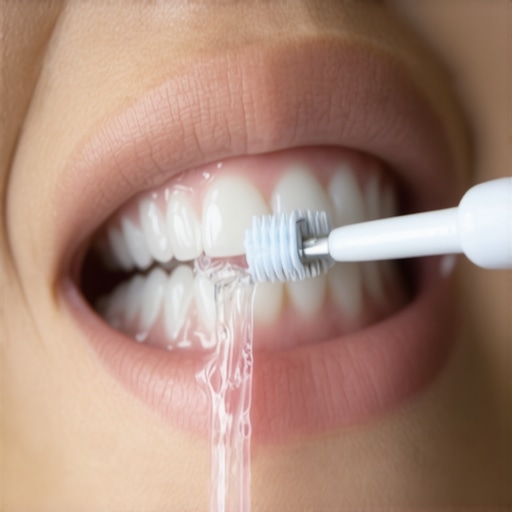
Angles Matter More Than Pressure
When you finally get to the sink, do not just scrub back and forth. You need to use a 45-degree angle technique. Think of the attachment as a small mountain; you need to clean the ‘valleys’ where the resin meets your tooth. I found that modern teeth cleaning innovations like sonic toothbrushes are literal lifesavers here because they vibrate the debris loose without you having to apply tooth-cracking pressure. If you are choosing the best Invisalign options for your specific dental alignment, you might have more attachments than others, which makes this precision even more critical.
What to Do When a Stain Actually Sets In
Sometimes, despite your best efforts, your attachments will turn a slight shade of ‘Latte Yellow’ or ‘Curry Gold.’ This happened to me after a week-long business trip where I was drinking way too much espresso and rushing my morning routine.
The Hydrogen Peroxide Quick Fix
If you notice discoloration, do not reach for abrasive charcoal pastes. In fact, the coffee lovers secret to preventing deep enamel stains also applies to your attachments: dilution and oxygenation. A mix of half water and half 3% hydrogen peroxide used as a gentle soak (not a scrub) can help lift surface stains from the resin. This is much safer than trying to scrape the stain off, which only damages the attachment’s integrity.
Keep a Stealth Kit in Your Pocket
I never leave the house without a ‘stealth kit.’ This isn’t just a toothbrush; it is a high-quality interdental brush. These tiny, mascara-wand-looking tools are perfect for getting behind the ‘buttons’ of your aligners. By maintaining your teeth cleaning routine while on the go, you prevent the 24-hour buildup that leads to plaque. I remember being stuck at a wedding reception where I could not get to a sink for three hours. Using a quick interdental brush in the shade of a hallway saved me from a night of ‘fuzzy-feeling’ teeth and potentially permanent staining.
Why a Clear Mouthwash is Your Best Friend
Avoiding dyes is non-negotiable. If you use a blue or green mouthwash while your attachments are ‘thirsty’—meaning immediately after eating or brushing—they can actually soak up that pigment. Stick to clear, fluoride-rich rinses to strengthen the enamel around the attachment site. Following teeth cleaning tips for a brighter smile means being vigilant about the hidden dyes in your daily products. Even how to keep your clear aligners from staining usually starts with the simple choice of choosing clear liquids over colored ones.
Stop Scrubbing Like You’re Cleaning a Cast Iron Skillet
Most people assume that because those resin attachments feel ‘hard,’ they can handle a firm, abrasive scrub. This is one of the most common teeth cleaning myths debunked by top dentists. In reality, the composite material used for your Invisalign treatment is softer than your natural enamel. If you use a stiff-bristled brush or a high-abrasion whitening paste, you aren’t just cleaning; you’re essentially sanding down the ‘grip’ of the attachment. This reduces the effectiveness of your trays and creates microscopic grooves where bacteria love to hide. This is why teeth cleaning for sensitive teeth methods—like using ultra-soft bristles and gentle, circular motions—are actually superior for everyone wearing aligners, even if your teeth aren’t normally sensitive. You want to preserve the texture of the resin, not polish it flat.
Why do my teeth look splotchy after the attachments come off?
This is the ‘Oops’ factor nobody tells you about during the initial consultation. If you use aggressive whitening products while your attachments are on, you are only whitening the exposed parts of your teeth. The area under the resin stays the original color because the whitening agent cannot penetrate the bond. Once the treatment ends and the buttons are removed, you’re left with a ‘reverse tan line’—bright white teeth with slightly yellower squares in the center. According to research published in the Journal of Clinical Orthodontics, the interface between composite resin and natural tooth structure is a hotspot for micro-leakage and staining if not managed with non-abrasive techniques. The best way to maintain a uniform shade is to focus on stain prevention rather than bleaching until the attachments are removed. This means being mindful of the reason your coffee habit is staining the back of your teeth more than the front, as buildup there can migrate forward and settle into the ‘halo’ around your buttons. 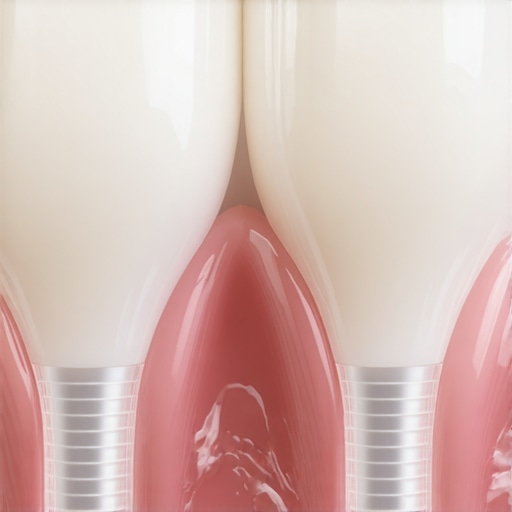
The Professional Cleaning Fallacy
Many patients believe that because they are brushing five times a day, they can skip their professional dental hygiene appointments. This is a dangerous mistake. No matter how diligent you are at home, you cannot remove the tartar that calcifies in the ‘junction’ where the resin meets the tooth. I’ve seen cases where how regular teeth cleaning can prevent major dental issues becomes painfully obvious only after a cavity forms directly behind an attachment. Professional tools can reach angles your home kit simply can’t. Plus, modern teeth cleaning innovations like air-polishing or ultrasonic scaling can safely clean around these buttons without the risk of popping them off. By staying on top of these visits, you ensure that your cosmetic dentistry results are as healthy as they are beautiful. Have you ever fallen into this trap? Let me know in the comments.
Why the Right Removal Tool Saves Your Fingernails and Your Resin
I learned the hard way that prying aligners off with your index finger is a recipe for disaster. Not only did I chipped a nail right before a date, but I also put unnecessary torque on my back molars. This is why I swear by the ‘Pul-tool’ or a similar aligner hook. It allows you to catch the edge of the tray from the lingual (tongue) side, which is the secret to protecting those delicate attachments we just talked about. If you are debating Invisalign vs traditional braces, this small ergonomic tool is a huge checkmark in the ‘Invisalign’ win column. It makes the process clinical and clean rather than messy and frustrating.
Invest in a High-End Sonic Cleaner for Your Trays
While you are focused on your teeth, don’t forget the plastic itself. I personally use a small ultrasonic cleaner—the kind people use for jewelry—filled with plain water and a single cleaning tablet. Why? Because manual scrubbing with a toothbrush creates micro-abrasions in the plastic that trap bacteria. Dr. Sandra Tai, a leading global expert in clear aligner therapy, notes in her clinical texts that the integrity of the aligner material is paramount for proper tooth movement. If the plastic is compromised by rough cleaning, it might not grip the teeth as intended. Keeping the trays crystal clear is the only way to achieve the secret to a Hollywood smile without that tell-tale ‘cloudy tray’ look.
How do I maintain my alignment for the next decade?
The finish line isn’t when the last tray comes out; it’s when your retention phase begins. Many people think they can just ‘stop’ once their teeth are straight. However, maintaining your teeth cleaning routine must include a strict commitment to your retainers. I’ve seen friends lose years of progress because they stopped wearing their night guards. Your teeth have ‘memory’ and will naturally want to drift back to their original crowded positions. 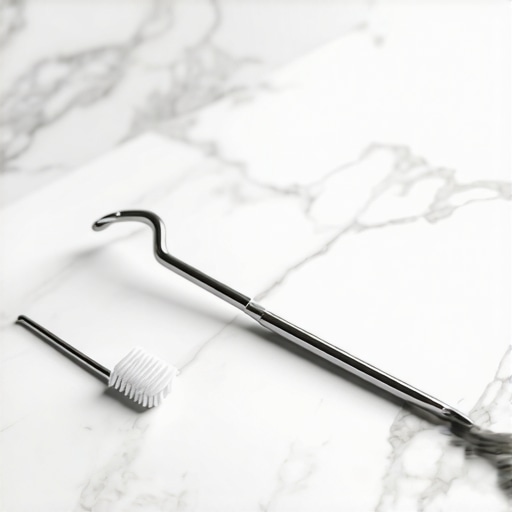
Smart Trays are the Future of Orthodontics
We are moving toward an era where your aligners might actually talk to your phone. I predict that within the next few years, ‘Smart Aligner’ technology—where sensors embedded in the resin track wear-time and pressure in real-time—will become the standard in Invisalign innovations. This will take the guesswork out of whether you’ve worn your trays for the required 22 hours a day. It will turn your phone into a digital coach for your Invisalign for adults in 2025 journey. For now, we have to rely on manual discipline and the right gear. I highly recommend you try the ’45-degree angle’ brush technique I mentioned earlier tonight; it is the single most effective way to prevent the plaque buildup that ruins a transformation mid-way through.
The Honest Reality of Living with Clear Resin Buttons
It isn’t just about the aligners; it’s about the mental shift you make during the process. You learn to see your teeth as a temporary construction site, and that is okay. I realized early on that the true ‘invisibility’ of Invisalign is a partnership between you and the plastic. If you don’t keep those attachments clean, the illusion disappears. I also learned that people don’t notice your ‘spinach incident’ half as much as you think they do, but the confidence boost from a truly clean mouth is priceless. You might even find that reading Invisalign success stories helps you stay motivated during those weeks when the routine feels tedious. The hardest lesson? Patience isn’t just about waiting for the teeth to move; it’s about the daily discipline of the 45-degree brush angle.
The Gear That Saved My Sanity
I trust a very specific set of tools to keep my smile on track. First, an ultrasonic cleaner—it’s the only way to avoid the cloudy buildup that a toothbrush can’t touch. Second, I always carry a small folding mirror; don’t rely on your phone’s front camera, which can blur the fine details of your attachments. Third, a high-quality fluoride rinse that is completely free of blue or green dyes. I found that cleaning the stubborn cloudiness off your appliances early prevents them from becoming an eyesore. Finally, choosing the right dentist makes the biggest difference because they can provide the professional-grade polishing and advice that your home kit simply cannot replicate.
#IMAGE_PLACEHOLDER_E#
Why the Extra Effort Pays Off at the Finish Line
The day those attachments finally come off is a revelation. All the scrubbing, swishing, and careful eating culminates in a smile that feels like a polished masterpiece. Don’t let a few pieces of food or a slight stain discourage you. This is a temporary phase leading to a lifetime of confidence. Whether you are already looking into the ultimate guide to teeth whitening for your post-treatment glow or just trying to survive this week’s tray change, remember that every minute spent on maintenance is a direct investment in your future self. You are building more than just straight teeth; you are building a habit of excellence. Have you found a secret weapon for keeping your attachments clean on the go? Let me know in the comments below!