
I was standing in my bathroom, heart racing, staring at what looked like tiny shreds of wet tissue paper hanging off my gum line. I just wanted a brighter smile for my cousin’s wedding, but instead, I looked like a background extra from a horror movie. It was terrifying. My first thought? I’ve dissolved my mouth. My second? How on earth am I going to eat dinner tonight? If you’ve just peeled off a brand-new whitening strip and noticed your gums look white, stringy, or literally shedding, I know that spike of panic all too well. It’s a visceral, unsettling realization that your quest for beauty might have gone a step too far.
What Happens When Whitening Strips Go Rogue
The truth is, I made the classic mistake of thinking ‘more is better.’ I bought the highest-strength strips I could find and left them on for an extra ten minutes while I folded laundry. Big mistake. Most people don’t realize that the peroxide in those strips doesn’t distinguish between your tough enamel and your delicate soft tissue. When you use a new brand, the concentration might be higher than what you’re used to, or the strip might simply be too large for your unique smile. This leads to what dentists call a chemical burn. It sounds intense because it is, but it’s remarkably common. If you are already dealing with that burning sensation after whitening, your gums are likely reacting to the hydrogen peroxide overload by sloughing off the damaged top layer of cells.
Today, we are going to fix this. We’ll look at why your specific brand choice triggered this ‘peeling’ effect, how to soothe the area immediately, and how you can still get that Hollywood glow without the side of skin-shedding. According to the American Dental Association, high concentrations of hydrogen peroxide—sometimes reaching 10% or more in over-the-counter products—can cause temporary tissue irritation if the gel isn’t contained strictly to the teeth. It’s a common hurdle in cosmetic enhancements, but it doesn’t have to be your permanent reality.
Are these strips actually eating my gums away?
It’s the biggest fear we all have when the peeling starts. You wonder if you’ve permanently thinned your gum line or if you’ll need a dentist who specializes in repairs to fix the mess. Generally, the peeling you see is just the ‘epithelium’—the very top layer of your gums—reacting to the chemical. It’s similar to a sunburn. While it looks scary and feels tender, the body is actually quite good at regenerating this specific tissue. However, ignoring the signs can lead to more serious issues, like pale, blanched gums that stay sensitive for weeks. Have you ever experienced that weird, stringy peeling after trying a new dental product? It’s a total shock to the system, isn’t it? Drop a comment or reach out—I’d love to know I wasn’t the only one who panicked!
In the next section, I’m going to walk you through the immediate ‘rescue’ steps I took to stop the throbbing and how to prep your mouth for future whitening so this never happens again.
Rinse Away the Excess Right Now
The second you see that white, filmy residue, your mission is to neutralize the chemical environment. Think of it like a kitchen grease fire—you wouldn’t just stare at it; you’d grab the extinguisher. In this case, your extinguisher is lukewarm water. I remember frantically splashing my face over the sink, trying to get every bit of that sticky gel off. Don’t brush your teeth immediately! Your enamel and gums are currently in a weakened state, and the mechanical action of bristles can actually drive the peroxide deeper or tear the fragile tissue further. Instead, swish gently with plain water for at least sixty seconds. If the stinging is intense, a mild saline solution is your best friend. This simple mix mimics your body’s natural fluids and helps stabilize the area. It’s the same logic used for soothing a burn on the roof of your mouth after a piece of molten pizza.
How to Speed Up the Healing Process
Once the gel is gone, the focus shifts to recovery. Your gums are basically dealing with a minor chemical injury. When this happened to me, I found that Vitamin E oil was a total game-changer. I took a standard Vitamin E capsule, poked it with a needle, and dabbed the oil directly onto the white patches. It creates a protective barrier that keeps bacteria out while the ‘epithelium’—that skin that’s currently peeling—starts to rebuild. You should also simplify your oral routine for the next 48 hours. Avoid alcohol-based mouthwashes that burn like crazy and skip the spicy foods. Stick to the basics of teeth cleaning for sensitive teeth to ensure you aren’t adding fuel to the fire. If you’re a coffee lover, this is the time to use a straw to prevent irritation from heat and acidity.
Stop the Strips from Touching Your Gums
The biggest design flaw in over-the-counter strips is that they are one-size-fits-all. But nobody’s mouth is standard. The next time you try whitening, you need to play tailor. I started using small embroidery scissors to trim my strips into a lower profile. By cutting the strip so it only covers the flat surface of the teeth and doesn’t wrap over the gum line, you eliminate the contact point for the burn. It’s a bit tedious, but it’s the difference between a bright smile and a week of mouth pain. You can even apply a tiny bit of petroleum jelly to your gums with a Q-tip before putting the strip on. This creates a waterproof seal so the peroxide can’t migrate upward.
#IMAGE_PLACE_HOLDER_B#
Switch to Professional Methods if the Pain Persists
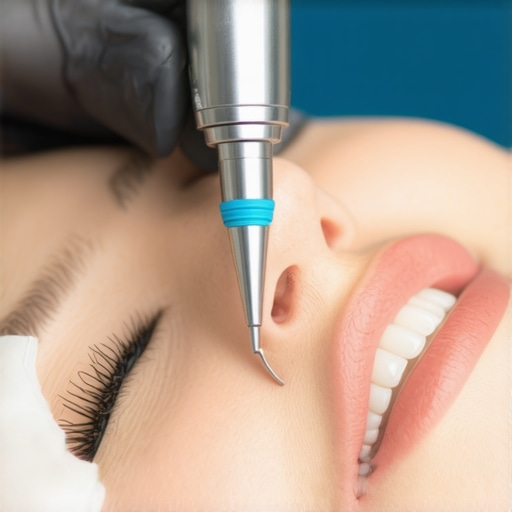
If you find that even with trimming, your mouth feels like it’s on fire, it’s a sign that your tissue is just too sensitive for high-concentration store brands. This is where modern teeth cleaning innovations really shine. A professional can offer custom-fitted trays that seal the whitening agent exactly where it needs to be, or use laser-activated gels that work faster with less exposure time. Consulting a pro helps you navigate the complexities found in the ultimate guide to teeth whitening and cosmetic enhancements, ensuring your path to a Hollywood smile doesn’t involve shedding skin like a snake. I eventually realized that my DIY attempts were costing me more in comfort and ’emergency’ toothpaste than a single professional session would have.
Let’s dig deeper into why we often fail to see the forest for the trees when it comes to our dental health. A common myth I hear—and one I definitely believed—is that professional cleanings are essentially a ‘power wash’ that might actually thin your enamel. This is a classic example of teeth cleaning myths debunked by top dentists. In reality, the tools used by pros are designed to vibrate away calcified plaque (calculus) that is physically impossible to remove with a toothbrush, no matter how hard you scrub. By trying to do it all at home with high-concentration chemicals, we are often treating the symptom of dullness while ignoring the underlying foundation.
The Sensitivity Trap That Makes Your Gums Worse
One massive ‘oops’ factor I see all the time is the sensitivity trap. Many people, including myself in the past, avoid professional cleanings because the cold water or the scraping feels intense. But here is the nuance: by avoiding the chair, you allow biofilm to harden and migrate under the gum line. This leads to chronic inflammation, which actually makes your nerves *more* reactive. It’s a vicious cycle. According to a study published in the Journal of the American Dental Association, professional plaque removal is essential for reducing systemic inflammation markers. If you’re scared of the chair, you should look into modern teeth cleaning innovations that reduce sensitivity and boost results, such as guided biofilm therapy, which uses warmed water and specialized powders to clean without the ‘clinking’ of metal tools.
Can modern cosmetic techniques actually strengthen my teeth?
It sounds counterintuitive, but yes. While some old-school methods were purely subtractive (like shaving down teeth for thick crowns), modern cosmetic dentistry is increasingly additive and protective. For instance, how we fix black triangles between your teeth without bulky crowns often involves using high-tech composite resins. These materials not only fill the gaps that trap food and bacteria but also provide a structural ‘splint’ that can help stabilize teeth. Similarly, choosing professional whitening over DIY strips means the pH of the gel is carefully balanced to prevent the very ‘peeling’ and demineralization I experienced in my bathroom. Have you ever fallen into the trap of thinking a cleaning was ‘just’ a cleaning, or avoided the dentist because of sensitivity? Let me know in the comments!
Ultimately, your oral health isn’t a DIY project that can be solved with a one-size-fits-all strip. Understanding how regular teeth cleaning can prevent major dental issues is the real secret to a Hollywood smile. It’s about moving beyond the surface-level vanity and focusing on the biological health of your tissue. When you stop treating your gums like an obstacle to white teeth and start treating them like the foundation they are, you’ll never have to worry about ‘shedding’ your smile again.
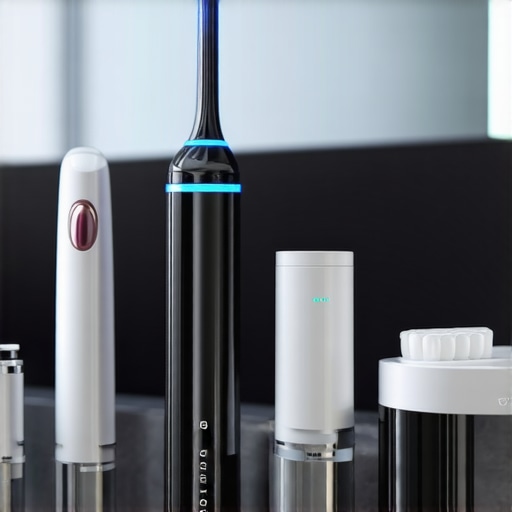
After my whitening strip fiasco, I became obsessed with the data behind dental health. I didn’t just want white teeth; I wanted healthy teeth. I ditched my five-dollar manual brush for a sonic model with a built-in pressure sensor. Why? Because I realized I was scrubbing my enamel away in a desperate attempt to stay bright. The sensor glows red when you press too hard, which is a literal lifesaver for someone like me who tends to overdo everything. This isn’t just about luxury; it’s about maintaining your teeth cleaning routine for long-term health without the physical damage. It turns out, that ‘squeaky clean’ feeling from aggressive brushing is often just the sound of your protective layers being stripped away.
The High-Tech Tools That Saved My Gums
If you’ve made the leap into clear aligners, you know the ‘plastic smell’ struggle is real. I started using a dedicated ultrasonic cleaner—basically a jewelry cleaner for your mouth. It uses high-frequency sound waves to create microscopic bubbles that blast off the bacteria you can’t see. It’s the only way to truly stop your Invisalign trays from smelling like old saliva. Trust me, soaking them in mouthwash isn’t enough because the porous nature of the plastic traps odors at a molecular level. Using these innovations is why 2025 is the year for a perfect smile; we finally have the tech to make maintenance effortless.
How do I maintain my cosmetic results over the long haul?
The secret isn’t more chemicals; it’s consistency and pH balance. I now use a Waterpik every single night. It’s the gold standard for teeth cleaning secrets because it flushes out the gaps that even the best floss can miss. If you’re wondering how to drink iced coffee with Invisalign without ruining your results, the answer is a combination of immediate rinsing and these ultrasonic tools. You have to treat your mouth like a fine-tuned engine—you wouldn’t put cheap oil in a Ferrari, so don’t put harsh, unvetted chemicals in a mouth that’s undergone thousands of dollars of cosmetic dentistry transformations.
Why Your Next Toothbrush Might Be Smarter Than Your Phone
Looking ahead, I see a major shift toward ‘Bio-Digital’ dentistry. We’re already seeing smart toothbrushes that map your mouth in 3D, but soon, we’ll have at-home saliva tests that can predict a cavity before it even forms. This is part of the broader modern teeth cleaning innovations that reduce sensitivity. In fact, a study published in the International Journal of Environmental Research and Public Health highlights how sonic technology significantly outperforms manual brushing in reducing plaque-induced gingivitis over a six-month period. We are moving toward a world where your bathroom counter is basically a mini-lab that communicates directly with your dentist. My challenge for you: stop the manual scrub today. Switch to a pressure-sensing electric brush for just one week and see how much faster your gums heal from those accidental whitening burns.
Three Things I’d Tell My Pre-Whitened Self
Looking back at my bathroom mirror disaster, there are a few hard truths I had to swallow before I could truly fix my smile. First, white teeth at the expense of red, raw gums is never a fair trade. I spent so much time obsessing over the shade of my enamel that I completely ignored the health of the tissue holding those teeth in place. It’s one of those cosmetic dentistry myths debunked by top dentists—the idea that if it doesn’t hurt, it isn’t working. In reality, if it hurts, you’re likely doing damage.
Second, I learned that high-strength doesn’t mean high-quality. Those drugstore strips are convenient, but they lack the precision of cosmetic dentistry insights that protect your soft tissue. Finally, I realized that my gums weren’t ‘shedding’ because of a deep clean; they were crying for help. If I had known how regular teeth cleaning can prevent major dental issues, I might have focused more on the foundation and less on the quick-fix bleach.
My Survival Kit for Sensitive Smiles
If you’re currently dealing with the aftermath of a chemical burn, you need more than just a break from whitening. Here are the three tools that changed my daily routine from painful to proactive:
- The Pressure-Sensing Brush: I switched to a smart electric toothbrush to ensure I wasn’t scrubbing my already irritated gums. It’s a key part of maintaining your teeth cleaning routine for long-term health without adding mechanical stress to chemical burns.
- Vitamin E and Saline: This duo is the ultimate first-aid for your mouth. The saline neutralizes, and the Vitamin E repairs.
- The Professional Consultation: Nothing beats the advice of a pro. Finding expert tips for your best smile journey helped me realize that my gum anatomy just wasn’t compatible with standard strips.
Don’t Let One Bad Strip Stop Your Glow
It is perfectly normal to want a bright, confident smile for a big event or just for your own self-esteem. But don’t let this one scary experience with peeling gums scare you away from teeth whitening and cosmetic enhancements altogether. The technology has come so far—from modern teeth cleaning innovations that reduce sensitivity to custom-fit aligners and trays that keep the bleach where it belongs. Your smile is an investment, and now that you know how to protect your gums, you can pursue that radiance without the panic. Have you ever experienced that weird, stringy peeling after a whitening session or tried a product that was way too strong? Let me know in the comments below!